PETALING JAYA: For art curators, the return of several paintings linked to the 1Malaysia Development Berhad (1MDB) case holds much meaning.
The artworks stand out because they are original pieces by some of the most recognised names in Western art history, said Lim Wei-Ling, the founder of Wei-Ling Gallery.
“Most of the paintings are by household names from the Impressionist and Modern period.
“These are seminal works, and artists like Pablo Picasso are represented in major museum collections worldwide.
“Such works often command prices exceeding hundreds of thousands of US dollars at auction houses like Christie’s and Sotheby’s.
“They are typically acquired by ultra-high-net-worth individuals as investment assets,” she said.
She also pointed out that the notoriety of the artists is often more important than the individual artwork itself.
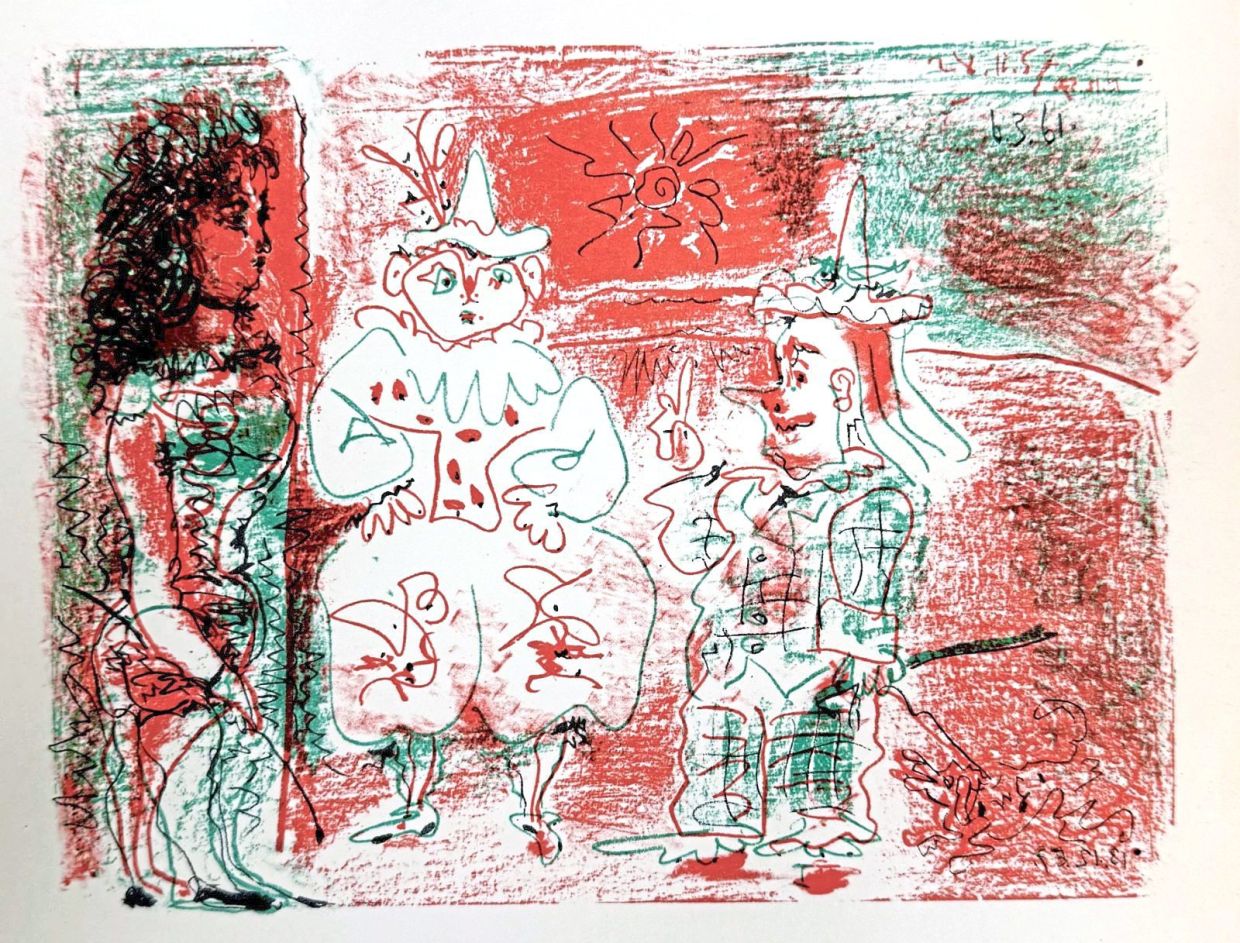
Works by Spanish artists Pablo Picasso and Joan Miró, plus French painters Maurice Utrillo and Balthus, are due to arrive in Malaysia today.
The four paintings, which are part of the asset recovery efforts linked to 1MDB, will be sent to the National Art Gallery.
On logistics, Lim stressed that transporting such valuable pieces involves complex arrangements, with insurance being a major factor.
“When transporting artworks of high value, insurance is of paramount importance. This significantly increases the cost of handling and moving them,” she said.
While she declined to single out a definitive most valuable piece, Lim said works by artists such as Picasso are likely among the frontrunners due to their enduring demand among collectors.
“There will always be collectors looking to acquire works by these artists. The value also depends on where a piece sits within the artist’s career and how significant it is within a particular period,” she explained.
If the artworks are eventually displayed, Lim believes the exhibition would draw strong public attention, though not solely for artistic reasons.
“It will certainly be highly anticipated, perhaps more for the financial scandal surrounding it than for the artworks themselves.
“These pieces were acquired using funds looted from Malaysians, and that context is important,” she said.
Beyond public viewing, she said educational programmes could enhance the exhibition’s impact.
“Understanding why these works were created and why the artists were significant would make the experience far more meaningful. Context is key,” she said.
Fergana Art founder Jaafar Ismail said the significance of the collection should also be viewed through a broader narrative.
He suggested that any exhibition should be framed as a critique of issues such as greed, abuse of power and financial excess.
“The curatorial approach should reflect themes like theft, betrayal and misplaced pride.
“Otherwise, it risks becoming a celebration of Western cultural dominance,” he said.
Jaafar noted that while the artworks may not represent the top tier of global art, their story gives them added meaning.
“The narrative behind how these works were acquired is what gives them weight. That story should be central to how they are presented,” he said.