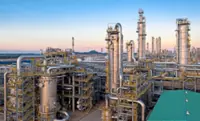
PETALING JAYA: Petroliam Nasional Berhad (PETRONAS) is actively looking at alternate sources of gas and fuel if the ongoing blockade in the Strait of Hormuz were to persist, says Deputy Prime Minister Datuk Seri Fadillah Yusof.
Fadillah, who is also Energy Transition and Water Transformation Minister, said PETRONAS is also looking into how other countries in the Asia-Pacific region, including Australia, are coping with the oil issue.
“PETRONAS is looking at various plans to find alternative sources if gas or oil could not sail through the Strait of Hormuz which has an ongoing conflict.
“They are also looking into Australia and other countries in the Asia-Pacific region,” Fadillah told reporters after attending an event organised by local leaders of Petra Jaya at the CIDB Convention Centre in Sarawak on Sunday (March 22).
“They are prepared in terms of alternatives (sources of energy) and so far, we are also better prepared and our sources are still at a stable level,” he added.
Fadillah said it is important for Malaysians to conserve the usage of natural resources and that is why the government ordered the civil service to maintain air-conditioning at government facilities to a maximum of 24°C.
“This will reduce the usage of gas,” he added.
Fadillah also said the government is considering allowing work from home (WFH) for non essential categories.
“The people must also conserve the usage of electricity. If there is no need, make sure your air-conditioning or switch is turned off,” he added.
Putrajaya is expected to announce its decision on WFH for non-essential categories after the Hari Raya Aidilfitri celebration.
Asked if the government is prepared for any eventuality if Brent crude oil were to hit US$150 per barrel, Fadillah said Putrajaya is constantly monitoring the oil situation to ensure the security of national energy sources.
“So far, we are able to withstand subsidies for RON95 and for diesel, despite spikes in market prices, but there are certain groups, including logistics, which benefited from subsidies via the use of fleet cards. Sabah and Sarawak also has it (diesel subsidies).
“We must focus on ensuring enough supplies, reducing smuggling activities, and for oil producers and industry players to abide by all rules to ensure adequate national supplies so that our national energy security is not affected
Fadillah also stressed the importance of curbing diesel or RON95 smuggling activities, given that Malaysia’s oil prices are significantly lower than its neighbouring countries.
“Illegal sales of oil not only adversely affects the country, but also its people,” he added.
Following the US and Israeli attacks, Iran closed off the Straits of Hormuz on Feb 28, which led to fluctuations in crude oil prices.
Prior to the Iran conflict, Brent crude oil was trading at approximately US$70 to US$73 per barrel.
After the Strait of Hormuz was closed, Brent crude oil spiked to above US$100 pre barrel.
On March 19, Brent crude briefly rose above US$119 per barrel before retreating to US$108.65 that day.
As of March 21, Brent crude stood at US$112.19 per barrel.
On March 21, US President Donald Trump threatened to strike Iranian power plants if Teheran does not fully open the Strait of Hormuz within 48 hours.
The Strait of Hormuz is the only sea passage from the Gulf, making it the world’s most strategically vital checkpoint.