
National Skills Development Act (Amendment) Bill 2025 to provide more opportunities for experienced, skilled workers.
IMAGINE this: In a bustling workshop that is busy throughout the day, from morning till night, there is a mechanic who has worked there for over 15 years.
While outsiders see him as a regular worker—clad in greasy overalls with oil-stained hands—in the workshop, he is the backbone; the one that keeps everything running smoothly, thanks to his years of accumulated expertise.
When a customer’s car engine suddenly fails, he is the one people turn to. When a strange car comes in with a bizarre problem, the boss asks him to look into it first. And, when a new worker is confused about how to use the diagnostic machine, he patiently teaches them the do’s and don’t’s, step-by-step.
He knows every weird sound a vehicle makes. Sometimes, even five seconds is enough for him to figure out what is broken.

There are times when the boss himself waits for him to arrive before daring to make any promises to the customer.
Even when he takes a single day off, the workshop atmosphere changes. Work slows down, and the other staff start to panic. Everyone realises the major role he plays.
The truth is, he has long been an expert—it’s just that this expertise has never received any formal certification.
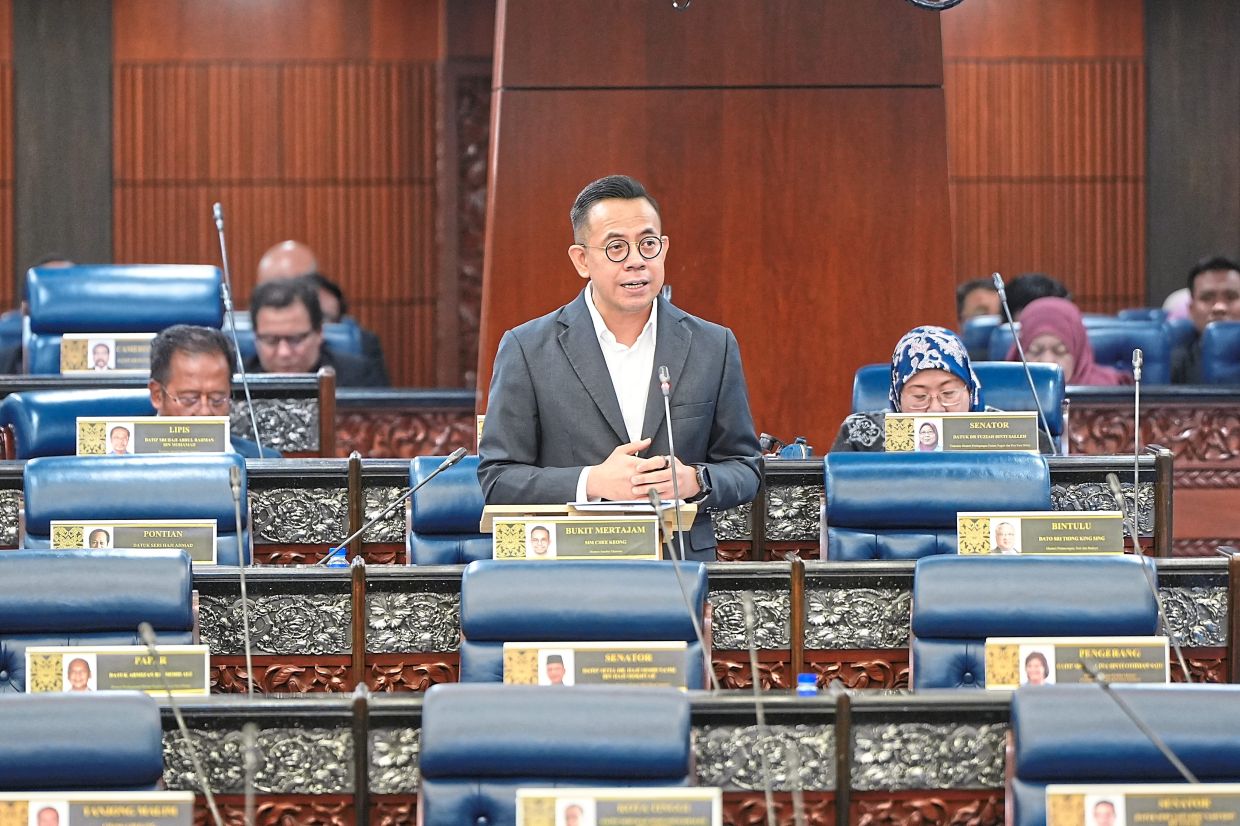
This is why the amendment to the National Skills Development Act 2006, tabled by Human Resources Minister Steven Sim Chee Keong for its first reading on Nov 10, is crucial. It provides long-overdue recognition for these uncertified field experts.
National Skills Development Act
The National Skills Development Act serves as the overarching framework governing several key aspects of skills development in Malaysia.
These include the Malaysian Skills Certificate (SKM), National Occupational Skills Standards (NOSS), accreditation of technical and vocational education and training (TVET) training centres and ensuring the highest quality of national skills training.
The current amendments to the Bill are being carried out by the government, through the Human Resources Ministry (Kesuma), with the aim of upgrading the TVET system to make it more flexible, valuable and suitable for working adults.
This aims to not only provide individuals with the opportunity to invest in their own talent development but also to upskill the workforce across the country.
What will change?
The most significant change is the introduction of modular and micro-credential training.
If the amendments are passed in Parliament, training will become shorter and more flexible, allowing people to take courses while remaining employed.
This way, completing a module will earn a certificate, and accumulating modules will lead to higher-level qualifications. This eliminates the need for workers to take months off work.
Secondly, the recognition of skills certificates will also be upgraded. The SKM pathway will be restructured to allow individuals to achieve expert status, thereby increasing the value of skills certificates.
This move aims to ensure that skills certification is no longer considered a second-rate option, but rather a valuable accreditation of their expertise.
Furthermore, training centres will be more strictly monitored. Only accredited and high-quality centres will be permitted to operate, preventing individuals from wasting time and money on unrecognised courses.

Who will it impact?
The amendments to the Bill will immediately benefit several groups, including:
> Factory and industry workers who will have their expertise recognised through their work experience;
> E-hailing or p-hailing drivers who could take short modules to transition into stable technical jobs;
> Small traders who will be able to obtain recognised certificates, helping them secure licences and larger contracts;
> School leavers who will find TVET as a clearer primary path, rather than a backup option; and
> Employers who will find it easier to recruit workers with specific, genuine skills confirmed by certain modules.
What you can do
The public is encouraged to check for accredited training centres nearby and select modules that fit their time and capabilities.
Individuals should then complete and collect modules to progress to higher levels, and follow the developments of the Bill to ensure they do not miss out on new opportunities.

The gist
In reality, Malaysians do not refuse to change but rather need a facilitating system that is easier, faster and simpler to follow without jeopardising their livelihoods.
With modular training, a more valuable TVET pathway and higher-quality training centres, the National Skills Development Act (Amendment) Bill 2025 could open up more opportunities for regular, everyday workers to realistically upgrade and improve their lives.
Sometimes, life changes don’t start with a big leap—just one module, one certificate, and hope is reignited.