PETALING JAYA: The broader enforcement powers under the amended Poisons Act (Act 366) will enable effective enforcement against offences related to the misuse of poisons and psychotropic substances, say two ministries.
The Health and Home ministries said under the amendment, which was passed in the Dewan Rakyat on Monday, all police officers, regardless of rank, and those appointed by the Health Ministry would be given enforcement powers to handle poisons, including drugs and psychotropic substances.
Under the existing Act, enforcement powers were limited to drug enforcement officers, including pharmacists, police officers with the rank of inspector and above, and senior Customs officers.
Act 366 governs the aspects of the use, possession and distribution of poisons and psychotropic substances in Malaysia.
“This amendment aims to increase the effectiveness of enforcement against offences of misuse of poisons and psychotropic substances as well as to ensure actions that are faster, comprehensive and more responsive in addressing threats to public health and national security,” they said in a joint statement yesterday.
The ministries noted that patrolling and inspection were usually carried out by lower-ranking police officers such as constables and corporals.
“Therefore, the expansion of powers of the police force regardless of rank will enhance the efficiency and reach of enforcement operations.
“In addition, there are areas that do not have the permanent presence of authorised officers under this Act.
“To close this gap, the law also provides power to the Health Minister to appoint other officers, subject to terms and conditions, to assist in the enforcement when necessary,” they said.
The ministries said the amendment showed the government’s continuous commitment, especially the Health Ministry, to address the misuse of controlled substances through a stronger, more inclusive, and more comprehensive enforcement approach.
“It is also in line with the aspirations of Madani values, namely sustainability and well-being – in order to protect the well-being of the people and the security of the nation,” they said.
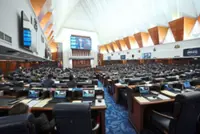
The Bill was passed by a voice vote after being debated by 12 MPs from both the government and opposition blocs.
The Malaysian Medical Association (MMA) recently voiced strong concern about the amendment and urged the government to halt its progress in Parliament until proper engagement was conducted with stakeholders in the healthcare sector.
Its president Datuk Dr Kalwinder Singh Khaira said the association and other medical professional bodies were deeply concerned that the Bill was tabled without prior consultation with key stakeholders, including the MMA.
Dr Kalwinder said the language of the Bill was overly broad and raised red flags regarding enforcement powers and the implications for private healthcare services.
He pointed specifically to Clause 2, which designates all police officers as authorised officers under the Act, and the proposed Section 31A, which grants the Health Minister power to appoint “any person” without specifying qualifications.