WITH more specialised mental health care for specific client populations, one area that requires greater prioritisation is maternal and child health, including postpartum mental health.
Studies indicate that approximately one in seven Malaysian women experience postpartum depression within the first six months after childbirth, highlighting a significant yet often overlooked mental health need.
A policy brief by social enterprise SOLS Health-Thrive Well, in collaboration with Institut Wanita Berdaya (now known as Wanita Berdaya Selangor), identified three key barriers to accessing care: low awareness of symptoms, limited engagement with professional services, and persistent stigma surrounding postpartum mental health.
People with lived experience of postpartum depression can make a significant contribution to improving care by raising awareness and challenging stigma, reassuring new mothers that such struggles are common, treatable, and do not diminish their motherhood.
Their insights can help strengthen policies for detection, referral, and care pathways, while supporting the development of peer networks and practical resources grounded in lived experience.
They can also sensitise families, including spouses and mothers-in-law, who are often identified as risk factors but also have the potential to become important sources of support for recovery and wellbeing.
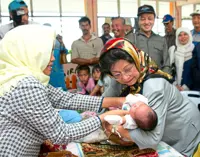
In the context of maternal and child health, we pay tribute to Tun Dr Siti Hasmah Mohamad Ali, whose recent passing has left the nation in mourning.
As one of the earliest Malaysian women to enter the medical profession, Dr Siti Hasmah was a pioneer in her own right who left behind a lifelong legacy of service to public health, particularly maternal and child health.

Throughout her medical career and public life, she remained a steadfast advocate for women’s health, writing in her memoirs that she was concerned about it from the beginning.
In those memoirs, Dr Siti Hasmah highlighted the importance of women’s health education and recognised that socioeconomic barriers often affected obstetric care, while recounting how she patiently engaged families and communities to dispel misconceptions surrounding family planning in Kedah.
We can draw important lessons from Dr Siti Hasmah on the value of community engagement in challenging misconceptions affecting women’s health. People with lived experience can play an important role in reducing stigma surrounding postpartum mental health and mental health at the community level.
Arman Rashid, Lim Su Lin, and Leoniek Kroneman co-authored Thrive Well’s policy brief ‘Postpartum Depression: Improving Detection and Access to Care for Selangor Women’, in collaboration with Institut Wanita Berdaya, Selangor. Go to thethrive.center/publications for more information.