THE theme of the 2026 World Mental Health Day (observed worldwide on Oct 10), “Lived experiences heard: real voices, real change”, reinforces the importance of listening to individuals with experience of living with mental health challenges.
This is particularly relevant for older adults whose mental well-being can be overlooked in discussions on healthy ageing.
Malaysia’s population is ageing as improvements in healthcare and living conditions contribute to longer life expectancy. By 2026, individuals aged 60 and above are expected to make up about 12.3% of the population.
Discussions about healthy ageing often focus on physical health, chronic diseases, mobility and cognitive decline. While these are important, mental well-being should not be treated as secondary.
Ageing can bring significant life changes. Retirement may mean losing a familiar routine or professional identity. Children may leave home, family relationships may change, and some may experience the loss of a spouse, close friends or their independence.
These transitions can affect emotional well-being, confidence, identity and a person’s sense of purpose.
Emotional and behavioural changes are sometimes dismissed as a natural part of growing older. Sadness, withdrawal, loss of interest, changes in sleep or appetite and even forgetfulness may be attributed to age, allowing signs of emotional distress to go unnoticed.
Growing older does not automatically mean becoming depressed, withdrawn or emotionally distressed. Depression and anxiety are mental health conditions that require attention and appropriate support.
Research in Malaysia has documented depression, anxiety and stress among older adults, with some mental health concerns remaining undetected. Changes in an older person’s behaviour and emotions should therefore be recognised rather than immediately attributed to age.
An older person may live independently while maintaining meaningful relationships, while someone surrounded by family may still feel isolated. Loneliness is shaped by the quality of social connections rather than simply the number of people around us.
Bereavement can mean more than losing a loved one. For an older adult, it may also mean losing part of their identity. Families and communities should recognise these emotional needs rather than expecting them to move on or dismissing their sadness as part of ageing.
A Malaysian study involving 2,188 older adults found that stronger social networks were associated with greater psychological flourishing and, in some groups, less loneliness. This reinforces the importance of meaningful connections as we age.
Creating opportunities for older adults to remain active, connected and purposeful can help, and this does not always require complex programmes.
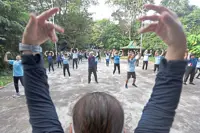
Small-group outings, community activities, dancing, singing and creative activities can encourage participation and social interaction. Beyond keeping older adults occupied, these experiences offer opportunities for self-expression, sharing memories, cognitive stimulation and meaningful connections.
Research on creative and social activities also points to the value of experiences that support cognitive and emotional health. Rather than focusing solely on what people may lose as they age, we should also consider what helps them remain resilient, engaged and connected.
This year’s theme reminds us of the importance of listening to lived experiences. For older adults, this means understanding their needs, what matters to them and what gives their lives meaning.
Rather than making decisions for them, families, communities and healthcare professionals should involve older adults in decisions that affect their lives.
Supporting mental health requires a holistic approach that considers physical and cognitive health alongside emotions, relationships and living environments. If it takes a whole village to raise a child, it also takes a whole village to help a person age healthily, meaningfully and with dignity.
PROF DR ROZANEE KHAIRUDIN
Head
Department of Psychology
Taylor’s University’s School of Liberal Arts and Sciences
Already a subscriber? Log in
Get 20% OFF The Star Digital Access
Cancel anytime. Ad-free. Unlimited access with perks.