AMID a cloud of sawdust and the whine of a buzz saw, Djo Limayo, a carpenter in Congo, was at work building another coffin.
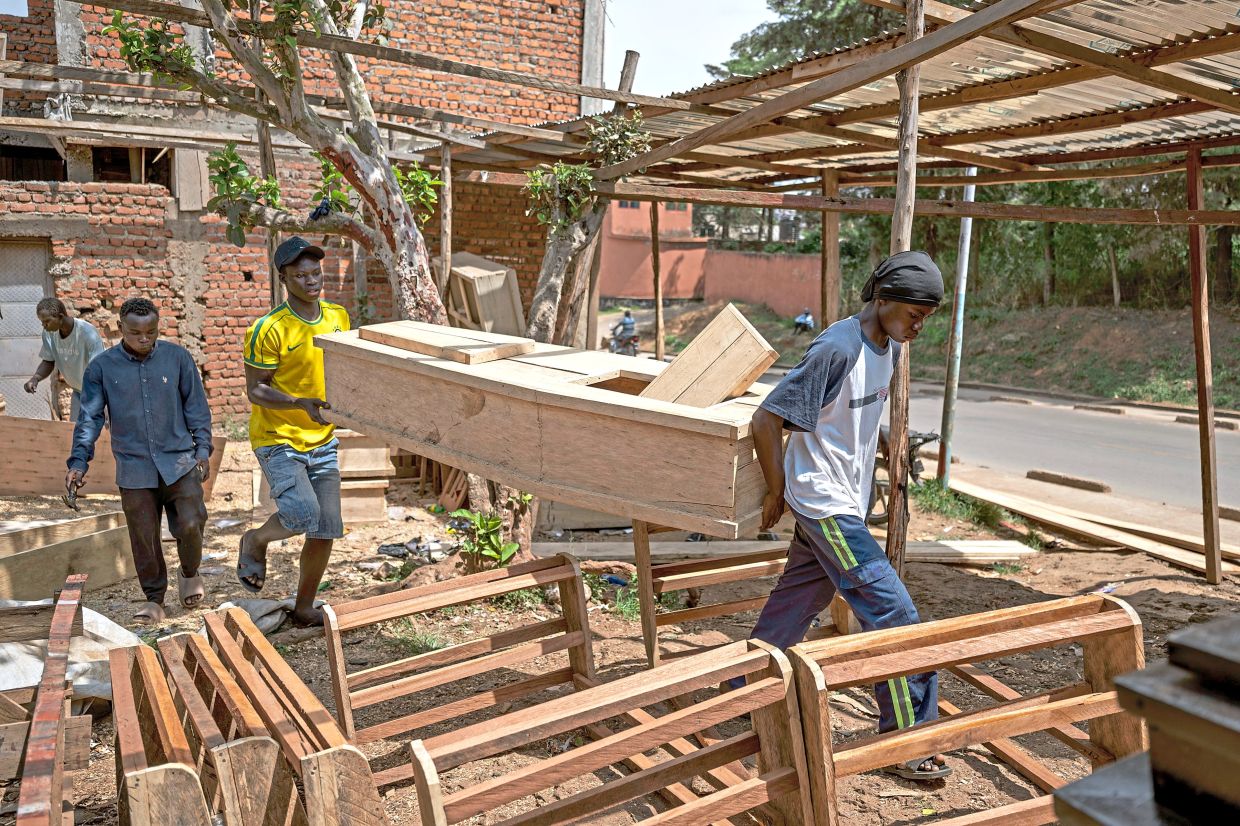
Business has been strong for Limayo since an Ebola outbreak hit the city of Bunia in May. More than a dozen carpentry workshops line the streets. All of them appear to be focused on coffin-making.
The sight of the wooden boxes placed on tables or stacked in racks is a reminder of something that few people want to think about in Congo.
Some are decorated with faux gold trimmings; others are simple. And those for infants are less than a metre long.
In line with the grim paradox of Limayo’s line of work, a crisis for the city is a blessing for the coffin maker.
Before the outbreak, he said he sold around 15 coffins a month. Since then it has risen to 80 coffins a month, he said, partly because he had received a supply contract from a mortuary.
Other coffin makers reported lower figures, but all said they had seen a lift in monthly sales.
Every few days, Limayo said, he rides his motorbike to a lumber yard on a dirt street on the other side of the city to buy planks of wood.
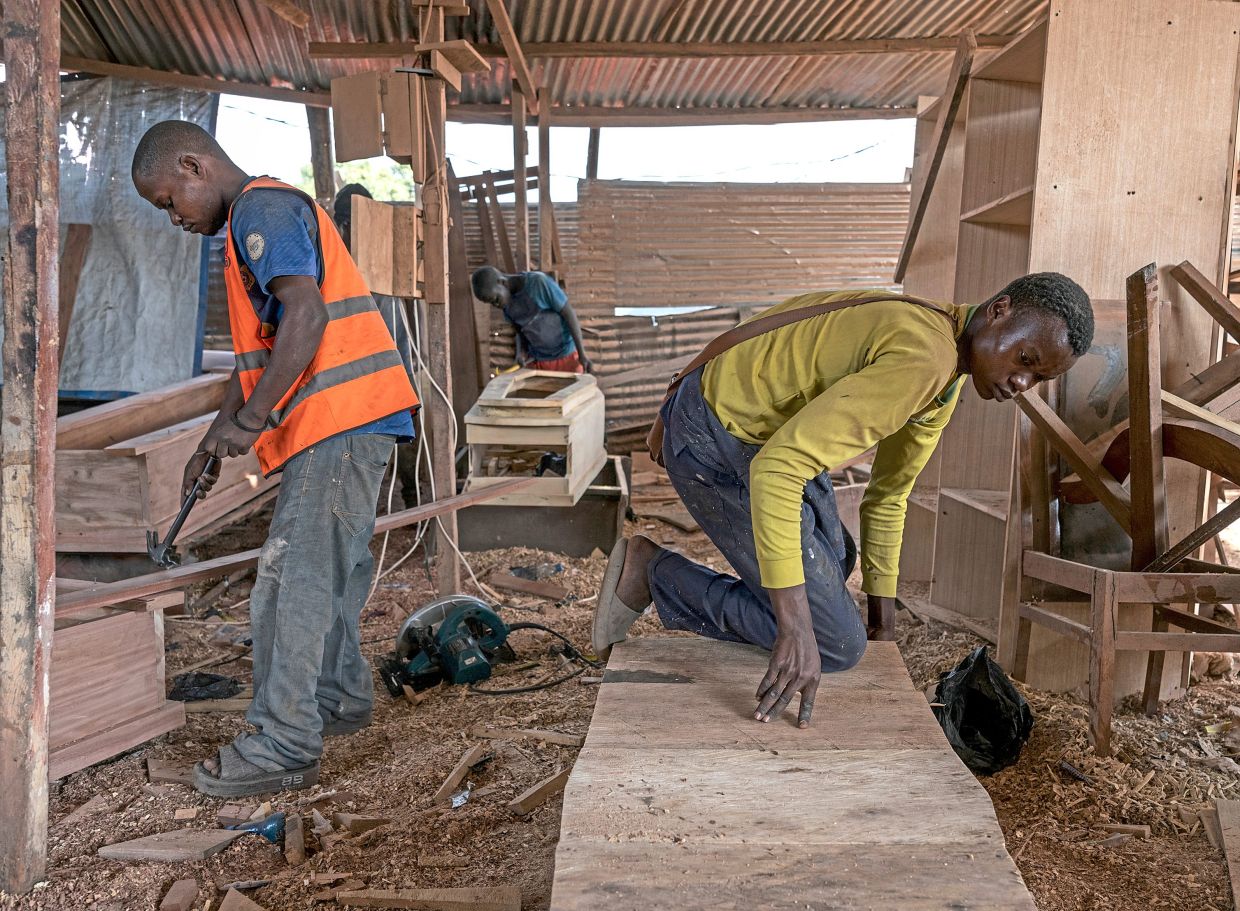
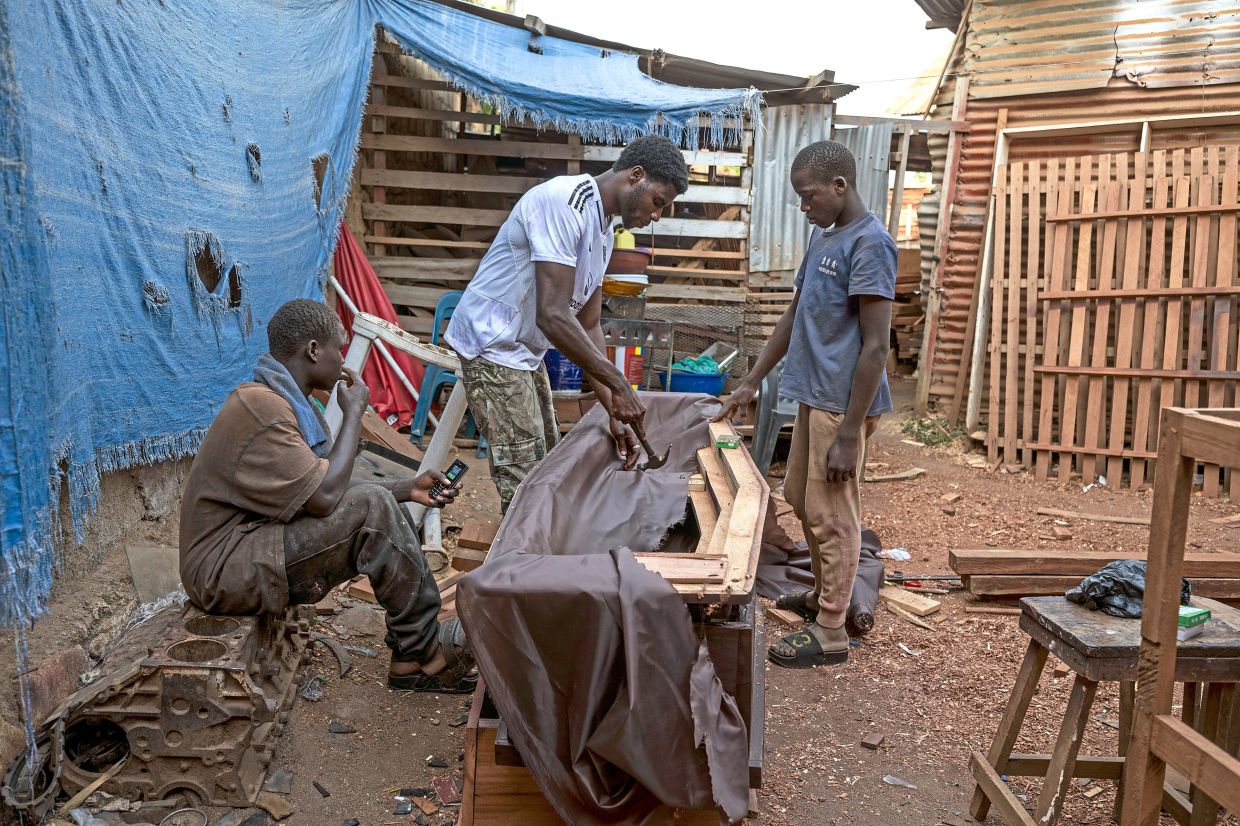
Once they are delivered by truck, he and a team of apprentices saw and then plane them to the right size with power tools.
When it rains, they are forced to stop. Given that their workshop is outdoors, the risk of electric shock is too great because the cables run through the mud.
He glues faux gold handles and other decorations to the more expensive coffins.
Bunia’s streets have lost none of their bustle since the outbreak.
Carpentry workshops are just some of a slew of small businesses that line the roads. A university held a graduation ceremony over the weekend.
Witnesses said that more coffins were on display during the early weeks of the outbreak, when the number of Ebola deaths had soared.
The current outbreak in Congo is the fastest-growing on record and threatens to become the worst in history.
Up to the end of August, there had been 6,041 confirmed cases and 2,911 confirmed deaths, according to the Congolese government.
Several carpenters said in interviews that the purchase of a coffin was almost always unplanned, done in haste by a family, often on the day a loved one died.
The interactions with clients are typically brief, Limayo said.
They arrive on motorbikes and make a hasty choice, often based on price.
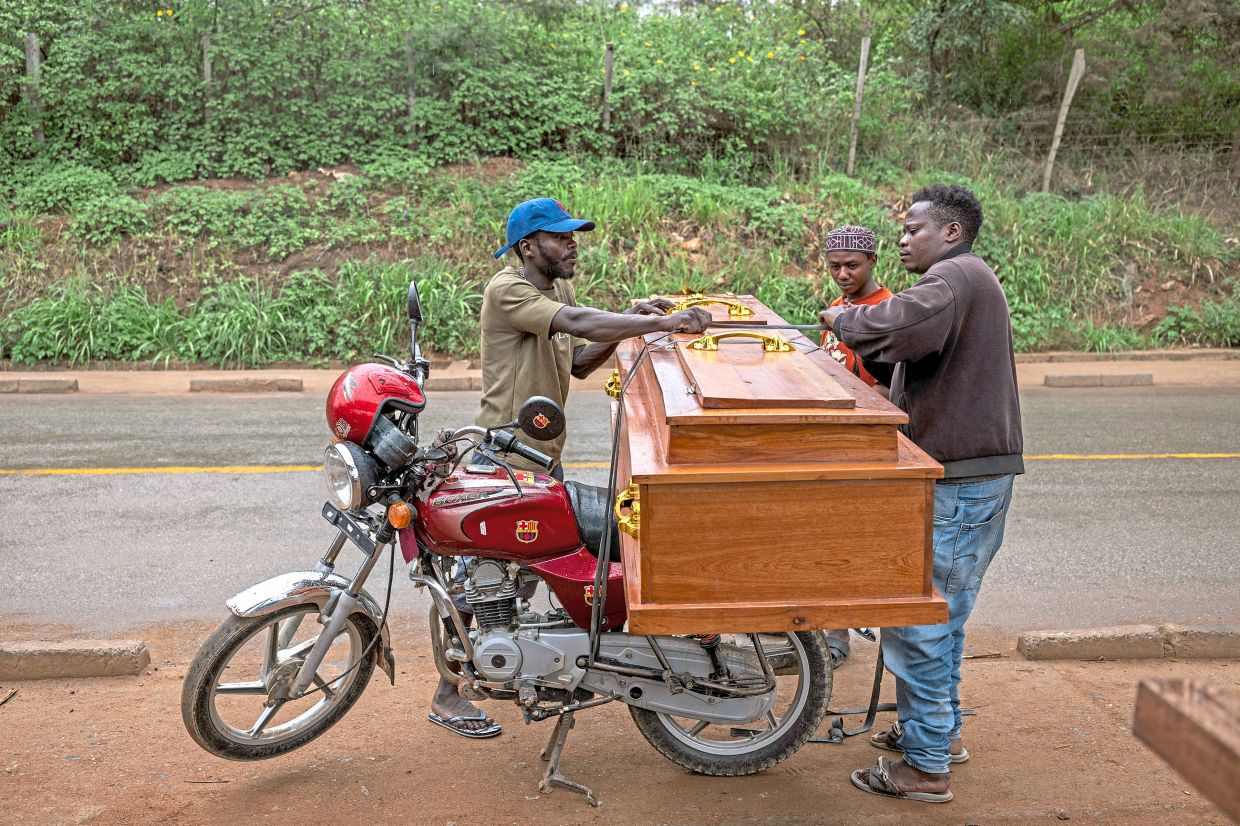
Before the customers depart, the coffin makers wrap the coffins in cling wrap and then use rubber ropes to strap them to the backs of the motorbikes.
Even tied down, the coffins remain wildly unstable, sticking out on either side of the saddle. The sight is a jarring one on Bunia’s streets.
Limayo said that when demand is strong, he sometimes sleeps in a wooden hut he has built at the workshop and from time to time he believed he had seen the ghosts of those lost by his clients.
While several coffin makers said they believed they were providing a necessary public service, the virus has put them at the centre of a debate over how to safely bury Ebola victims without infecting family members.
Medical experts say safe burial is critical to stopping the virus, as people who have died of Ebola remain infectious. But touching a body before it is interred is a tradition for some families in parts of Congo.
Aid agencies, including the International Federation of Red Cross and Red Crescent Societies, provide bags in which corpses can be placed safely before they are put into coffins.
It is then imperative for humanitarian workers to take time to talk to families about the importance of not opening the coffins.
Recently, two men arrived at Limayo’s workshop to purchase a coffin for Aimerance Katungu, 27, who had died two days earlier, after entering a hospital in Bunia.
The men bought a white coffin with imitation gold accents, one of the most affordable, and balanced it on a motorbike taxi. The coffin had a darkened glass window through which family members could peer inside.
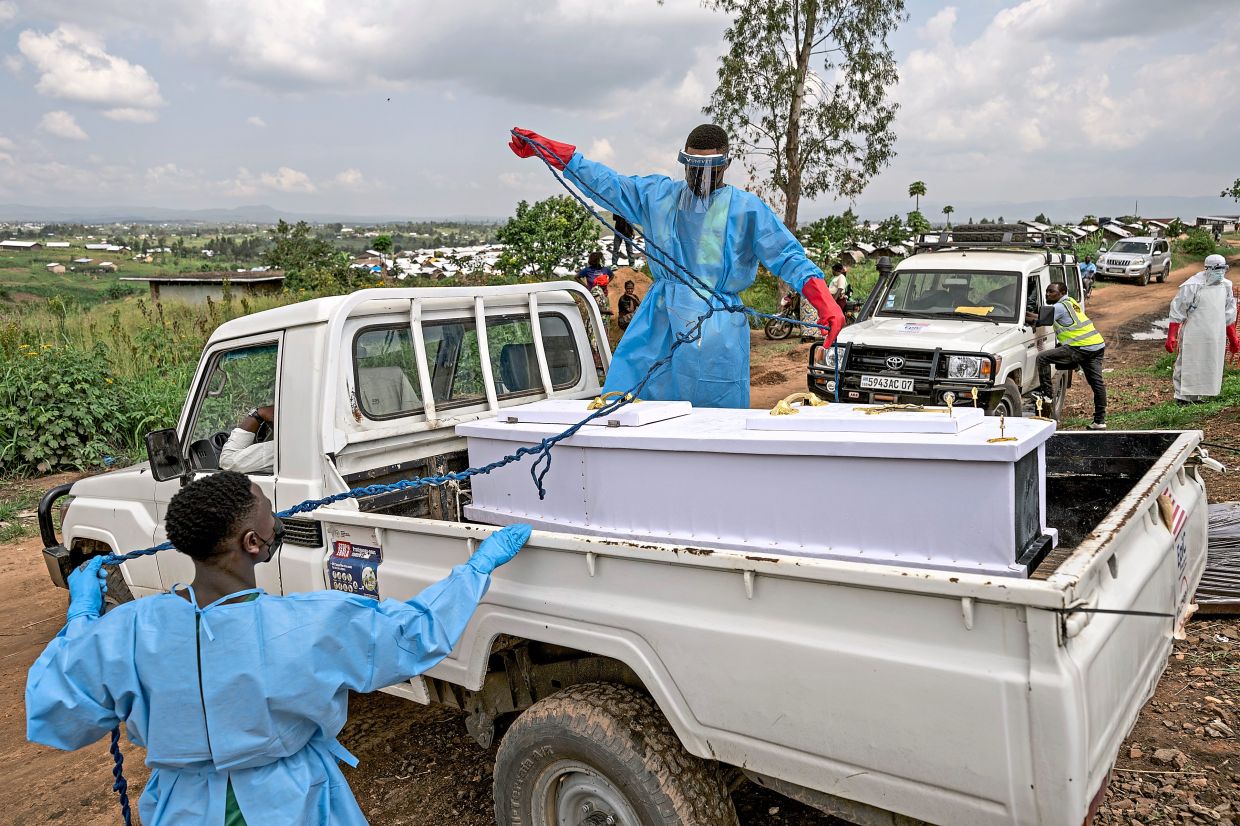
They drove to an Ebola treatment unit on the outskirts of town, where a Congolese team from an American non-governmental organisation donned protective clothing and placed the body into a bag and then into the coffin, loading it onto a pickup truck.
Onlookers and mourners said they would accompany the coffin to its resting place, a cemetery on a hill outside the city.
The health workers feared they would be attacked by the crowd at the grave site if they refused to open the coffin for the crowd.
They drove to a nearby police station and requested an escort. Two armed officers joined them.
The body was safely buried and the coffin was not opened, despite threats from young men in the crowd, the health workers said later.
Felix Muzinga, who runs the Chez Felix carpentry workshop, said he had seen an increase in coffin sales of around 50% since the outbreak began, even though he does not have a contract with the government to supply coffins.
With starting prices at several hundred dollars, a death is a significant expense for Congolese families, even with cheaper coffins made from a pale local wood.
Even so, Muzinga said that almost every family felt compelled to make the purchase.
“Even if someone is poor they want a luxurious coffin that has been decorated,” he said. “It’s the last walk.” — ©2026 The New York Times Company
This article originally appeared in The New York Times
Already a subscriber? Log in
Get 20% OFF The Star Digital Access
Cancel anytime. Ad-free. Unlimited access with perks.
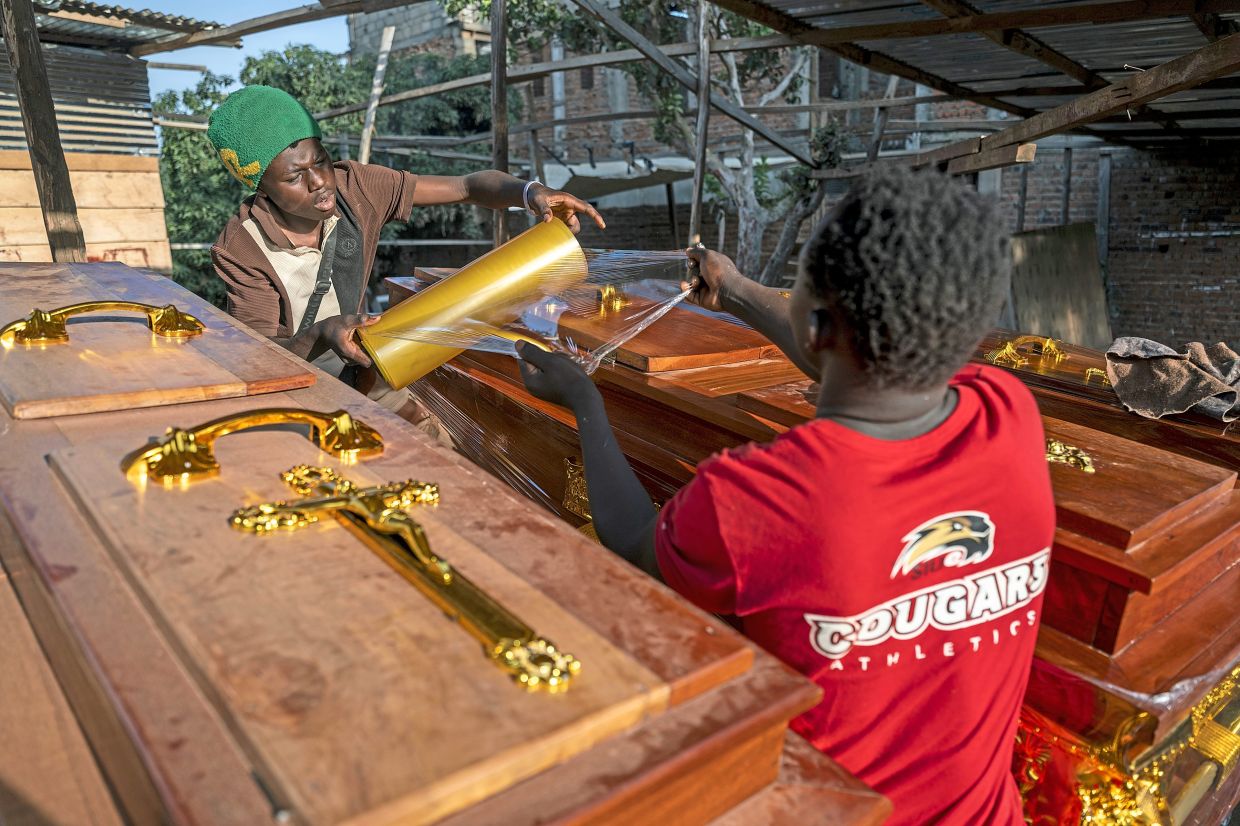
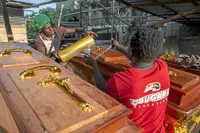
Two apprentice carpenters wrapping finished coffins before delivery in Bunia. — Arlette Bashizi/The New York Times
A coffin being loaded onto a customer’s motorcycle in Bunia. — Arlette Bashizi/The New York Times)
Workers at various stages of coffin-making at carpentry workshops in Bunia. — Arlette Bashizi/The New York Times
Workers at various stages of coffin-making at carpentry workshops in Bunia. — Arlette Bashizi/The New York Times
Workers at various stages of coffin-making at carpentry workshops in Bunia. — Arlette Bashizi/The New York Times
Burial team members loading a coffin containing an Ebola victim in Bunia. — Arlette Bashizi/The New York Times