AS Malaysian cities continue to evolve, the push for more pedestrian-friendly streets is gaining importance. Creating walkable urban environments calls for thoughtful planning that takes into account public transport, accessibility, local businesses, and the quality of the streetscape.
With each city presenting its own set of challenges and opportunities, understanding local conditions is vital to making pedestrianisation work.
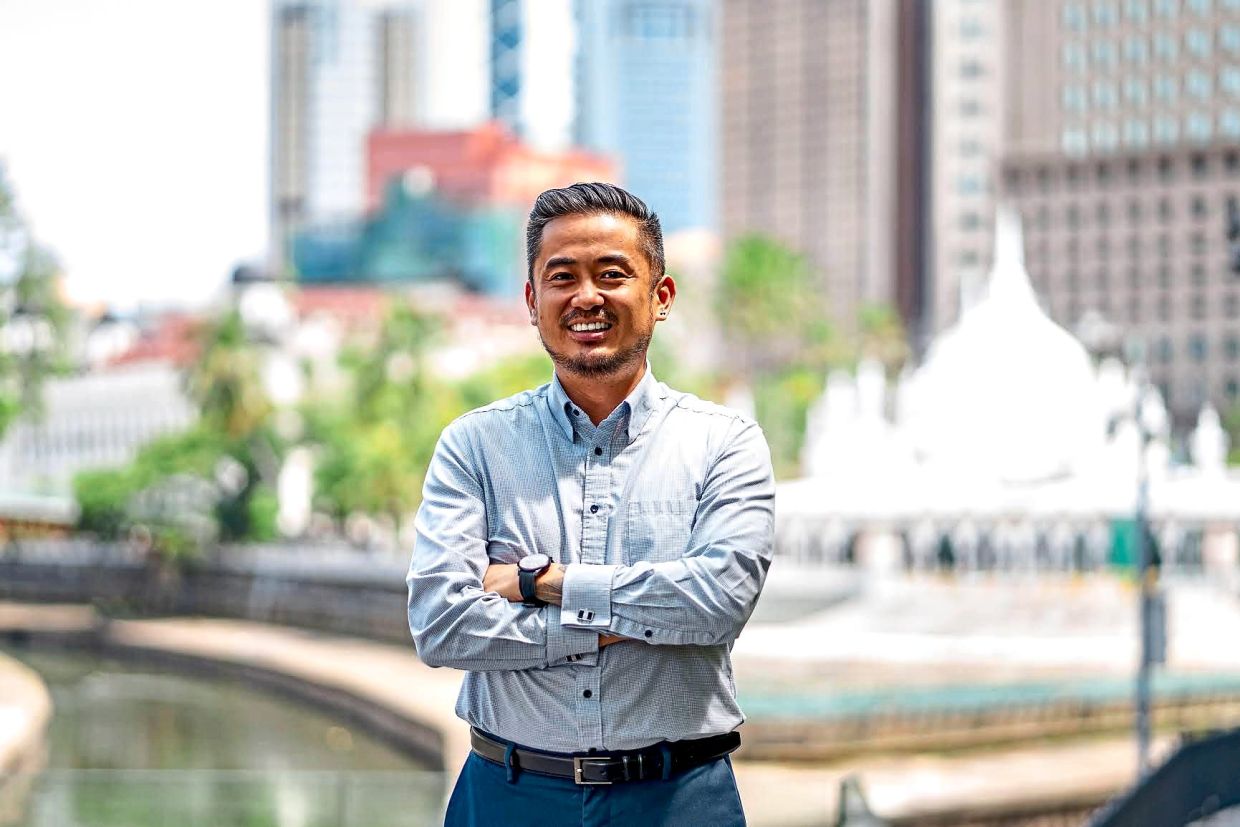
Pedestrianisation should begin with a clear understanding of what a city hopes to achieve. Whether the aim is to create a main street that encourages human-scale activities or improves local economic outcomes, the approach must be tailored to the needs and characteristics of each area, says Daniel Lim, senior director of business enablers at urban regeneration and impact organisation Think City.
“When we pedestrianise, we need alternatives in place first: efficient public transport, park-and-rides, last-mile mobility, and active street frontages. Without these the scheme can fall into a vicious cycle until the public starts to condemn it. If demand for pedestrianisation is strong, we need to make sure the environment supports it before going into it full force,” he says.
This involves taking a place-based approach, studying the characteristics of an area and how people use it before introducing changes, says Lim, describing some of Think City’s strategies.
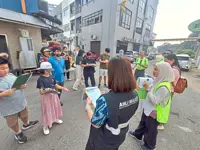
Lim says the organisation carries out trials to test solutions before scaling them up. These allow authorities to observe and analyse traffic patterns, pedestrian footfall, and changes in behaviour while gathering feedback through surveys.
Local solutions
Lim cautions against directly adopting pedestrianisation models from overseas, as Malaysia’s cultural and urban contexts differ.
In the United Kingdom, high streets are the main shopping destinations, whereas Malaysians tend to gravitate towards shopping malls. UK high streets are generally uncovered, and the weather is milder, with much less intense heat.
“In Malaysia, a lack of covered walkways can deter people, so shade is needed. However, heavy shading such as canopies can block sightlines to buildings and shopfronts, making the street less attractive to pedestrians and businesses. Street trees could provide shade without blocking those sightlines,” he says.
Street layout and urban design also influence walkability. Streets in UK city centres tend to be more human-scale, with shorter buildings and active shopfronts opening directly onto the street. In Malaysia, many newer developments are designed around cars, with pedestrian access taking a secondary role.
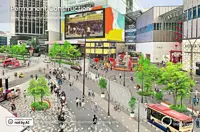
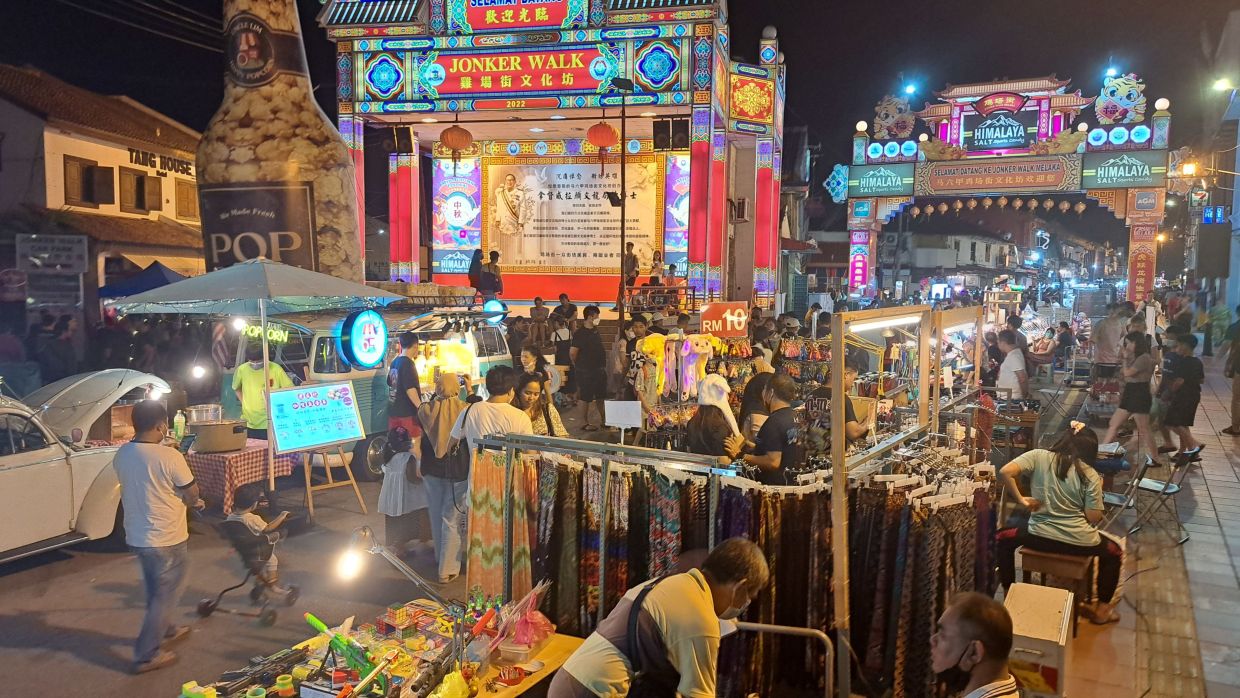
Lim believes older streets, such as those in the George Town World Heritage Site, Jonker Street in Melaka, and Petaling Street in Kuala Lumpur, could offer opportunities to demonstrate how pedestrian-friendly environments can work locally.
One example is Jalan Dhoby in Johor Baru, where side parking was removed and pavements widened by Johor Baru City Council, which worked with Think City under the Coronation Avenue programme.
Although the changes initially faced some resistance, Lim says the street has since become more vibrant, attracting visitors and locals while supporting surrounding businesses.
“The outcomes are visible today: businesses are thriving, the street is busy with visitors and locals, and best of all, it’s green!”
Beyond improving walkability, Lim says pedestrian-friendly streets offer an opportunity to bring nature back into urban environments.
Greening can improve thermal comfort, help mitigate flooding, and encourage walking, which contributes to healthier communities.
He believes this is an opportunity for cities to rethink their streetscapes using nature-based solutions, before deciding where pedestrianisation is appropriate. With the right approach and by understanding local needs, the resulting improvements can be more sustainable, relevant, and effective.
Better for businesses?
Assoc Prof Dr Yong ’Adilah Shamsul Harumain, from Universiti Malaya’s Department of Urban and Regional Planning, says good access via public transport is vital and that pedestrianisation could benefit commercial areas, but careful planning is needed to ensure businesses are not adversely affected.
Businesses must retain practical access for deliveries and daily operations, while alternative traffic routes must be planned to prevent congestion in surrounding areas, she says.
“Without foot traffic, businesses will fail. If enough alternative access is made available, such as via the MRT, ERL, or trams, or if there is sufficient foot traffic, businesses can succeed even without vehicle access to the roads.
“I see this being done successfully in other major cities worldwide, like London and Tokyo,” she says.

She also believes reducing traffic could benefit heritage and commercial streets by encouraging people to slow down, appreciate surrounding buildings, and explore local businesses. Like Lim, Yong ’Adilah also recommends a trial before any permanent changes are made, allowing authorities to assess traffic conditions and gather feedback.
With careful planning and a better understanding of local needs, Malaysian cities can create more walkable, greener streets that benefit both businesses and communities.