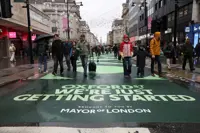
FOR many Malaysians, walking may seem like a simple everyday activity, but getting around on foot can be challenging in cities designed primarily around cars.
Awatif Ghapar of walkability advocacy group Kerja Jalan explains that the way people move around cities is heavily influenced by how their surroundings are designed. In car-centric environments, driving becomes the default choice, while pedestrians are often expected to give way to vehicles and make do with narrow pavements and limited crossing facilities.
However, she observes a growing shift: “People want to walk, but they cannot.”
The lack of suitable infrastructure often makes it difficult, even for short journeys. Crossing highways, navigating large intersections, and dealing with inadequate pedestrian facilities can make driving seem like the more convenient option.
“If you want to walk or cycle in Malaysia, you have to think several steps ahead. You have to consider whether there is shade, how busy the intersections are, what clothes to wear, how long you need to wait at traffic lights, and whether the route is comfortable,” she says.
Awatif says better pavements, shaded walkways, safer crossings, and basic amenities like benches can make walking more comfortable while reducing the practical and psychological barriers that discourage people from walking.
She also notes growing awareness among local authorities of the need to prioritise walkability and accessibility. However, infrastructure improvements must be supported by an understanding of how people use public spaces.
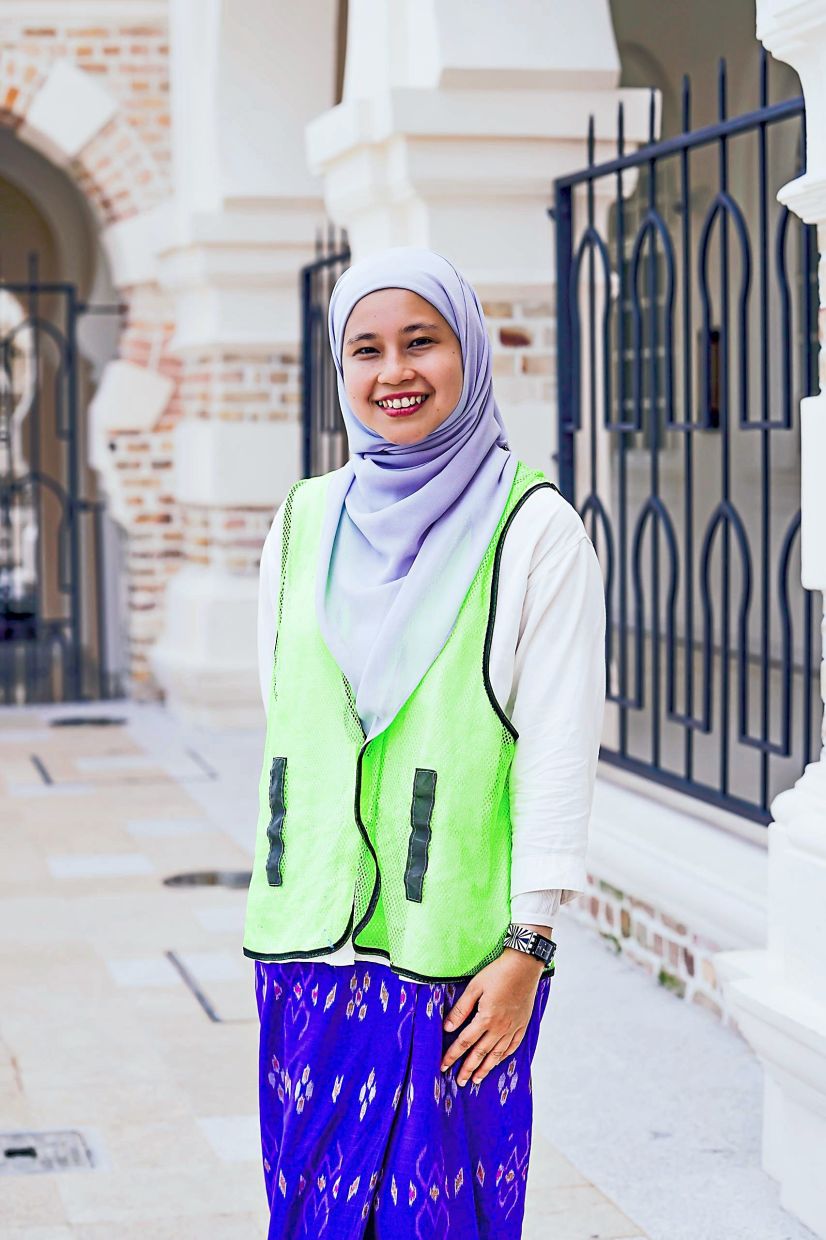
Building a wider pavement, for instance, may seem like an obvious solution, but planners should also consider whether it connects people to public transport, shops, and other amenities. Poorly designed crossings, steep routes, or disconnected footpaths can still discourage walking, even where pavements are available.
Community-centric design
Community involvement is equally important. Through community walks and walkability audits, Kerja Jalan encourages residents to assess their neighbourhoods and identify barriers based on their everyday experiences. These exercises help residents pinpoint where crossings are needed, which routes feel unsafe, and what changes could make walking easier.
The findings can then be compiled into reports and submitted to local authorities, giving communities a more direct role in shaping improvements to their neighbourhoods.
Awatif acknowledges that pedestrian-friendly projects can face resistance, particularly when changes such as narrower traffic lanes or the removal of parking affect motorists. However, she believes the benefits should be considered over the longer term.
“People often focus on what they might lose now, such as parking spaces, rather than what these changes could mean for the future. Imagine, in the years ahead, a neighbourhood where children can walk to shops and schools independently. It is also important for seniors who may no longer be able to drive and depend on others to get around,” she says.
Awatif describes creating more walkable neighbourhoods as giving people the freedom to move around safely and independently, while making their communities more accessible and connected for generations to come.
Safety first
The success of a city’s streets also lies in how safely, comfortably, and inclusively they serve the people who use them, says Justin Lee, director of Commute Initiatives, a Malaysian urban mobility and street safety NGO.
He points out that with thoughtful planning, pedestrianisation can help shape a more liveable and sustainable Kuala Lumpur.
While Commute Initiatives has seen positive public feedback and interest from city councils wanting to pedestrianise certain streets, he recognises that there are still concerns, particularly among motorists and business owners.

Traffic congestion and accessibility are key concerns for motorists, while business owners may be reluctant to embrace pedestrianisation due to the perception that more cars mean more customers. However, streets designed for walking can actually encourage more people to buy from local shops.
“A street that is comfortable and safe to walk along attracts more foot traffic. Unlike motorists who may simply drive through, pedestrians have more opportunities to notice businesses and are more likely to make spontaneous purchases and support local traders,” says Lee.
Citing police data, Lee notes that around 200 lives are lost on KL’s streets annually, and about 10% are pedestrians. He stresses that better pedestrian infrastructure is crucial to saving lives while also reducing vehicle emissions and noise pollution.
Beyond accessibility and safety, pedestrianisation creates more attractive public spaces that encourage people to spend time enjoying the area. This can benefit local businesses, support retail activities and tourism, and contribute to the wider urban economy, he explains.
“We need to recognise that streets are public spaces, not just routes for vehicles. Giving more space to pedestrians can improve road safety, reduce vehicle emissions and noise, encourage more walking and cycling, and create more attractive environments for businesses and communities,” says Lee, who emphasises that pedestrianisation should also be part of a wider transport and urban planning strategy, rather than an isolated road closure exercise.