



FROM the steps of zapin and the strumming of the gambus to the rhythms of gamelan, Johor’s cultural heritage continues to thrive as knowledge inherited from earlier generations is passed down to their children and grandchildren.

The knowledge has since been passed down to four of Keliwon’s grandchildren; Siti Masfuzah Miswan, 40, Masselih, 36, Siti Masturina, 32 and Siti Massilah, 30.
Masselih, the fourth of six siblings, says zapin has long been closely woven into village life, particularly during wedding celebrations.
“Apart from its dance movements, Zapin Parit Mastar also has songs that form part of its identity, such as Ya Ladan, Zapin Budi and Sayang Cik Dollah.
“Young people today are actually interested (in it). Once they understand and learn it, they will continue to take part and dance.
“All the movements are modest, yet remain engaging. That is one of zapin’s strengths when introducing it to the younger generation,” she says.
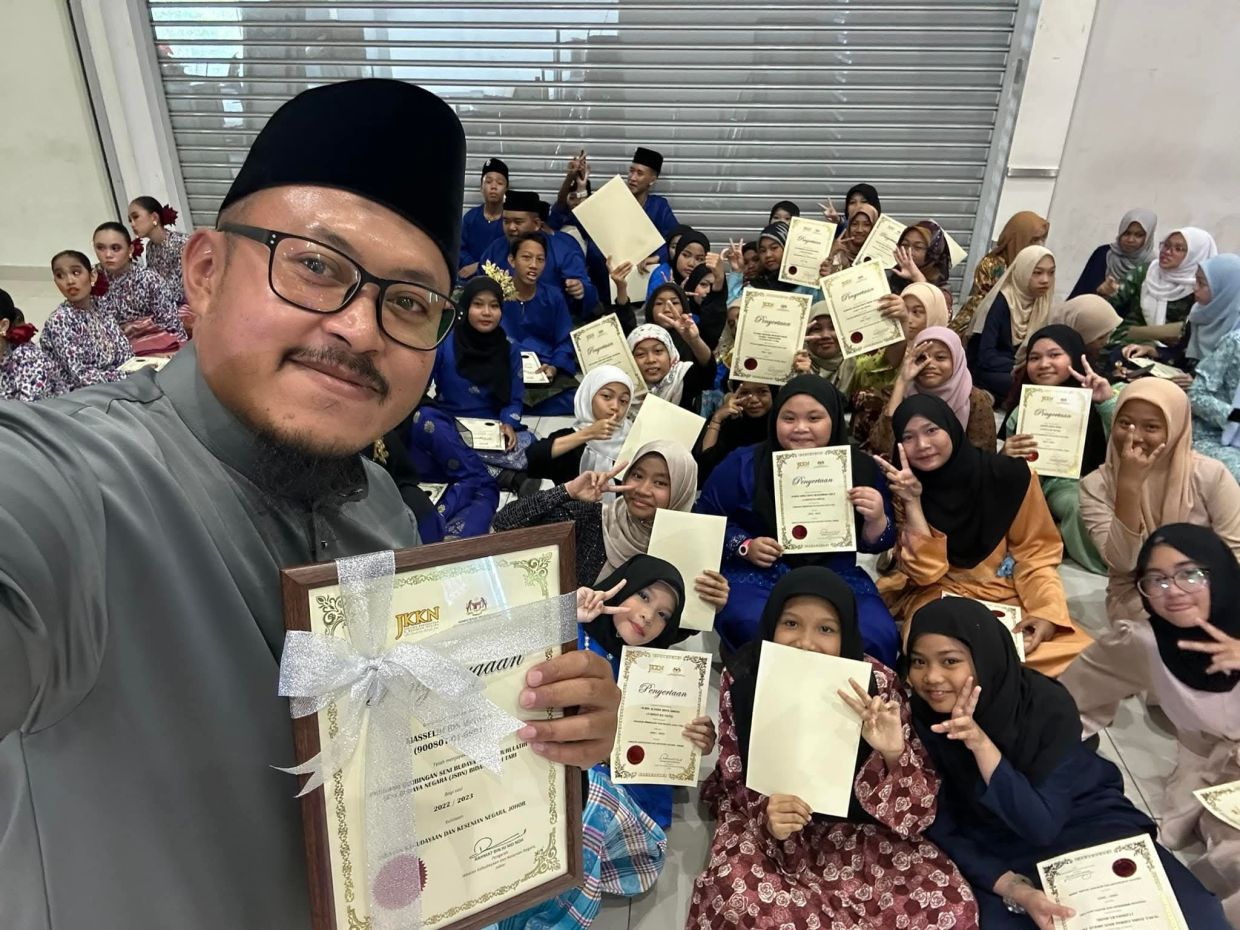
Masselih says the efforts to broaden the reach of Zapin Parit Mastar have also been carried out through programmes with National Department for Culture and Arts (JKKN) in Johor, via training and exposure to the art form in schools throughout the state.
Meanwhile, in Kampung Permatang Duku, the Tunas Warisan group founder Amar Abu, 65, continues his efforts to preserve and promote the cultural arts of the Javanese community alongside his youngest son, Mohd Nizal Amar, 21.
For almost two decades, Amar has learned and preserved various traditional art forms, including Johor gasing pangkah, gamelan, reog dance and Javanese shadow puppetry (wayang kulit).
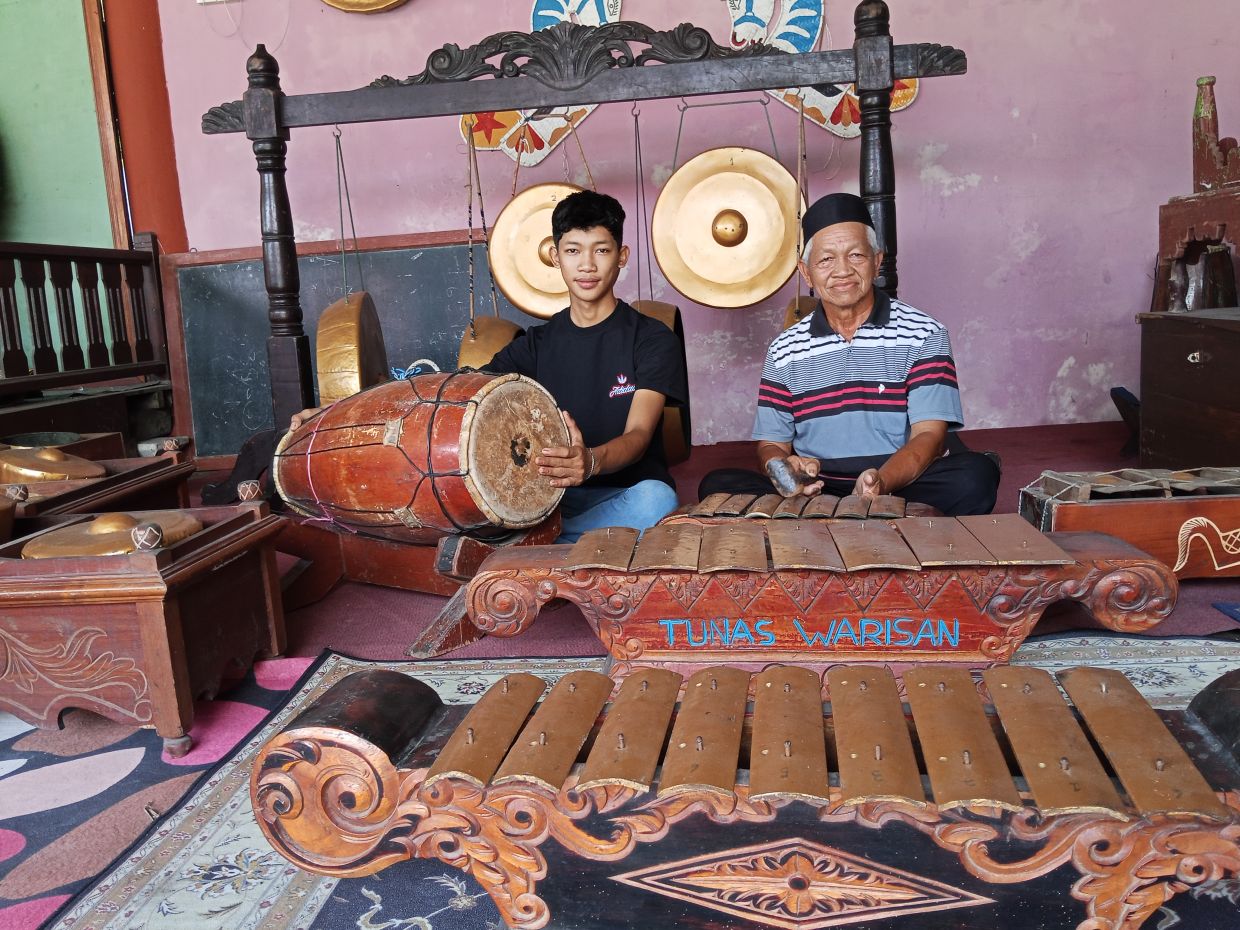
According to Amar, his love for the art form began with his father, Abu Abdul Salam who was also a practitioner of Javanese arts in the village.
Today, that legacy is being carried forward by Mohd Nizal who started playing the gong at eight years old.
“Since young, I have been accustomed to hearing gamelan music and Javanese songs such as ladrang and sampak played by my father.
“We have been invited to perform outside of Pontian, especially in Johor Bahru. Through these performances, I have been able to introduce people to the art forms of the Javanese community,” Mohd Nizal says.
In Batu Pahat, brothers Zaidan Attan, 38 and Dr Mohd Nizam Attan, 59, are continuing the legacy of their late father, Attan Hassan, who is the founder of the Gambus Nurulhilal group.
Zaidan says his love for the gambus began when he started learning to play the traditional instrument at the age of nine.
The instrument has not frets and requires players to master plucking techniques and rhythm, as well as develop a good ear for music, he explains.
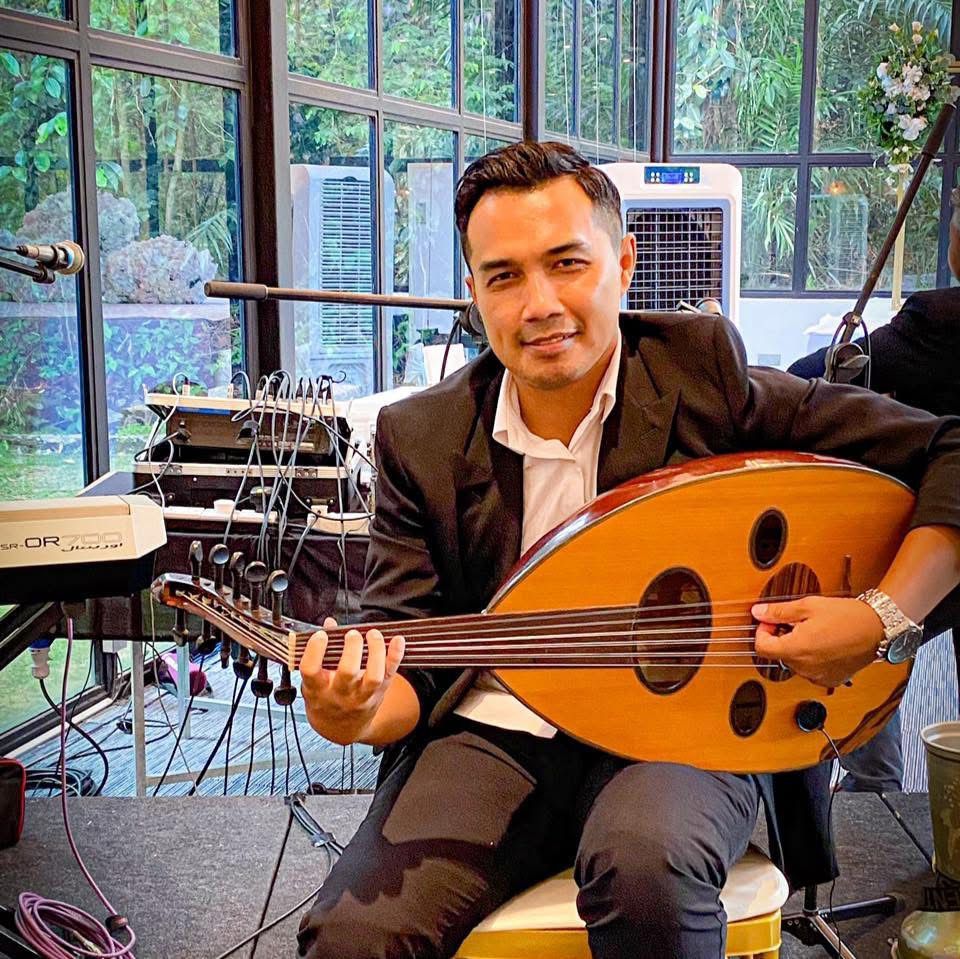
Dr Mohd Nizam says all gambus genres, including Johor Malay Ghazal, Malay Zapin, Gambus Samrah and Hamdolok, should be preserved in their original forms.
He says documenting their history, instrumentation and playing styles is crucial to ensure that the musical heritage can be learned and carried forward by future generations. — Sinar Harian/Media in Arms

