



IN an office reeking of cigarettes, Dang Yangyang slouches on a black leather sofa, exhausted after days of entertaining clients from Ghana, Iraq, Jordan, Russia and Senegal. They all want the same thing: Chinese chicken.
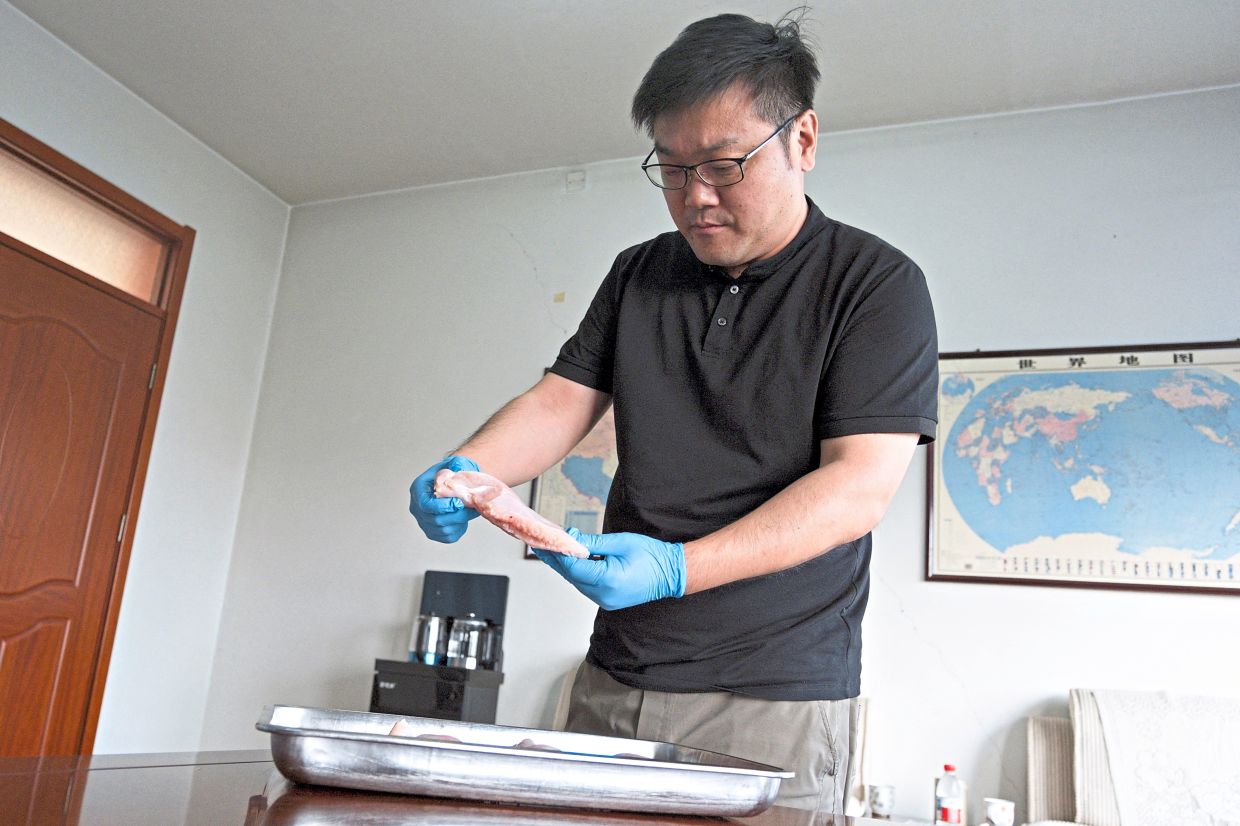
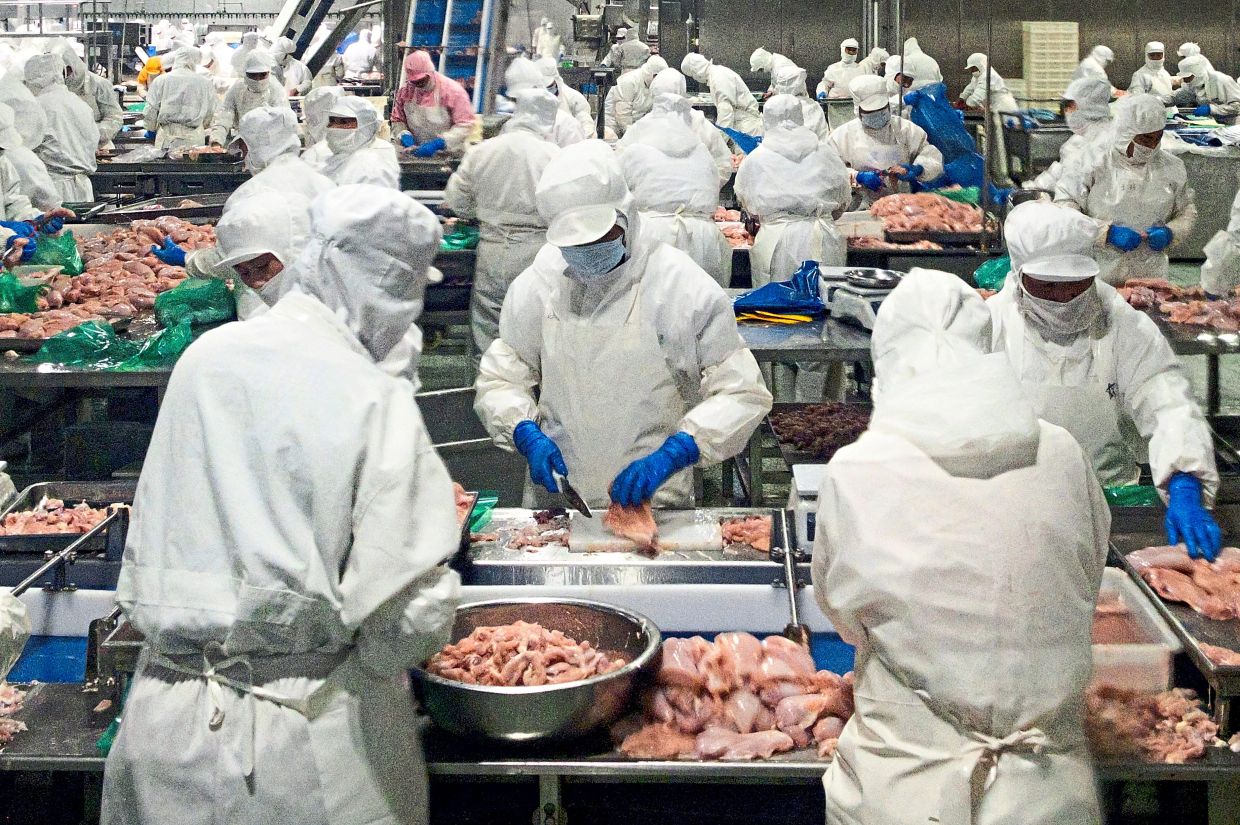
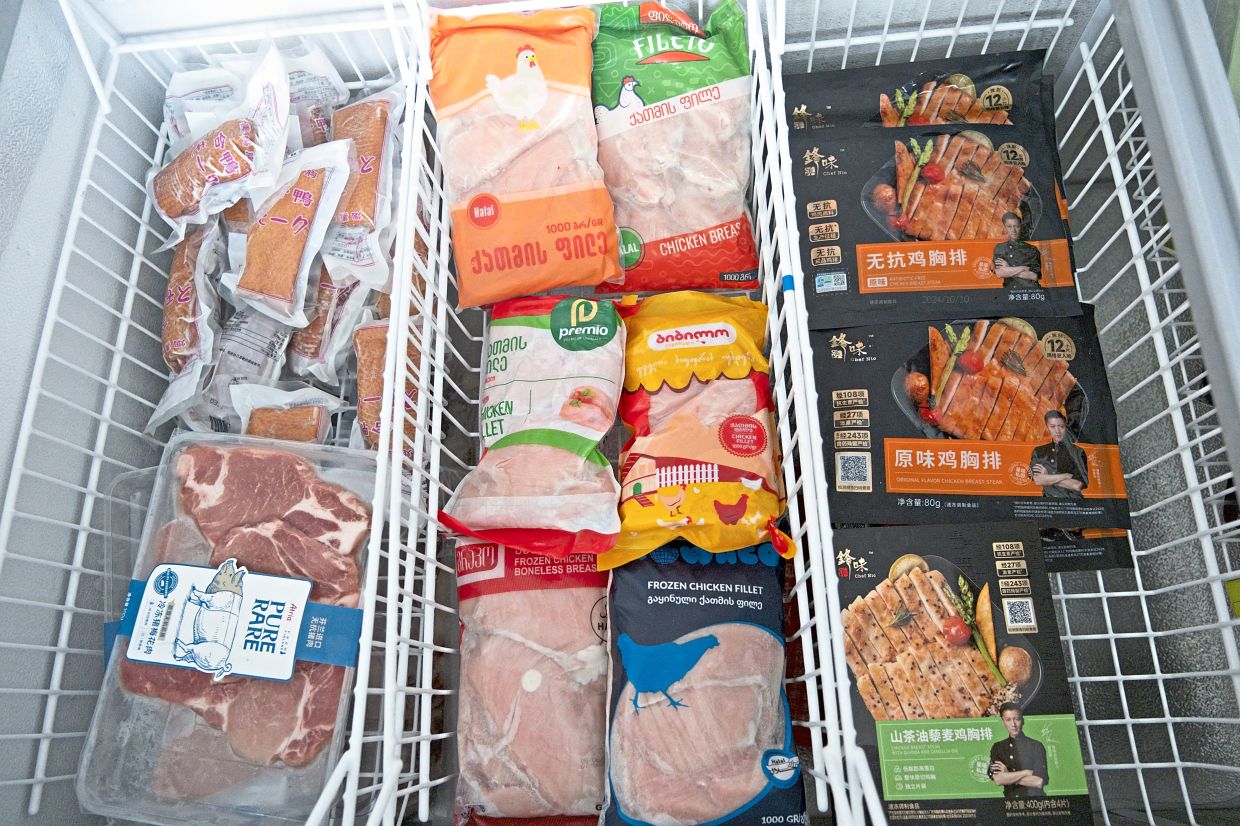
Wintop Food processes 60 million chickens annually, selling everything from breasts and nuggets to meatballs and dumplings in more than 20 countries.
Exports accounted for half its profits last year and are funding an expansion.
“International clients used to distrust the quality,” said Dang, 44, the general manager at Wintop. “But when the meat is US$1,000 cheaper per tonne than Brazilian and Thai competitors, they have to either buy from China or lose out.”
Wintop is part of a wave of Chinese protein producers exploiting excess capacity and improving technology to capture overseas markets. But the surge is also raising concerns among foreign competitors and regulators, echoing disputes over Chinese steel, solar panels and electric vehicles.
In July, the European Commission launched an anti-dumping probe into Chinese Pekin duck imports.
In September, it imposed duties of 41% to 67% on Chinese pea protein.
Chicken has so far escaped similar measures, though European authorities are monitoring the market.
China exported US$2.6bil worth of chicken products last year, almost double the 2020 figure, customs data show. It also became a net chicken exporter, while dairy exports are on track to reach US$600mil this year, double their level three years ago.
For consumers, the shift promises cheaper protein. For producers from Europe to Thailand and Brazil, it means a formidable new competitor.
China’s move from buyer to exporter is having a “disruptive” effect on global meat markets, said Michael Boddington, a Beijing-based agribusiness consultant.
Shipments that once flowed mainly from Europe and the Americas now face competition from cheaper Chinese supplies.
Urbanites shunning pork
For decades, pork dominated China’s protein consumption. The country became home to half of the world’s pigs, fuelling demand for grain and soybeans from suppliers in the United States and Brazil.
But tastes are changing. Health-conscious urban consumers are turning away from the fatty pork cuts common in traditional Chinese cuisine.
Per capita pork consumption has fallen 13% since peaking in 2023, while chicken intake rose more than 50% in the decade through 2024.
For small farmers, the consequences have been severe.
Huang Weiying, who began raising pigs in Hebei province 20 years ago, once kept more than 500. During a visit in August, she was feeding her last 10 hogs in a cobweb-covered barn.
Burdened with about US$75,000 in debt, she planned to slaughter them soon.
“I have been raising pigs for over two decades, but it has never been as hard as the last two years,” said Huang, 57.
“Pig prices are so low. People in the cities just stopped eating pork.”
Yet, production continued to expand across China’s meat and dairy industries.
Beijing encouraged large-scale investment, offering subsidies to boost food security and rebuild herds after African swine fever devastated pig populations in 2018 and the Covid-19 pandemic disrupted supplies.
Subsidies accounted for about 13% of Chinese agricultural producers’ gross farm receipts between 2022 and 2024, nearly three times the level in the early 2000s, according to the OECD.
The result is mounting overcapacity.
Last year, China produced a record 59 million metric tonnes of pork, while poultry output rose 7%. Dairy production exceeded official targets for 2025 two years ahead of schedule.
With domestic demand subdued amid an economic slowdown and a shrinking population, producers are increasingly looking abroad. Prices have fallen not just for pork, but also for poultry and dairy.
Moving overseas
“Every Chinese livestock company is planning to expand overseas. If you want to grow, you must go abroad,” said Zhang Yuan, head of baby formula marketing at dairy giant Yili.
The company plans to begin selling formula in South-East Asia as soon as next year. It is a striking turnaround for a brand whose milk products were caught up in China’s 2008 melamine scandal, which sickened thousands of babies and damaged consumer confidence for years.
Yili’s baby milk powder is now the country’s top-selling brand.
Rival Feihe launched its AceKid infant formula in Indonesia in April, following its entry into the Philippines a year earlier, challenging established brands including Nestle and Mead Johnson.
Poultry producers are pursuing similar ambitions.
At Wintop, in Shandong province, Dang has increased the number of chickens housed in each shed from 20,000 to 120,000 over a decade.
The birds average 2.5kg, compared with 2.2kg for Brazilian broilers, according to S&P Global, and are slaughtered in under 42 days.
The local government subsidises wages for Wintop’s more than 2,000 employees, the company said, without providing details.
Rival processor Sunner is focusing on higher-value products, including marinated chicken and ready meals. Its overseas sales rose 42% to US$135mil last year.
The company is also working with countries such as Uzbekistan to develop local poultry production using its breeds, including China’s first domestically bred white-feather broiler.
Tough competitor
Chinese producers are already gaining ground in established markets.
Chinese milk powder competes with products from New Zealand and Europe in Nigeria and Bangladesh, and is displacing Indian and Iranian producers in the Middle East, said Yifan Li, a dairy analyst at commodity broker StoneX.
China has doubled its share of the European Union’s processed-poultry market to 10% since 2022 and tripled its share in Britain to more than 14%, according to food consultancy Gira.
Its share of Japan’s market is also growing as Thailand’s declines.
“It’s very worrying,” said Kukrit Arepagorn, manager at the Thai Broiler Processing Exporters Association.
“Customers increasingly use cheap Chinese chicken prices as a reference point for negotiation.”
Ezequiel Pires, chairman of Lisbon-based meat trader Branexx, said his company began buying Chinese poultry in March after African customers sought cheaper alternatives to Brazilian imports.
Chinese chicken breasts and leg quarters are 10% to 20% cheaper than Brazilian products, he said.
But China’s food-safety record remains a hurdle.
Exporters must build “lasting confidence in the safety, traceability and consistency of their products”, said Gordon Butland, director at Bangkok-based G&S Agriconsultants.
The European Commission said imported food must meet the same health and safety standards as locally-produced goods. The bloc also plans to strengthen country-of-origin labelling, starting with poultry in 2027.
Some customers still prefer Thai poultry for its consistent taste and quality, said Rupert Claxton, meat and livestock director at Gira.
For many buyers, however, price outweighs lingering doubts.
“We’re exporting to whatever countries we can,” said Wintop’s Dang. “If you have a significant price advantage, many customers actively seek you out.” — Reuters
