




ERICSSON has helped Malaysia turn its 5G ambitions into a nationwide network that serves millions of users and can support more advanced industrial applications.
Its partnership with Digital Nasional Bhd (DNB) demonstrates the company’s ability to deliver critical national digital infrastructure and continue developing the technology behind it.
As DNB’s technology partner, Ericsson was appointed to design, build and maintain Malaysia’s first nationwide 5G network.
The network reached 80 per cent coverage of populated areas ahead of schedule. DNB reports that it carries more than 80 per cent of the country’s 5G traffic.
Ericsson has continued to advance that network as businesses look to adopt more automation and artificial intelligence (AI).
Working with DNB, it has introduced 5G Advanced, with capabilities designed to improve performance, reliability and energy efficiency while supporting more advanced connected devices.
This gives Malaysia a way to build on its existing investment as enterprise requirements evolve.
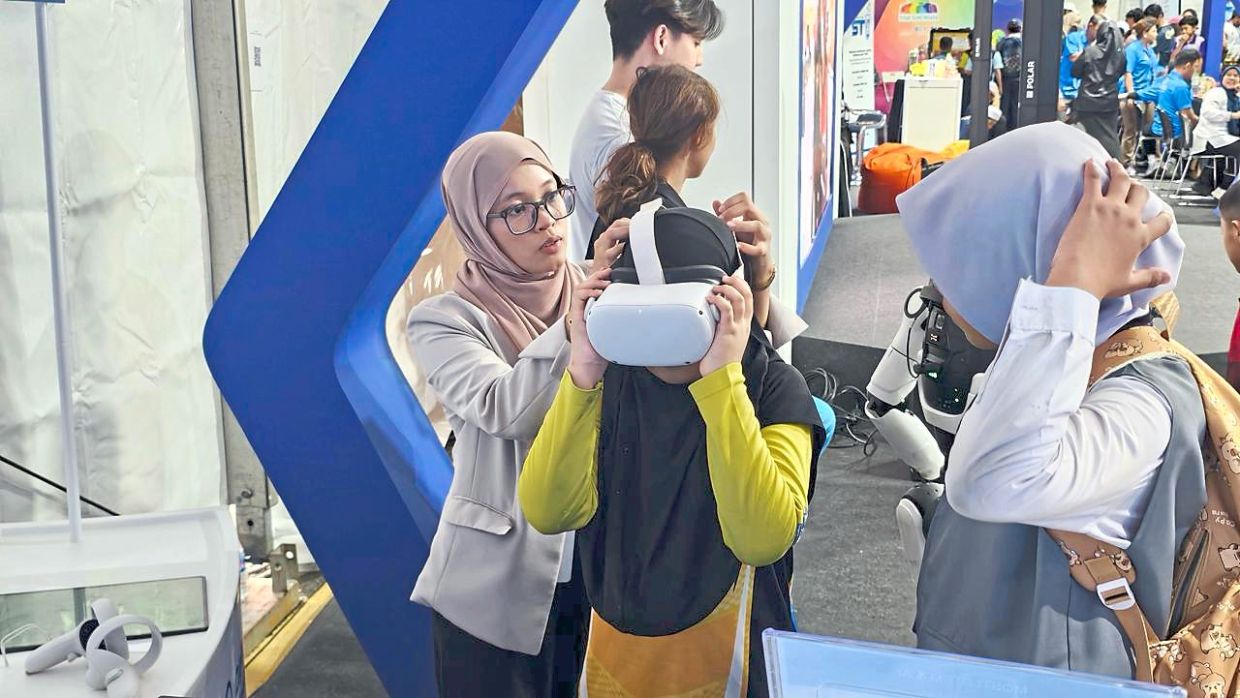
The expertise in network operations has also supported many global firsts such as in 2025 when DNB became the world’s first mobile network operator to receive TM Forum validation for Level 4 autonomy in 5G Service Assurance.
Ericsson’s AI-enabled operations monitor, analyse and optimise network performance in real time, helping maintain the service consistency that enterprises need.
For a business connecting its production equipment or logistics systems, that consistency matters.
Investment decisions depend on confidence that the network can support daily operations as demand changes.
Ericsson’s work on both the technology and its management addresses this requirement.
Ericsson is also working with enterprises to apply these capabilities to Malaysian industry.
Its collaboration with DNB and major European precision engineering companies with operations in Malaysia focuses on smart manufacturing, including reliable, low-latency communications for machines, robots and production systems.
The commercial objectives are better equipment utilisation, fewer unplanned stoppages and more flexible production.
In transport, Ericsson and DNB are exploring 5G-enabled fleet management with a major European truck company, with a Malaysian company on autonomous transport applications.
Separately, Pos Malaysia’s six-month proof of concept for an autonomous logistics vehicle, supported by DNB as its 5G partner, provides another example of how the network can support the development of new logistics services.
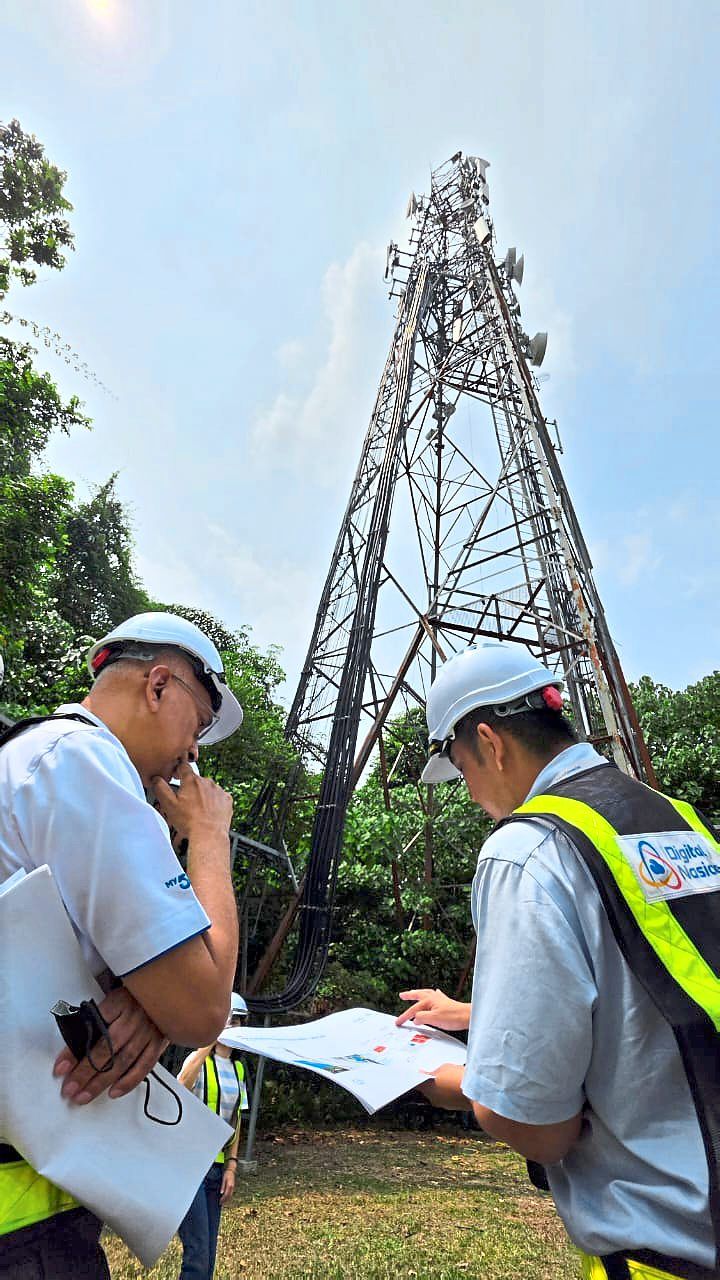
These applications are relevant for an economy closely connected to regional manufacturing and trade.
Better information about vehicles, goods and equipment can help businesses improve asset utilisation and respond more effectively to disruptions.
More reliable logistics can, in turn, help manufacturers and exporters meet delivery commitments and maintain production schedules.
Healthcare offers a further illustration of what advanced connectivity can enable. In December 2025, a prominent medical centre and a Mobile Network Operator conducted a live ear, nose and throat surgery demonstration using 5G, AI and extended reality.
It connected the operating theatre with medical students and specialists overseas and in Malaysia, supporting remote guidance and two-way clinical feedback.
The demonstration showed how expertise and professional learning could reach beyond a single institution.
Working with DNB, Ericsson has provided the 5G foundation for Malaysia’s AI cities, enabling local authorities to use real-time information to improve public services.
This connectivity supports smoother traffic flow and faster responses to incidents, while AI helps authorities identify infrastructure risks earlier and manage energy use more efficiently.
These capabilities are helping make Malaysian cities safer and more responsive to residents’ needs, improving access to government services and making better use of public resources.
For investors, these capabilities strengthen Malaysia’s appeal as a place to do business.
Businesses introducing automation or building regional operations need confidence in the infrastructure their systems will depend on.
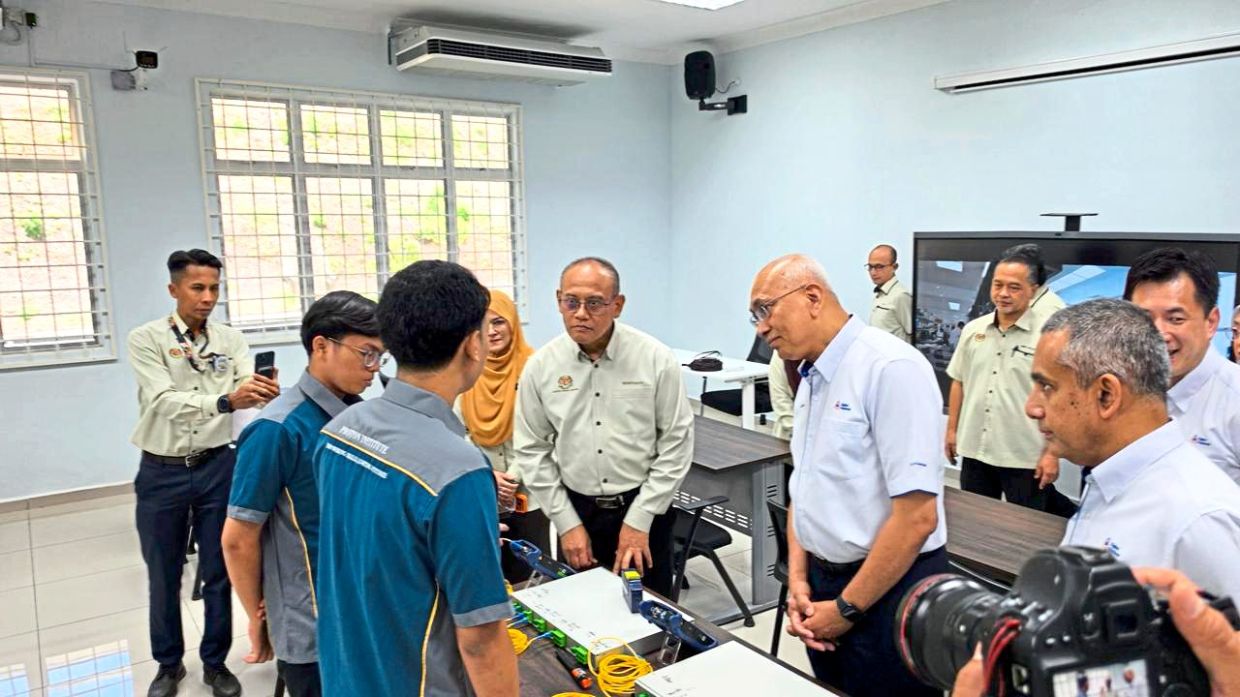
The advanced connectivity Malaysia offers enhances its attraction for manufacturing, technical talent and access to Asean markets.
Ericsson is also investing in Malaysia’s participation in the supply of technology.
Its first 5G equipment manufacturing facility in South-East Asia, established in Penang, strengthens the country’s position within the company’s global supply chain.
A regional distribution centre serving more than 20 Asia-Pacific countries gives Malaysia a further role in supporting markets beyond its borders.
Developing local knowledge is equally necessary. Ericsson’s collaborations with DNB, the Malaysia Digital Economy Corporation (MDEC) and Malaysian universities support the skills needed to use and sustain advanced digital infrastructure.
The DNB-Ericsson Educate initiative has also been extended to 40,000 municipal and government employees, broadening access to learning among the public institutions involved in Malaysia’s digital development.
For these investments in technology and people to reach more businesses, connectivity must perform where it is needed, including inside factories, warehouses and other premises.
Continued improvements in coverage and service quality remain essential. Operators and technology partners also need to make solutions easier to integrate into existing operations, with a clear commercial case and access to people who can implement them.
Malaysia’s dual 5G network framework is intended to encourage competition, investment and a wider choice of services.
The industry’s responsibility is to translate that policy direction into better connectivity and useful enterprise applications.
The government and the Malaysian Communications and Multimedia Commission (MCMC) can support this process by addressing adoption barriers, while targeted financing and skills programmes can help smaller businesses manage the initial costs of digitalisation.
Ericsson’s 5G delivery has given Malaysia a substantial platform for this work.
Its continued contribution lies in advancing the network, applying its technology with industry partners and developing the capabilities needed locally.
As more businesses put these resources to use, Malaysia can turn its 5G investment into higher productivity and a stronger position in regional value chains.


