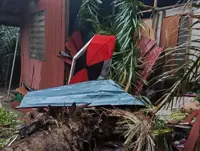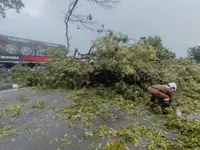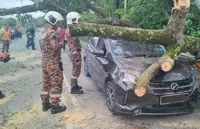
WHEN an urban roadside tree comes down, the immediate concern is safety. But removing trees too quickly can create another problem by leaving cities hotter and more vulnerable to flooding and other climate impacts.
Urban forestry, arboriculture and urban green spaces specialist Assoc Prof Dr Sreetheran Maruthaveeran says cities must view mature trees as defensive infrastructure against extreme temperatures, making retention a public health priority.
Over-reacting to falling incidents by clear-cutting roadside trees in “chop first, think later” measures instead of prioritising tree preservation worsens urban heat and micro-flooding, he says.
Sreetheran, who is from Universiti Putra Malaysia’s Faculty of Design and Architecture, suggests involving the public in tree maintenance through municipal apps that allow residents to report early signs of decay or damage, creating a crowdsourced monitoring network alongside regular council inspections.
Tree assessments should move beyond subjective visual checks, with standardised risk-rating systems and support measures such as cabling, bracing and careful crown thinning used where appropriate to extend a tree’s life, says Sreetheran.
“When a mature tree presents structural defects but holds high ecological or heritage value, alter the site conditions instead of felling the tree. This means re-routing pedestrian paths, eliminating parking bays directly beneath the drip line, or installing defensive barriers.”
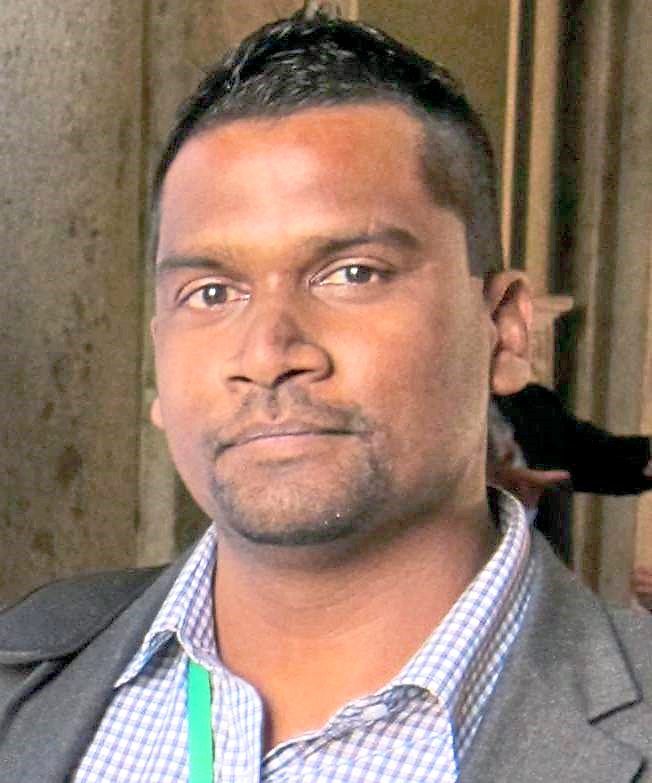
Clear legal definitions surrounding the duty of care for both local authorities and private landholders are needed to ensure timely risk mitigation, says Sreetheran. He also recommends clear criteria for tree removal, with felling considered only when structural or biological problems cannot be safely managed.
Reducing tree-fall
Despite existing urban management plans, tree-fall incidents continue. Incomplete digital inventories can make it harder for councils to monitor trees systematically, while utility and road works can damage roots and leave mature trees vulnerable to uprooting years later.
“Many local authorities outsource tree maintenance to general landscape or cleaning contractors who lack certified arborists to supervise the work. This results in improper practices like ‘topping’ and aggressive flush cuts that induce decay,” Sreetheran says.
Years of car-centric infrastructure development have also left many tree roots confined by asphalt and concrete, while soil compaction limits root growth.
As extreme weather intensifies, Sreetheran says Malaysian cities should strengthen tree preservation, protect root zones and increase arboricultural training while ensuring more work is supervised by certified arborists.
From reaction to prevention
Ahmad Azaruddin Mohd Noor, head of the Ecotourism and Urban Forestry Programme at the Forest Research Institute Malaysia (FRIM), says the risk of a tree failing cannot be judged by its age or size alone but is influenced by a combination of biological, structural, environmental, and human-induced factors.
He says tree removal should only be considered when a professional assessment finds that the risk cannot be reduced to an acceptable level through appropriate measures. This, he adds, would help prevent indiscriminate felling.
“Malaysia has made important progress in urban tree management through initiatives such as urban greening and tree planting programmes, urban tree inventories, and improvement of arboriculture practices.
“Some local authorities, especially in larger cities, are implementing tree risk assessment practices. However, there is still considerable room for improvement in shifting from a responsive approach to a preventive and long-term urban forest management strategy,” says Ahmad Azaruddin.
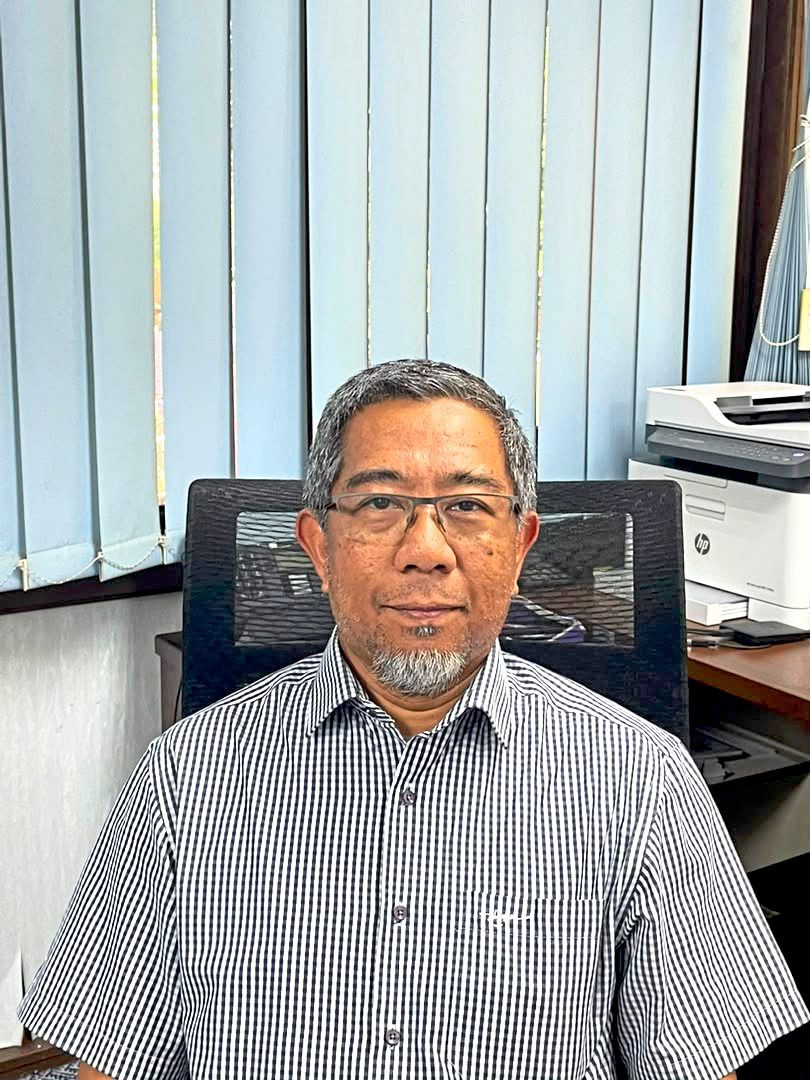
Local authorities, he says, should develop comprehensive urban tree management plans covering areas such as tree replacement, technical guidelines and standard operating procedures. These plans would provide a long-term framework for balancing public safety with the environmental, social and economic benefits of urban trees.
Such planning should also be aligned with national policies on urbanisation, landscaping, biodiversity and climate change, as well as local development plans.
“Ultimately, Malaysia should transition towards a more proactive urban forest management approach, where preventive maintenance, evidence-based decision-making, and long-term planning become standard practice,” says Ahmad Azaruddin.
He believes local authorities have an important role in advancing arboriculture in Malaysia and in enhancing the professionalism and competency of the country’s arborists. This could include creating dedicated arborist positions within councils and engaging certified arborists to advise on tree planning, risk assessment, maintenance and preservation.
Contractors carrying out tree work should also be required to employ or have access to a certified arborist, he says. This would help ensure tree assessments and maintenance work are carried out according to recognised arboricultural standards and best practices.
For Malaysia’s growing cities, the goal is to manage trees as a long-term public asset, protecting both people and the urban canopy they depend on.