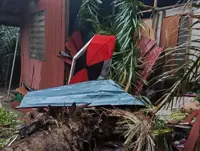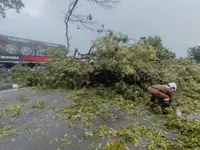
TREES make cities cooler, greener and more pleasant to live in. They provide shade, help clean the air, reduce soil erosion and create habitats for wildlife. For many, mature trees are also part of the character of the neighbourhoods they live in.
But when a tree falls unexpectedly, it can pose a serious risk to people and property.
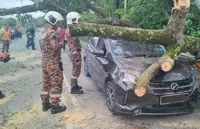
Just last month, a 43-year-old man died from severe injuries after a tree crushed his car along Jalan Tun Razak and left a family of seven, including two young children, requiring treatment.
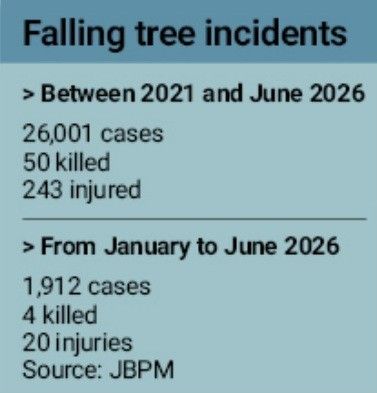
According to the Malaysian Fire and Rescue Department (JBPM), falling tree incidents claimed 50 lives and injured 243 people out of 26,001 nationwide cases recorded between 2021 and June this year.
In the first six months of this year alone, 1,912 incidents were recorded, resulting in four deaths and 20 injuries. The figures have prompted JBPM to call on local authorities and premises owners to conduct regular tree safety audits.
As climate change contributes to more extreme and unpredictable weather, there is an urgent need to revisit how trees are managed safely throughout their lifespan. The challenge is finding a practical balance between keeping people safe and giving urban trees the care and space they need to thrive.
Closing the implementation gap
The issue should not be framed as choosing between tree preservation and public safety because good urban tree management should be able to achieve both, says certified landscape architect and Assoc Prof Dr Putri Haryati Ibrahim from the International Islamic University Malaysia’s Department of Landscape Architecture.
Putri Haryati believes the most appropriate approach is to adopt “risk-based tree management practices”, involving regular inspection and assessment of tree conditions and surrounding site conditions, followed by appropriate intervention when necessary.
“I understand that public safety must remain a priority, particularly for trees located along roads, pedestrian areas, schools, and other high-use public spaces, but we must also educate the public that a large or old tree is not automatically dangerous,” she tells Sunday Star.
Typically, local authorities will regularly monitor and maintain trees, manage and provide treatment, and remove trees if risks cannot reasonably be mitigated. But despite local authorities having their respective urban tree management plans, tree-fall incidents continue to occur.
According to Putri Haryati, one likely reason is that some of the current tree management processes remain reactive rather than preventive, with action sometimes taken only after complaints or incidents rather than through systematic monitoring.
Putri Haryati also points to financial constraints as another gap, noting that local authorities are responsible for managing large numbers of trees across their jurisdictions. She adds that resources, trained personnel and technical capacity can vary considerably between authorities.
Ramping up SOPs
Developing a comprehensive tree Geographic Information System (GIS)-based urban forest inventory that is regularly updated could help coordinate efforts to better manage urban trees, says Putri Haryati. Such an inventory should contain information about each tree’s condition, maintenance history and risk assessment, she adds, noting that several local authorities currently have their own tree inventory systems that the public can view.
Coordination between agencies involved in land-use planning, landscape architecture, road and drainage engineering, utilities and maintenance activities is also critical. She notes that road upgrades, construction excavations, underground utility installations and changes in surface water runoff can all affect tree growth and longevity.
“I view this situation as more a potential policy implementation gap and not a lack of policy itself. Consistent monitoring, maintenance, data management, resources and cooperation among agencies will greatly improve management of the mature urban trees,” she says.
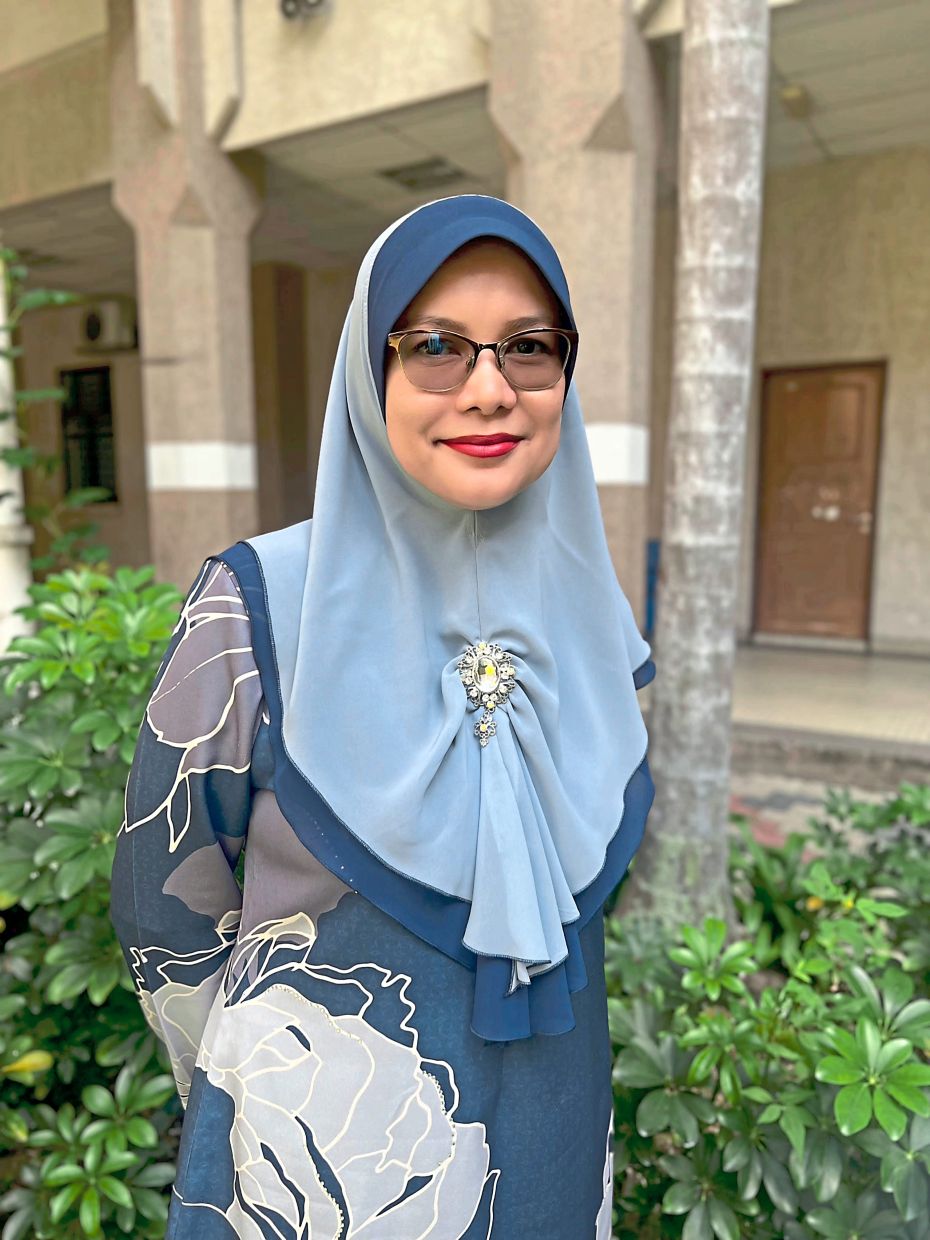
Putri Haryati recommends several measures to strengthen urban tree management, including adopting risk-based inspection schedules and integrating tree management into climate resilience planning.
She also emphasises the importance of providing adequate rooting space and soil volume when planning new developments, as well as diversifying tree species and age groups to build a more resilient urban forest.
Putri Haryati says the focus should shift from “preservation vs removal” to “how can we manage a tree throughout its entire lifecycle and ensure public safety”.
As she stresses, tree management should begin at the planning and design stages, including selecting the right tree for the right place, providing sufficient space for growth and ensuring proper maintenance.
Empowering laws
Malaysia already has the laws necessary to manage urban trees in place but there is a need to give them a stronger bite and strengthen implementation.
For example, the Town and Country Planning Act 1976 (Act 172) empowers local planning authorities to put in place tree preservation orders (TPO) to prohibit the felling of trees except with written permission and empowers local authorities to replace or plant new trees.
“Local authorities have had the powers for decades now but only a few states – which are Selan-gor, Perak and Melaka – have successfully adopted and enforced specific TPO rules under the TCPA. This must change and other states must be pushed to do more,” says Sahabat Alam Malaysia (SAM) president Meenakshi Raman.
Meenakshi explains that the slowness in enforcing TPO rules in other states appears to be due to development concerns and insufficient concern for tree protection and conservation.
Apart from having detailed guidelines on protecting and preserving trees, local planning authorities also need to have sufficient funds to employ enough certified arborists and urban foresters who specialise in the health, risk evaluation and preservation of trees, she says.
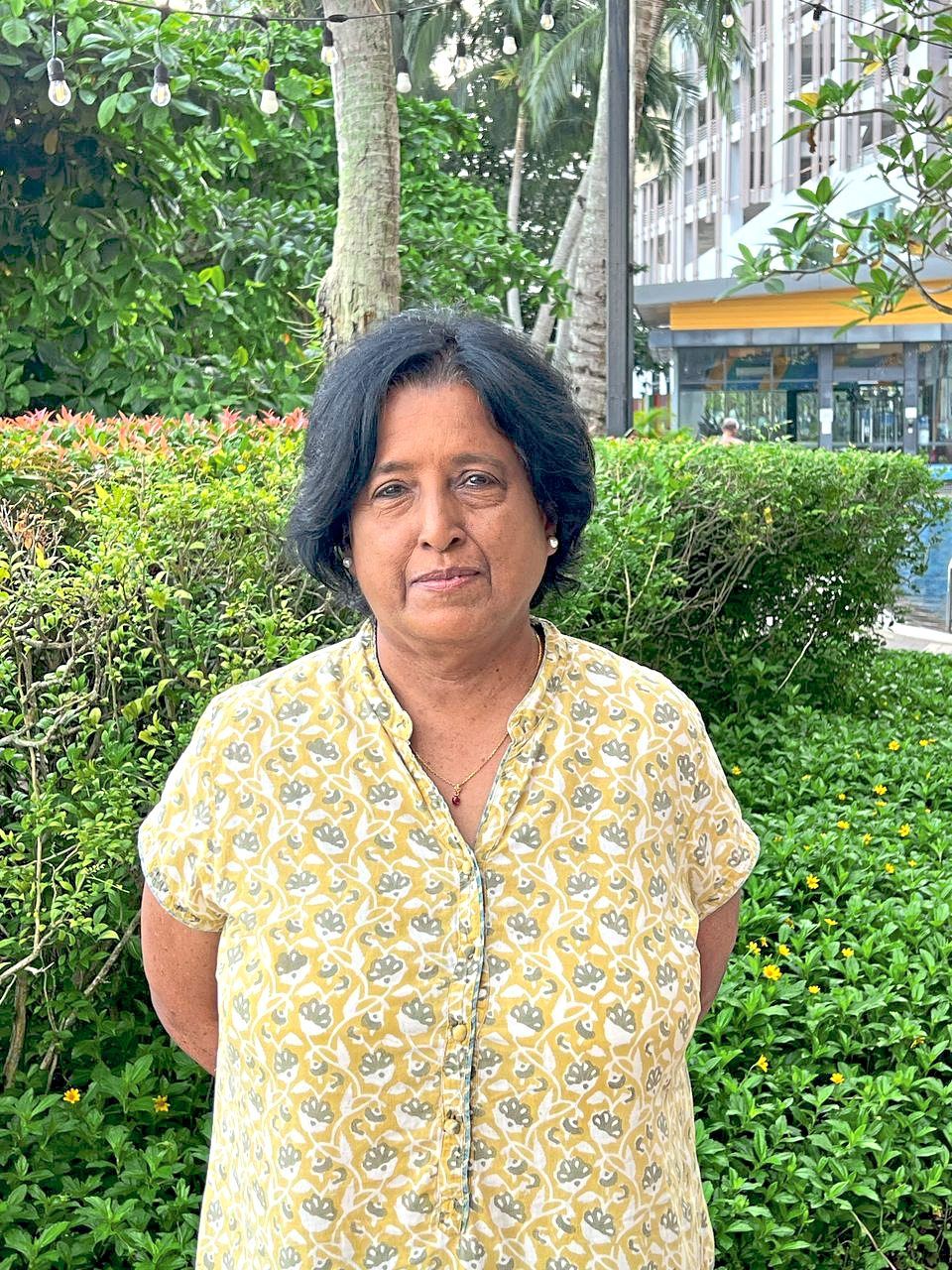
“They can check for internal decay, weak branches and root instability using specialised tools and can help in the management of health and treatment of the trees, as well as in pruning and tree maintenance,” she explains.
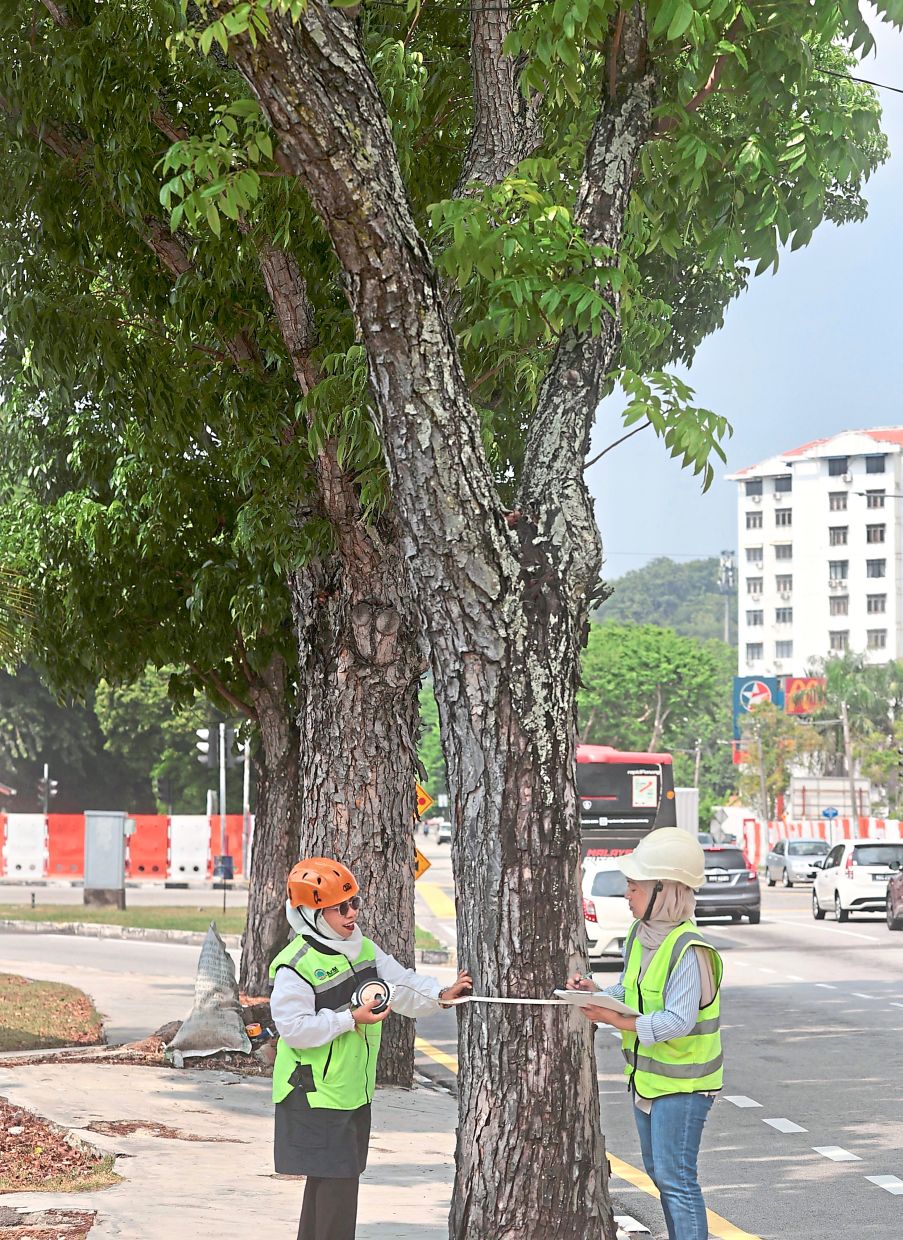
Malaysia currently has about 160 certified arborists according to the Malaysian Society of Arborists, highlighting a severe shortage relative to urban tree management demands.
Meenakshi adds that more can and must be done to address the environmental and social value of trees, especially as they are vital in countering the heat-
island effect in urban centres amid rising temperatures, and in influencing the micro-climate of an area. She also says there is a considerable need to educate planners and architects on climate change and how to adapt and increase resilience.
“Having more mature trees that exist on a piece of land must also be viewed as that land having more value, as less money will be needed for adaptation measures, which can be costly,” says Meenakshi.
Currently, a landowner can claim compensation from the local planning authority if they experience a depreciation in their land’s value due to a TPO.
“Trees and green lungs are nature’s air-conditioning and climate coolers. This has to be realised as their new value.
“They play an immense role in mitigating floods arising from intense rains and in creating ‘sponge’ cities.
“The aspect of public safety can be improved by having better management with tree experts, arborists and urban foresters.”