IT IS surprisingly easy to stop noticing the city we live in. We walk the same streets, pass the same buildings and settle into familiar routines until the city becomes little more than a backdrop to everyday life.
We know where to eat, how to get to work and where to meet friends, but rarely give ourselves a reason to look beyond that. The city, however, is never as familiar as we imagine. It is layered with histories, stories and possibilities that often remain hidden beneath the routines of everyday life. Sometimes, all it takes is an excuse to look again.
Over the month of May, KL Festival made Kuala Lumpur feel a little different. That is, of course, what any good festival hopes to achieve. Yet by the end of the month, I found myself wondering whether its greatest success also exposed one of the city’s greatest shortcomings.
Kuala Lumpur suddenly felt more open, more welcoming and more alive. But if it takes a festival to produce that feeling, then perhaps we are asking festivals to do work that cities should be doing themselves.
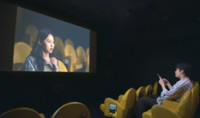
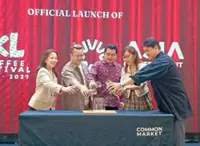
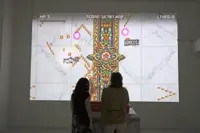
KL Festival brought theatre, dance, film, visual art, music and conversations into the city centre. What stayed was not any single performance, but the sense that the city itself had shifted.
Buildings that usually fade into the background became destinations. Queues formed for guided walks through streets and neighbourhoods that many participants had probably passed countless times without ever learning their stories. Temporary installations drew attention to overlooked lanes and familiar public spaces.
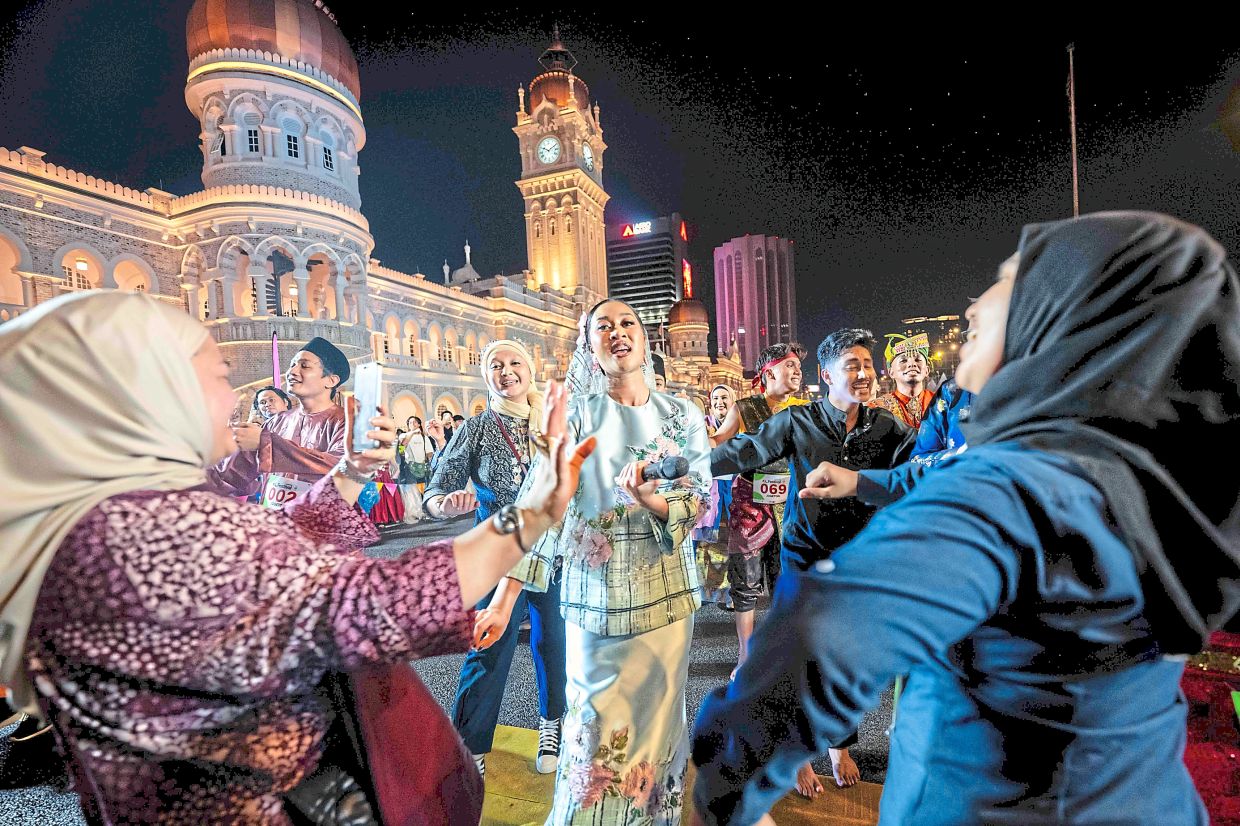
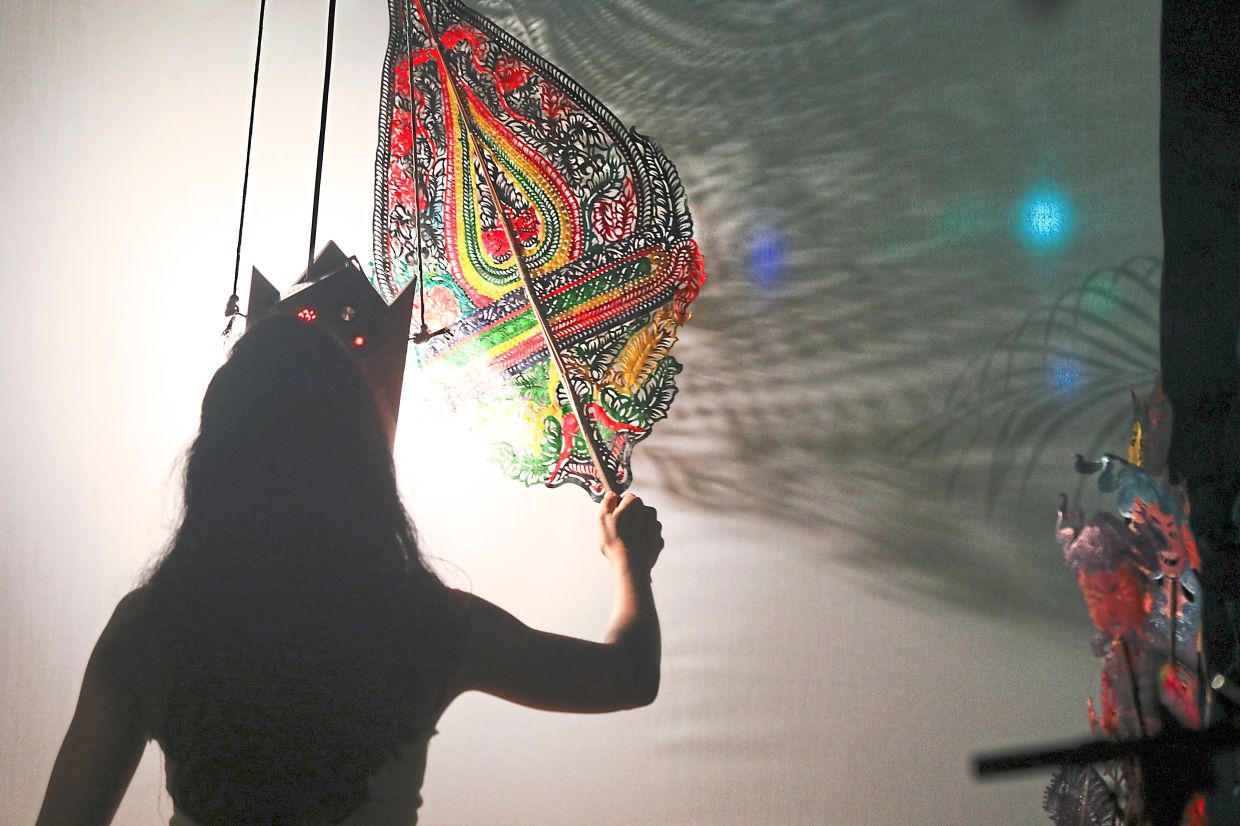
Performances wrestled with questions of history, memory and identity, while artists from around the region and beyond placed Kuala Lumpur within wider cultural conversations. For a month, the city invited people not simply to attend events, but to pay attention.
That, perhaps, was the festival’s greatest achievement. It reminded us that Kuala Lumpur is more than somewhere we work, shop or commute through. It is also a place to explore, even for those who have lived here their entire lives. The festival gave people permission to slow down, wander, look down and up, step into unfamiliar buildings and notice details that everyday routines often leave unseen.
None of this happened because the city itself had fundamentally changed. The buildings were already there. The streets were already there. The stories were already there. What changed was our relationship with them.
Urban planners often talk about activating spaces, but perhaps people have always been ready to do so. What the festival demonstrated was not that Kuala Lumpur lacks interesting buildings, streets or public spaces.
Rather, it showed how rarely we are invited to use them in ways that go beyond commuting, shopping or working. The city did not suddenly become interesting for a month. It simply gave us more reasons to engage with what was already there.
Even parts of the city that often feel dormant outside office hours took on a different life. Buildings that are usually empty welcomed visitors again. Streets that many normally hurried through became places to linger. It was a reminder that places do not become lively simply because of their architecture, but because people are given reasons to inhabit them differently.
This is where the festival also leaves us with a challenge. Its success should certainly be celebrated. But it should also prompt us to ask why these experiences remain exceptional. One of the most encouraging aspects of the programme was that many of its highlights demanded curiosity rather than consumption. Guided walks invited people to rediscover familiar places.
Performances revisited histories and identities that continue to shape the country. Environmental programmes encouraged participants to see the Klang River and the city’s ecology with fresh eyes. International artists did not overshadow local stories but placed them in conversation with wider regional and global perspectives.
There is an important difference between consuming a city and being curious about it. Consumption is about arriving at a destination, buying a ticket, having a meal or taking a photograph before moving on.
Curiosity asks us to slow down, to notice a building we have walked past for years, to wonder why a neighbourhood looks the way it does, and to hear stories that complicate familiar histories.
What impressed me about the festival was not simply that it attracted large crowds, but that so many people were willing to embrace this slower way of experiencing the city.
The enthusiastic response to these programmes challenges a common assumption about Kuala Lumpur.
We, especially planners and developers, often assume that people are only interested in shopping, dining or entertainment. Yet the festival suggested something else.
Given the opportunity, many people are equally eager to learn about the city’s history, environment and communities. They are willing to spend an afternoon walking through streets they thought they already knew, or watching performances that ask difficult questions rather than offering easy answers.
This matters because the qualities that drew people into the city during the festival were not extraordinary. They were, in many ways, the qualities of a good city: the opportunity to walk without rushing, to stumble upon something unexpected, to learn about a place, to encounter different ideas, and to share public spaces with strangers.
These are not experiences that should depend on a festival calendar. They are part of what makes a city feel open, generous and worth returning to. When they become occasional events rather than everyday possibilities, we risk treating urban life itself as something that has to be programmed. That is perhaps the most valuable lesson the festival offers. Too often, we think about festivals as ways of bringing life into the city. But perhaps they are better understood as revealing the life that the city is already capable of supporting.
The danger is that festivals become substitutes for the slower, less visible work of making cities interesting every day. It becomes easy to measure success by attendance figures, social media engagement or the number of events organised, while overlooking a more fundamental question: why should curiosity about the city itself be confined to a festival programme?
A guided walk should not be the only reason to discover a neighbourhood’s history. A temporary installation should not be the only occasion that encourages us to stop in an overlooked lane. Buildings should not only become welcoming and animated when they host a festival event. If these experiences disappear once the festival ends, then perhaps we have mistaken programming for urban life.
The real success of KL Festival lies in showing that people want more from Kuala Lumpur than somewhere to pass through on their way to work or the shopping mall. They want a city that rewards curiosity. A city where history, culture, architecture and everyday life are not hidden in plain sight until a festival arrives to reveal them.
Perhaps we have been asking the wrong question. Instead of asking how to make KL Festival bigger every year, we should ask what it would take for Kuala Lumpur to feel just as welcoming, curious and alive on an ordinary day.
Badrul Hisham Ismail is an independent researcher and a Senior Fellow at the Atlantic Fellows for Social and Economic Equity (AFSEE). He is also a co-founder of IMAN Research, a think tank studying society, religion and politics. The views expressed here are solely the writer’s own.
Arts and culture in the city
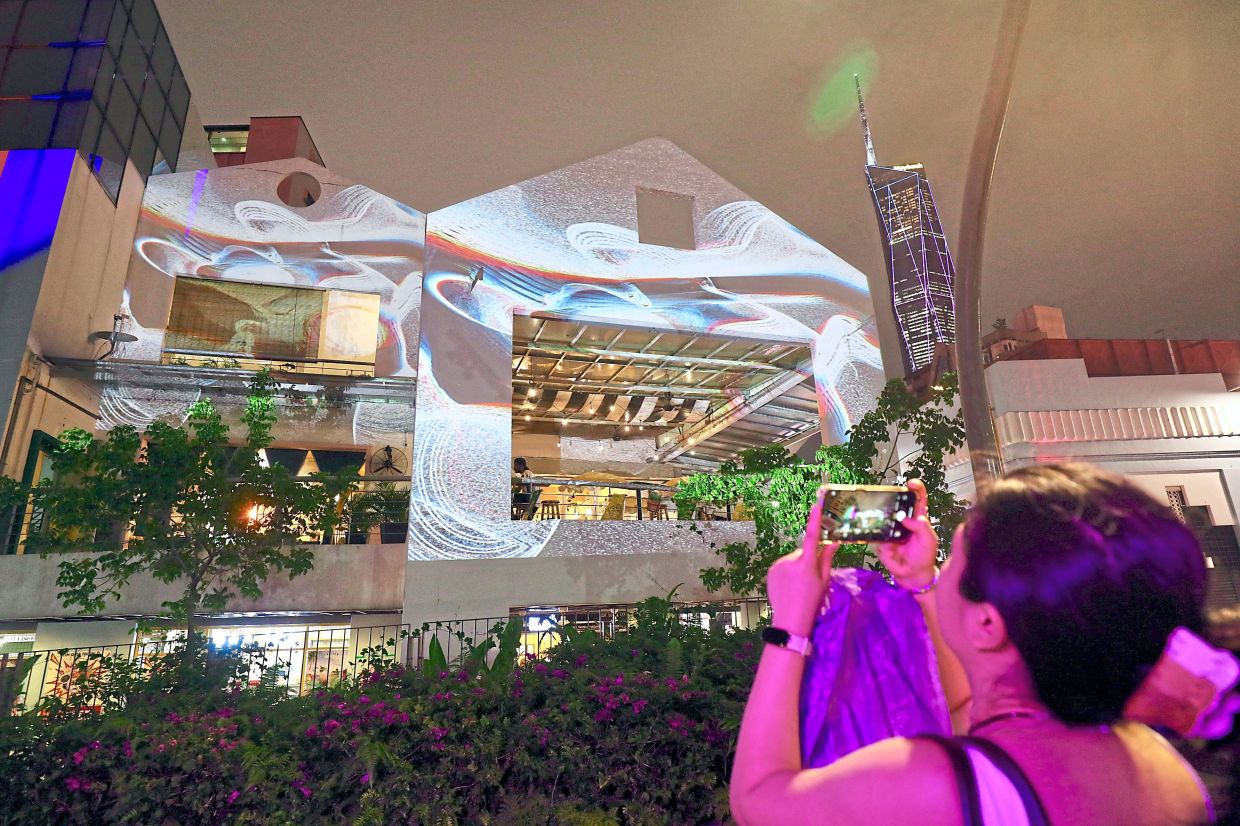
Over the month of May, KL Festival made Kuala Lumpur feel a little different. — LEONG WAI YEE/The Star
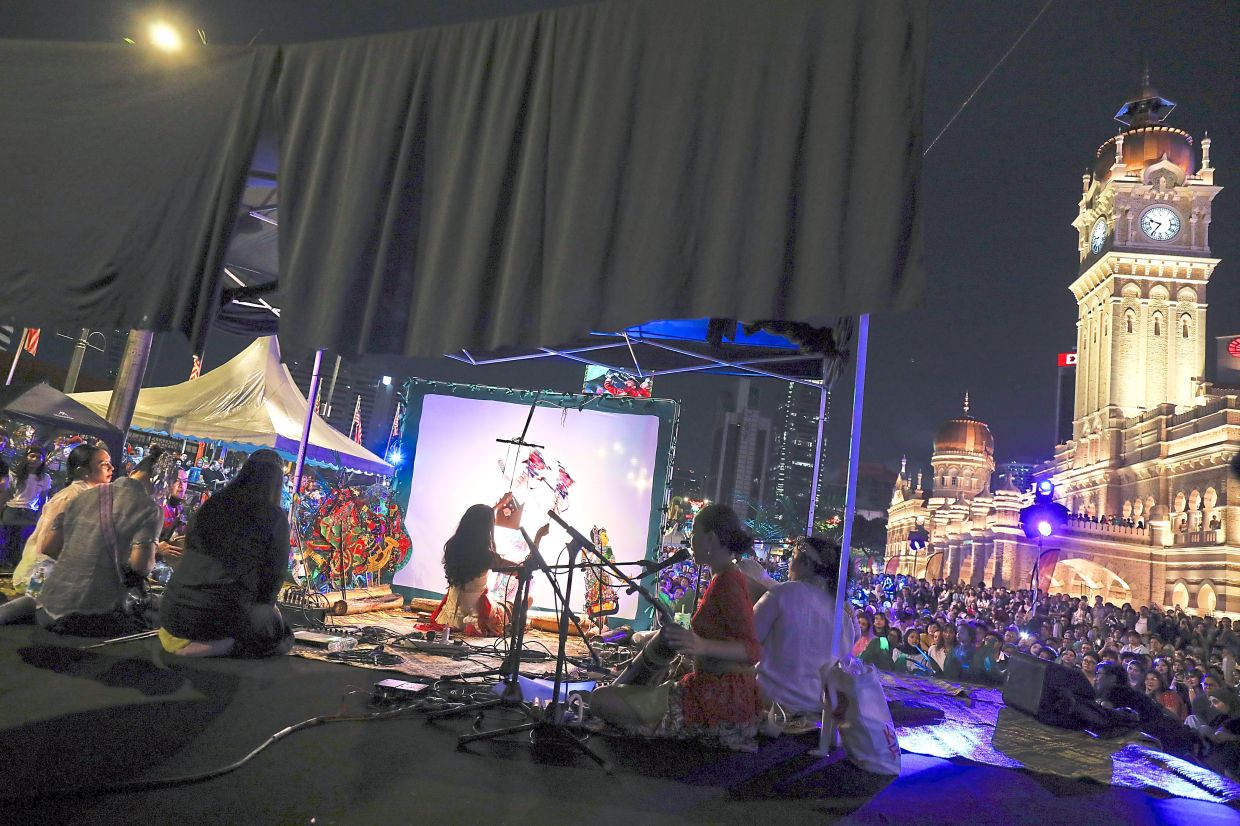
Wayang Women enthralling the crowd at Dataran Merdeka with their contemporary wayang kulit show during the KL Festival. — LEONG WAI YEE/The Star
Performances wrestled with questions of history, memory and identity, while artists from around the region and beyond placed Kuala Lumpur within wider cultural conversations. — LEONG WAI YEE/The Star