
WHEN a child bullies another child, who is held responsible for the harm caused?
Malaysia’s Anti-Bullying Act 2026 attempts to address that question by introducing the concept of shared family responsibility, allowing parents or guardians to be held jointly accountable in certain circumstances for bullying committed by their children.
The move marks a shift in how bullying is addressed, recognising that preventing harm may require responsibility beyond the child who carries out the act.
However, legal experts caution that while parental accountability can encourage greater involvement, it must be applied carefully as bullying is shaped by multiple influences, including family relationships, peer groups, school environments, and online interactions.
Improving accountability
For Assoc Prof Dr Nadzriah Ahmad, chairperson of Universiti Teknologi Mara’s Child Law Centre, the provision can encourage parents to take a more active role in understanding and monitoring their children’s behaviour.
“Since Section 3 of the Anti-Bully Act 2026 defines bullying to include any bullying act committed through electronic or digital communication, parents need to be consciously aware of their children’s online activities and whether such exposure is harmful to them or otherwise,” she says in an e-mail interview with Sunday Star.
She says the provision may also encourage parents to become more engaged with their children’s daily lives and more alert to changes in their behaviour.
Parental liability may also help victims obtain compensation and support their recovery. However, Nadzriah cautions that legal responsibility alone is insufficient, as preventing bullying requires a broader approach.
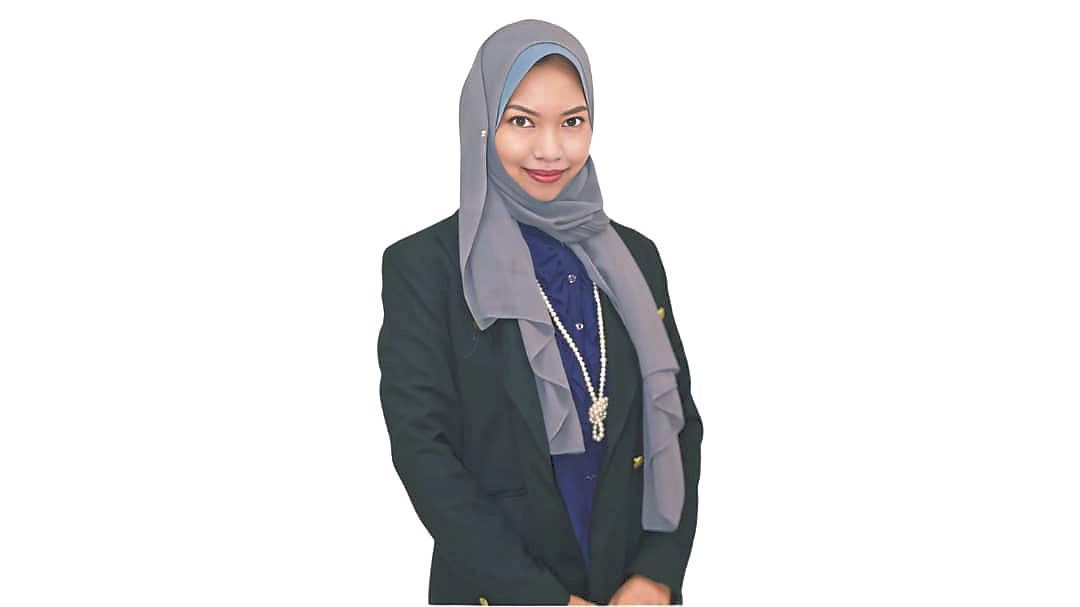
She calls for close cooperation between parents or guardians and educational institutions to ensure the continuation of care beyond homes and effective prevention of bullying.
Legal challenges
The Anti-Bullying Act 2026 establishes a tribunal that has the power to issue orders against those responsible for bullying, including children and their parents or guardians. Failure to comply with these orders may result in criminal penalties under Section 44 of the Act, including a fine, imprisonment, or both.
However, Nadzriah points out that bullying is often influenced by a combination of factors such as peer pressure, a child’s personality, the school environment, and exposure to social and mainstream media.
Because of this, she says it may be difficult to establish that a parent’s failure to supervise their child directly contributed to the bullying.
“The issue is even more pressing when parents have undertaken a genuine effort in exercising parental control, yet their children still commit the act of bullying due to other external factors,” she says.
Public awareness is key
Even with stronger legal provisions, Nadzriah stresses that public awareness will be just as important.
Children, parents, and educators need to understand both the consequences of bullying and the protections available under the new law, she says. Victims should also know that they do not have to suffer in silence, as the Act provides child-sensitive avenues for reporting bullying and seeking redress.
According to Nadzriah, the tribunal should be viewed as only one part of a broader response. Long-term change will depend on families, schools, and communities working together to improve awareness and strengthen prevention efforts, while ensuring counselling, rehabilitation, and support are available for both victims and children who bully others.
Not a complete solution
Criminologist and senior lecturer at Universiti Malaya’s Faculty of Law Dr Haezreena Begum Abdul Hamid believes that parental or guardian liability has value in encouraging parents to take bullying more seriously and to be more actively involved in their children’s behaviour.
“It sends an important message that bullying is not simply a normal part of growing up but can cause significant harm to victims. In some cases, the possibility of legal responsibility may encourage parents to intervene earlier when warning signs emerge,” she says.
Nevertheless, she also cautions that parental liability is not a complete solution.
“Bullying is a complex behaviour influenced by a range of factors, including family relationships, peer groups, school culture, social media, and broader societal influences.
“While parents undoubtedly play an important role, they are not the only influence on a child’s behaviour. Any discussion of parental liability should therefore be part of a broader strategy that includes prevention, education, early intervention, and support,” she says.
She also agrees that such a law may encourage parents to become more engaged in their children’s lives, pay closer attention to behavioural issues, and work more closely with schools when problems arise. In some cases, the prospect of legal accountability may motivate parents to seek professional help or support services for their children.
Collective responsibility
However, Haezreena warns against placing too much responsibility on parents alone.
Many parents work long or irregular hours and juggle multiple responsibilities, making constant supervision unrealistic, particularly in cases of cyberbullying when harmful behaviour may take place through private messaging apps, online gaming platforms, or anonymous social media accounts that parents have little visibility over.
“There is also a risk that such measures may disproportionately affect families who are already facing financial or social challenges, without necessarily addressing the root causes of bullying,” she says.
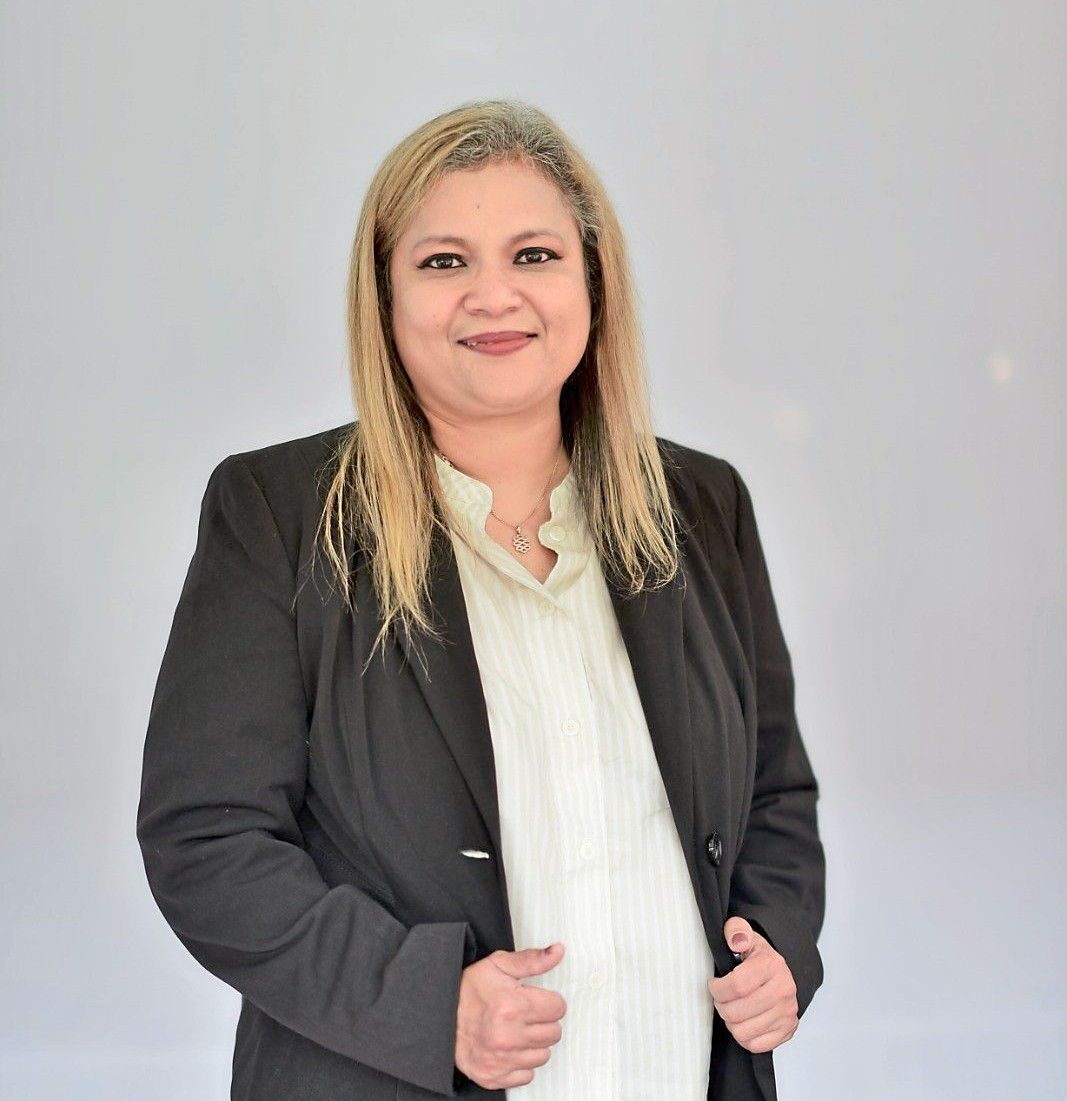
Haezreena also warns that parents may become reluctant to seek help or report concerns if they fear legal consequences.
Responsibility for preventing bullying, she says, should not fall only on parents, as schools, communities, digital platforms, and other stakeholders also have important roles to play.
Haezreena adds that some children who bully may themselves be struggling with trauma, abuse, neglect, mental health issues, or other adverse childhood experiences. Focusing only on punishment risks overlooking these underlying issues and the support these children may need.
“Bullying is rarely the result of a single factor, and it would be overly simplistic to assume that parents are solely responsible for a child’s behaviour,” she says. “Children are influenced by their peers, school environment, online interactions, and wider social influences.”
Ultimately, Haezreena says parental accountability should be viewed as one part of a wider effort to address bullying, alongside education, prevention, early intervention, and support for children, families, and schools.