CARE has long been treated as something that happens quietly within homes and is rarely counted in economic terms. But as Malaysia’s population ages and more families rely on dual incomes, that model is becoming harder to sustain.
The Malaysia Care Strategic Framework and Action Plan 2026-2030 marks a significant shift towards recognising care not only as a social necessity but also as a key driver of inclusive development.
For years, care work – especially unpaid care carried out by women – has remained invisible in policy and economic planning, says Women’s Aid Organisation executive director Nazreen Nizam.
As demand for care grows, she says, stronger systems will be needed not only for social protection but also to sustain workforce participation and economic resilience.
A key focus should be recognising, reducing, and redistributing unpaid care work.
“Investments in accessible childcare, eldercare, and community-based services can help ease the disproportionate burden on women and support their participation in the workforce,” Nazreen says.
She adds that labour protections for care workers, including domestic workers and those in informal roles, must also be strengthened to ensure fair, dignified, and safe working conditions.

At present, Malaysia’s care ecosystem is spread across multiple ministries and agencies, which can lead to gaps in coordination. Clearer governance, measurable targets and consistent monitoring will be important to ensure policies are carried through.
Nazreen also stresses that reforms should benefit those who carry the heaviest responsibilities, including low-income households, informal caregivers, migrant care workers, and families caring for older persons or persons with disabilities.
Moving forward, she says Malaysia will need to invest more in care infrastructure, including affordable childcare, eldercare services, and support for caregivers.
Expanding social protection measures such as flexible work arrangements and caregiver support programmes would also help sustain families and communities. In addition, improving data collection on unpaid care work is essential to better inform policies and ensure that care responsibilities are more equitably shared across society.
“Building a sustainable care ecosystem requires shifting how society understands care. Care should not be treated solely as a private responsibility borne within households, but as a shared societal responsibility supported by public policy, services, and fair labour standards,” says Nazreen.
“When care systems are properly supported, the benefits extend far beyond families – they will strengthen workforce participation and contribute to healthier and more resilient communities.”
The future of care
The framework sets out to position care as a professional sector, covering childcare, disability care and aged care, with stronger standards, regulations, and a skilled workforce. According to United Nations Children’s Fund (Unicef) Malaysia, these efforts could improve both the availability and quality of services across the country.
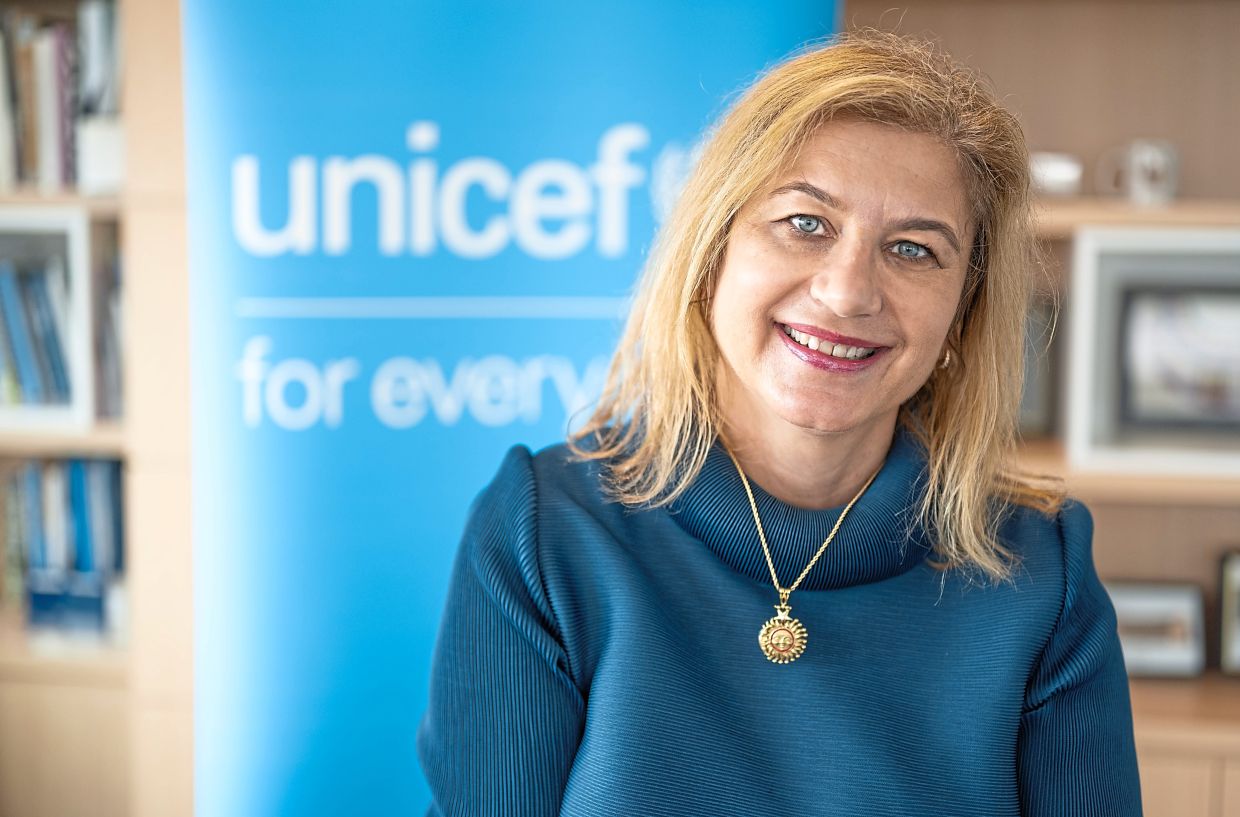
Its focus on community-based and intergenerational approaches is especially relevant, says Unicef Malaysia deputy representative Sanja Saranovic.
“Childcare needs are shaped by family structure, employment patterns, disability status, and geographic location,” she says, explaining that services that are based within communities tend to be more responsive and personalised, while intergenerational approaches recognise the importance of support across different stages of life.
Access and quality of care services remain closely linked to women’s participation in the workforce.
According to Unicef, an estimated 3.2 million Malaysians, 98% of them women, have reduced working hours or left the labour force due to care responsibilities. Studies also show that women spend three times more time on unpaid care work than men.
“Expanding and diversifying childcare options can help ease this burden by enabling more women to remain in the workforce while ensuring stronger investments in children’s early development,” says Saranovic.
She notes that Malaysia is still at an early stage in building a comprehensive care system, and that stronger data will be needed to guide policy decisions. This is why the plan’s focus on investing in data is important.
At present, there is limited nationally representative data on how care responsibilities are distributed within households. This makes it harder to fully assess the impact on women’s employment and education, as well as on young children during their early years.
Saranovic says the framework could also be strengthened by taking local conditions into account, including through urban planning.
This could involve embedding childcare services within different housing types, ensuring they are accessible to different socioeconomic groups, and locating them near essential services such as healthcare and shops.
In the longer term, she says additional social protection measures could help families manage the cost of care.
“Malaysia already has initiatives such as i-Suri and i-Sayang under the Employee’s Provident Fund and the Housewives Social Security Scheme administered by the Social Security Organisation. Expanding the reach and adequacy of these mechanisms could provide greater support for caregivers, particularly women,” she says.
Any additional measures should be sensitive to diverse family circumstances, especially for families with persons with disabilities, and single-parent households.
Further efforts can include programmes encouraging greater involvement of men in caregiving, as well as diversifying the care workforce.
Unicef worked closely with the government, alongside other partners, in supporting the development of the framework by contributing technical inputs and global evidence on the importance of quality care and early childhood development.