GRUFF, buff and up to snuff.
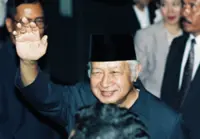
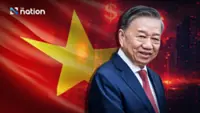
These are the usual projections of political strongmen; whether it’s Donald Trump raising his fist after surviving an assassination attempt, Xi Jinping’s pensive stares during high-level meetings, or the meme-worthy image of a shirtless Vladimir Putin riding a horse through snow, these portrayals resonate as symbols of no-nonsense leadership.
In the 21st century, a time once envisioned as an era of modern, forgiving politics, strongman rule – a term often synonymous with authoritarianism – continues to resurge globally.
In fact, these archetypes of authoritarian leaders are very much at home today as they present themselves as the ultimate champions of the people, leveraging nationalistic fervour and promises of stability.
“Strongman politics always refers to how authoritarian ruling curtails democratic institutions, practices and structures. A consequence of unchecked power, so to speak.
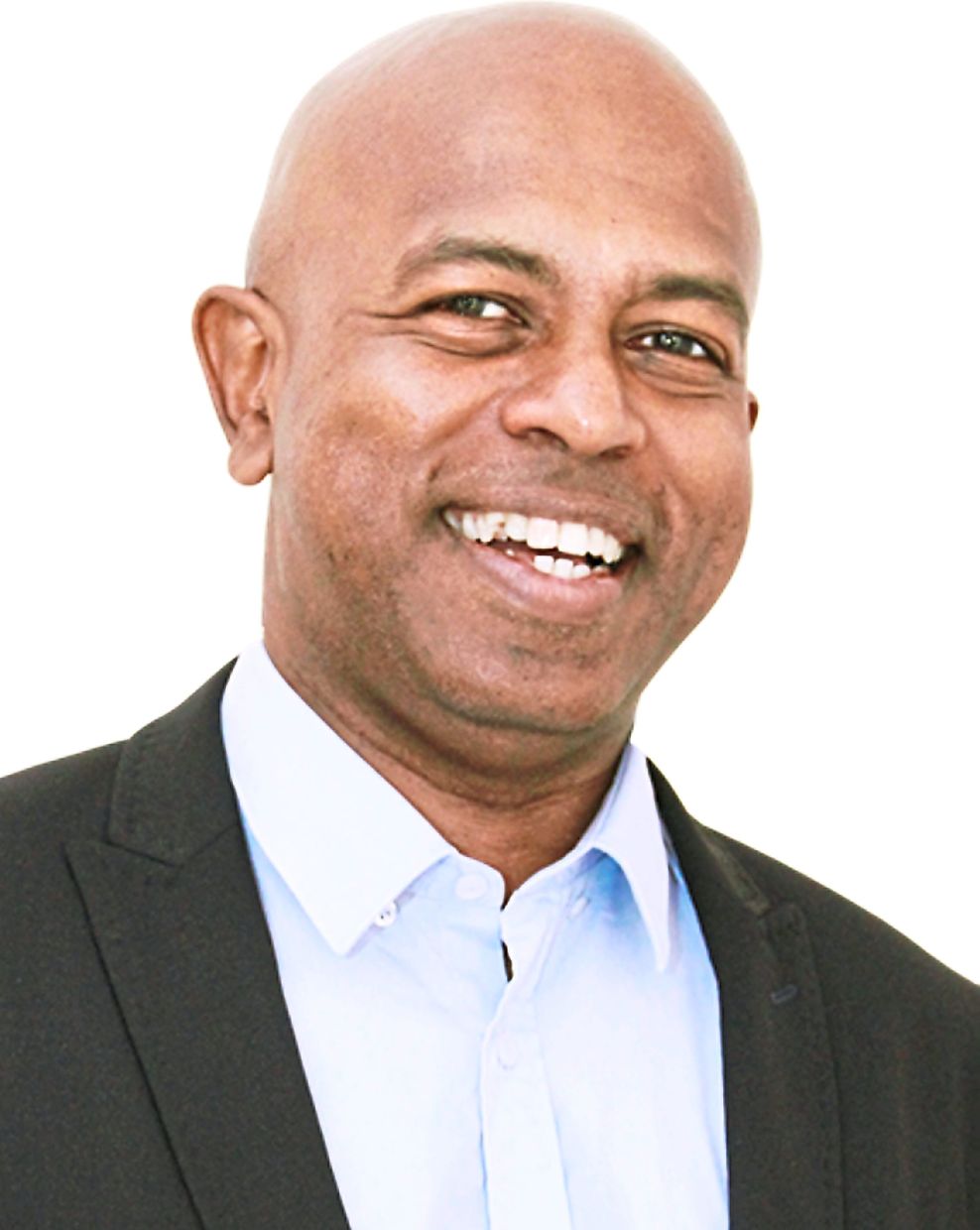
“But globalisation, nationalism and inequality could be some of the push-and-pull factors contributing to the resurgence of political strongmen,” says political analyst Prof Datuk Dr Sivamurugan Pandian.
Consequently, how will their dynamics impact global politics and are such leaders in Asia prepared for the Western resurgence?
Asian tigers
Asia, including South-East Asia, is not a stranger to strongman politics and, historically, has been more than ready to rattle foreign politics.
Closer to home, in Malaysia Tun Dr Mahathir Mohamad has long been known as a political strongman as he moved the country into industrialisation, bent on turning Malaysia into an “Asian Tiger”.
He too, was a no-nonsense leader who time and again served Western leaders with caustic remarks to showcase the stance of Asian pride and grit.
Analyst Asrul Hadi Abdullah Sani, an associate vice-president at The Asia Group consultancy, highlights a perspective that strongmen are perceived as crucial to the stability and development of certain countries because, in many cases, they are seen as the only viable solution to a country’s problems.
“This perspective is based on the belief that authoritarian leadership provides stability in a politically volatile environment, allowing the government to implement long-term economic strategies and maintain consistent leadership, which in turn attracts foreign investment.
“However, the absence of democratic competition can lead to a political system that fosters nepotism, creates an unfavourable market environment and ultimately erodes the country’s institutions.”
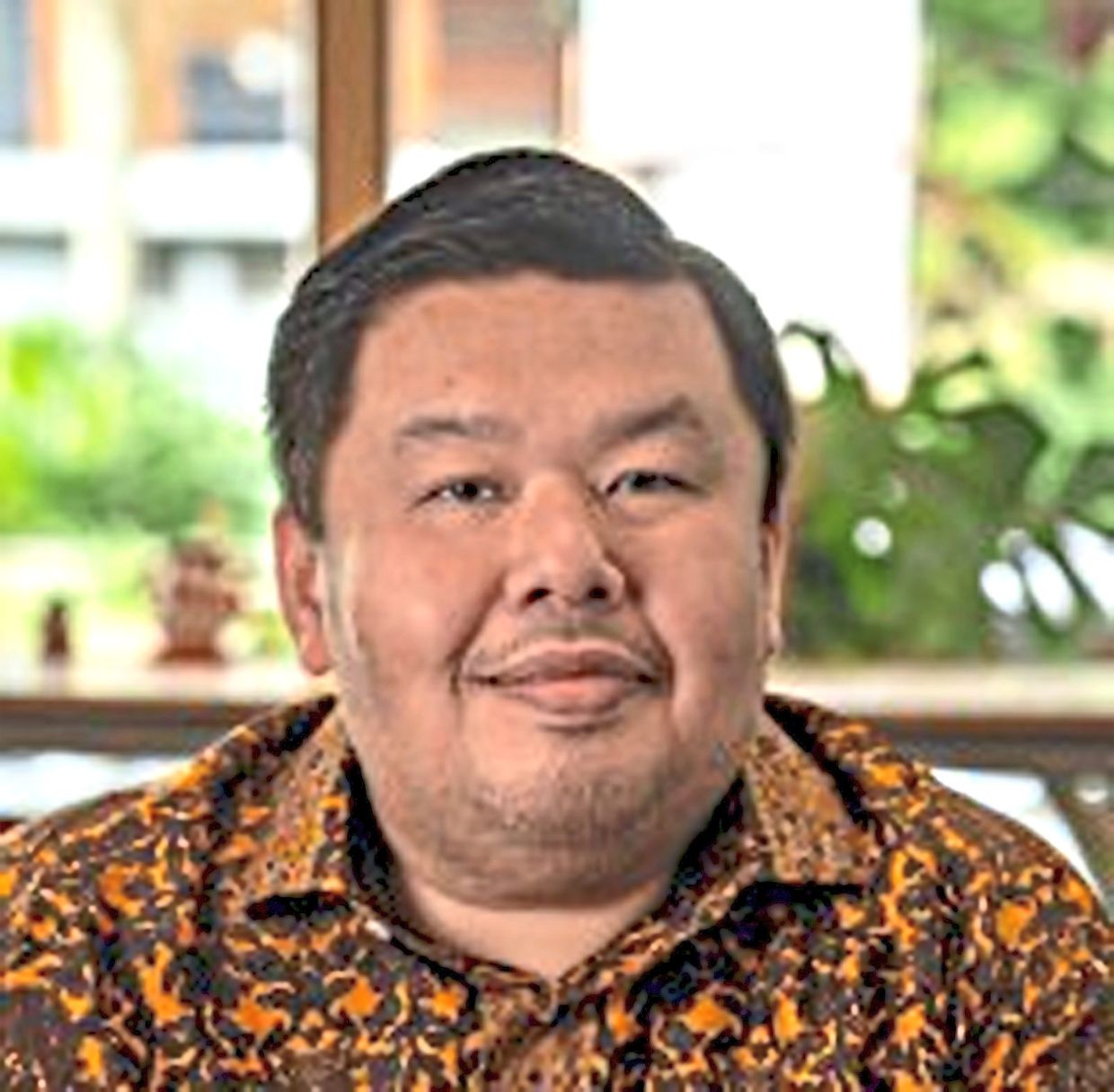
He draws parallels with Dr Mahathir during his early years as prime minister.
“This was true of Dr Mahathir during his initial term as prime minister. While many admired his efforts to transform Malaysia into an Asian Tiger marked by robust economic growth, critics have consistently questioned the social, economic and political costs associated with such development.”
Today, South-East Asia is still home to strongmen leaders who are on a resurgence in the region.
Nationalist sentiments and economic crises play a key role in their return, says Universiti Malaya analyst Prof Datuk Dr Awang Azman Awang Pawi, as seen in the rise of a military figure like Prabowo Subianto in Indonesia and Ferdinand “Bongbong” Marcos Jr, whose family was tainted by corruption scandals in the Philippines.
“Persistent economic crises and growing wealth gaps create fertile ground for strongmen, who often promise rapid economic reforms and stability.
“A rise in nationalist sentiment and a desire for leaders who assert national sovereignty in a globalised world play a role,” Awang Azman says.
That said, playing a role in a globalised world requires a new playbook.
For instance, there have been earlier reports highlighting Probowo’s new approach to opportunities in military exercises and industry by cosying up to both the US and China in hopes that Indonesia will not be squished between the superpowers’ rivalry.
Asean soft power
But a political strongman does not have to fit the usual mould. Malaysian Prime Minister Datuk Seri Anwar Ibrahim’s leadership, according to Awang Azman, can be seen as a redefinition of strongman politics where coercion and populism are replaced by persuasion, coalition-building and moral authority – centrepieces of Asean leadership.
Malaysia was Asean Chair last year.
“Anwar represents a contrast to traditional strongmen through his reliance on soft power and religious diplomacy.
“Unlike Prabowo or Bongbong, who rely on nationalistic rhetoric and strong-arm tactics, Anwar emphasises dialogue and multilateralism. His ability to navigate coalition politics and manage Malaysia’s diverse demographics demonstrates a different form of political strength.
“This may represent a more sustainable and globally-accepted form of strong leadership,” Awang Azman says.
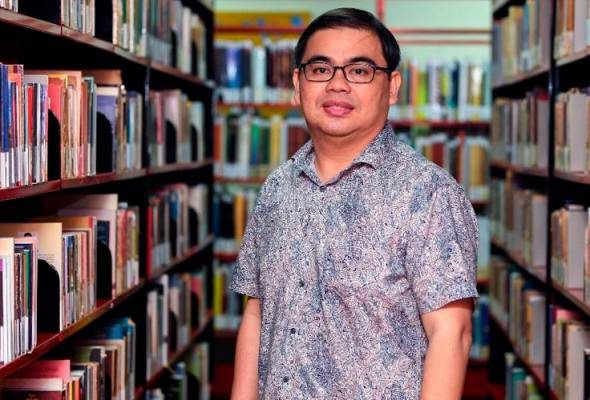
For Sivamurugan, Anwar’s approach is tailored to fit into the contemporary political arena.
“Soft power is used to attract more followers and support from within his own party or outsiders as well as in order to build trust and confidence in his stewardship.
“With social media becoming the main interaction tool, traditional means will slowly fade away as a tool to keep control.
“Anwar’s strength focuses on clashing of ideas or thoughts in order to attract the younger generation.”
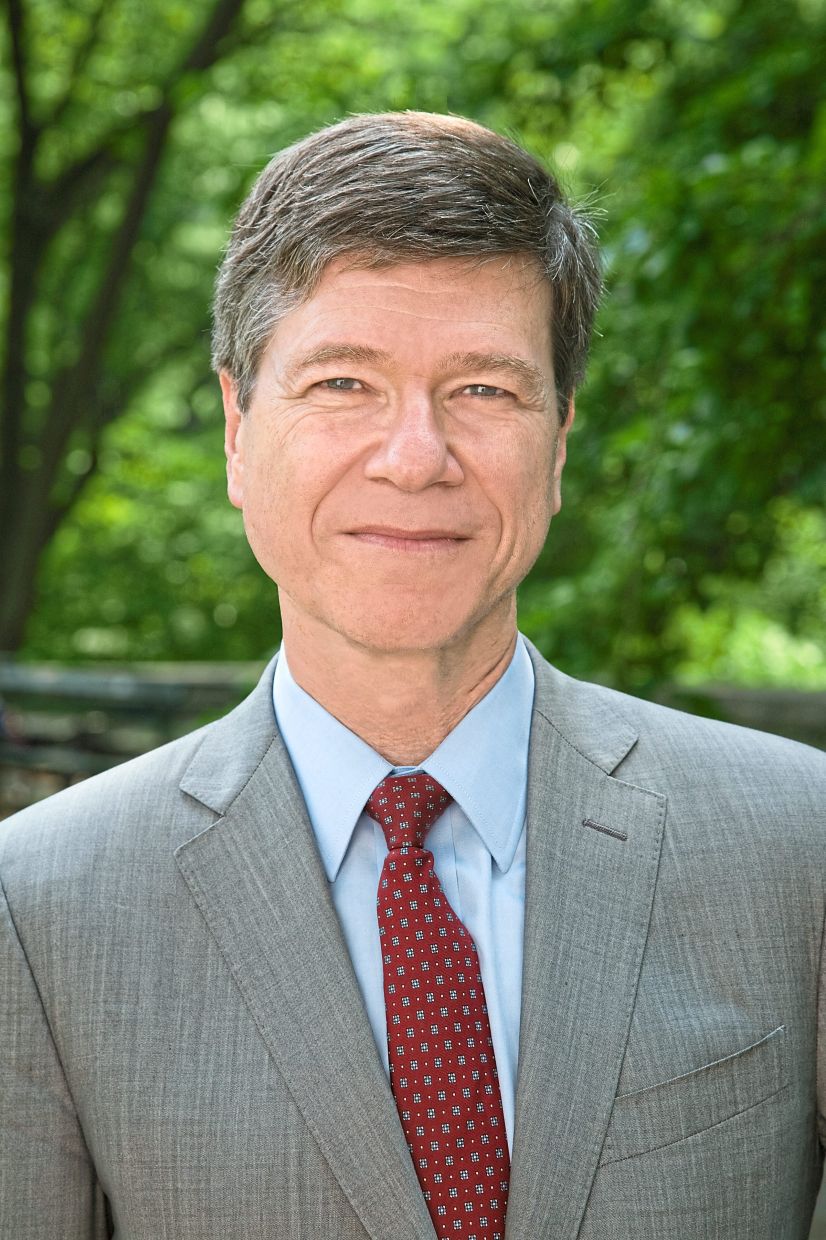
However, American economist and public policy analyst Prof Jeffrey D. Sachs, told the Sunday Star when he was last in town that Anwar’s approach is “appropriate politics” instead of strongman politics.
“And it’s what we should have. The US abandoned diplomacy already 25 years ago, because the US said, well, we’re so strong, we do what we want, we tell other people to do what we want them to do, and we don’t have to negotiate.”
Strong impact?
And while not all of these strongmen-type leaders wholly subscribe to the traditional roles of the archetype, there remains a concern: What are the potential long-term impacts of the resurgence of political strongmen for global democracy and international relations?
Asrul says it may reshape traditional alliances and influence both bilateral ties and multilateral collaborations.
He outlines an example of the complex relationship between superpowers and the potential economic impact brought by strongmen policies.
“While Malaysia and Indonesia aim to bolster their relationship with China through BRICS membership, their Asean ally, the Philippines, has provoked China with its intention to purchase the American Typhon missile system.
“As a result, collective diplomacy may be overshadowed by the assertive foreign policies of strongmen leaders.”
Undoubtedly, there is a lack of clarity in terms of relationships between superpowers led by political strongmen.
“Well, I think the main issue is not strongmen per se, but we went from a so-called Western-led world to a US-led world, although now we’re in a multipolar world. The US still thinks it should be the leader of the world.
“But China and Russia and many other places have said no, thank you. And so this is the main problem right now, which is we don’t have any kind of clarity on relations among the major powers.”
He points out that international problems with strongmen revolve around conflict and war.
“This is our biggest risk right now, that the lead powers of the world, which are the United States, China and Russia.
“The US has been on very bad terms with Russia and with China. To my mind, that goes a long way to explaining the dangers in the world right now.”