
MODERN politics has also elevated women as strong leaders, from Margaret Thatcher to Megawati Sukarnoputri in the past.
Today, Italian Prime Minister Giorgia Meloni is now counted among Europe’s most influential figures, with her uncompromising stance on migration and sovereignty cementing her reputation as Italy’s “alpha” leader.
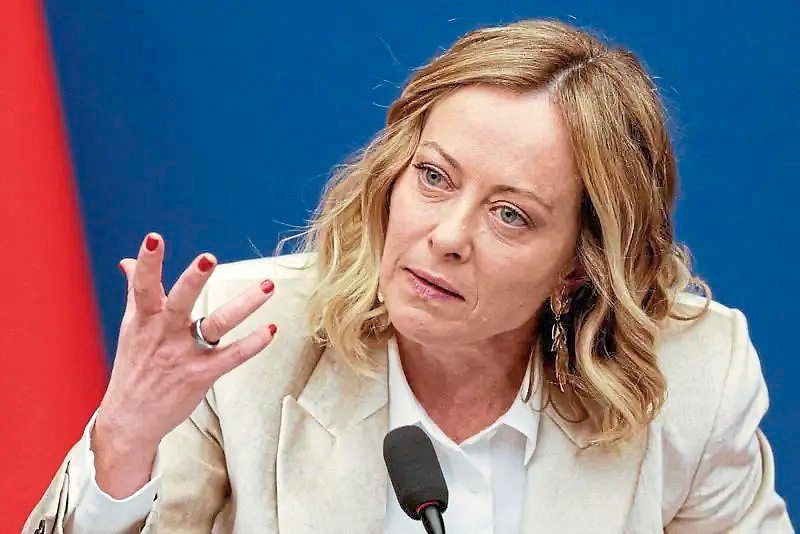
Observers note that her authoritative style has made her a central player in European politics and her influence extends beyond Rome.
At the end of 2025, Meloni struck a candid tone with her staff members, warning that 2026 would be “even tougher” – pertaining to economic and geopolitical challenges – than the previous year, a remark that underscored both the challenges facing her government and her willingness to project resilience in adversity.
Her stature was further highlighted when she defended Marine Le Pen after a French court ruling barred the French far‑right leader from contesting the 2027 presidential election, positioning herself as a pan‑European defender of nationalist politics.
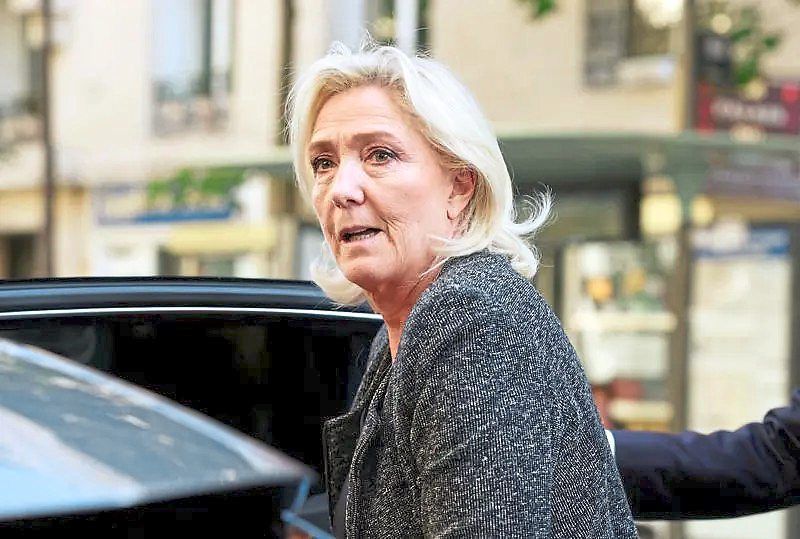
Meanwhile, Le Pen’s trajectory has long been tied to her effort to soften the image of France’s far‑right. By ousting her father, Jean‑Marie Le Pen, from the party and rebranding it as Rassemblement National, she introduced the policy of dédiabolisation – “de‑demonisation” – to broaden its appeal.
For years, she was seen as a contender for the French presidency, especially after her party surged in European elections in 2024.
But her ambitions were dealt a dramatic setback when she was convicted in March 2025 of misusing European Parliament funds, a ruling that came with a five‑year ban from public office. In January 2026, Le Pen appeared in a Paris courtroom to appeal the conviction, hoping to overturn the ban and revive her presidential bid.
The case has reshaped the far‑right landscape in France, with attention increasingly turning to her protégé, Jordan Bardella.
In Asia, Japan made history in October 2025 when Sanae Takaichi became its first woman prime minister. Known for her conservative views and nationalist rhetoric, Takaichi quickly demonstrated her willingness to wield authority.
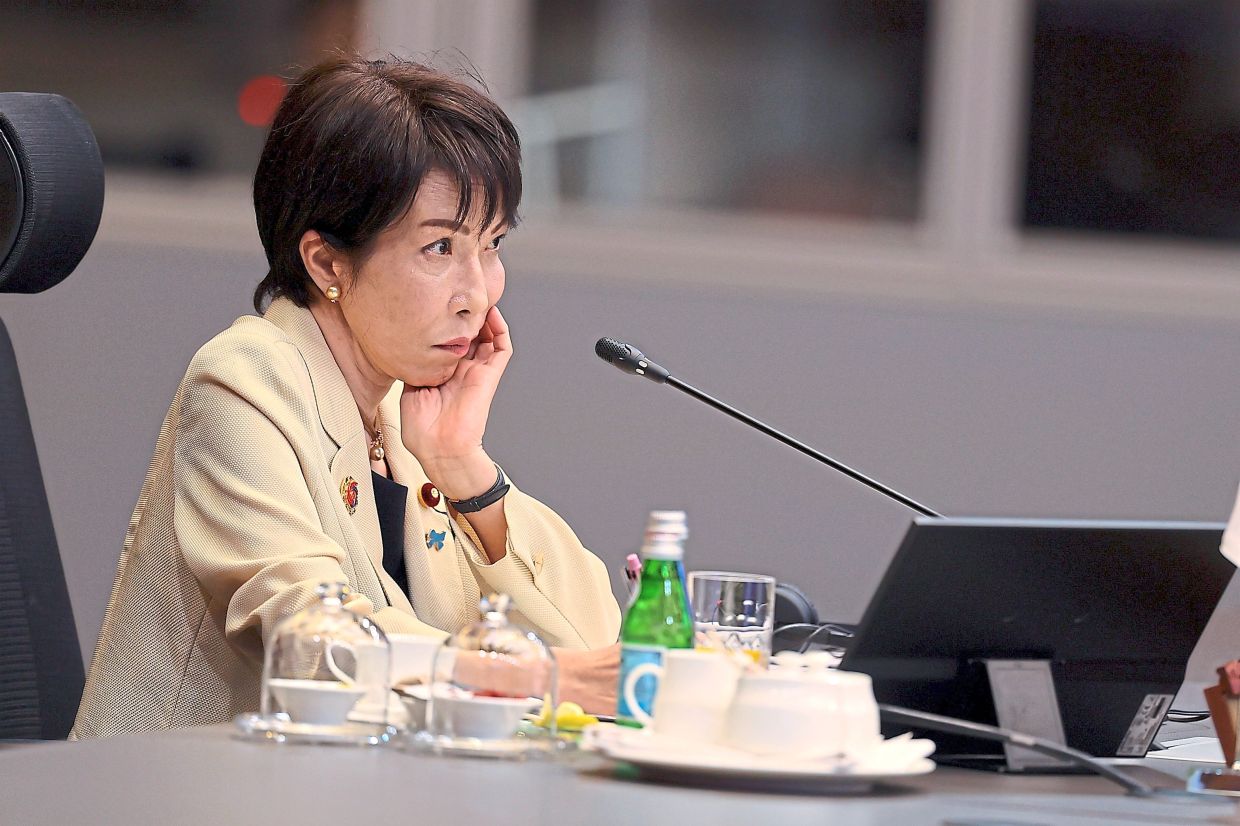
In just about three months into office, the former drummer of a heavy metal band dissolved Parliament and called a snap election for Feb 8 this year, pledging to resign if her coalition failed to secure a majority. This was after the Japanese Thatcher wannabe drummed up war talks against China over Taiwan.
Her bold move reflects a strongwoman archetype rooted in decisiveness and risk‑taking. Takaichi’s leadership style blends traditional nationalist themes with promises of economic reform, while also breaking gender barriers in a country long dominated by male political figures.
And across the United States’ southern border, Mexico’s first female president, Claudia Sheinbaum, has projected authority through nationalist positioning and energy diplomacy.
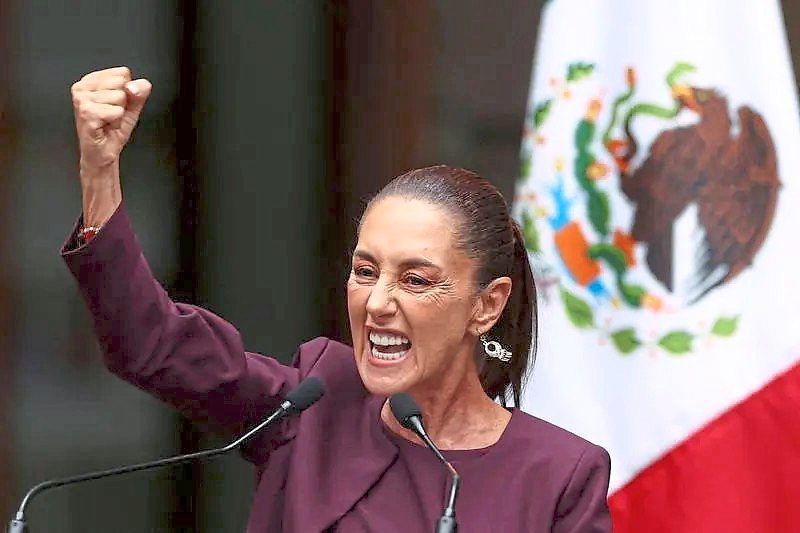
In January 2026, she reiterated Mexico’s sovereignty in a phone call with US President Donald Trump after controversy erupted over the detention of a former Olympic snowboarder.
Earlier this month, she had ruled out US military intervention in Mexico following Trump’s suggestion of strikes against cartels, insisting that operations on Mexican soil would only be carried out by Mexican forces.
These moves reinforced her reputation as a leader unwilling to bow to external influence.