BETWEEN the hiss of steaming milk and the quiet hum of a café, 22-year-old barista Ali Imran Azan keeps an eye on Malaysia’s shifting political tides.
For him, politics isn’t about slogans or party colours – it’s about delivery.
"I see more positive impacts from the current ruling party compared to the previous administration,” he says, citing reduced corruption, better control over living costs and more strategic economic decisions.
Track record, educational background and transparency, he adds, matter more than race or gender.
Up north, 23-year-old university graduate Muhammad Lukman Hakim Mohshen sees politics as a high-energy contest, with election periods turning into a rush of rallies, speeches and grassroots outreach.
"We may be voting for a party, but I focus on the individuals – those who will represent my area, my state and take the country forward," he says.

Their voices capture a mood among younger Malay voters – pragmatic, curious, less tied to party loyalties – yet an analyst caution that youth preferences remain far from uniform.
Nusantara Academy for Strategic Research senior fellow Dr Azmi Hassan says not all Malay youths are moving away from conservative values, with voting trends differing sharply between regions.
He points out that Malays in rural states tend to vote for conservative values.
"It's a bit mixed. Malay youths in other states – especially along the west coast, maybe including Pahang and Johor – are showing dissatisfaction with the current government or politicians. We cannot generalise their voting pattern."
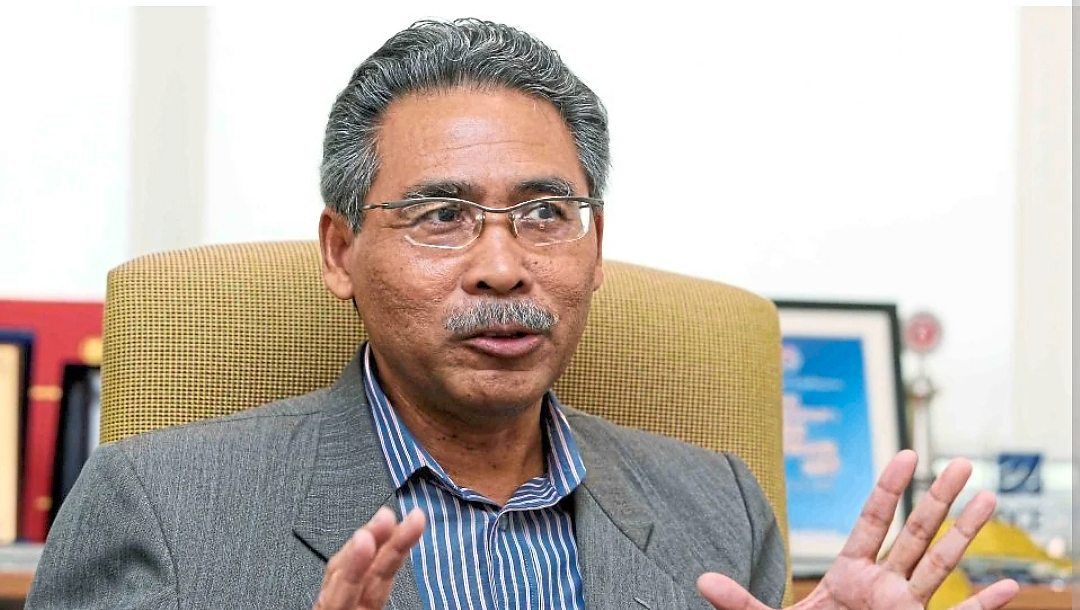
Azmi noted that current issues including joblessness, the rising cost of living and inequality are now shaping younger voters’ thinking.
"These factors definitely influence younger Malay voters. My gut feeling is that non-Malay youths are also influenced by the same current issues when deciding how to vote."
On political literacy, he says awareness plays a critical role in shaping decisions.
"Most youths, especially Malay youths, depend heavily on social media, which doesn’t always tell the full story,” he said, citing the recent case in Sabah involving the late Zara Qairina Mahathir as an example where online narratives drove early perceptions.
He says social media will continue to colour how youths think about politics and current events.
Comparing youth to older voters, Azmi said the younger generation is "more daring" in making choices untied to political parties.
"Older voters usually stick with party affiliations. From what I’ve seen over several elections, Malay youths decide based on how they read the current political scenario. There is a huge difference between young and older voters when it comes to this."