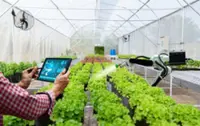
DEMAND for green agricultural careers is expected to grow as farming systems respond to climate change, resource scarcity and the need to reduce environmental impacts, says Universiti Putra Malaysia (UPM) Faculty of Educational Studies Department of Science and Technical Education senior lecturer Dr Normala Ismail.
She said while many specialised job titles are still emerging in Malaysia and South-East Asia, the skills underpinning them will become increasingly valuable as the agricultural sector evolves.
“These careers combine agricultural knowledge with ecology, engineering, digital technology, finance and education,” she said.
Among the roles expected to see growing demand, she said, are soil health specialists, agroecologists, agroforestry consultants, precision agriculture specialists, agricultural data analysts, drone operators, climate-risk modellers, carbon specialists, smart irrigation engineers, agricultural biotechnologists and sustainable supply-chain professionals.
Normala said these careers reflect the changing nature of agriculture, where improving productivity must go hand in hand with protecting natural resources and strengthening resilience against climate change.
“For example, soil health specialists and agroecologists could help restore soil fertility and reduce reliance on excessive chemical inputs, while precision agriculture specialists and drone operators could optimise the use of water, seeds and fertiliser through Global Positioning System mapping, sensors and aerial monitoring,” she said.
Meanwhile, she said carbon specialists and sustainable agricultural finance officers could also play an increasingly important role as farms seek access to green financing and demonstrate stronger environmental performance.
“To prepare students for these opportunities, agricultural technical and vocational education and training (TVET) programmes should expand practical modules in areas such as soil management, digital agriculture, smart irrigation, biotechnology, carbon assessment and entrepreneurship.
“Short courses, microcredentials and industry-based training could also make these emerging careers more accessible to young people, including those who may not initially pursue a full agriculture programme.
“By developing both technical and business skills, TVET can help Malaysian youth build sustainable agriculture businesses while contributing to food security, climate resilience and environmental protection,” she said.