MALAYSIA’S agricultural technical and vocational education and training (TVET) system must move beyond traditional farming and equip graduates with digital and climate-smart skills, experts say.
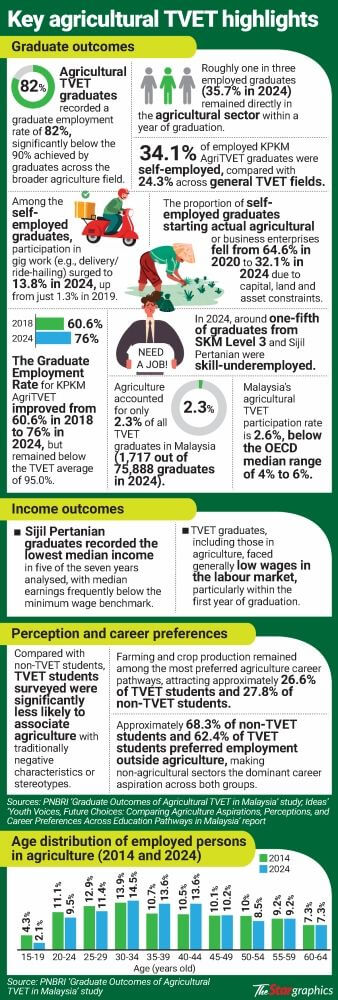
According to the Graduate Outcomes of Agricultural TVET in Malaysia study released in July, Malaysia’s agriculture sector continues to struggle with stagnant labour productivity, making it the country’s second least productive economic sector after construction.
Conducted by the PNB Research Institute (PNBRI) with the Agriculture and Food Security Ministry (KPKM), the study is the first comprehensive analysis of graduate outcomes among the ministry’s agricultural TVET students, based on seven years of administrative data from 2018 to 2024.
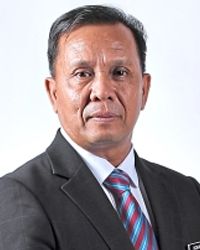
Perda Advanced Technical Institute (Perda-Tech) director Rohaimi Othman said future graduates must combine technical, digital and innovation skills to boost productivity, strengthen climate resilience and accelerate technology adoption.
“The use of technologies such as sensors, the Internet of Things, data analytics, precision agriculture, robotics and automation enables every decision in the field to be made based on accurate data, thereby improving resource-use efficiency.
“Through precision agriculture, the use of water, fertilisers and pesticides can be reduced without affecting yields, while helping to lower operating costs and greenhouse gas emissions,” he explained.
He added that the sector needs workers who can not only operate advanced technologies but also drive innovation and sustainable solutions.
According to Rohaimi, climate change is among the biggest threats to Malaysia’s food supply, affecting productivity, fuelling pest outbreaks and threatening food security.
“As the industry transforms, agricultural TVET must evolve to produce a workforce capable of adapting to these challenges,” he told StarEdu.
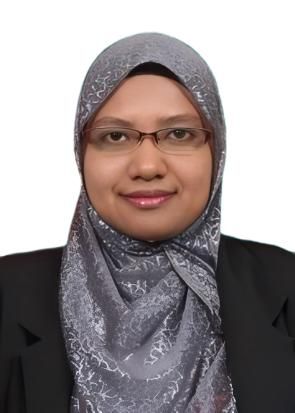
“Young people are generally comfortable with digital technologies and quick to adapt to new tools.
“Agricultural TVET can use this strength by integrating digital technologies into teaching and hands-on training, making climate-smart farming more attractive and accessible to youth,” she said.
She added that support from parents and communities is equally important.
Cultivating smart talent
As agriculture becomes increasingly technology-driven, Normala stressed that technology alone would not be enough to safeguard Malaysia’s food security.
“Technology alone cannot deliver its full impact without a workforce capable of operating, maintaining and optimising it.
“The country needs to prioritise developing climate-smart agricultural talent capable of understanding how climate risks affect food production while applying technology to respond effectively.
“Climate-smart professionals are those who are not only aware of these challenges but also possess the knowledge to manage risks, adapt technologies and optimise agricultural production sustainably,” she said.
She added that modern agricultural TVET graduates must combine technical expertise with scientific knowledge, data literacy and critical thinking.
“Modern agriculture increasingly depends on professionals who can interpret information from sensors, satellite imagery and weather data before making decisions in the field.
“Equally important are soft skills such as communication, leadership, entrepreneurship and lifelong learning, given the rapid pace of technological change across the agricultural industry,” she said.
Weighing in, Rohaimi said beyond technical skills, students must also gain experience through applied research, innovation, entrepreneurship, industrial training, community projects and leadership development.
“These experiences shape graduates who are more mature, creative and capable of solving real-world challenges faced by the industry.
“The aspiration is to produce graduates who are highly skilled, innovative, marketable, and equipped with an entrepreneurial mindset to become technologists and future leaders in transforming Malaysia’s agricultural sector,” he said.
Beyond boots and fields
To achieve this aspiration, Normala stressed that changing how young Malaysians perceive agricultural TVET is equally important.
According to a new study by the Institute for Democracy and Economic Affairs (Ideas) released in July, only 51.3% of students recognise agriculture as a modern, high-tech sector.
Although TVET students are less likely to associate agriculture with negative stereotypes than non-TVET students, it found that these perceptions remain prevalent among many young people.
The findings were published in Ideas’ report, titled Youth Voices, Future Choices: Comparing Agriculture Aspirations, Perceptions, and Career Preferences Across Education Pathways in Malaysia, which surveyed 14,305 students aged 15 and 16 from 88 national secondary schools and vocational colleges nationwide.
Normala said agriculture must be repositioned as a technology-driven sector rather than manual labour.
“Instead of portraying farming as work done with a hoe, educators should position it as managing farms through technology.
“Highlighting successful young agropreneurs, agritech professionals and agricultural innovators can also help reshape perceptions,” she said.
She also called for greater awareness of career opportunities in agricultural TVET.
“Graduates can become agrotechnology specialists, agricultural data analysts, smart-farming entrepreneurs, trainers or sustainability consultants, opening pathways to diverse and rewarding careers beyond traditional farming roles,” she said.
‘Why we chose agriculture’
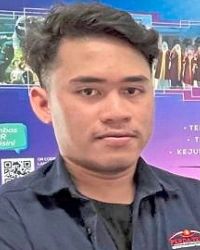
Muhammad Haffiz Mazlan, 19
I chose this course to learn how to operate tractors, fly agricultural drones, use farming equipment and understand how agricultural machinery works. We also learn AutoCAD for technical drawings and carry out laboratory experiments, such as studying ways to improve fruit ripening. Agriculture is becoming more modern. Countries like Thailand are advanced in agricultural technology. Malaysia needs more young people to join this field.
Muhammad Haziq Irfan Elias, 19
In agricultural engineering, we study a wide range of subjects, including chemistry, physics, biology, welding, electrical systems and tractor maintenance. We also learn practical skills such as land preparation and gain hands-on experience through activities that strengthen our knowledge. Agriculture offers good opportunities for the future. Modern farming relies on technology and machinery, making work more efficient. I hope more youths pursue the agricultural sector.
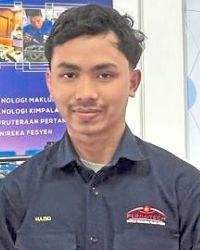
I chose agricultural engineering because I had studied agriculture in secondary school and wanted to continue in the same field. The course exposes us to many areas. We learn the basics of operating drones, managing agricultural land and using technology in farming. I would encourage students who have completed their SPM exams to consider agriculture because it offers a wide range of opportunities and skills beyond traditional farming.
Muhammad Haffiz Mazlan, 19
I chose this course to learn how to operate tractors, fly agricultural drones, use farming equipment and understand how agricultural machinery works. We also learn AutoCAD for technical drawings and carry out laboratory experiments, such as studying ways to improve fruit ripening. Agriculture is becoming more modern. Countries like Thailand are advanced in agricultural technology. Malaysia needs more young people to join this field.
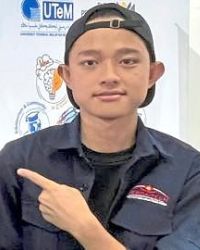
In agricultural engineering, we study a wide range of subjects, including chemistry, physics, biology, welding, electrical systems and tractor maintenance. We also learn practical skills such as land preparation and gain hands-on experience through activities that strengthen our knowledge. Agriculture offers good opportunities for the future. Modern farming relies on technology and machinery, making work more efficient. I hope more youths pursue the agricultural sector.
Alif Faisal Khalilul Khushairi, 19
All three youths featured are agricultural engineering students at Perda-Tech.
All three youths featured are agricultural engineering students at Perda-Tech.