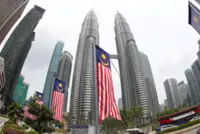
WHILE Kuala Lumpur remains among the world’s top 15 cities for students, steps must be taken to ensure it retains its appeal in the years ahead.
Malaysian Association of Private Colleges and Universities president Datuk Parmjit Singh suggested strengthening post-study work opportunities, particularly by offering clearer pathways for international talent to remain and work in Malaysia, fill labour gaps and contribute to the economy.
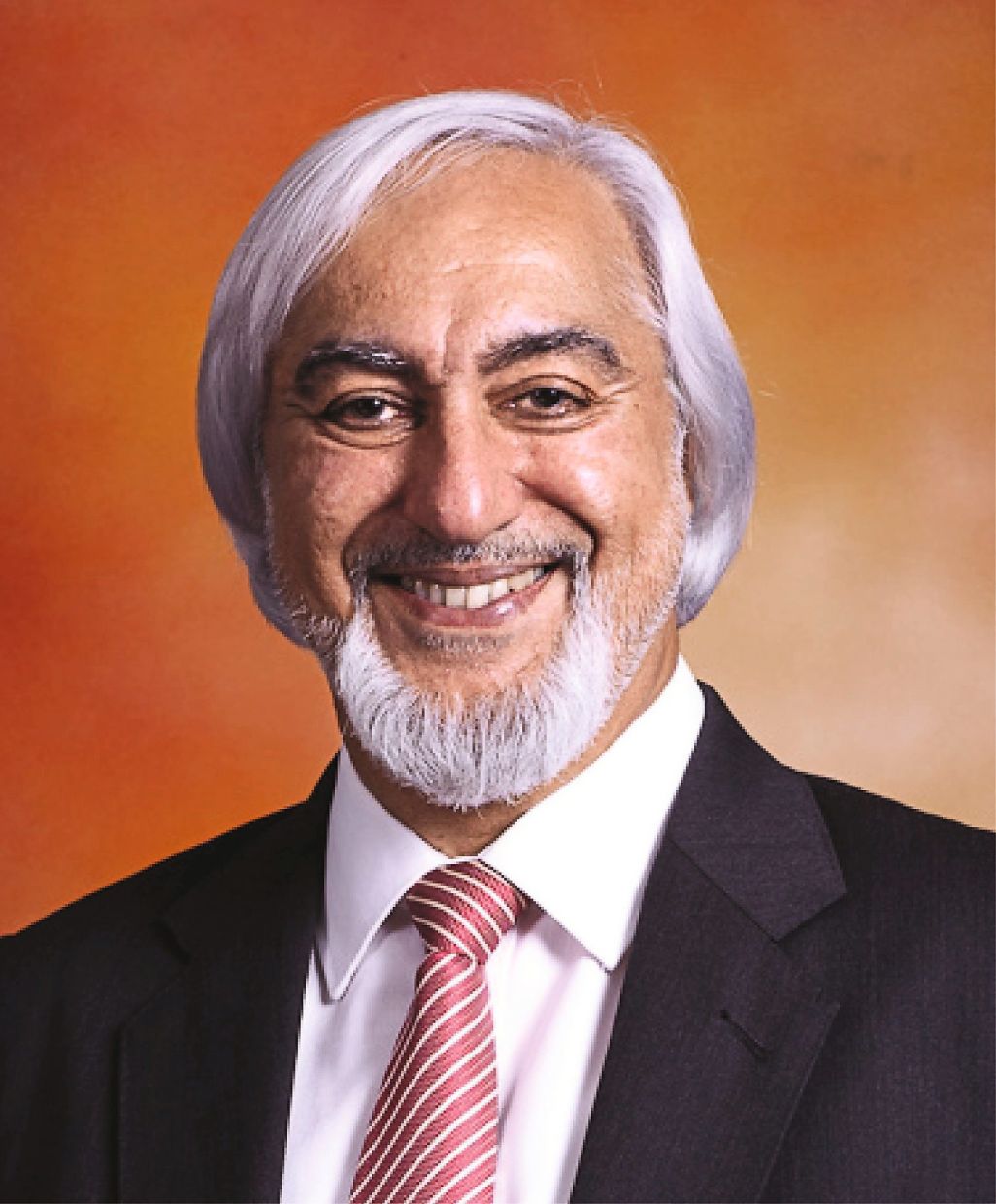
“Malaysia has world-class universities at a competitive cost. Our challenge is to ensure that reality is consistently felt by students on the ground.
“If we address affordability and graduate employability together, KL can regain lost ground and become one of the leading global destinations for international education,” he said in response to KL’s performance in the Quacquarelli Symonds (QS) Best Student Cities Rankings 2027.
In the latest edition, Malaysia’s only ranked city placed 15th globally, slipping three spots from 12th in 2026 as its overall score fell 2.3 points to 88.0.
However, it remains eight places higher than in 2025 and is South-East Asia’s second-highest-ranked city, behind Singapore, which placed 11th.
Parmjit said concerns about graduate employability, global university visibility, urban congestion and student experience may have affected perceptions among prospective international students.
“Beyond a doubt, KL offers a number of universities that have world-class infrastructure and offer quality internationally benchmarked education.
“Nevertheless, we need to position ourselves vis-à-vis other leading destinations such as Seoul, Tokyo and Melbourne as competing educational hubs,” he told StarEdu.
He added that KL should also be positioned as a safe and vibrant city, and as a melting pot of cultural diversity.
KL recorded its strongest performance in two categories.
It climbed two places to eighth in the world in the University Rankings category, with its score up 1.8 points to 76.0, thanks to 12 of its institutions being ranked in the QS World University Rankings 2027.
It also climbed two places to 13th in Employer Activity, which measures graduate demand among recruiters.
In addition, it rose one place to joint 46th for Student Mix.
The sharpest movement among the city’s indicators was a drop of 9.1 points in Affordability, taking it down nine places to 42nd, with a score of 63.9.
Affordability scores, which were calculated using tuition fees, Numbeo’s cost-of-living index and The Economist’s Big Mac index of purchasing power, also declined across most of the rankings this year, affecting 94 of the cities assessed.
In the Student Voice category – based on students’ opinions on inclusivity, friendliness, transport, culture and other factors – KL was ranked joint 73rd globally, a dip of four places from the previous edition.

Commenting on KL’s overall ranking, Vice-Chancellors’ Council for Private Universities chairman Prof Mushtak Al-Atabi said there are many aspects going right for Malaysia, such as diversity, safety and hospitality.
And we should build on them, he said.
“KL is still ranked very well, and while there is a slight drop because of the adverse move in affordability, I would not read too much into that,” he said.
However, he added that an area that does require improvement is allowing international students to undertake internships while studying and to secure employment after graduation.
“This will not only mitigate the cost-of-living concerns, but also provide students with highly desired exposure to the wide industrial base in the country,” said Prof Mushtak, who is also Heriot-Watt University Malaysia provost, CEO and vice principal.
QS senior vice president Ben Sowter said the data shows where the pressure lies.
“Affordability fell by 9.1 points in a single year, and affordability is not a detail for Malaysia; it is the offer.
“Student Voice fell too. The country is targeting 250,000 international students by 2030 from around 137,000 today, while raising the salary thresholds that determine whether those graduates can stay,” he said in a statement on July 21.
“Recruitment ambitions and graduate opportunities need to move together,” he added.
QS Best Student Cities Rankings 2027
> Kuala Lumpur ranks 15th globally and is South-East Asia’s second-highest-ranked city, behind Singapore.
> No single city leads across all indicators, with each of the six categories led by a different city:
- University Rankings:
Seoul, South Korea
- Student Mix:
Melbourne, Australia
- Employer Activity:
Tokyo, Japan
- Desirability:
Amsterdam, Netherlands
- Student Voice:
Berlin, Germany
- Affordability:
Delhi, India
> Eligible cities must have a population of more than 250,000 and at least two universities in the QS World University Rankings 2027.
> Of the 150 cities assessed, 61 are in Europe, 52 in Asia Pacific, 18 in North America, 12 in the Middle East and Africa, and seven in Latin America.
> The 12th edition of the rankings is available at https://www.topuniversities.com/city-rankings.