IT’S that time of the year when vegetarian food as well as yellow flags and banners aplenty can be seen on the streets of Penang.
The Nine Emperor Gods Festival, known as Kew Ong Yeah in Penang Hokkien, is rooted in centuries of tradition.
The festival, which ends on Oct 18, is believed to have been brought to the region by early emigrants from China’s Fujian province in the 19th century.
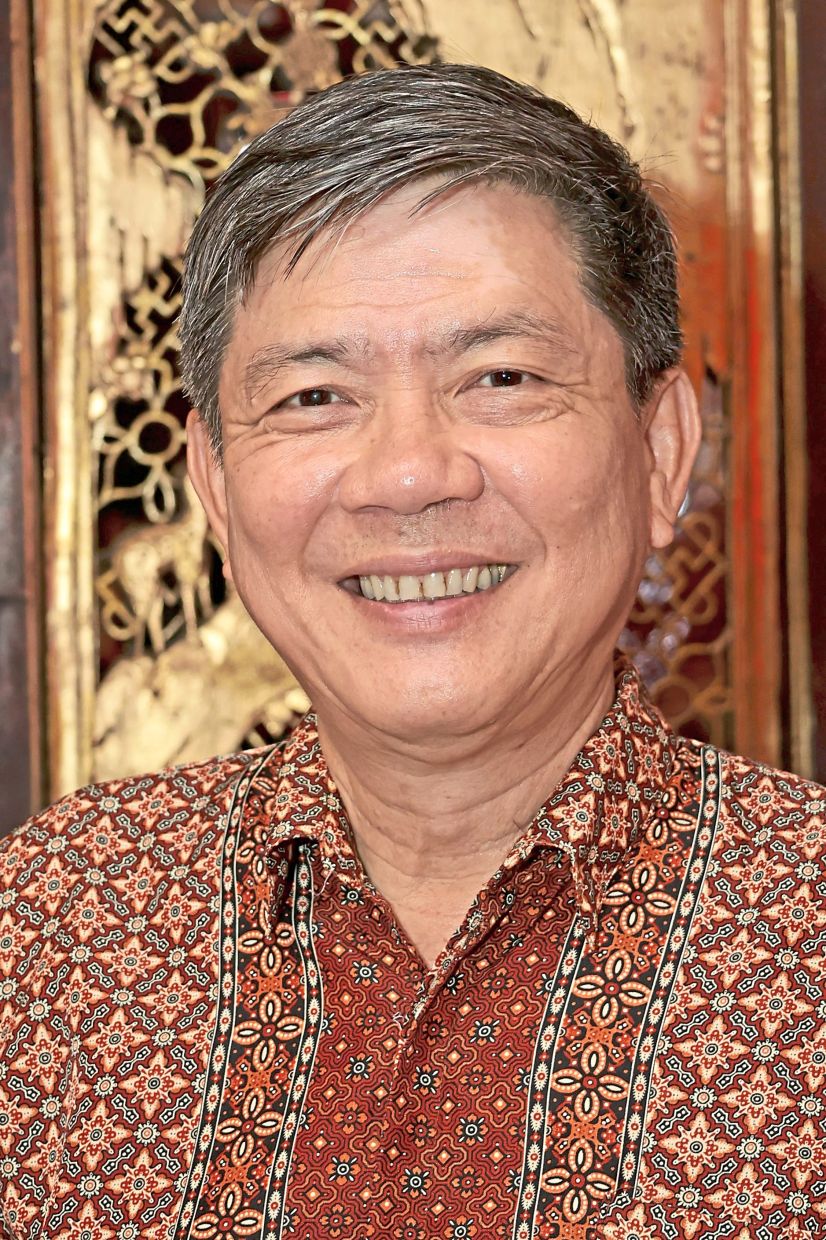
Hong Kong Street Tow Boh Keong temple trustee Datuk Khoo Khay Hock said the emigrants brought an urn and scriptures of the Nine Emperor Gods on their journey to South-East Asia.
“The journey to Penang could take 50 days. Sometimes 10 boats left, but only about half arrived.
“So the emigrants prayed to the Nine Emperor Gods for protection, a safe journey and good health.
“After arriving at the clan jetties along Weld Quay, they would express their gratitude to the Nine Emperor Gods.”
Khoo said the tradition gained significance during the 1819 cholera outbreak.
The outbreak was part of the first cholera pandemic, which began in India in 1817 and reached Penang two years later.
The disease spread through contaminated food and water, and could be fatal.
Khoo said public notices were issued urging people to worship the Nine Emperor Gods.
Devotees also observed a vegetarian diet over nine days, for purification and cleanliness.
“After nine days, many of the problems eased.
“People believed that the Nine Emperor Gods had saved mankind,” said Khoo.
The original dietary rules were less strict than those observed by some devotees today, he said.
“The original scripture did not prohibit garlic nor have all these special rules.
“It prohibited all seafood, while anything that grew from the ground could be eaten.”
Khoo said devotees traditionally wore light-coloured clothing as a sign of cleanliness and humility.
“Devotees also avoided leather shoes and belts because these were made from animal products.”
Centuries-old heritage
Khoo is the sixth generation of his family associated with Hong Kong Street Tow Boh Keong in George Town dedicated to Dou Mu, the divine mother of the Nine Emperor Gods.
He said early rituals began with prayers at Yeoh Jetty in Weld Quay, where the temple was initially housed.
The Ghee Hin-Hai San conflict in 1867, which saw violent clashes between rival Chinese secret societies in George Town, disrupted the community and affected the temple.
It eventually moved to its present site in Jalan Cheong Fatt Tze, formerly Hong Kong Street, in 1881.
As some early emigrants belonged to the Khoo clan, religious artefacts brought from China were entrusted to their ancestors in Penang.
The temple has preserved several of these artefacts, believed to have been brought by these migrants more than 200 years ago.
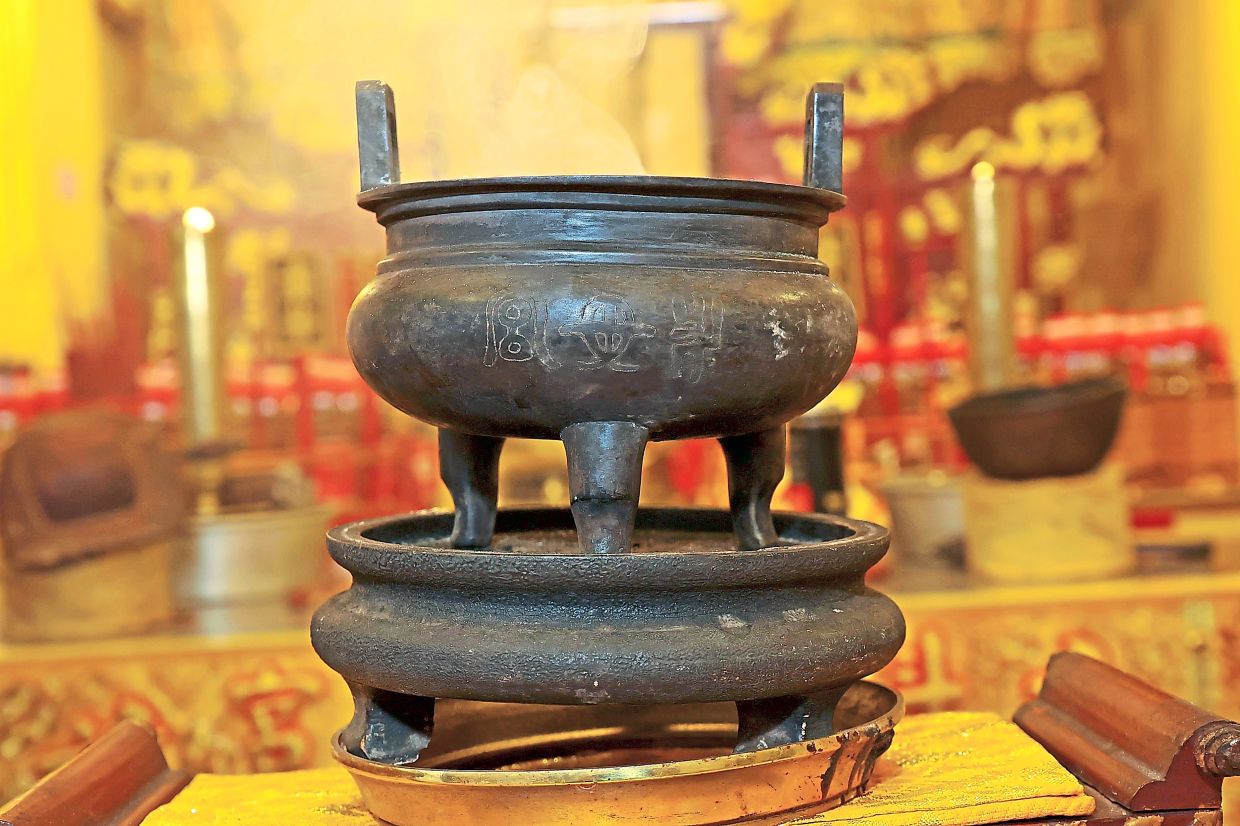
They include the Nine Emperor Scriptures with a handwritten copy dated 1821, an incense burner believed to be over 200 years old, White Ice-Crack Incense Burner, Dragon-shaped Wooden Ritual Fish, Xuande Incense Burner, North Dipper Seven Stars Sword and Nine-Dragon Gold-Thread Altar Cloth.
Another historical item is the Eight Immortals Beam Banner believed to date back to 1900.
The temple also keeps ceremonial cloth banners known as “chai” in Hokkien.
These auspicious banners include a 3.5m piece embroidered with gold thread, depicting the Eight Immortals and bearing the words “Nine Emperor Gods”. It was restored in 2019.
This year, the temple has unveiled a wooden seal, believed to be more than 200 years old.
It was said to have been used to stamp paper talismans for devotees seeking protection from disease, while a cloth talisman bearing its impression is displayed alongside it.
Sacred rituals
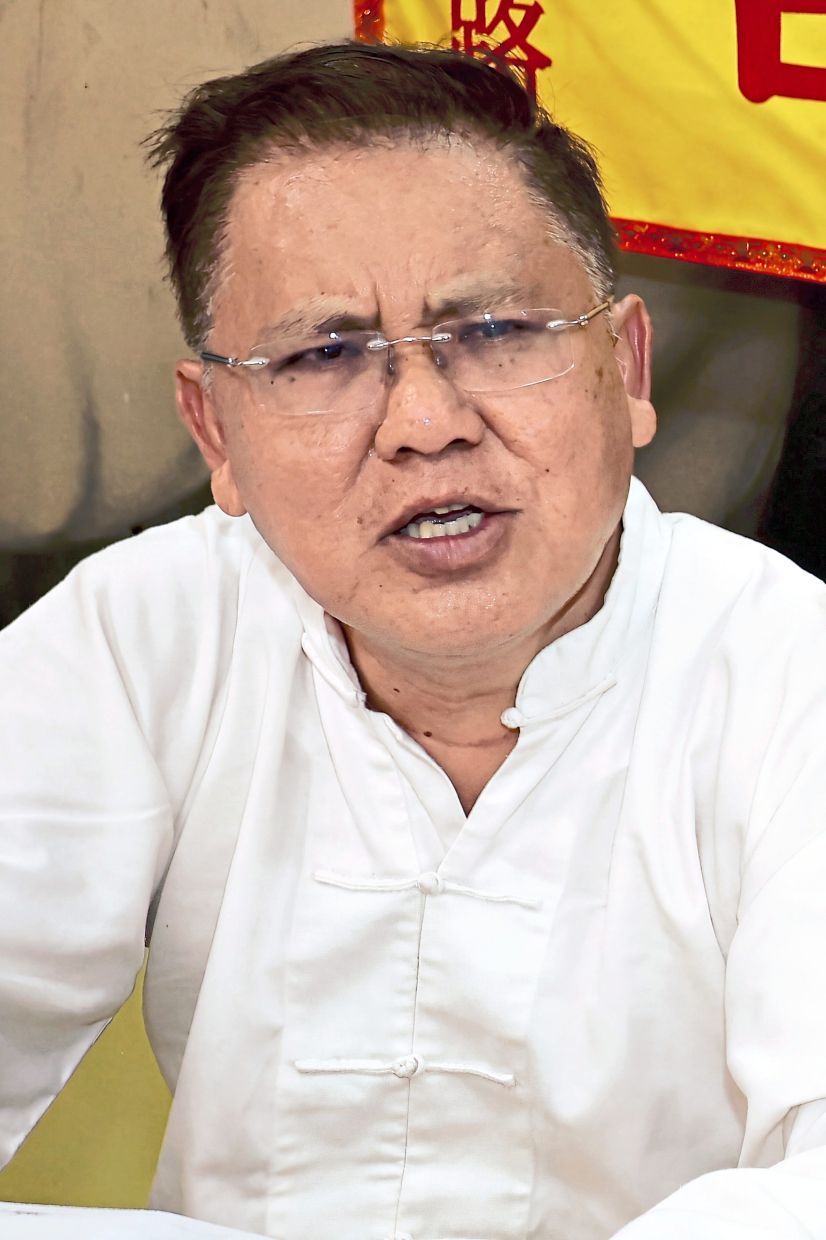
The festival is observed over nine days in the ninth month of the Chinese lunar calendar, said Penang Heritage Trust president Clement Liang.
He said rituals began on the eve of the festival, the last day of the eighth lunar month in the Chinese calendar.
Temples hold ceremonies to welcome the deities and send them off at festival’s end.
“In Penang and Phuket, this festival is celebrated on a large scale.
“While rituals vary, prayers, offerings and processions remain central to the observance.
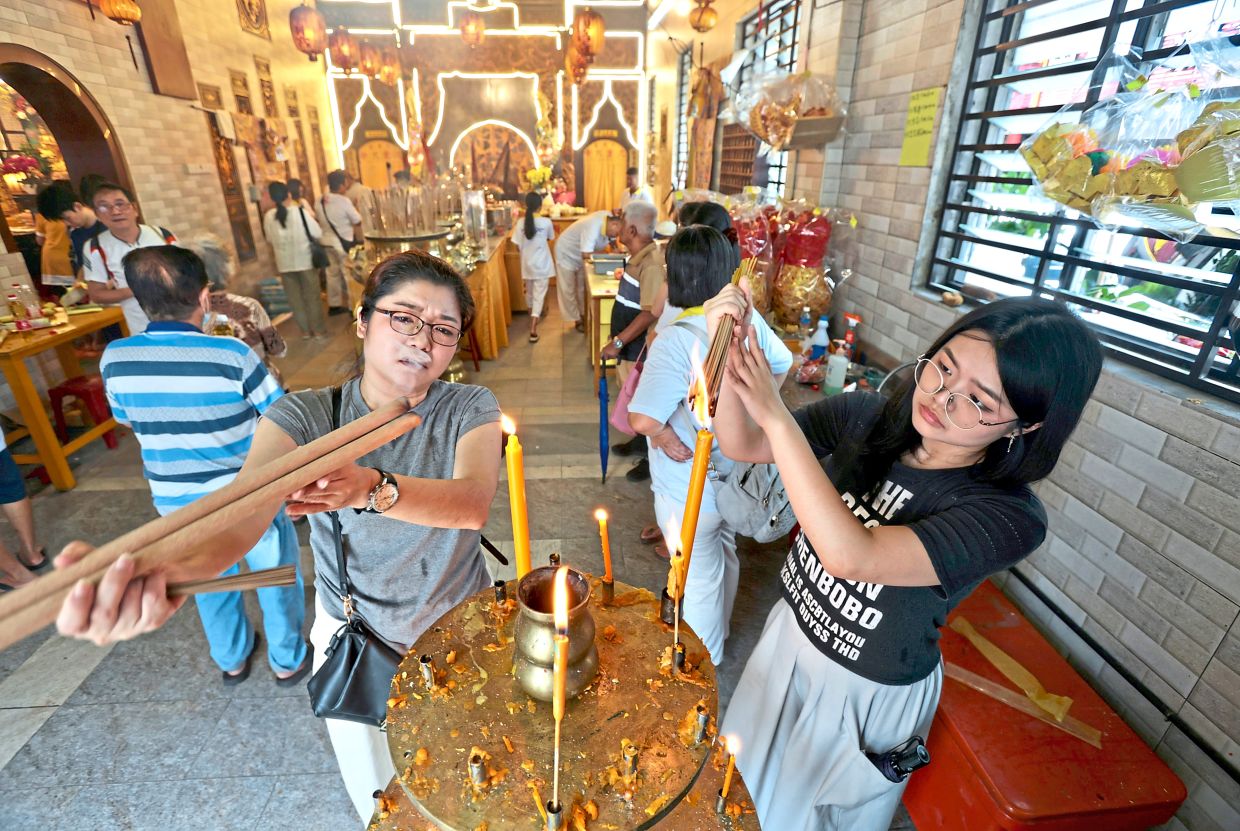
“Some welcoming ceremonies take place at jetties or other waterfront locations, where devotees offer incense and prayers.”
Liang said devotees typically wear white or light-coloured clothing throughout the festival.
“They also observe a vegetarian diet and attend prayers at their respective temples.”
He said processions might
feature religious images, incense urns, palanquins and ceremonial floats, accompanied by drums, gongs and traditional performances.
“Devotees line the streets to offer incense, seek blessings or join the procession.
“Some temples also hold fire-walking ceremonies.”
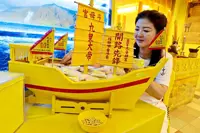
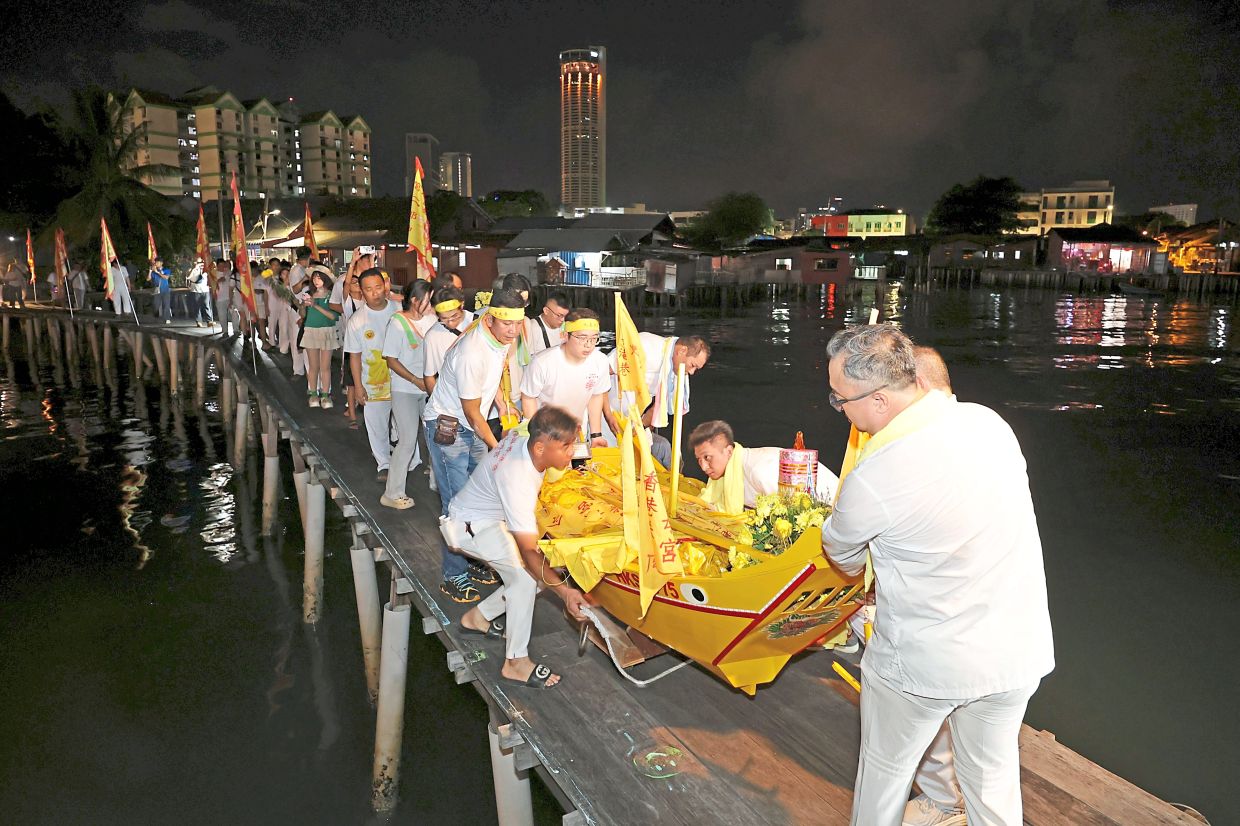
Liang said a key feature of the closing ritual at some temples was a ceremonial boat, also known as a dragon ship or ritual boat.
Usually made of bamboo or wood, he said it would be
decorated with paper ornaments, flags and other religious elements.
“Volunteers assemble the vessel and prepare offerings such as joss sticks, incense and joss paper.
“Some traditions also place an incense urn or other religious items aboard, symbolising the deities’ departure.
“Devotees accompany the boat to a jetty or waterfront, where prayers and offerings are made before it is sent out to sea.
“Depending on the temple’s customs, the boat may be released into the water or set alight.
“The ceremony marks the end of the deities’ visit, with devotees giving thanks and praying for continued protection, good health and peace,” Liang said.
Parade of faith
On Oct 11, about 20 floats representing 20 Nine Emperor Gods temples took part in the ninth Penang State Nine Emperor Gods Cultural Fellowship Grand Parade.
It was organised by Noordin Street Tow Moo Keong in Lebuh Noordin, George Town.
Its chairman Datuk Koay Kean Huat said hosting duties rotated among participating temples.
“We initiated the parade in 2015 to promote the Nine Emperor Gods culture and foster unity and interaction among the temples,” he said.
Devotees lined the streets to offer prayers as the floats passed, while others joined the procession.
The parade, which began at the temple, passed through Jalan CY Choy, Lebuh Cecil, Lebuhraya Tun Dr Lim Chong Eu, Pengkalan Weld, Lebuh Pitt, Lebuh Chulia, Jalan Penang, Jalan Burma, Jalan Zainul Abidin, Jalan Macalister, Jalan Dr Lim Chwee Leong and Jalan Magazine, before ending outside 1st Avenue Mall.
Taste of tradition
Traditional steamed buns, known as mee koo in Hokkien, are a popular festive offering at Tau Bo Keong temple in Kepala Batas.
Temple chairman Tang Kheng Hee said 70 to 80 volunteers helped make between 8,000 and 10,000 buns a day.
“The temple has produced the buns for more than 40 years, but demand often exceeds supply during the festival.”
He said buyers come from across Penang, as well as Kedah, Perak and Kuala Lumpur, with some returning annually for the traditional delicacy.
To meet demand, Tang said the temple spent RM162,000 to buy three high-pressure steamers to speed up production and ease the workload of volunteers.
“Previously, we used about 12 old steamers, each holding slightly more than 50 mee koo.
“Each batch took about 45 minutes to steam.
“With the new steamers, each batch should take about 20 minutes, and each machine can hold more than 100 mee koo.
“One new steamer can replace the output of about four old ones,” he said.
The buns are sold from 9am to 7pm daily during the festival.
Proceeds cover the temple’s operating expenses, with leftover funds going to charity.
Vegetarian food galore
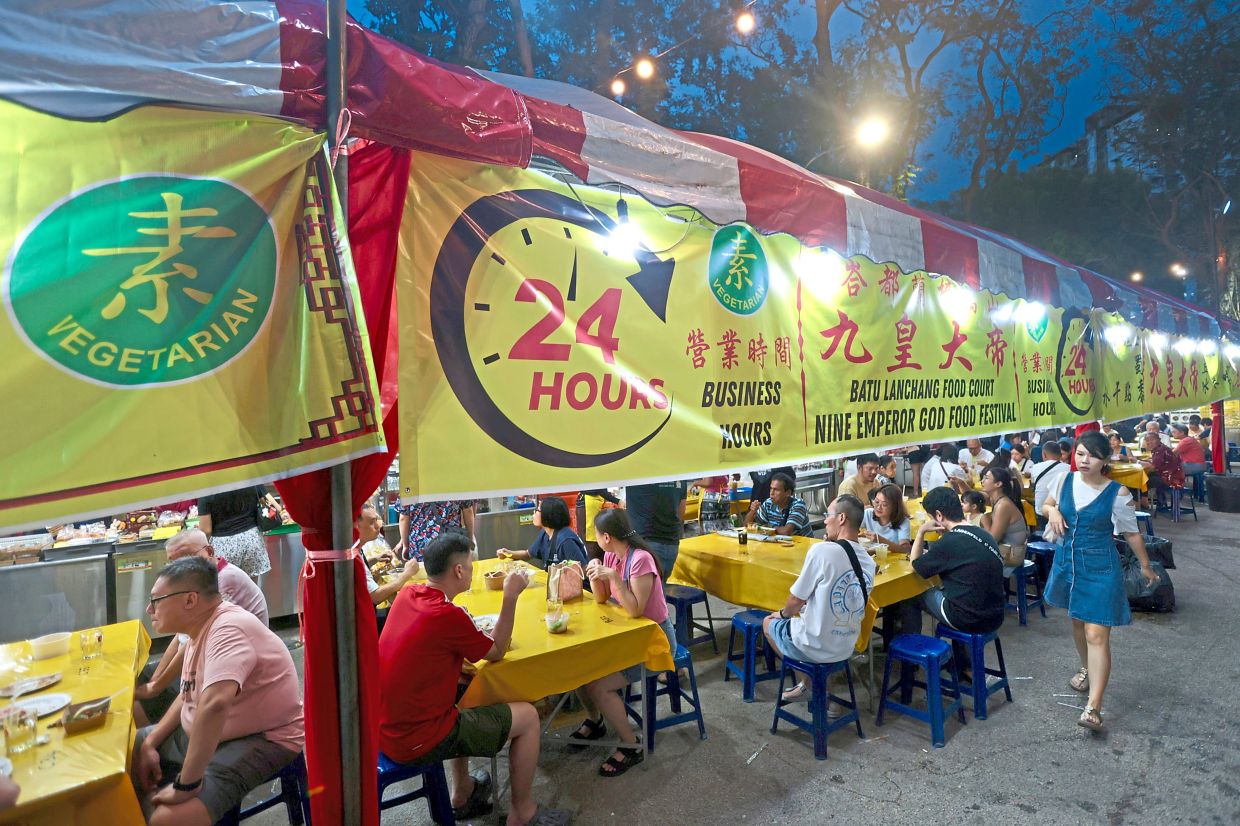
Vegetarian food is a key part of the festival, with makeshift stalls offering devotees a mix of traditional favourites and modern creations.
The food fair along Lorong Madras in George Town serves everything from economy rice to vegetarian burgers and meat-free dishes.
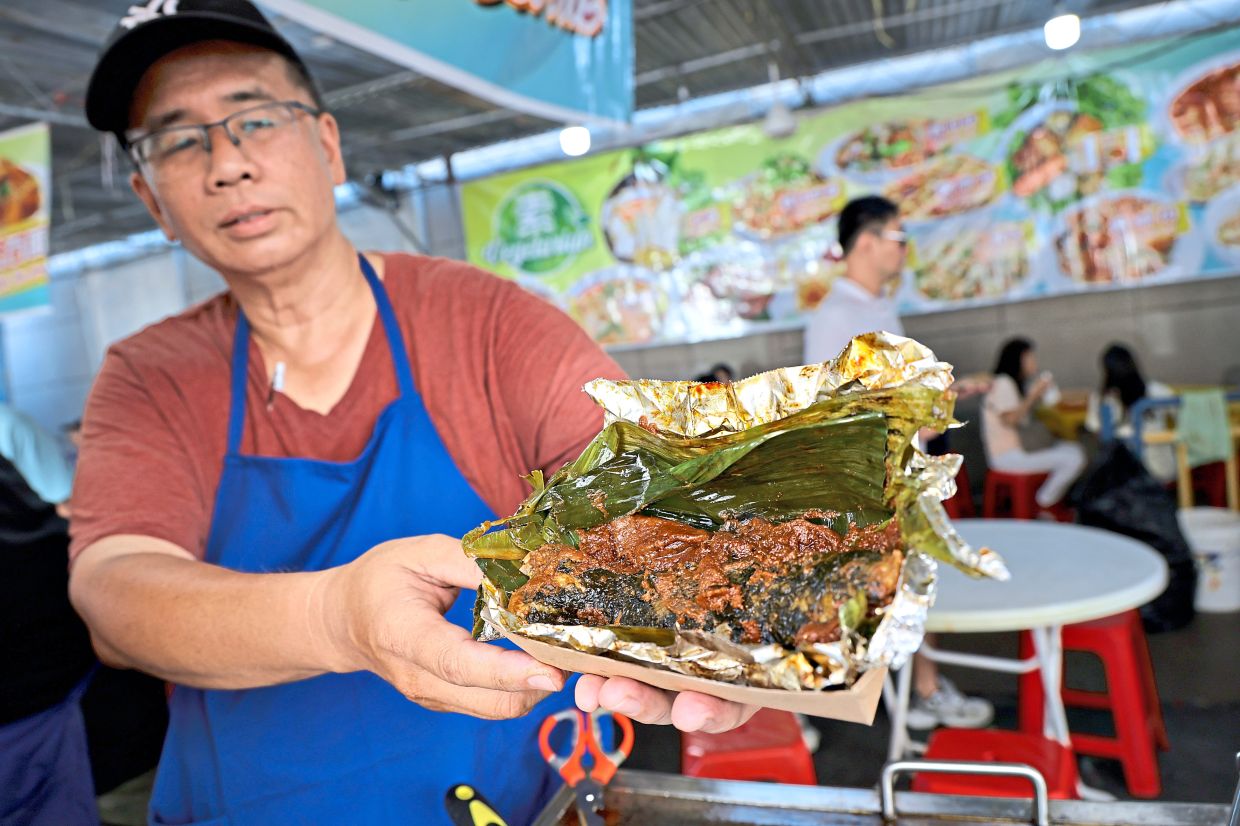
Leng Leong Fatt, an information technology technician, created his version of vegetarian grilled fish or ikan bakar by using soy bean products and seaweed.
He only sell the dish during the Nine Emperor Gods Festival.
Other stalls offer meat-free versions of Malaysian favourites including nasi lemak, sambal prawns, curry mutton and bak kut teh or pork rib herbal soup.
Burger lovers can choose vegetarian patties.
One stall promotes its burgers with the slogan, “Not Nice, No Need To Pay!”, offering refunds to dissatisfied customers.
Food fair committee secretary Tan Kean Guan said the event had been running since 1993, with 50 stalls of various sizes operating this year.
“Most of the hawkers are regulars, but we are seeing more younger people joining in.”
Kean Guan said prices were kept affordable, while sponsors also bought meals for free distribution.
Penang Island City Council (MBPP) approved 123 licences for stalls operating during this year’s festival.
MBPP Public Health Standing Committee acting chairman
Tan Soo Siang said stall operators were prohibited from providing single-use plastic straws, and encouraged to ask customers to bring their own food containers.
“All food handlers must be vaccinated, while stall operators are responsible for maintaining hygiene and safety at their premises,” Soo Siang added.
On the mainland, Seberang Perai City Council (MBSP) approved 33 applications of temporary permits for vegetarian food stalls.