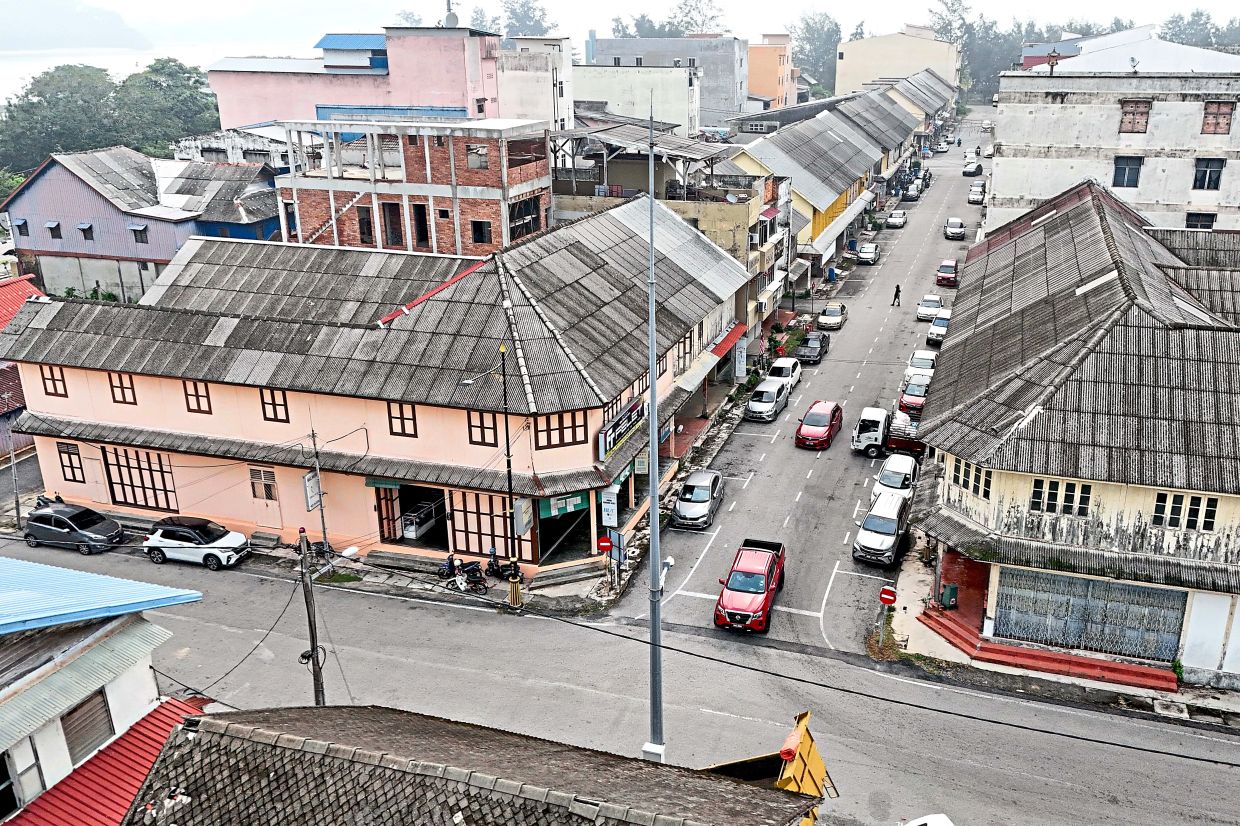
In the commercial heart of Kuala Dungun in Dungun, Terengganu, surviving rows of two-storey wooden shophouses – known locally as kedai kayu – stand as living testaments to a town once at the centre of the district’s trade and economic activity.
Built in 1933, these timber structures retain their original character, complete with wooden window frames, even as shopfronts have been adapted to fit present-day business needs.
Local trader and resident Ang Ah Kiang, 76, said the heritage buildings were closely linked to the town’s history, which saw it develop from a fishing village into an important trading centre.
He said economic activity picked up following the rapid development of the iron ore mining industry in nearby Bukit Besi, particularly from the 1930s to the 1960s, before the mine closed in 1970.
“The economic growth also indirectly spurred trade in Kuala Dungun, prompting the emergence of various shops catering to the needs of residents and workers,” he told Bernama.
Ang said about 100 wooden shop units were built between 1930 and 1960.
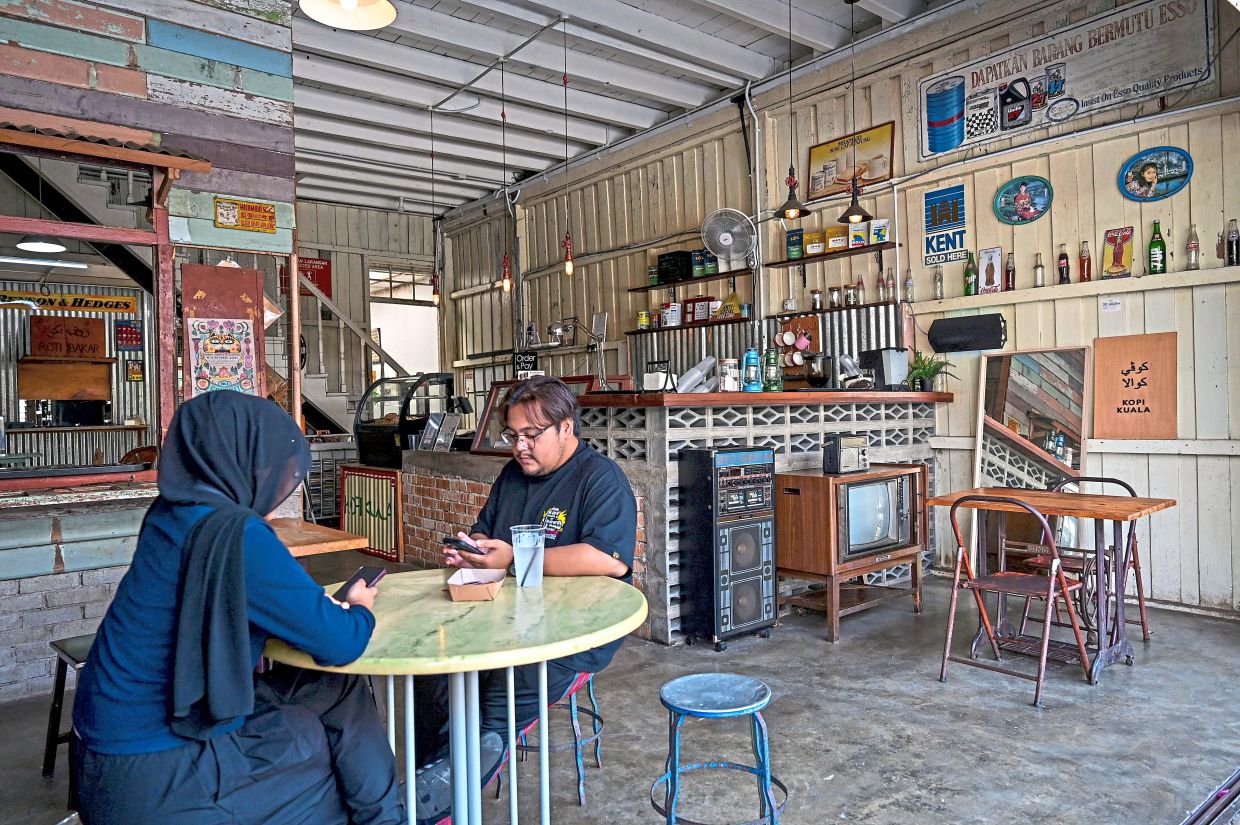
Today, they remain active, housing hardware stores, electrical shops, motorcycle dealerships, plasticware shops, grocery stores, photo studios and eateries.
Restaurant operator Mohd Kamal Hamid, 59, who rents a 90-year-old shophouse for RM1,200 a month, has been running his business from the site since 1986, continuing a lease his father started in 1980.
He said despite several renovations, the original timber framework had been preserved.
“I was told that the original owner of this wooden shop was a former employee of the iron ore mining company in Bukit Besi, who purchased the property in the 1930s,” said Mohd Kamal.
Malaysian Historical Society Dungun chapter honorary secretary Wan Mohd Rosli Wan Ngah said Dungun District Office formally reorganised Kuala Dungun in 1933, creating dedicated wooden shophouse lots to support trade growth.
According to him, more Chinese settlers at the time were purchasing land and the newly built wooden shophouses.
“Malay residents living in Kuala Dungun were relocated to a new, planned village in Kampung Tanah Lot,” said Wan Mohd Rosli.
He said Hokkien traders from southern China had originally migrated to the district as early as 1922, setting up along the Sungai Dungun estuary.
“They opened grocery, seafood and rubber trading businesses, eventually occupying many of the wooden shophouses after the town’s reorganisation in 1933,” he added.