TWO former agricultural sites in the Belum-Temenggor Forest Complex (BTFC), Perak, are being restored under a habitat enrichment initiative to boost food sources for wildlife and rebuild prey populations.
The project by World Wide Fund for Nature (WWF) Malaysia involves two plots measuring 0.4ha each, which were previously used by the Orang Asli as farms.
Since last year, both sites have been planted with Napier grass − a type of tropical grass favoured by herbivores − to ultimately provide a food source for prey species.
WWF-Malaysia Habitat Enrichment and Prey Augmentation assistant manager Haziq Harith Abd Hamid said the grass was grown from seeds collected within the forest, to ensure it was well-suited to the local ecosystem.
“As these plots are located within a protected area managed by Perak State Parks Corporation (PSPC), we have to comply with strict regulations.
“Our preliminary research indicates that these sites are paths commonly used by wild animals.
“Napier grass is chosen as it has high nutrient content, and can serve as a natural food source for many prey species.”
The work is being carried out by Orang Asli community rangers employed by WWF-Malaysia, who are also responsible for maintaining the sites.
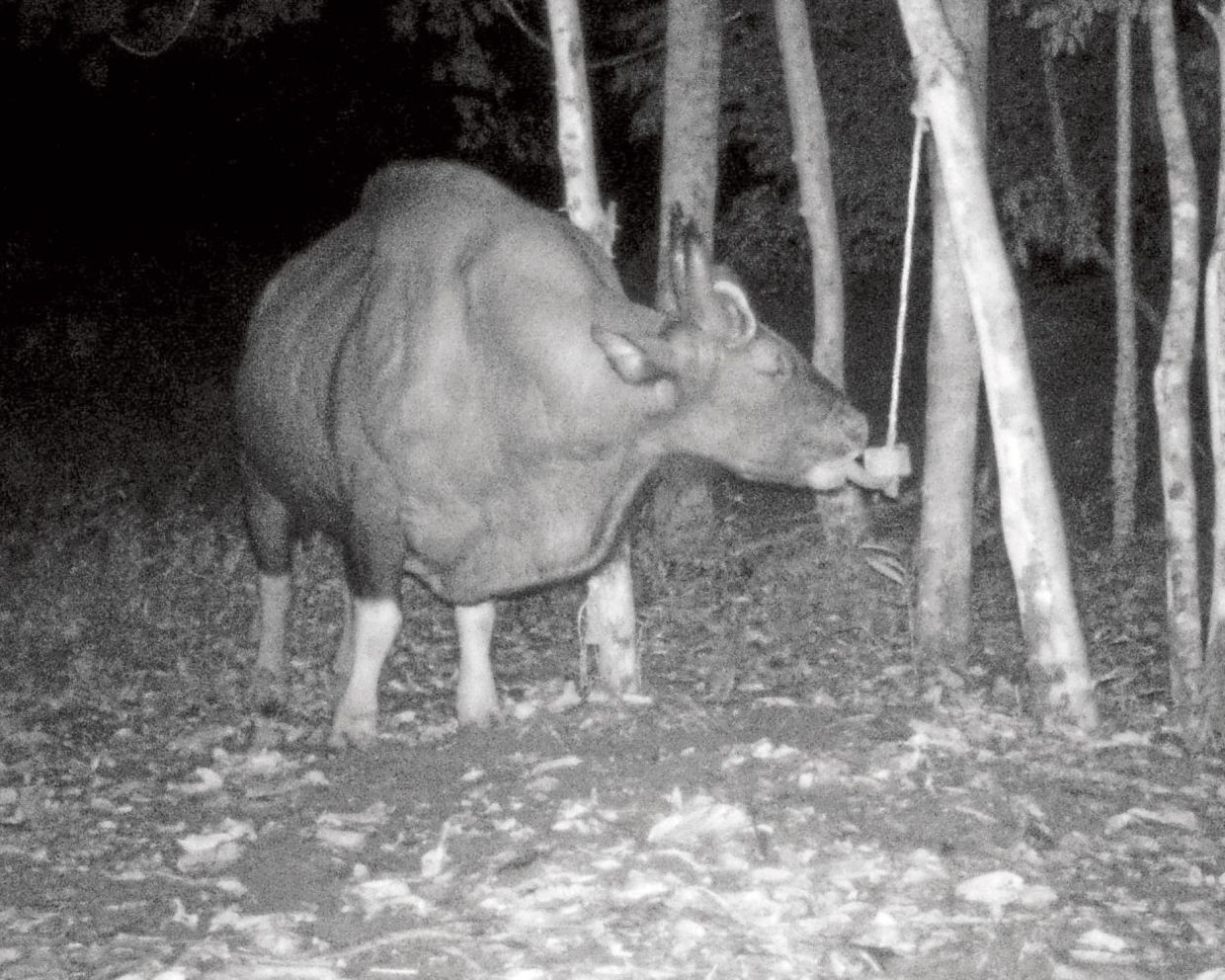
In addition to the grass, mineral blocks have been placed at strategic locations to supplement the animals’ diet.
Haziq Harith said the objective was to restore ecological balance by increasing prey availability, which in turn supported predator populations, especially the Malayan tiger which has declined in recent decades.
According to reports, there are fewer than 150 Malayan tigers left in the peninsula, a drastic drop from the 3,000 reported in the 1950s.
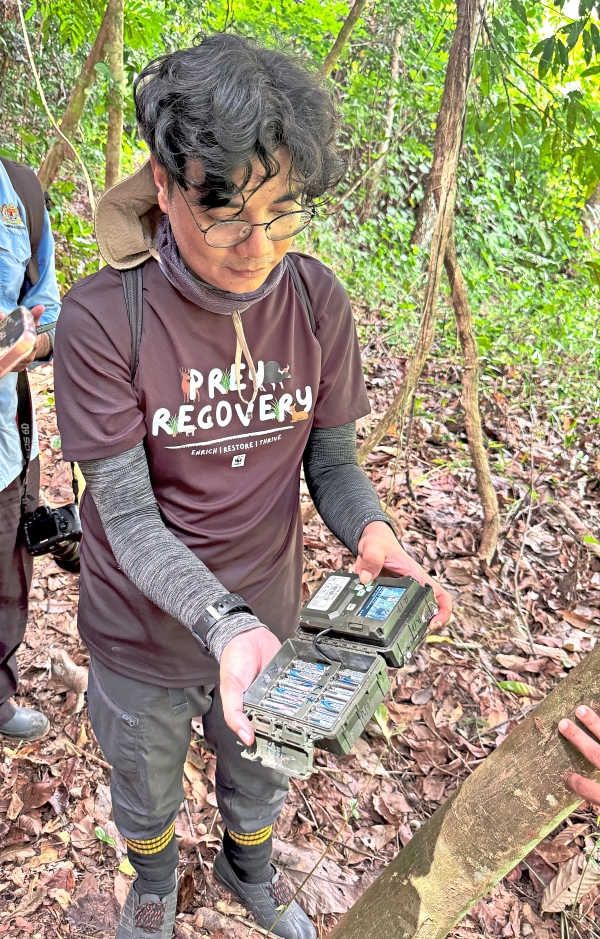
To monitor the project’s progress, Haziq Harith said two motion-sensor camera traps were installed at each site, with footage collected monthly for analysis.
“We have gathered more than 940 images so far, including gaurs, deer, muntjacs and monkeys.
“We have also recorded predators such as tigers and black panthers, which is an encouraging sign,” he said.