PERAK’S rapidly ageing population is putting greater pressure on healthcare, caregivers and the workforce, but senior citizens should not be viewed as a burden.
Experts said ageing should be approached as a lifelong process requiring early preparation, stronger community support and opportunities for older people to remain active, independent and valued.
National Population and Family Development Board (LPPKN) deputy chairman Juwairiya Zulkifli said 10.2% of the state’s population, or about 267,600 people, were aged 65 and above in 2025.
Speaking at Perak’s Population Seminar themed “Dignified Ageing: Caring Communities, Secure Senior Citizens” in Ipoh, she said the state’s ageing population was increasing rapidly due to lower birth rates, longer life expectancy, smaller families and youth migration.
“Without proper planning, the state could face a shrinking workforce, caregiver shortages and rising demand for healthcare and long-term care,” she said.
The seminar, organised by Perak LPPKN in conjunction with World Population Day, drew more than 300 participants from various government agencies and non-governmental organisations (NGO).
Demographic change
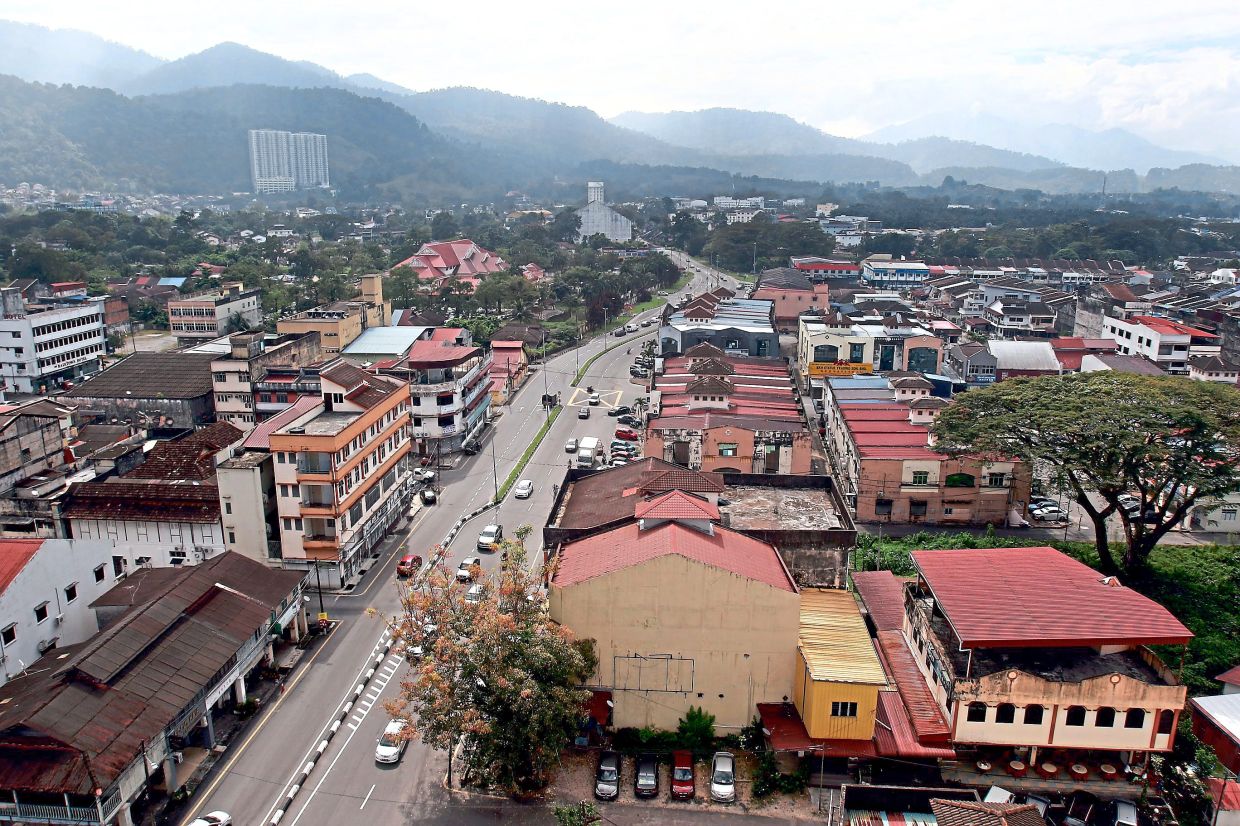
Juwairiya said Perak’s population, about 2.6 million, had a low growth rate of about 0.2%.
She said the ageing trend was also placing pressure on the “sandwich generation” – those caring for both their children and ageing parents while managing their work commitments.
Loneliness and social isolation among senior citizens, particularly those living alone, were other concerns that could affect their mental and physical well-being, she added.
However, Juwairiya said ageing should not be viewed as a burden because senior citizens continued to contribute their experience, skills and knowledge as workers, entrepreneurs, mentors and volunteers.
“The government is strengthening initiatives under the National Senior Citizens Policy and National Senior Citizens Action Plan, focusing on areas including health, protection, lifelong learning, social and economic participation, and supportive environments.
“Senior Citizens Activity Centres (Pawe), social therapy programmes and roles in grandparenting are among initiatives aimed at keeping older people active and connected,” she said.
She said Perak has started focusing on developing age-friendly communities.
Taiping is among the towns adopting this approach, with initiatives to create more accessible public facilities and senior-friendly spaces, she said.
“Age-friendly communities should be extended to more districts and local authorities.
“The planning should cover public transport, housing, healthcare and recreational facilities.
“Digital services should also be developed to meet the needs of people of all ages,” she added.
Role of grandparents
During her talk on “Passing Down Values: The Role of Grandparents in Shaping Family Character”, Perak LPPKN Information and Education Unit senior assistant director Wan Nur Azlina Wan Abdul Rahman said grandparents played an important role in strengthening family bonds.
They help by providing advice and emotional support, as well as passing down customs, culture and traditions to younger generations, she said.
Wan Nur Azlina said grandparents could also share their knowledge and experience while supporting their children and grandchildren.
However, she said the grandparents’ choices and time, particularly when asking for their help with childcare, should be respected.
“Parents should discuss such arrangements with grandparents instead of assuming they are obliged to care for their grandchildren.
“The importance of mutual respect between generations is equally important as younger and older family members face differences in technology, lifestyles and attitudes,” she said.
Wan Nur Azlina also touched on challenges facing Malaysian families, including financial pressures, delayed marriages, declining fertility and an ageing population.
She said Perak’s high proportions of senior citizens made preparations for healthy ageing increasingly important.
“Senior citizens are encouraged to remain active by joining community programmes, pursuing hobbies, volunteering and maintaining social connections to reduce loneliness and isolation.
“The ‘sandwich family’ issue, where couples care for both their children and elderly parents, is a growing challenge.
“It creates financial, emotional and mental strain,” she said.
She said LPPKN developed programmes covering grandparenting and intergenerational relationships, with participation open even to those below 60 as part of early preparation for ageing.
Community pit stops
Another speaker, Universiti Malaya Urban and Regional Planning department head Assoc Prof Yong Adilah Shamsul Harumain said she introduced the Hentian Komuniti concept in Taiping in 2016.
In her talk titled “Empowering Senior Citizens as Old Timers Taiping and Hentian Komuniti Mobile App”, she said the concept, inspired by Japan’s Machinoeki approach, was introduced in Taiping to promote a more liveable and sustainable town.
“Hentian Komuniti can empower senior citizens by providing age-friendly spaces where they can interact, access information and contribute their knowledge and services to the wider community,” she said.
Born in Taiping, Assoc Prof Yong Adilah said upon returning from Japan, after completing her PhD, she was given the opportunity to bring the concept to Malaysia.
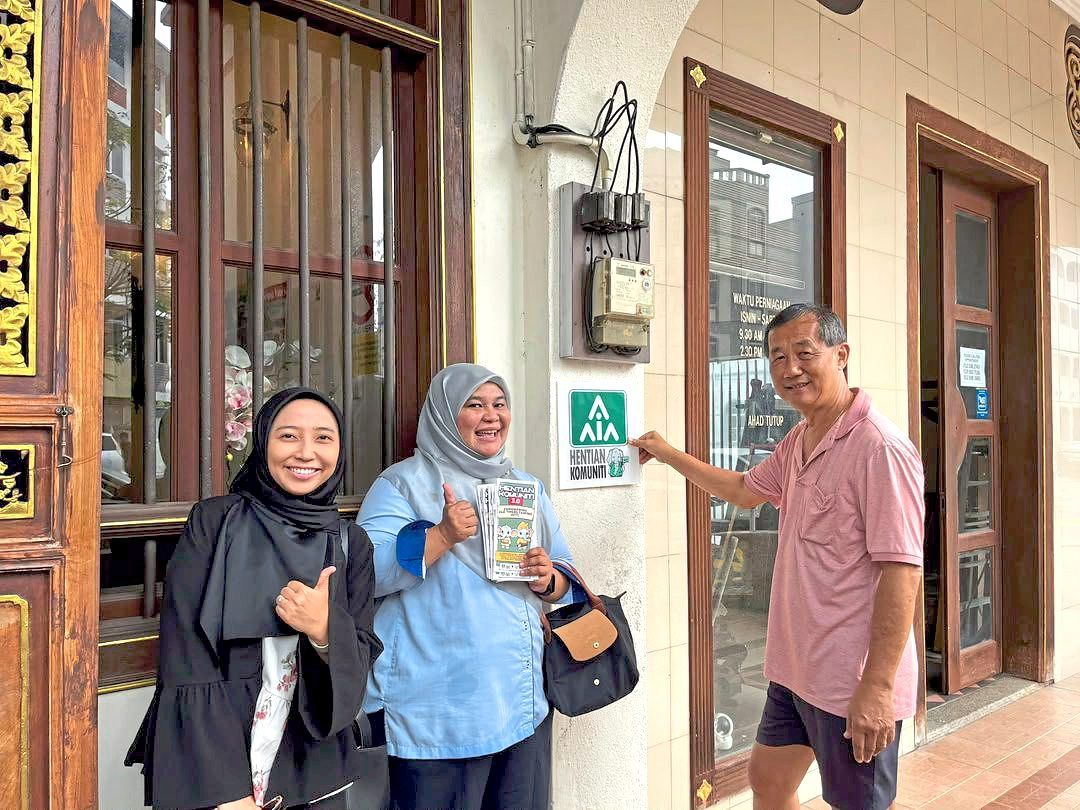
“I wanted to contribute something to my hometown, and worked with the local council to implement it in Taiping.”
Existing buildings and public spaces, she said, could be upgraded into community pit stops, serving as information centres and meeting places for senior citizens.
“A vegetable shop, a library, a government office, or a university can become Hentian Komuniti.
“The important thing is that these places are age-friendly and provide what people need, with clear signage indicating that a particular place is a community pit stop.”
When the initiative first started, she said five community pit stops in Taiping were identified, although two were no longer active.
Six new stops were added last year, she added.
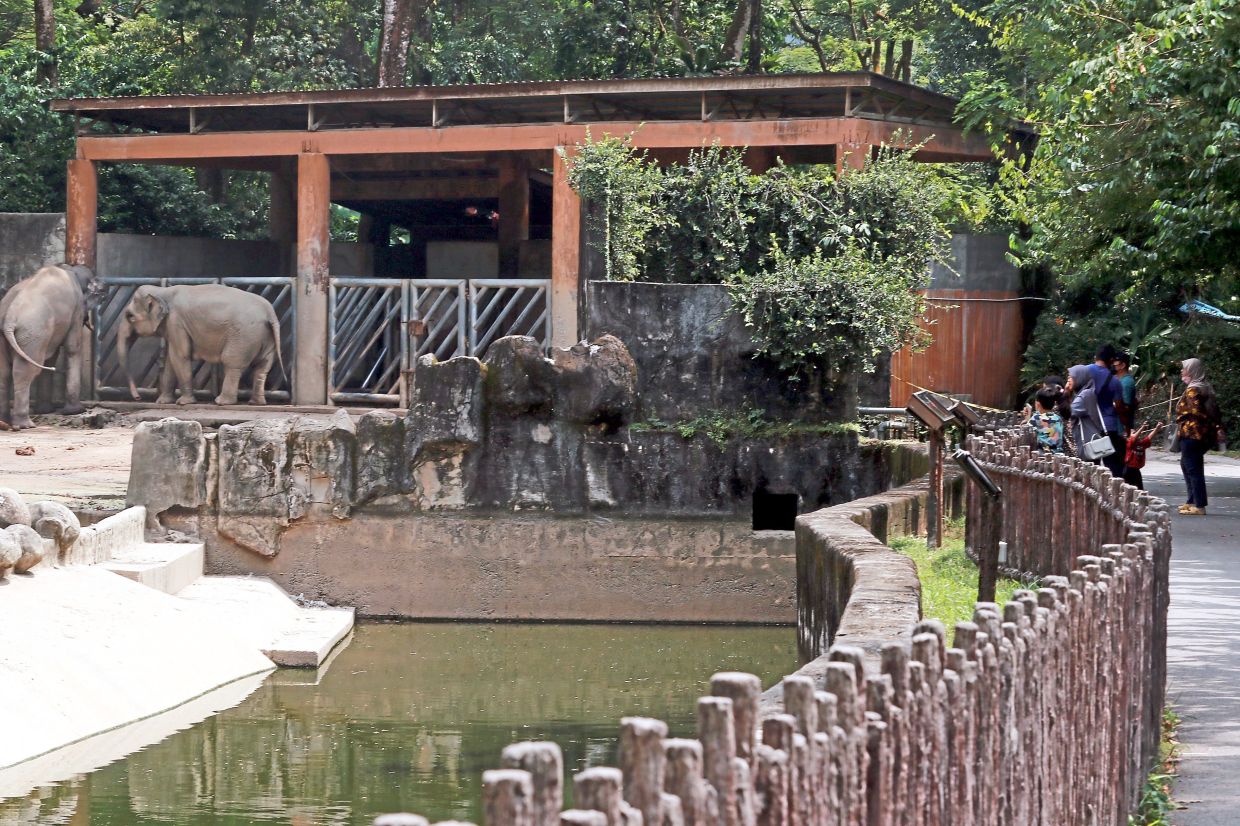
The nine active pit stops now are the Taiping Library, Perak Museum, Taiping Gallery, Zus Taiping Lake Garden, Taiping Zoo and Night Safari, Gigi Cafe, Yinns Patisserie, Kopi Antong and Wisma Perbandaran Taiping.
Lifelong ageing process
Kinta District Health Office public health medicine specialist Dr Muhamad Danial Salim said healthy ageing required early preparation.
People are encouraged to undergo regular health screenings and build strong social
support networks well before reaching old age.
During his talk titled “Ageing without Complications: Safeguarding the Well-being of Senior Citizens”, Dr Muhamad Danial said ageing was a lifelong process, and younger people should prepare for old age while senior citizens should focus on maintaining independence and managing their health.

Healthy ageing, he said, included having good social support, maintaining cognitive function, avoiding depression, remaining independent in daily activities and keeping chronic diseases under control.
“The ‘geriatric giants’, including falls, immobility, incontinence and cognitive impairment, are common challenges faced by older people.
“Age-friendly homes and public facilities, including accessible toilets, support rails and mobility aids, can help senior citizens remain independent and active.”
Dr Muhamad Danial said people should identify what gave them purpose and happiness in later life, whether through family, community activities, religious groups or senior citizen centres.
He said there were three levels of prevention – primary prevention through healthy lifestyles and early preparation, secondary prevention through regular health screening, and preventing complications among those already living with diseases.
“Regular screening for conditions such as diabetes and high blood pressure, as well as breast cancer screening, is important to detect health problems early.
“Healthy ageing requires cooperation between individuals, families, government agencies and community organisations to ensure senior citizens remain active, supported and able to enjoy a meaningful life,” he added.
Policies for senior citizens
State Social Welfare Department’s Persons with Disabilities and Senior Citizens Development Division assistant community development officer Nur Nabilah Ramli said there was a need for stronger measures to protect and support the ageing population, including a specific law for senior citizens.
In her talk titled “Breaking Stigma: Understanding and Supporting Senior Citizens Holistically”, she said the National Senior Citizens Policy and Action Plan aimed to ensure older people remained independent, dignified and able to enjoy a good quality of life.
She said Pawe centres were among the key initiatives, with the number of centres nationwide increasing from 59 in 2018 to 217 in 2026.

There are 23 Pawe centres in Perak.
“Pawe centres provide activities ranging from health programmes and exercise to religious activities, skills development and income-generating projects,” she said.
Nur Nabilah said the government provided RM500 monthly Senior Citizens Assistance, with 17,391 recipients in Perak.
Other support, she said, included residential facilities, home help services and community volunteers.
“Perak has 568 volunteers, many of whom are senior citizens themselves.
“However, the department continues to face challenges involving neglect and abuse, unregistered care centres, limited government residential capacity, digital literacy, online scams and a shortage of professional caregivers.
“Reports of senior citizens being neglected or abused are being received through Talian Kasih 15999, highlighting the need for stronger legal protection,” she said.
Nur Nabilah said Malaysia currently had policies and action plans but no specific Senior Citizens Act, although the government was working towards introducing the Act to strengthen protection against neglect and abuse.
Protecting and empowering senior citizens could not be achieved by the department alone, she said.
It required cooperation among the government, local authorities, NGOs, communities, families and senior citizens themselves to ensure they could age with dignity, remain active and independent, and lead safe and meaningful lives.
Pawe Tambun participant Norhayati Mohd Arof, 66, said through the seminar, she learnt that senior citizens must always be active.
“At retirement we should not sit at home doing nothing and fall into depression or be a burden to our families,” said the former private corporation clerk.
UTC Perak Pawe chairman Datuk Tan Lian Hoe proposed establishing a community pit stop at Taman D.R. Seenivasagam in Ipoh to encourage senior folk to make greater use of public parks.
She said this would provide a space where senior citizens could relax, socialise and spend time with friends.
“Taman D.R. Seenivasagam is being considered due to its proximity to the UTC Pawe located in Waller Court, allowing senior citizens to walk to the facility.
“It’s a very good place where senior citizens can sit down and relax with their friends,” she said.
However, Tan said Pawe would first need approval from the Ipoh City Council before the proposed community stop could be established.
She said the initiative was among ways to encourage senior citizens to be more active and utilise public parks.
“Parks in other countries are mostly fully utilised unlike in Malaysia, where its parks are not properly utilised and cleaned,” she added.
Tan also highlighted the need for authorities to improve security at public parks to ensure senior citizens feel safe when using the facilities.