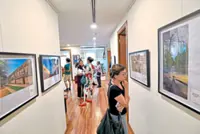
MAYAN ruins, colonial arches, cactus forms and modern spaces meet in a new photographic exhibition at the Embassy of Mexico in Malaysia.
The exhibition, called “Syncretisms: Transformed Landscapes of Mexico”, features works by Mexican architect and photographer Juan Albert Estevan.
It uses composite photographs to show how Mexico’s past and present continue to sit side by side in its buildings, landscapes and daily life.
Mexican Ambassador to Malaysia Luis Javier Campuzano Pina said the exhibition offered visitors a view of Mexico shaped by different cultures, beliefs and periods of history.
He said Mexican syncretism reflected the blending of indigenous, Aztec, Mayan and Spanish Catholic beliefs, traditions and aesthetics.
“This cultural fusion created a uniquely resilient Mexican identity,” Campuzano Pina said at the exhibition’s opening ceremony.
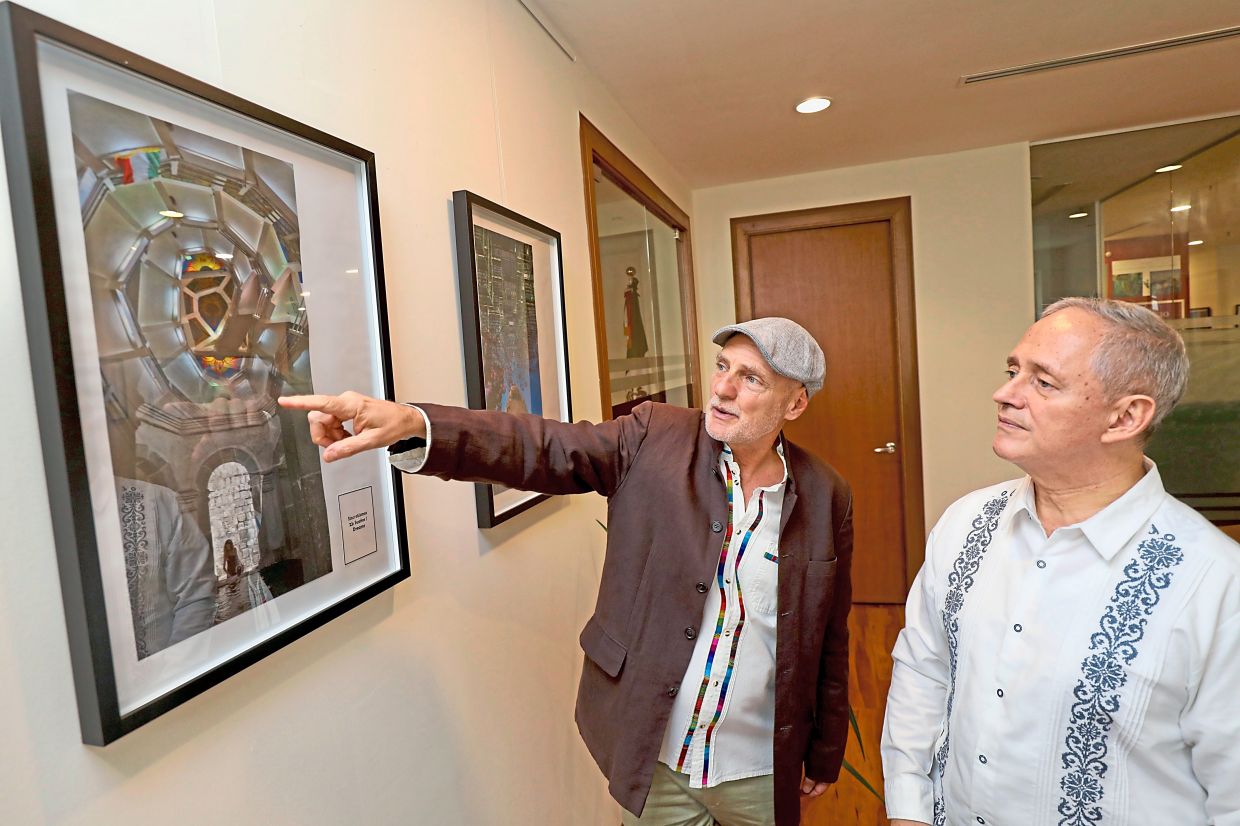
He said the images explored Mexico through layers of creation, destruction, permanence and transformation.
“The past merges with the present, the allegorical with the everyday, the cosmic with the artisanal,” he said.
“Both Mexico and Malaysia share the experience of being shaped by different communities, languages and traditions.”
He further said the exhibition highlighted just how colourful and culturally diverse Mexico is, which closely paralleled the experience here in Malaysia.
The event also carried a personal note for the ambassador, who said he and Estevan were childhood friends; they have known each other since they were six.
Estevan now lives in Barcelona, Spain, but their friendship began in kindergarten in Mexico City and continued through their school days.
Estevan said the works in the Kuala Lumpur exhibition were created specially for the show, although many of the photographs used in the compositions were taken over several years.
He went through his archives and matched images from different periods of Mexico’s history to create the final works.
Some images bring together pre-colonial influences, including Mayan and Aztec references, with Spanish colonial churches, monasteries and modern Mexican scenes.
Estevan said the works covered about 2,000 years of history, noting that Mexico’s contradictions were part of what made the country visually and culturally rich.
“Mexico is a great country, full of contrasts, full of layers, full of contradictions and full of tensions,” he said.
He added that the works were driven more by emotion than explanation, describing them as open pieces that invited viewers to form their own interpretations.
The exhibition is also a tribute to surrealism, recalling French writer Andre Breton’s description of Mexico as a surrealist country.
Campuzano Pina hopes the exhibition will encourage more Malaysians to discover Mexico through its art, architecture, food and cultural diversity.
Launched in June, it will be open for more than a month and can be viewed for free during the embassy’s office hours.
For enquiries, call 03-2164 6362 or e-mail embmalasia@sre.gob.mx