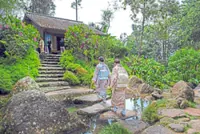
A TRADITIONAL Japanese tea ceremony is perhaps the last thing one expects to experience in a Malaysian rainforest.
Yet, at the Japanese Garden in Berjaya Hills, Bukit Tinggi, where the Japanese Teahouse is located, visitors can step into a world where centuries-old Japanese traditions unfold amid towering trees and cool air.
The unusual fusion of an ancient tradition with a rainforest makes the teahouse a unique attraction.
The gentle sound of flowing water and the stone pathway create an atmosphere of tranquillity, reminiscent of a traditional Japanese retreat.
Teahouse manager Chan Lai Chean said visitors could take in the surroundings as they participate in the ceremony and sip freshly whisked matcha.
“This is the first Japanese teahouse in a tropical forest,” Chan told Bernama, adding that the tea ceremony followed the Omotesenke tradition, one of the primary schools of the Japanese tea ceremony that preserves an age-old ritual of tea preparation, etiquette and aesthetics.
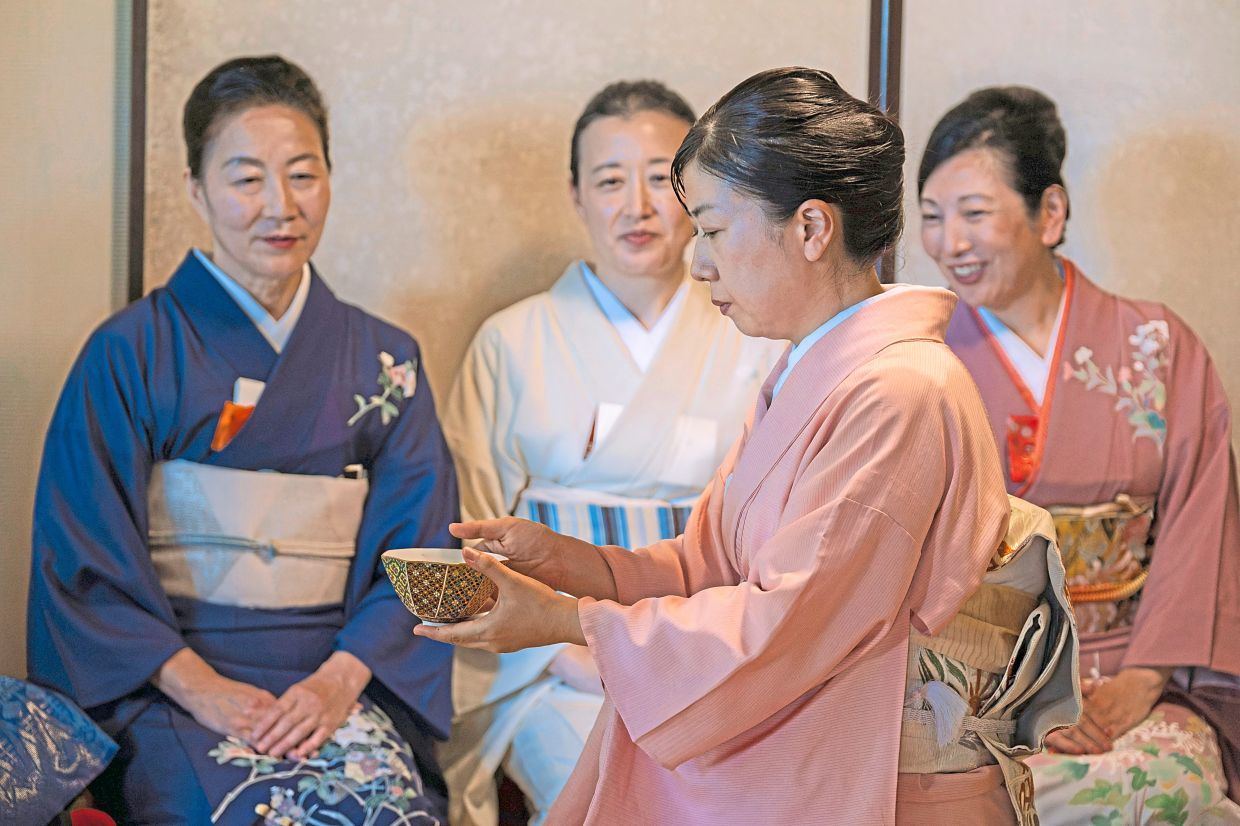
Each session is intimate, involving just four to five participants.
Chan said every element within the Japanese garden and teahouse had been carefully planned to preserve authenticity while adapting to its unique setting in a forest.
The garden was designed by a Japanese architect, while the teahouse was constructed using materials from Japan.
Perched about 1,067m above sea level, the site combines traditional aesthetics with a cool climate, making the experience truly distinctive.
“In Japan, there are four seasons.
“Here, guests will get to experience Japanese culture surrounded by tropical greenery.
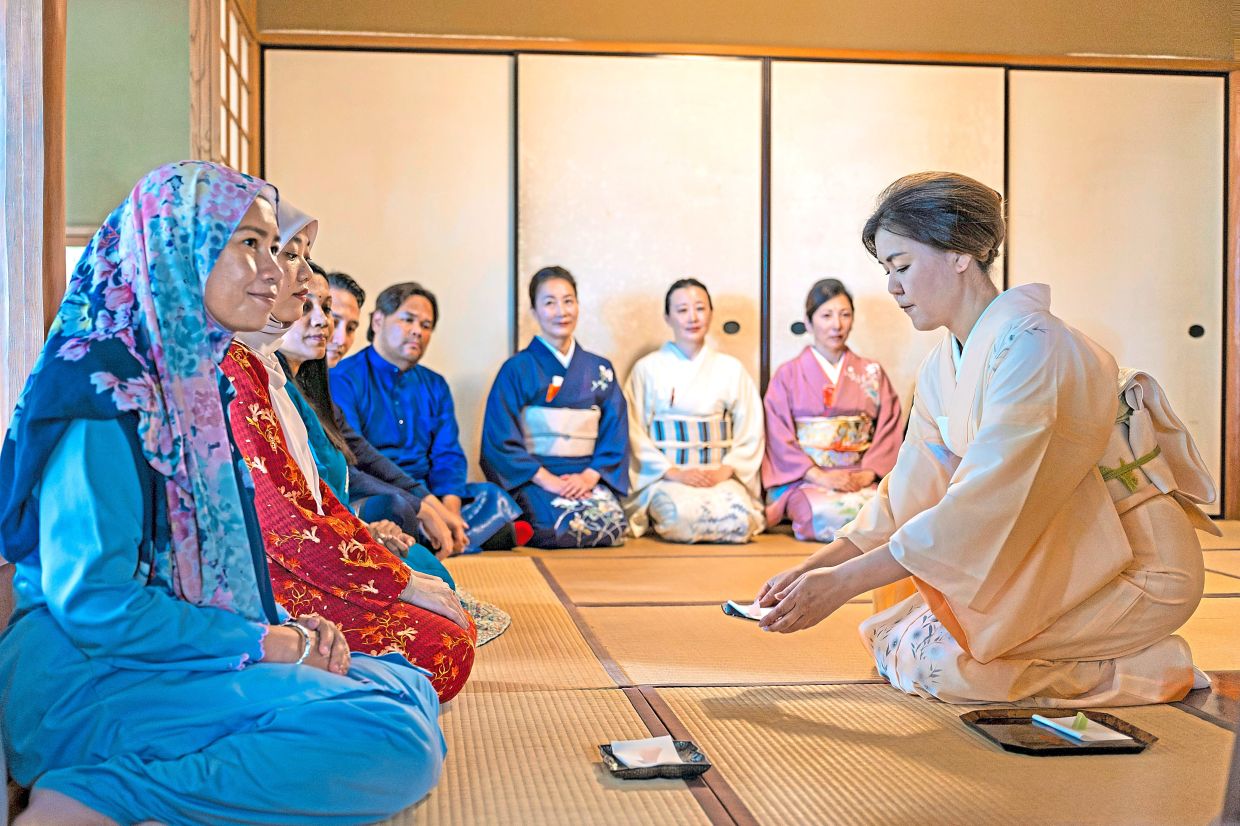
“That contrast is what makes it special,” said Chan, adding that visitors can also don a kimono.
Meanwhile, Omotesenke Kuala Lumpur branch representative Rie Yamamoto said the Japanese tea ceremony was also about sharing the philosophy behind the centuries-old practice and how matcha was traditionally prepared.
“In recent years, matcha has become popular in Malaysia.
“However, many people are still unfamiliar with the proper way matcha is prepared in a traditional tea ceremony.”
Yamamoto said the ceremony introduced participants to the proper sequence of enjoying matcha, which begins with eating a sweet confection before drinking the tea.
“Ceremonial matcha is made from carefully selected young tea leaves that are steamed, dried and ground into a fine powder.
“It differs from instant matcha used for cooking or everyday beverages.
“Because matcha green tea is a bit bitter, we eat the sweet dessert first and then drink the tea.”