TWO blocked-off streets and neglected “dead zones” in a Petaling Jaya neighbourhood are getting a fresh lease on life under a pilot initiative The Petaling Jaya City Council (MBPJ) is partnering with local residents in SS23, Taman SEA,
to test a new placemaking approach on the gated-off side lanes.
Rather than relying on restrictive physical barriers that spark access complaints, the hyper-local trial focuses on inclusive design to balance neighbourhood security with public accessibility.
If successful, this experiment could serve as a city-wide blueprint for converting urban dead zones into shared community spaces.
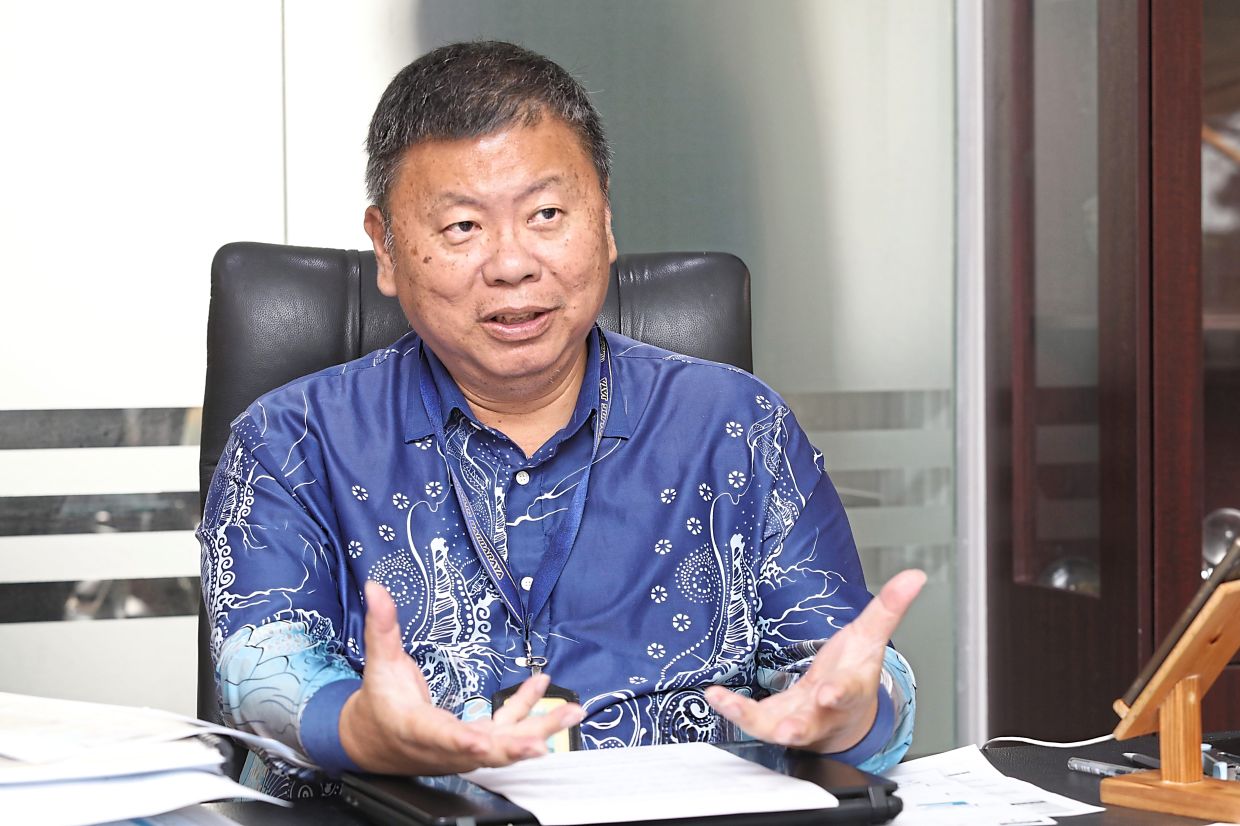
Former MBPJ Development Planning Department director Lee Lih Shyan, who was among those who initiated the pilot project, said the initiative was to improve gated communities through a more holistic and people-oriented approach.
Lee said MBPJ introduced the Gated Community Scheme Guidelines in 2011 to balance urban planning with safety and public interest.
To date, he said, the city received over 600 complaints regarding road access barriers, uncontrolled installation of boom gates and conflicts between residents.
“The implementation has given rise to various issues, from uncontrolled road closures to physical barriers that hinder mobility and emergency access.”
“We are also seeing growing conflicts between residents who participate in these schemes and those who do not,” he said.
MBPJ’s placemaking project will redesign such areas into functional, inclusive community hubs such as open spaces or pocket parks .
“The new approach focuses on three primary goals: resolving conflicts in the use of public spaces, balancing aspects of safety and accessibility, as well as restoring the original function of the road network in a more planned and inclusive manner,” said Lee.
“The pilot project will reassess roads that have been obstructed or closed off, and look for opportunities to revive them as safer, greener spaces.
“This involves converting parts of these areas into community spaces, such as mini green lungs or better-designed cul-de-sacs, rather than just leaving them as blocked-off lanes,” he said.
Lee added that the new strategy looked into making safety a byproduct of sustainable and inclusive urban design, rather than just a series of physical barriers.
The placemaking idea was mooted by MBPJ following a series of workshops on improving the Gated Community Scheme Guidelines and meetings with residents’ representatives held between October 2024 and November 2025.
Lee said it involved a collaborative implementation with various stakeholders, including technical agencies and local residents.
The technical agencies included the Fire and Rescue Department, police, Petaling Land and District Office (PTD) as well as utility companies.
Their input was crucial in ensuring compliance with laws regarding emergency access and road gazettement as well as balance between development, safety and access.
Testing the concept
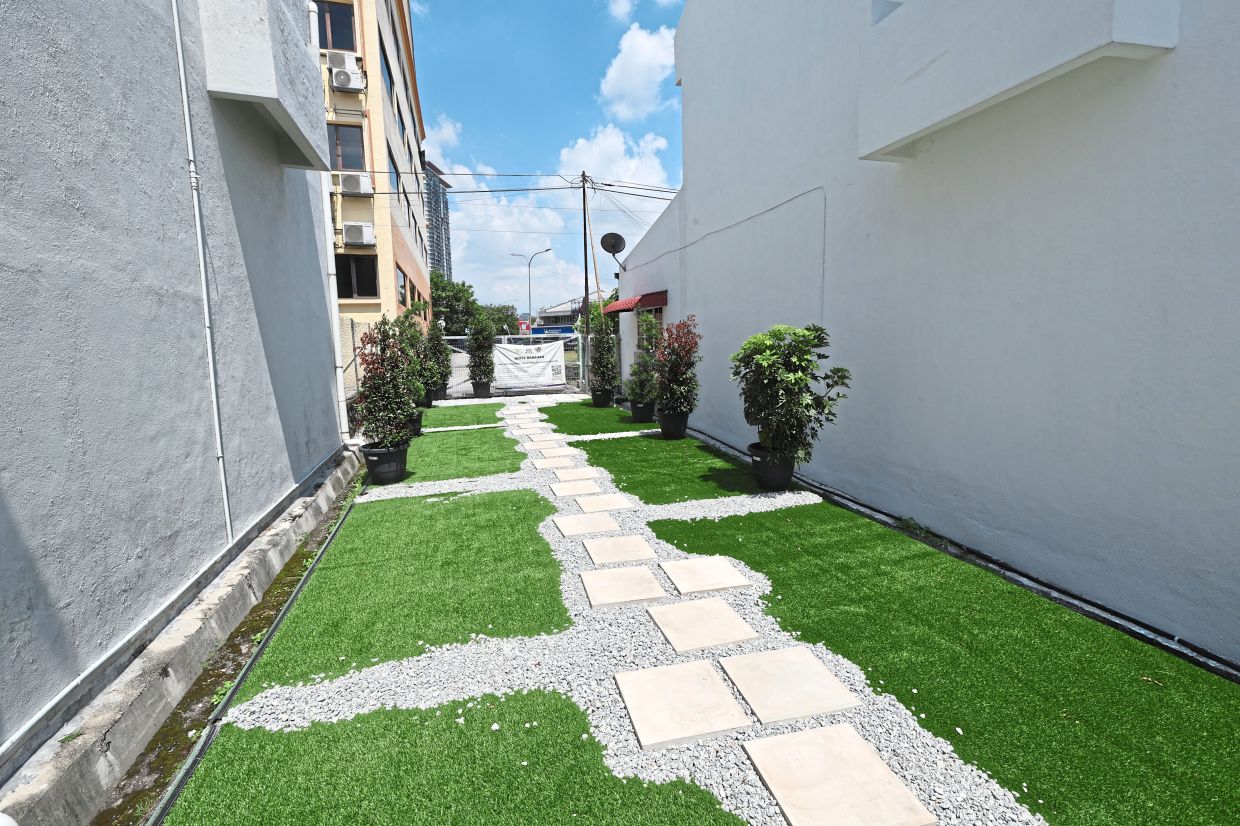
The placemaking project is being trialled on two side lanes between terrace houses along Jalan SS23/9.
They link the residential area to the Jalan SS23/11 shops, but were fenced up as part of the neighbourhood’s gated community scheme and were used as parking spaces.
The lanes are being converted into communal spaces for other community-oriented activities.
“The local community groups will manage the site and engage with residents on suitable activities, site readiness and project effectiveness,” said Lee.
MBPJ Development Planning Department senior assistant director Nazihah Jaafar said residents played a key role and the project’s long-term success would depend on the community’s involvement in planning and implementation, as well as their feedback to ensure the project would remain aligned with actual local needs.
The initiative, approved by MBPJ in June 2025, is currently undergoing a monitoring and feedback period.
Lee added, if successful, MBPJ would apply with the PTD to degazette the two side lanes under the Street, Drainage and Building Act 1974 (Act 133) and regazette it as a green space.
He added this process would take about six months.
“A successful result could see this model expanded across Petaling Jaya.

“However, if it is unsuccessful, the project will be re-evaluated for adjustment or cancellation.”
Lee noted that the project’s goal was a sustainable balance between safety, accessibility and quality of life for residents.
Neighbourhood rollout
The community leaders of SS23, Taman SEA have welcomed the placemaking project as a way to enhance the landscape of their neighbourhood while maintaining the security scheme.
It is a mature neighbourhood in Petaling Jaya with 1,488 homes divided into four zones. The project is being implemented in Zone One, which covered 424 homes.
“MBPJ approached us with the concept. The landscaping elements will beautify the side lanes while ensuring the fence and gates remain in place for security purposes,” said SS23, Taman SEA Rukun Tetangga (RT) chairman Lim Pay Chye.
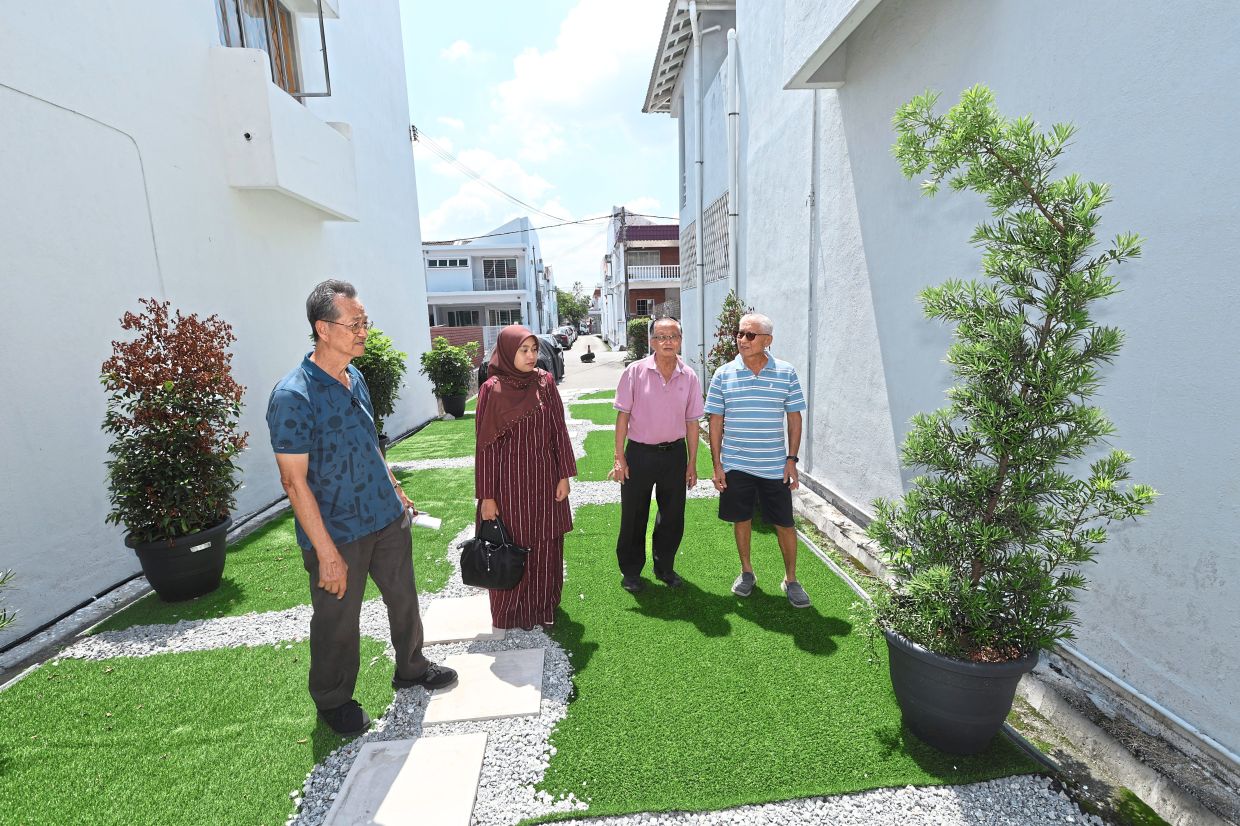
SS23, Taman SEA Residents Association (RA) chairman Tan Chee Sang said the neighbourhood installed a security system about 20 years ago and later fenced up the area in a bid to address crimes such as snatch thefts and break-ins.
“One of the side lanes is unlocked in the daytime for residents to walk to nearby shops to do their grocery shopping or get their meals. It is locked by our security guards at night.
“The other side lane is kept locked most times as it is rarely used, but neighbours have keys should the gate need to be unlocked,” said Tan.
Lim said MBPJ officers told the committee that there should not be permanent or large structures at the placemaking site.
Lim, who is an architect, took the lead for the project and landscaped the area with potted plants, artificial grass, granite chippings, concrete slabs and pre-cast concrete benches.
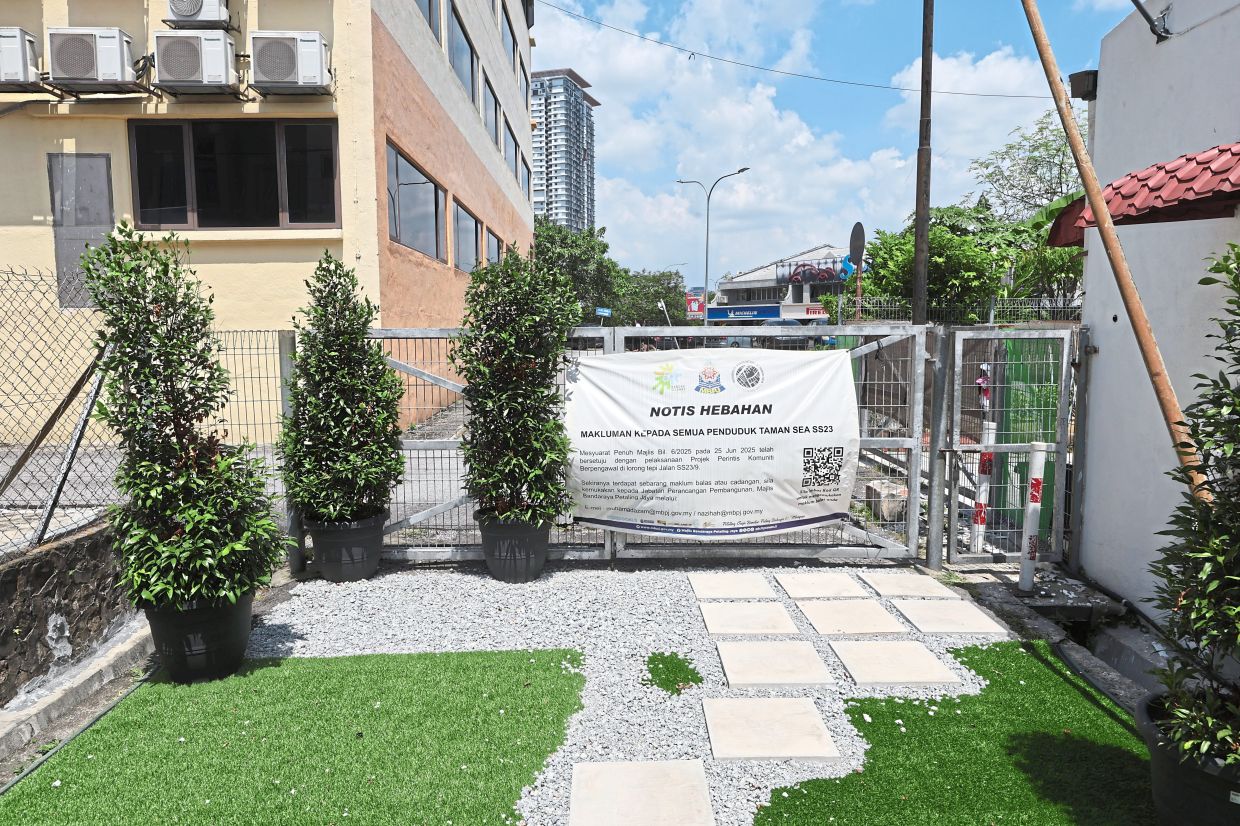
He planned to instal solar-powered street lights later to brighten the lanes that measured about 24m by 6m each.
Some RM12,000 was used for all the landscaping materials, with funds sourced from the RT, RA and MBPJ councillor Quratulain Atiqah Norzahirul Anuar’s office.
“About 80% of residents are supportive of this idea; it will take a bit of effort to convince the remaining 20%,” said Lim, adding that regular communication and education were required in informing residents.
“The challenge is to explain how the project would benefit residents and to get immediately affected parties to park their cars further away from the side lanes.”
Lim and Tan felt the majority are happy with the placemaking project as it beautified two lanes and offered pocket parks where residents could hang out.

Quratulain Atiqah said MBPJ’s officers assisted and facilitated the project where possible.
“For example, they had site visits and meetings to iron out issues and assured residents this project was regulated by MBPJ,” she said.
“MBPJ placed banners at each lane to explain the project and to gather residents’ feedback.
“They also advised residents on the types of plants suitable for the project, emphasising on those that are low maintenance, are not the fruiting type and do not have deep roots,” she said.
On whether the placemaking project could be seen as a viable alternative to addressing the conflict from gated community schemes, she said it would depend on factors such as site suitability and commitment of its community leadership.