Teaching has long been esteemed as a noble profession.
While some find inspiration in their own tutors, others are moved by kin who ignite a fervour for lifelong learning.
For these individuals, being an educator is a legacy across generations rather than a mere career.
To mark Teachers Day, StarMetro interviews families of educators dedicated to moulding minds.
Though their methods and backgrounds vary, they remain united by the conviction that education transcends textbooks, rooted instead in discipline and compassion.
Whether in lecture theatres or martial arts halls, their singular mission persists: to uplift others through wisdom and genuine care.
Family support
Sixty-year-old Azman Sharif said his father’s advice to become a teacher had greatly shaped his life.
The retired principal of SMK Bandar Saujana Putera in Kuala Langat, Selangor, has 13 educators in his family.
His wife Nor Aishah Bidin is a counselling teacher, while three of their four children are also educators. Their youngest, who is still in secondary school, hopes to become a history teacher.
Both of Azman’s parents-in-law were teachers, as are several of his brothers- and sisters-in-law.
Hailing from such an extensive lineage of teachers ensures that school affairs, pupils, and educational policies are permanent fixtures of any family gathering.
“We even have a WhatsApp group that constantly shares education-related news and updates,” said Azman.
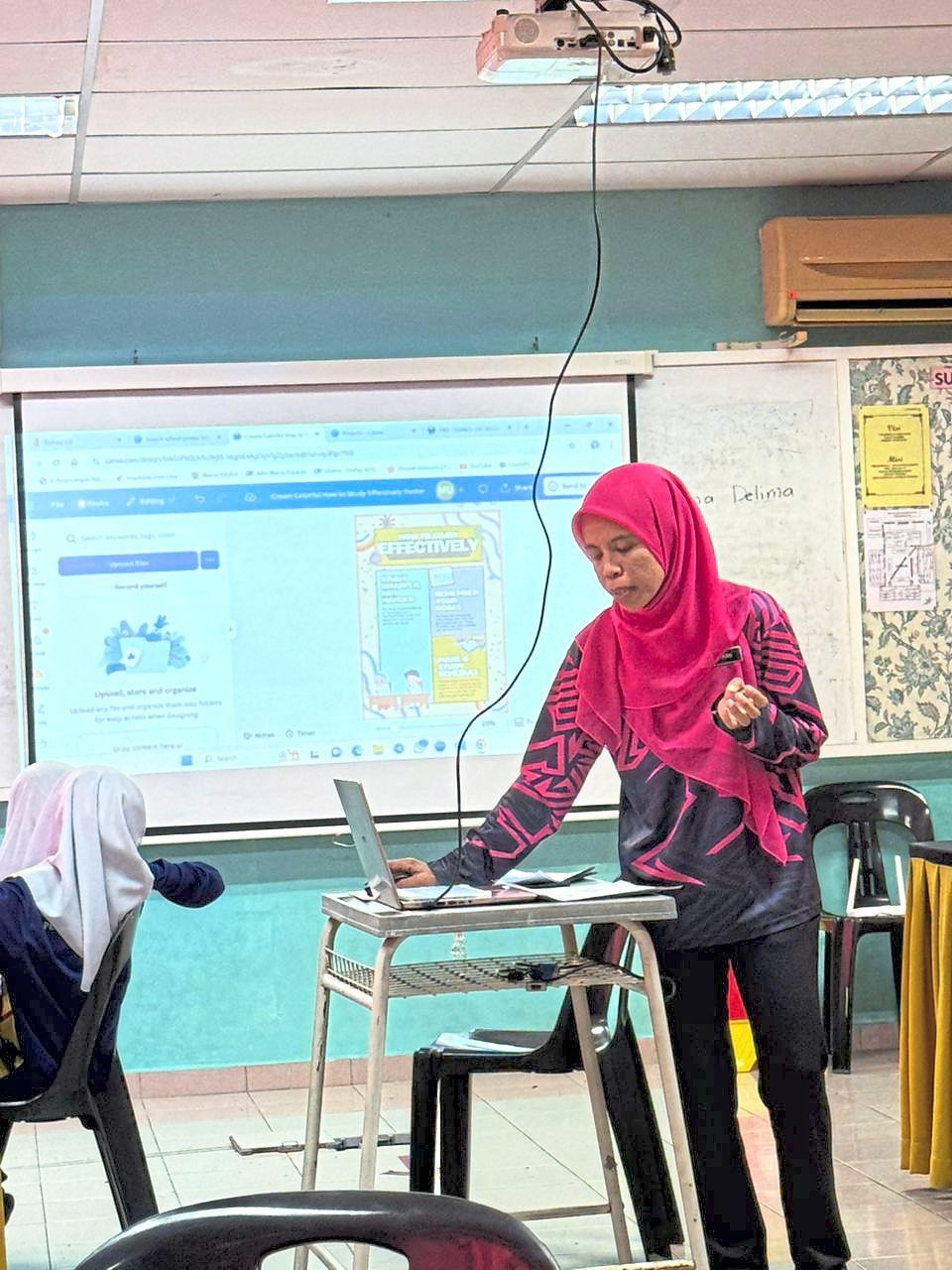
Known for his passion for history, he still conducts free history tuition classes called “Kelas Cikgu Azman” at Perpustakaan Sultan Abdul Samad Banting every Friday.
He recalled volunteering as a young teacher to be posted to Sarawak in 1989 to gain experience.
“I was posted to Sarikei and taught there for four years.
“I used electric generators in class, bathed in the river and drank boiled rainwater. It was completely different from life in the city,” he said.
Azman, who hails from Melaka, met his wife during his teacher training years.
“She was my junior. We eventually became life partners,” he said.
He never pressured his children to become teachers, although they naturally gravitated towards the profession after growing up in a household centred around education.
Azman described himself as part of the “typewriter generation” but stressed that modern educators must adapt to technology and digital learning.
“We cannot refuse to learn.
“Teachers who do not want to embrace technology will eventually be left behind,” he said.
Beyond academics, Azman believes teachers must carry themselves with humility and patience.
“I mingle with everyone in school, including the cleaners. Sometimes I buy them drinks or roti canai because they are also part of the school ecosystem and deserve respect,” he said.
Azman’s daughter, Nurul Aimi Fatiha, 34, who teaches English at SK Tasik Puteri 2 in Rawang, said she grew up watching both her parents dedicate their lives to teaching.
“As children, we helped staple together test papers and handled minor school-related work, which became part of our daily routine,” she recalled.
Her teaching style combines her father’s strict discipline with her mother’s softer and more persuasive approach.
Nurul Aimi Fatiha said many students today struggle emotionally due to family problems.
“I see students from broken families, some of whom face discipline issues.
“My priority is to make sure they continue attending school.
“Children who lack attention at home sometimes act out because they want someone to notice them,” she said, advising teachers to first ensure such students are emotionally stable before focusing on academics.
Azman’s brother-in-law, Kamal Ariffin Bidin, 58, who retired early from teaching to care for his wife who suffered a stroke, said having many teachers in the family created a strong support system.
“When the government introduced the online key-in system for marks, many teachers struggled.
“As we had many educators in the family, we could share tips and information,” he said.
Kamal said one challenge of having many teachers in one family was coordinating leave during emergencies or festive periods.
“When our parents were sick, we had to plan carefully because everyone needed leave at the same time,” he said.
On the plus side, he said the most rewarding aspect of teaching was seeing former students grow into responsible adults.
“I was once a disciplinary teacher; many problematic students came from difficult family backgrounds.
“Today, some of them greet me warmly and even pay for my meals when they see me,” said Kamal.
“Those moments make me feel proud because I see that they have turned out well in life,” he said.
Discipline through martial arts
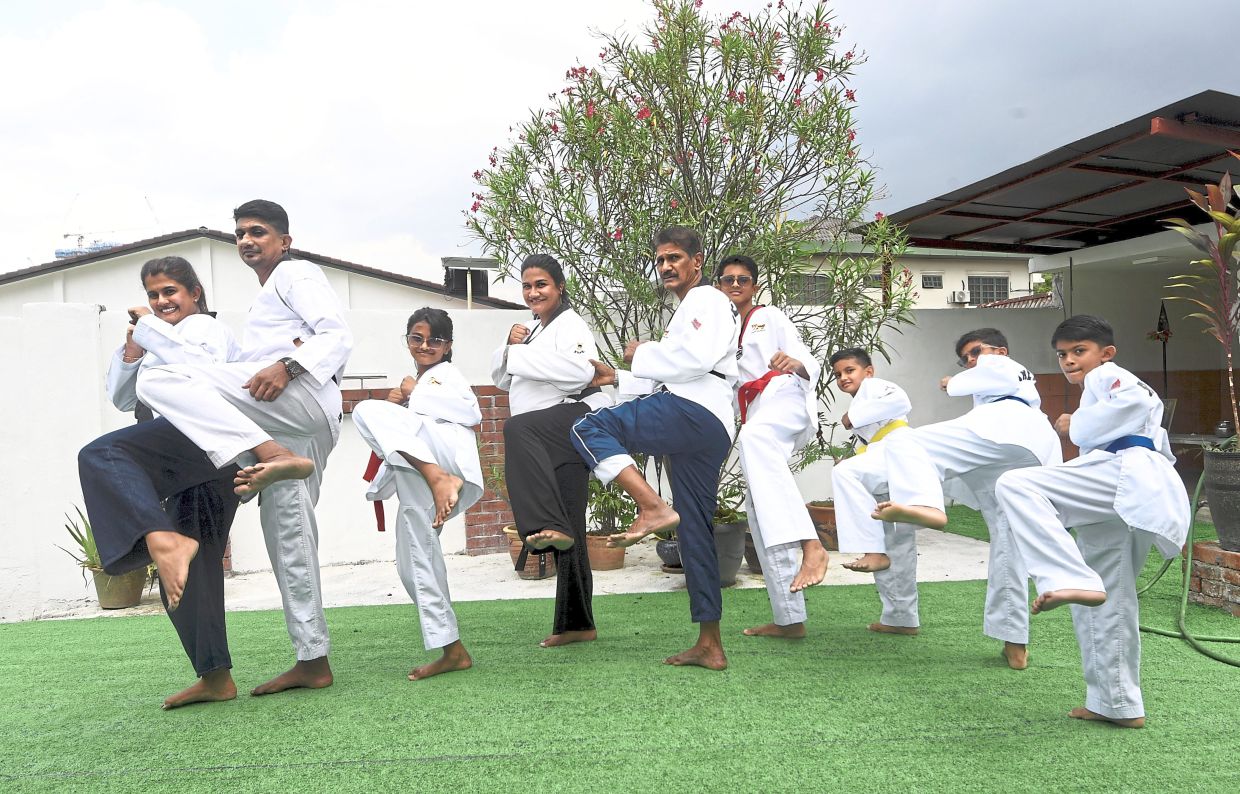
For the Karan family, education comes in the form of martial arts, discipline and resilience.
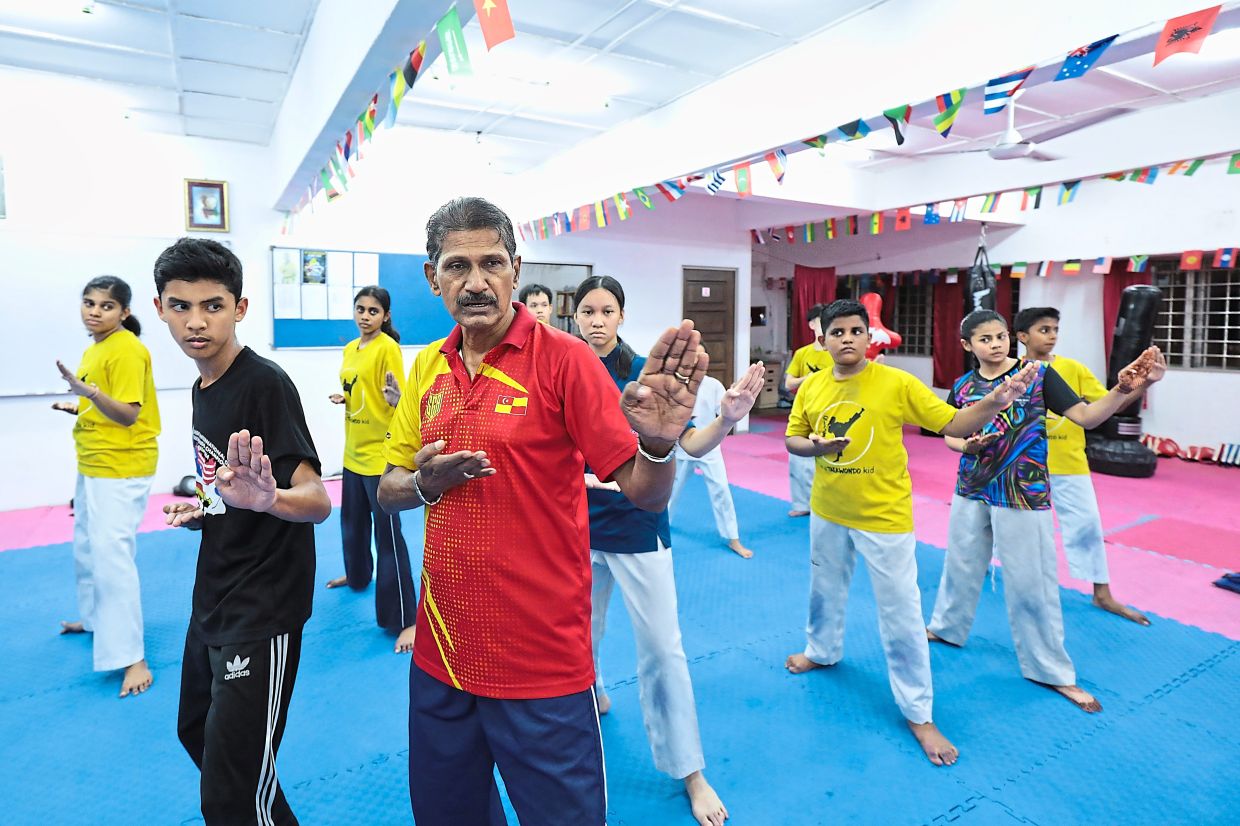
Taekwondo grandmaster CK Karan, 72, has spent decades teaching the art of defence and inspiring all four of his children to follow in his footsteps.
The 9th Dan grandmaster, who runs CK Taekwondo Club in Puchong, Selangor, has trained more than 15,000 students over the years.
Originally trained as a civil engineer at the Federal Institute of Technology in Brickfields, Kuala Lumpur, Karan said he first took up martial arts because of the rough environment he encountered at construction sites during the 1970s.
“I wanted to be able to lead without fear. My brother told me that if I wanted to command respect, I needed the confidence to protect myself,” said Karan who earned his 1st Dan at age 21.
He believes martial arts is not only about fighting skills, but also discipline and survival.
“When trouble happens, we can only protect ourselves.
“Parents should equip their children with useful skills, even if the children resist at first,” he said.
His eldest son, Pathintharan, now helps manage the family’s taekwondo school.
The 40-year-old obtained his first poom (black belt) at age nine and now holds a 4th Dan.
While growing up, he had followed his father to training sessions every weekend.
“My mother could not handle me all day because I was mischievous, so she sent me to tag along with my father,” he joked.
Pathintharan said his father was extremely strict during training and often paired him with the strongest fighters.
“I even broke my nose once during training. My father believed I would only improve if I fought tougher opponents,” he said.
Despite occasionally clashing with his father over ideas and management styles, Pathintharan said their shared passion for taekwondo kept them united.
He hopes to eventually take over the family business and continue his father’s legacy.
Karan’s daughters, Hashviny, 40, and Padmini, 35, were also involved in coaching students from a young age.
“Our father taught us survival skills and independence. When we were teenagers, he paid us pocket money to coach students,” said Hashviny, describing her father as very demanding butloving.
“He constantly pushes us to do better and never allows us to become complacent,” she said.
Padmini said her father often exposed them to real-life situations to build resilience.
“Instead of immediately sending us to college, he encouraged us to work first.
“Those experiences taught us to communicate with people and become financially responsible,” she said.
Karan’s youngest daughter, Samrakshana, 30, is a full-time English and literature teacher at an international school.
Holding a 3rd Dan, she said her approach to teaching differed from the older generation in her family.
“Students today come from different backgrounds and some face learning difficulties or emotional struggles. Inclusivity is very important in modern education,” she said.
Samrakshana shared about a touching experience involving one of her students.
“A young boy once asked to see me when he had a tummy ache. He told the principal I was like a mother to him in school.
“That moment reminded me that teaching is not just about lessons, but also emotional support and trust,” she said.
Passion for knowledge
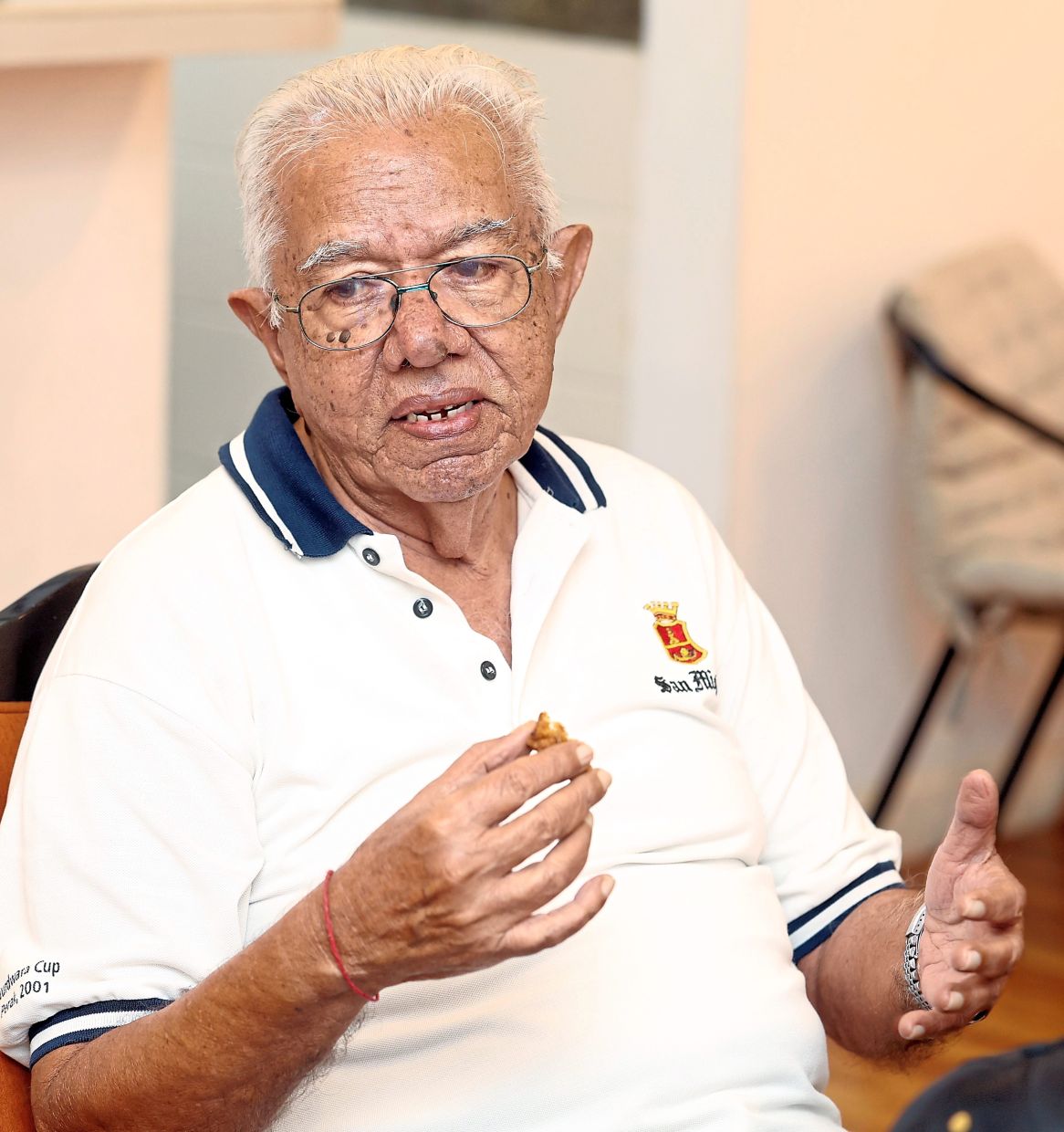
The family of Sukhdev Baispal, 82, shares the same dedication to education despite working in different fields.
Among them are retired principals, kindergarten teachers, lecturers, tutors and social entrepreneurs, all connected through a passion for teaching and lifelong learning.
Sukhdev, a retired school principal, said his interest in teaching began after working as a temporary teacher upon completing secondary education.
“I taught at a school where students performed poorly in their studies. I focused on five students and four eventually passed their examinations,” he said, adding that he was inspired to be a teacher after that stint.
Sukhdev taught English and Geography and proudly said none of his students failed in those subjects.
“In the earlier days there were fewer career opportunities, but I genuinely enjoyed teaching and building relationship with students and colleagues,” he said.
His brother-in-law Gangaram P. Sawlani, 78, began teaching at 15 after tutoring a neighbour’s children in Taiping, Perak.
Later, with a Public Service Department scholarship, he furthered his studies in fisheries in Japan.
During student protests in 1968, his university was temporarily shut for 16 months, prompting him to teach English to Japanese students.
“The Olympics inspired many Japanese to learn English and I took the opportunity to teach,” he recalled.
After retiring as head of the Malaysian Fisheries Academy, he continued contributing to education by assisting his son Raviraj in social entrepreneurship projects.
Raviraj, 42, now focuses on empowering communities through education and entrepreneurship.
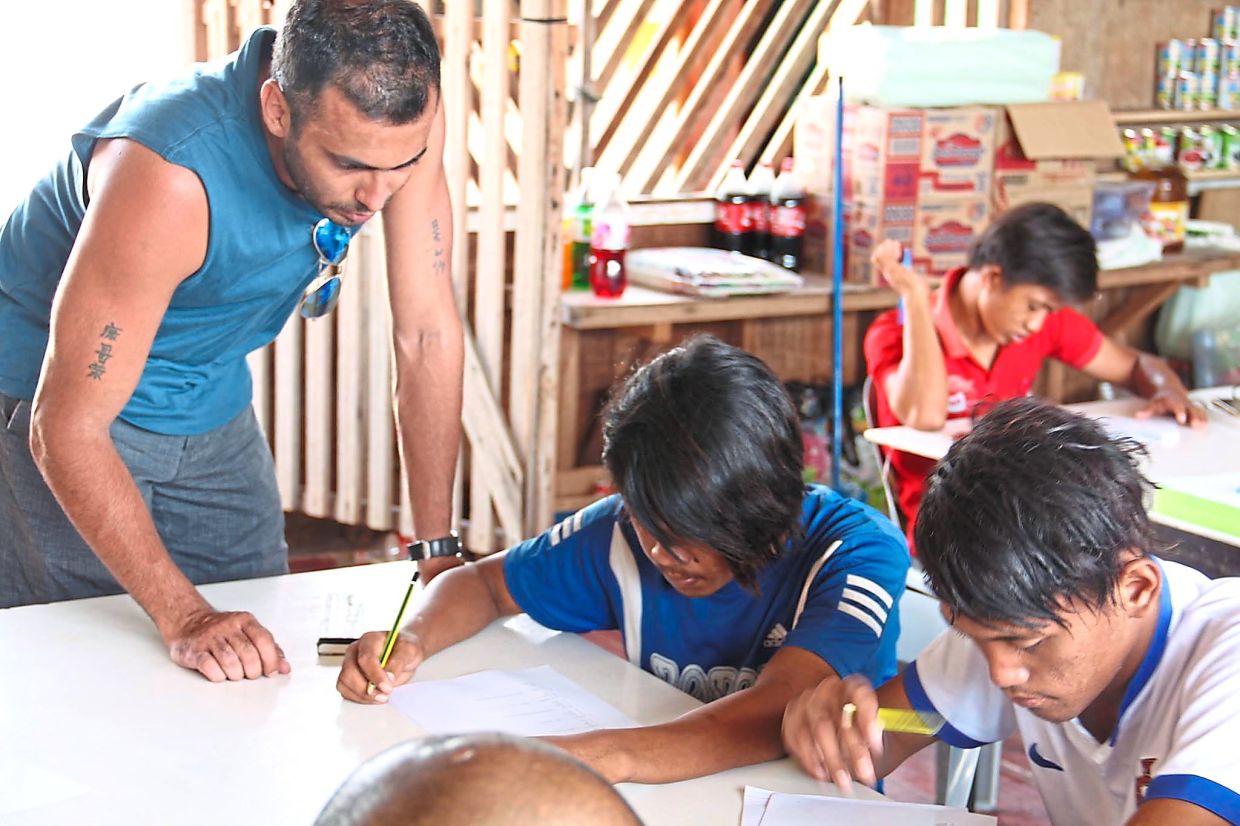
Raviraj runs Project TRY, a social enterprise providing vocational training and livelihood opportunities to underserved women and youth in Sabah.
“I realised many young people lacked opportunities and guidance.
“Education should also teach people practical life and business skills,” he said.
Raviraj’s sister, Sameeta, 44, became a part-time English teacher after being inspired by her own struggles with learning algebra in school.
“I always felt that if I had better teachers, I would have understood the subject better. That inspired me to become a more compassionate teacher,” she said.
Sameeta fondly recalled receiving handwritten Thank You letters from foreign students she taught at a language centre in Ampang, Selangor.
Their mother, Usha Bebu Naraindas, 72, who is originally from Egypt, worked as a kindergarten teacher despite initially struggling with Bahasa Malaysia.
“I had to sit for an oral Bahasa examination because I was still learning the language, but I eventually passed,” said Usha.
She believes qualified kindergarten teachers play a crucial role in shaping children during their formative years.
Gangaram’s sister-in-law Parmila Belani, 62, is a retired teacher too.
She chose teaching, thinking the job would allow her time to spend with her children.
However, she realised teachers carried responsibilities beyond classroom hours.
“When I was posted to Perlis, I cried because it felt so different from Penang. But after a few months, I fell in love with the people and community there,” she said.
Parmila, who still conducts Mathematics tuition, believes the national school syllabus has improved significantly over the years.
“The standard of Mathematics and Science in national schools is now comparable with international schools. That is something positive,” she said.

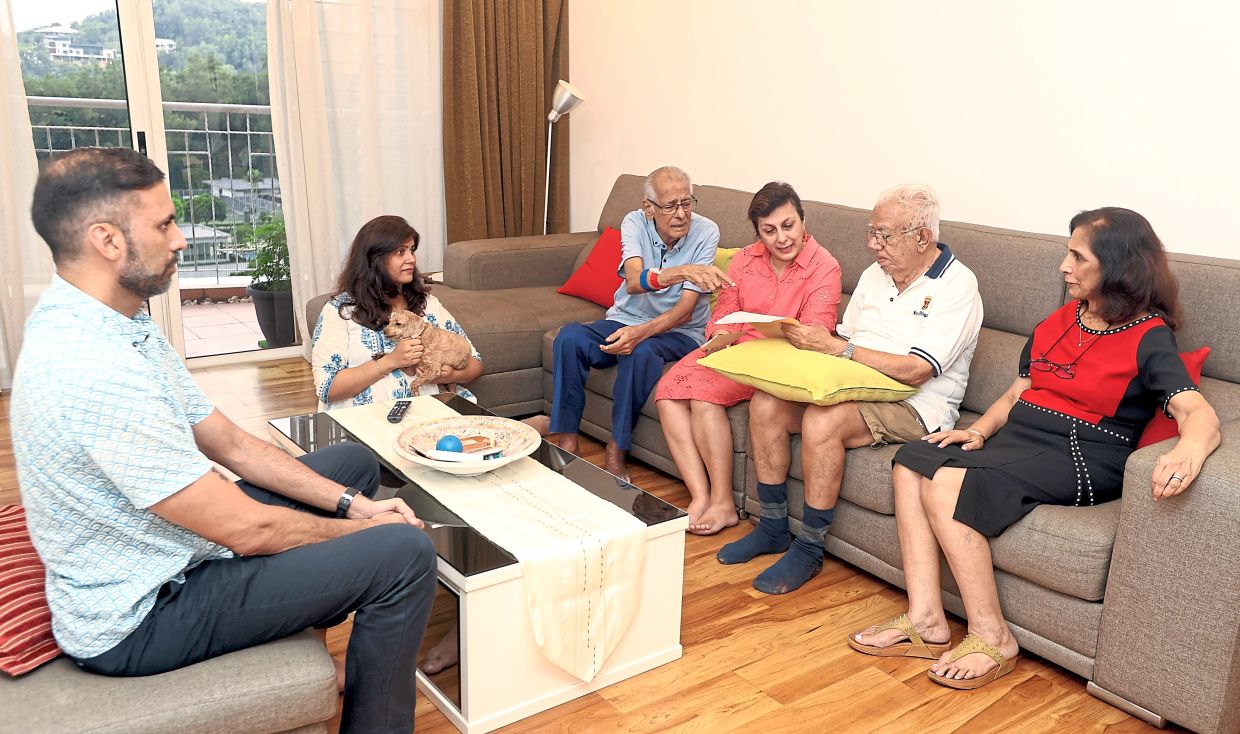
Azman (third from right) and Nor Aishah (second from right) with their family members looking at the awards received by Azman before his retirement.
Samrakshana says her approach to teaching differs from the older generation in her family. — Handout
Sukhdev enjoyed teaching and building relationships with students and colleagues.
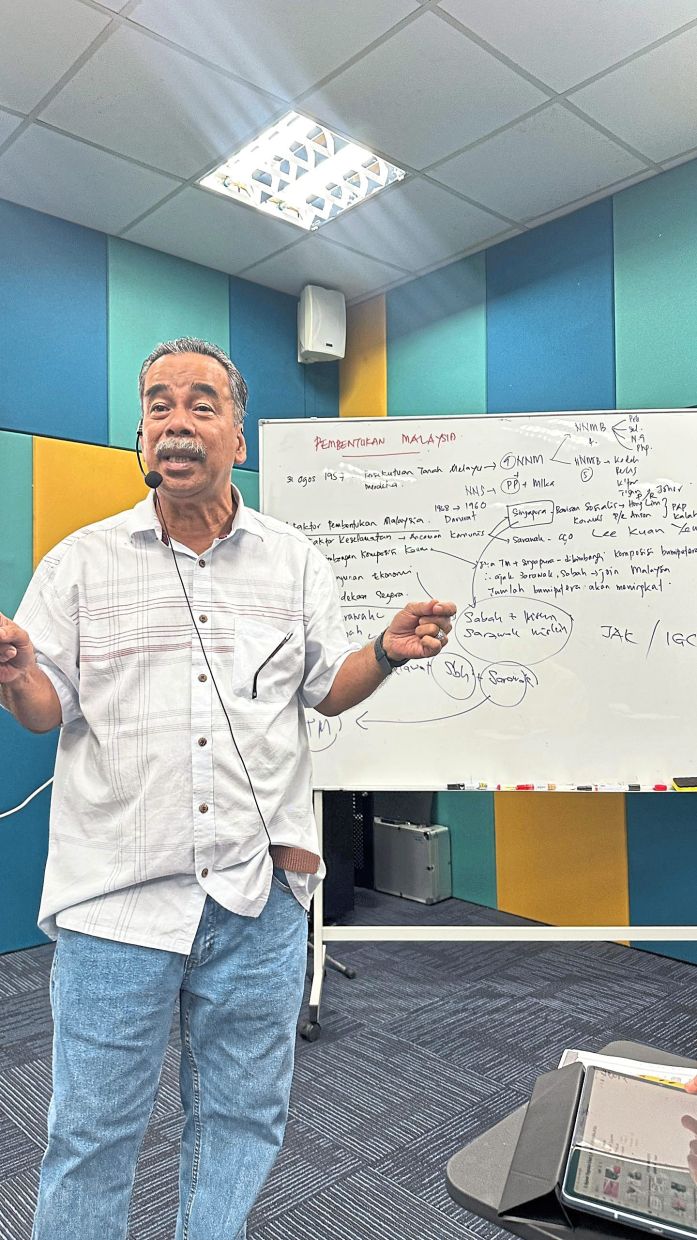
Azman still conducts free history tuition classes at Perpustakaan Sultan Abdul Samad Banting every Friday. — Handout
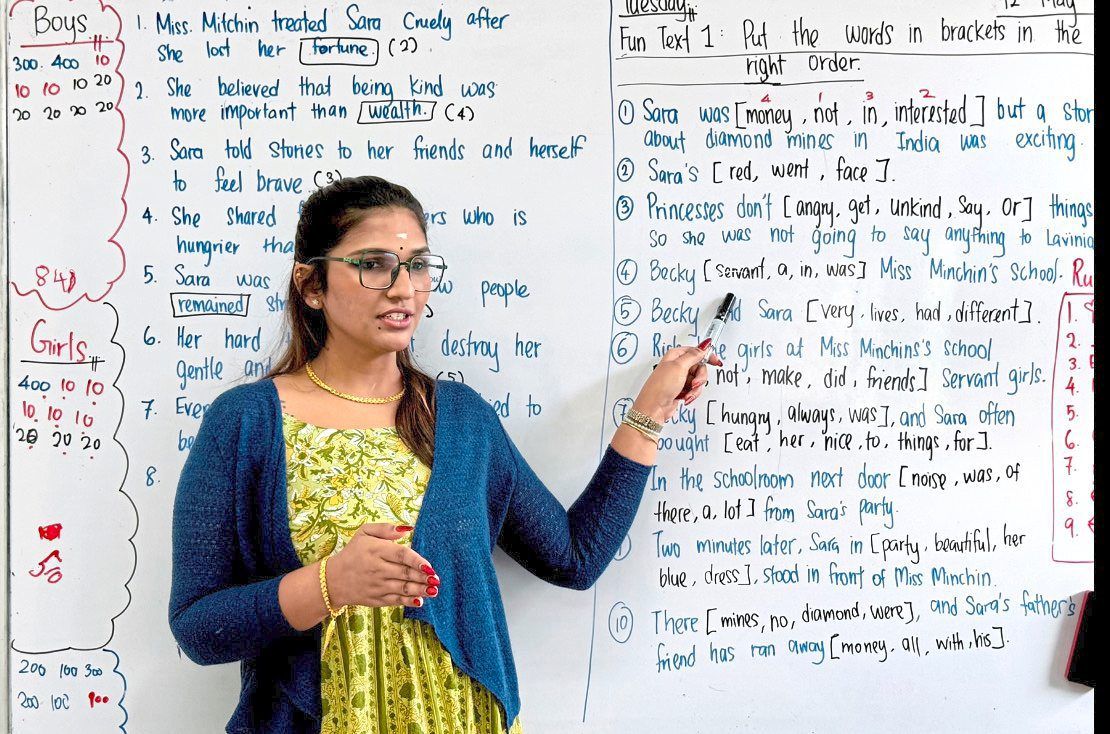
Nurul Aimi Fatiha grew up watching both her parents dedicate their lives to teaching. — Handout
Karan (in red) says parents should equip their children with useful skills.
(From left) Raviraj, Sameeta, Gangaram, Parmila, Sukhdev and Usha connect through a passion for teaching and lifelong learning.
For the Karan family, education comes in the form of martial arts, discipline and resilience.
Raviraj (left) has set up a non-profit school helping people to read, write and other basic skills that make them more employable. — Handout