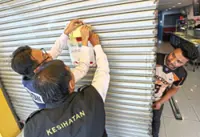
Eatery operators in Johor Baru are adopting a “wait-and-see” approach, closely observing the situation in the Middle East before raising prices.
Johor Indian Muslim Entrepreneurs Association (Perusim) secretary Hussein Ibrahim said hikes in food prices would be inevitable if the crisis in the region prolonged.
“We have been maintaining our prices, although we have been paying between 20% and 30% more for raw ingredients since March,” he said.
Hussein said prices of raw ingredients had increased since the crisis began on Feb 28.
“On the other hand, we cannot simply increase our prices as Malaysian consumers are price-sensitive and this may affect our business,” he said.
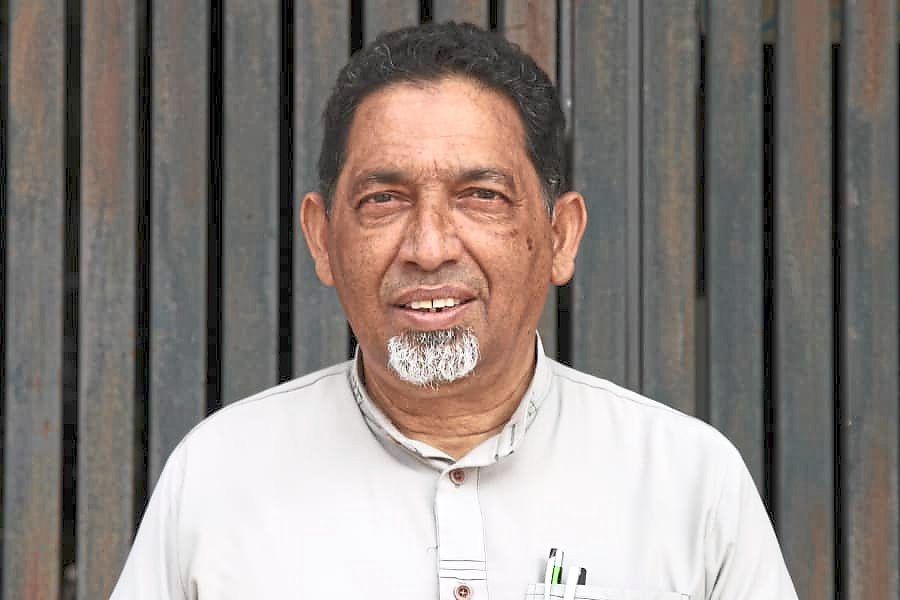
Perusim has approximately 338 members, with about 200 of them running Indian-Muslim (mamak) eateries in Johor, the majority of which are located in Johor Baru.
Hussein said the best option was for them to maintain current prices but reduce portion sizes.
“We are also seeing more customers ordering their meals via online food delivery platforms instead of dining out, so they can save on ordering drinks.”
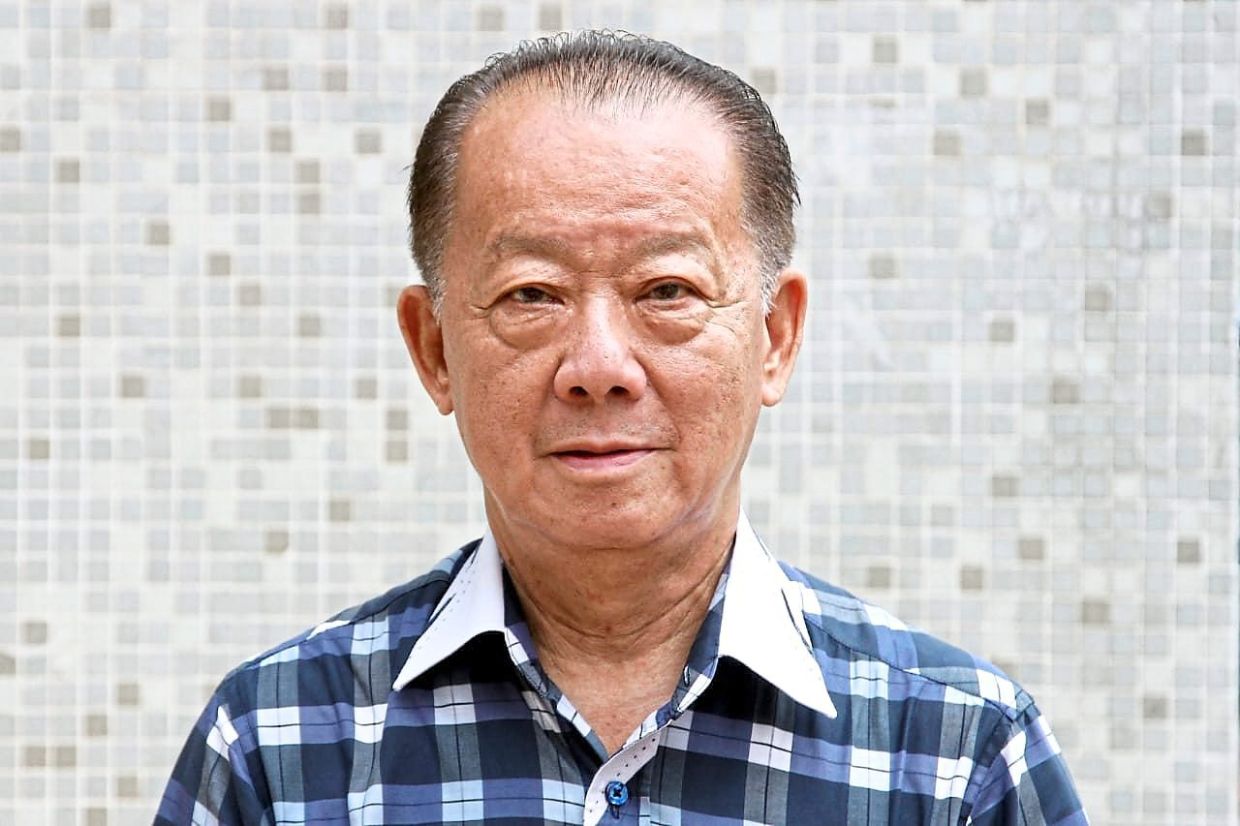
Meanwhile, Johor Baru City Businessmen and Traders Association president Roland Lim said stringent security checks at Singapore’s Woodlands Checkpoint and Johor Causeway had impacted eateries in downtown Johor Baru.
He said the checks, which began earlier this year, were forcing locals riding motorcycles to head to work directly in Singapore, thus skipping breakfast at eateries on this side of the border.
Singapore’s Immigration and Checkpoints Authority said in a statement that the enhanced security measures at its checkpoints were in view of the heightened global situation.
“We used to see the majority of locals having breakfast here before heading to Singapore for work, but they now go straight to the checkpoints to avoid delays,” said Lim.
He said that by the time the workers returned from the island republic, they would be too exhausted to dine at eateries and instead head directly home.
“Downtown eateries are also seeing fewer families on weekends and public holidays, as most of them have cut down on eating out.
“The traffic congestion due to ongoing infrastructure projects in downtown Johor Baru is also one of the main reasons why we see fewer customers,” he said.
Lim said the association’s eatery operators were still maintaining their prices, but would not be able to continue if the prices of ingredients were to escalate.