
REGULAR eye check-ups are essential for maintaining good vision health.
Malaysian Glaucoma Society (MGS) president Prof Dr Liza Sharmini Ahmad Tajudin said early detection of glaucoma was important as it often developed silently without noticeable symptoms in the early stages.
“Early detection allows for timely medical intervention which can help slow or prevent vision loss and ultimately safeguard long-term quality of life,” she said at the Glaucoma Carnival in conjunction with World Glaucoma Week 2026 held at Dewan Hamzah in Klang, Selangor.
Glaucoma is an eye disease that gradually impairs vision by damaging the optic nerve and can eventually lead to blindness.
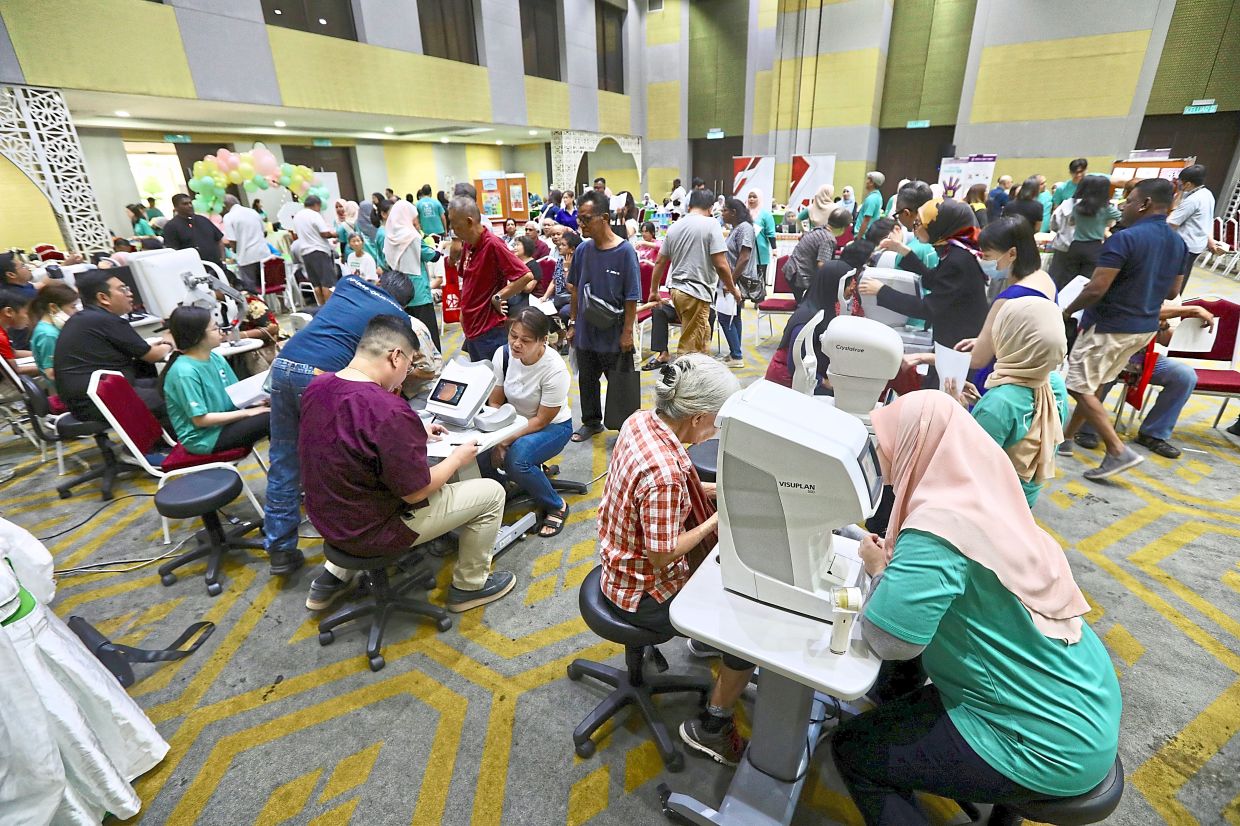
“With regular eye screenings, early detection and treatment a person can preserve their sight,” said Prof Liza Sharmini.
About 300 people took the opportunity to have their eyes checked at the event organised by Hospital Tengku Ampuan Rahimah (HTAR) in collaboration with MGS and Klang Royal City Council (MBDK).
MBDK health department director Azmi Muji, who launched the event, said this year’s theme “Let’s Check, Let’s Stay Healthy”, promoted early detection.
“We urge people to get regular eye check-ups, particularly those over 40 or with a family history of eye problems,” he said, adding that the city council’s initiative brought together eye care professionals and the public under one roof.
“MBDK is committed to playing its role as a key driver of urban well-being through the implementation of policies and programmes that support public health,” he said.
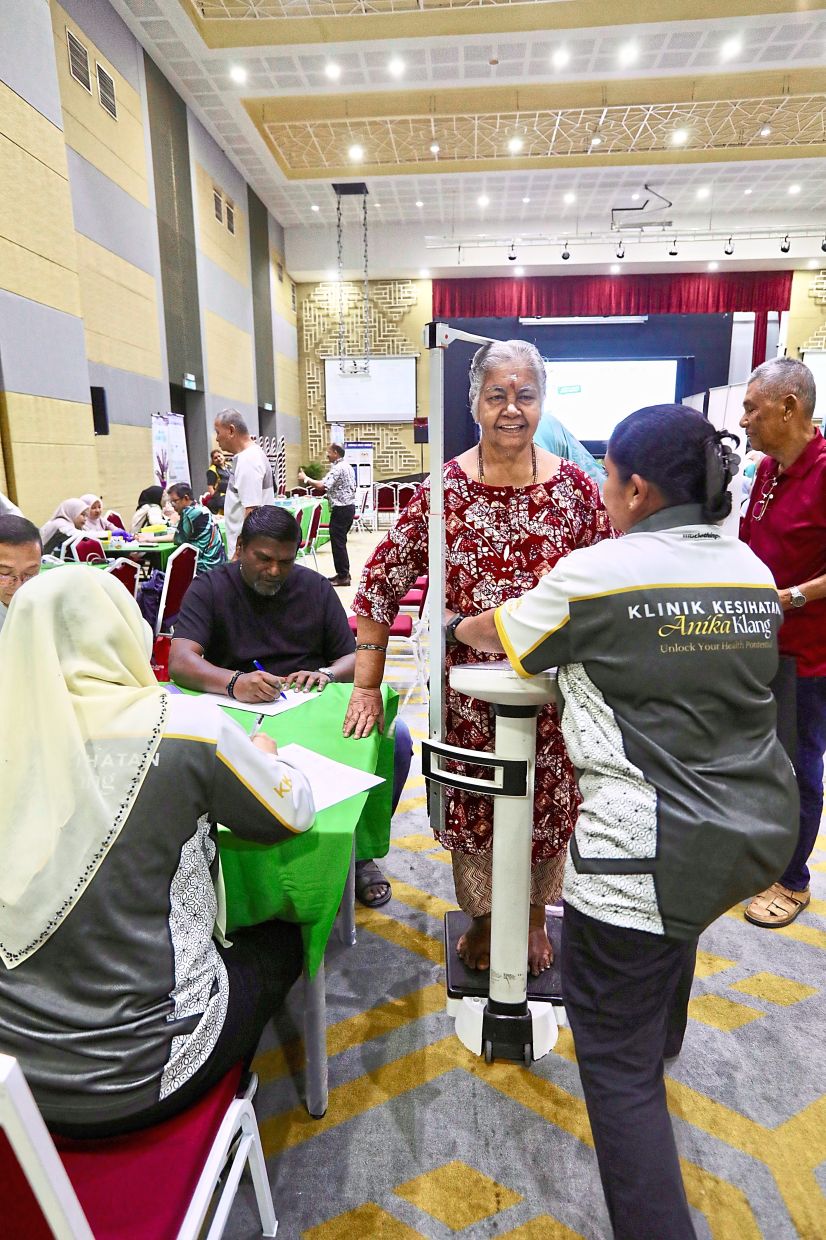
Shopkeeper KM Lee, 75, said the free screening, which included body mass index (BMI) and blood pressure checks, was comprehensive.
He was glad to find out that he did not have any eye-related issues.
Retired Water Works Department staff Serjeet Singh, 70, said HTAR frequently organised screenings, giving residents the opportunity to monitor their eye health.
HTAR consultant ophthalmologist and glaucoma specialist Dr Nurull Bahya Suliman said, “Most eye diseases develop slowly with no symptoms, making regular, even free screenings, a vital proactive measure to prevent vision loss.
“If the free screening detects an issue, we will recommend proceeding with a formal comprehensive eye examination for a detailed diagnosis.”