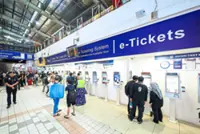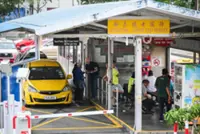
JOHOR is looking at artificial intelligence (AI) to improve traffic flow in Greater Johor Baru while transforming Larkin Sentral into a smarter and more sustainable public transport hub.
State works, transportation, infrastructure and communications committee chairman Mohamad Fazli Mohamad Salleh said the Johor government was addressing chronic congestion in Johor Baru through the implementation of TrafficSens – a smart traffic light system.
“The project involves upgrading 337 traffic intersections and 41 pedestrian crossings with AI technology to better manage traffic flow in real time.
“The system will be able to adjust traffic signals more efficiently based on road conditions at specific locations,” he added.
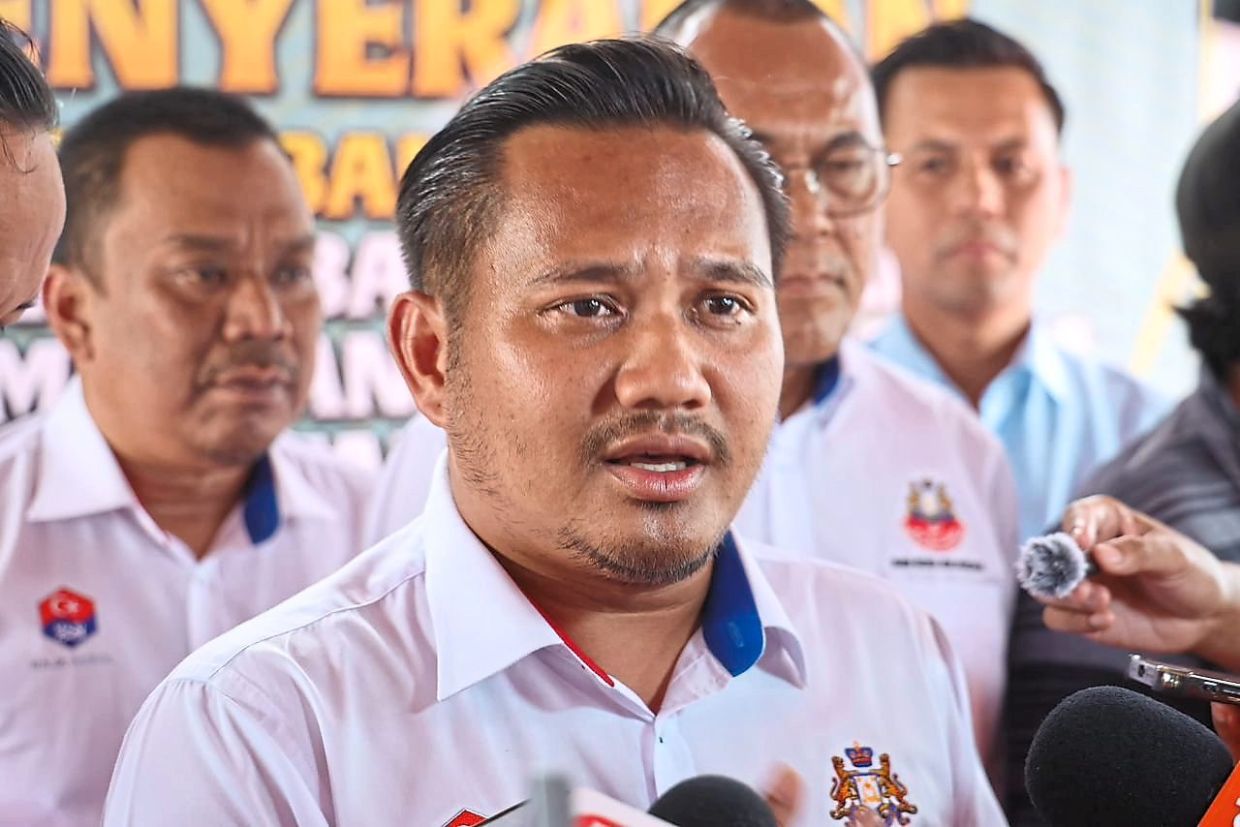
Mohamad Fazli said the AI technology would also prioritise critical routes and emergency vehicles to improve traffic flow and road safety.
“The initiative is expected to help ease congestion and support Johor Baru’s transition into a smarter and more liveable city.”
At the same time, the Bukit Pasir assemblyman added that the state government was continuing efforts to upgrade Larkin Sentral to achieve a Grade A terminal rating.
Mohamad Fazli said the state government allocated RM2.5mil for the upgrades as part of its commitment to enhancing the overall passenger experience.
He said the plan was not just a physical facelift but part of a broader push to create a modern, efficient and competitive transport terminal.
Several improvements, he said, had been implemented over the past few years to improve user comfort and safety.
“These include covered boarding platforms, dedicated rest areas for drivers and improved security systems at the terminal.”
Mohamad Fazli added that the terminal was also set to become a green and smart hub.
“Among the features being introduced are rooftop solar panels, electric vehicle charging stations and smarter digital management systems,” he said.
According to him, the measures were in line with Johor’s broader goal of promoting sustainable development and a low-carbon economy.
Mohamad Fazli said the long-term aim was providing a public transport terminal which was more comfortable, efficient and better prepared to meet future needs.