




Improving outcomes through better radiotherapy access
HUMAN ingenuity has vastly changed how people work, play and interact with one another.
It has also driven remarkable advances across many fields, including cancer care.
These developments have transformed treatment outcomes and significantly improved the quality of life for many patients.
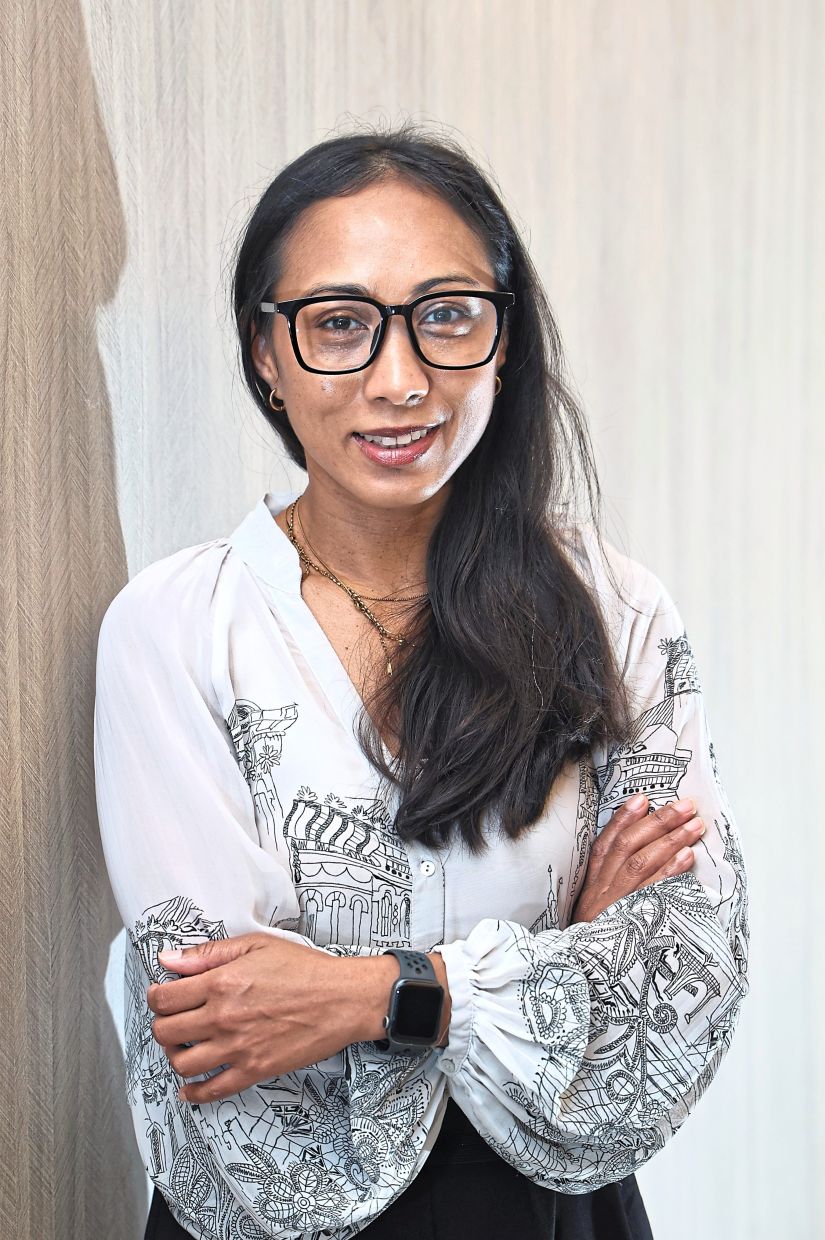
Pantai Hospital Kuala Lumpur consultant clinical oncologist Dr Nur Fadhlina Abdul Satar (Dr Nina) is particularly encouraged by these developments in cancer care, especially in the field of radiotherapy.
Despite being one of the main pillars of cancer treatment, she believes the role of radiotherapy remains under-recognised in public awareness.
Radiotherapy today is highly precise, technology-driven and a key driver of cancer therapy.
At its core, it uses high-energy emissions to target and damage the deoxyribonucleic acid (DNA) of cancer cells, preventing their growth and division while minimising exposure to the surrounding healthy tissue.
Over the years, it has evolved into a highly sophisticated form of precision medicine capable of delivering treatment with remarkable accuracy.
When is radiotherapy used
“Each type of cancer has a standard of care and treatment guidelines. A multidisciplinary team makes a collective decision on the best treatment for the patient, which is essentially personalised treatment.
“This team includes the oncologist, surgeon, radiologist, pathologist, and basically everyone involved in the patient’s care,” explains Dr Nina.
Radiotherapy is an essential part of treatment for various types of cancer, including head and neck cancer, lung cancer, as well as many others ranging from breast to prostate cancer, she adds.
For some patients, it is given with the aim of curing the disease and is often administered alongside surgery and chemotherapy.
In other cases, it may be used to shrink a tumour prior to surgery, or after surgery to reduce the risk of cancer returning, says Dr Nina.
The most commonly recognised form of radiotherapy is external beam radiotherapy, although other types are also used, including brachytherapy, radionuclide therapy and radioembolisation.
These treatments differ in how radiation is delivered – either from outside the body, directly within or near the tumour, or systemically through radioactive substances that selectively target cancer cells.
Dr Nina notes that radiotherapy also plays an important role in palliative care by helping to relieve symptoms such as pain and bleeding in advanced cancer cases.
What patients can expect
For many patients, understanding the radiotherapy process often helps ease anxiety.
According to Dr Nina, once the patient has been diagnosed and a treatment plan that requires radiotherapy has been formulated, treatment begins with a planning session, often called a CT simulation.
“At this stage, detailed imaging is used to map the exact location of the tumour and nearby organs.
“Many patients understandably complain about the number of scans they need to undergo, but these are not merely diagnostic scans – they are therapeutic planning scans designed to maximise treatment effectiveness while minimising damage to surrounding healthy tissues.
“Following the CT simulation, we develop a personalised treatment plan tailored to the individual patient. This process cannot be implemented immediately, as it involves multiple complex calculations and careful treatment planning,” she explains.
Treatment sessions are typically short and painless. Patients lie still while the machine delivers radiation, but they do not feel anything during the process.
According to Dr Nina, depending on the patient and type of cancer, actual radiation treatment may take about 10 to 15 minutes a day over several weeks. After each treatment session, the patient goes home, then returns the next day for another session.
Take nasopharyngeal cancer, for example, which is a type of head and neck cancer.
It develops in the nasopharynx, located behind the nose and above the back of the throat.
Radiotherapy is the mainstay of treatment because the tumour is highly sensitive to radiation, while chemotherapy is often administered alongside it in more advanced cases to enhance treatment effectiveness, improve tumour control and reduce the risk of recurrence or spread.
“Treatment is especially complicated because of all the structures within this relatively small area.
“For example, in tongue cancer where parts of the tongue have been surgically removed and further treatment is required, patients may need to undergo about six to seven weeks of radiotherapy.
“Post-treatment follow-up is often a difficult journey.
“The patient will have to work with many different therapists – a swallowing therapist to help with swallowing, a physiotherapist to reduce fibrosis around the neck, an occupational therapist to prepare them for returning to work, and even a psychologist if required, because of the physical and functional changes that occur,” she says.
Patients should understand that radiotherapy may produce both acute and late side effects.
Acute effects usually develop during treatment and often improve gradually within four to six weeks after therapy is completed.
Late effects, however, may appear months or years later, and can occasionally be long-lasting or permanent, depending on the area treated and the nearby organs exposed to radiation, says Dr Nina.
Precision matters
One of the biggest advances in radiotherapy has been the ability to deliver treatment with remarkable precision.
“In the past, we used 2-D radiotherapy where the radiation beam ‘caught’ a significant amount of tissue around the tumour. This often led to notable permanent side effects, especially for patients with head and neck cancer.
“Today, we have modern techniques such as Volumetric Modulated Arc Therapy (VMAT).
“This is an advanced form of external beam radiotherapy used to treat cancers, including head and neck cancers, with high precision.
“Radiation is continuously delivered from multiple angles, and the radiation dose, beam shape and intensity are constantly adjusted during treatment,” she explains.
“Another development is Stereotactic Ablative Radiothera-py (SABR). It is a highly precise form of radiotherapy that delivers very high doses of radiation accurately over a small number of treatment sessions,” she adds.
Obviously, cancer treatment does not take place in a static environment.
Over the course of several weeks, a patient’s body can change. Tumours may shrink, patients may lose weight and internal organs can shift slightly.
This is where adaptive radiotherapy comes in.
Dr Nina explains: “Adaptive radiotherapy allows doctors to adjust the treatment plan depending on changes in the patient.
“Using regular imaging, we can detect changes and fine-tune the radiation delivery to maintain accuracy every time the patient comes in for radiotherapy, so treatment evolves alongside the patient.
“This technology involves the use of artificial intelligence (AI) to make all the necessary calculations to facilitate treatment. And yes, it is safe.
“We are making use of techno-logy to deliver treatment and we constantly check all the data that has been made available to us, so it’s not just up to AI.
“With such calculations being made daily, treatment might take longer, but not significantly.”
Access and challenges in Malaysia
Malaysia has made significant progress in expanding radiotherapy services, with both public and private centres offering modern treatment techniques.
However, challenges remain.
Access can vary depending on location, with services more concentrated in urban areas.
Waiting times in public hospitals and the cost of treatment in private centres can also be barriers for some patients, notes Dr Nina.
There are a few other challenges that need to be overcome to effectively tackle cancer in the country.
For one, misconceptions about treatment hinder earlier detection and management.
“I feel that there are still a lot of patients who come in late for treatment because they are afraid of the rumoured side effects of chemotherapy and radiotherapy.
“It doesn’t help that social media and the Internet propagate falsehoods that blur the truth to such an extent that many do not know what is true and what is not,” says Dr Nina.
In addition, traditional health belief systems often do not align with many of the core tenets of modern medicine care.
As a result, many patients only seek help after traditional methods fail, and often, this may be too late.
She encourages patients to engage with medical professionals to better understand what is happening in their bodies.
“You can also talk to those who have actually gone through the disease and learn from their experiences.
“I have patients who underwent chemotherapy but didn’t let it affect their lives – they went salsa dancing, joined marathons and are living life to the fullest.”
Also important in Dr Nina’s view is “inculcating health literacy at an early age.
“Once there is a core understanding of health, it is easier not to be swayed by misinformation.”
There is a lot happening in cancer therapy today.
Advances in imaging, computing and AI are expected to further refine how treatment is planned and delivered.
As technology continues to evolve, radiotherapy will not just remain a pillar of cancer care, but a cornerstone of more effective, patient-centred treatment in the years ahead.


