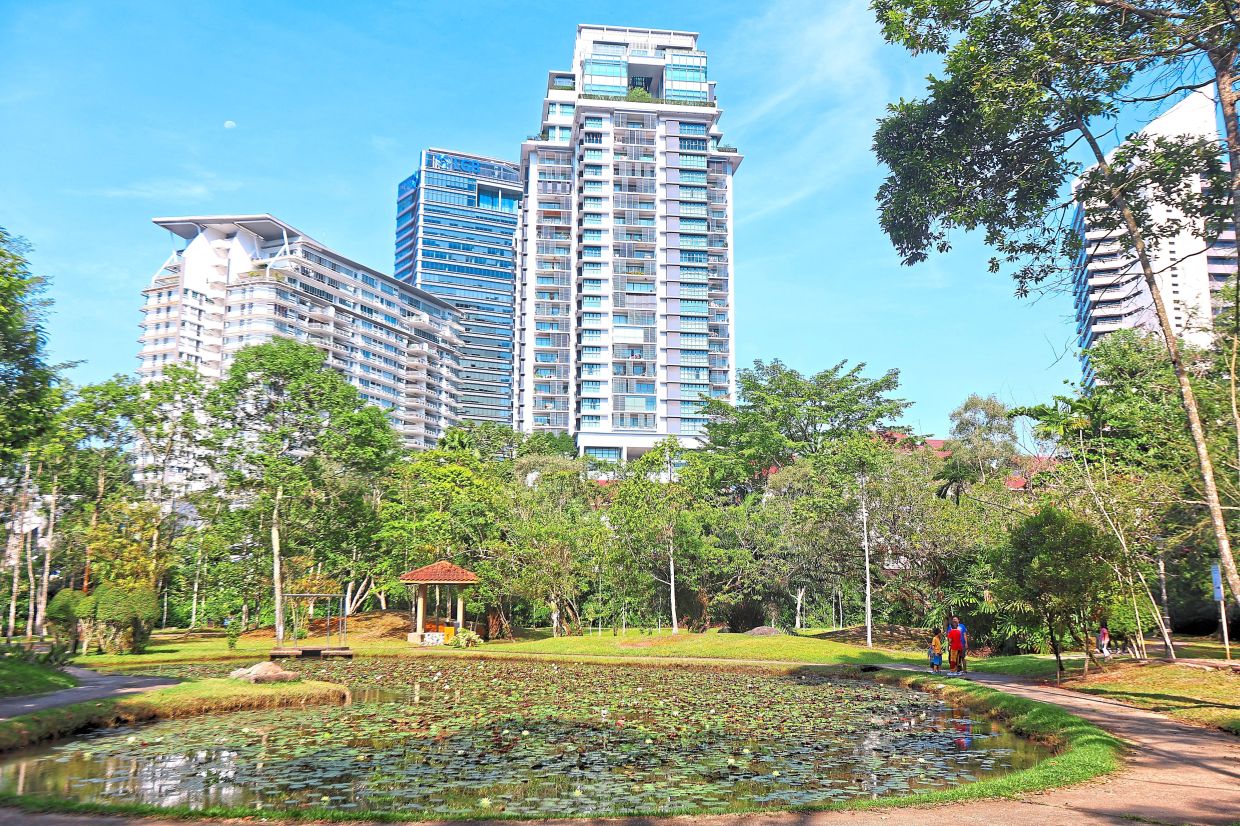
TALK of Kuala Lumpur possibly having a mayoral election has gotten 42-year-old Atiqah Ghazali excited.
Like many fellow residents, she hopes to have a say in who is entrusted with the capital’s governance.
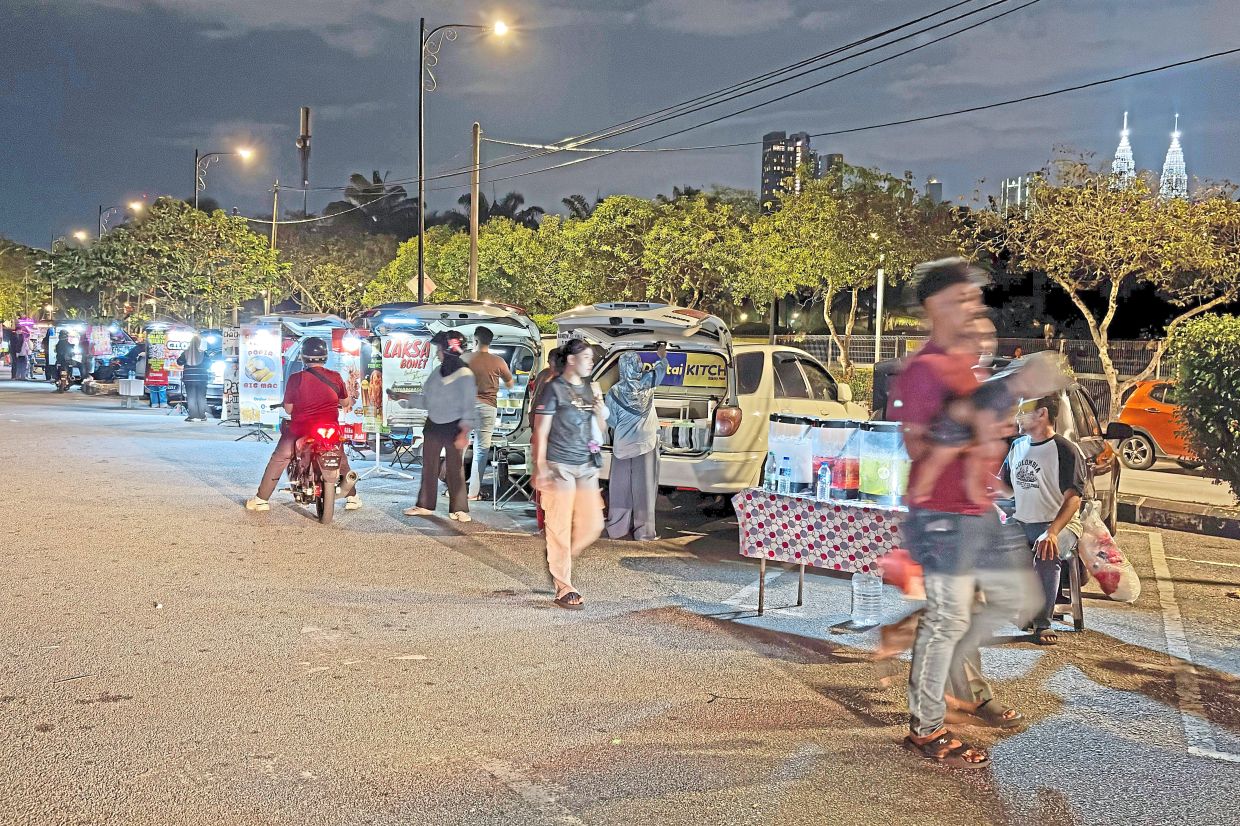
“We are fed up with so many issues in the city, from flash floods to loss of greenery and abundance of illegal traders.
“An elected mayor will be more accountable to our demands.
“He or she will try to solve problems more quickly, to try to get re-elected,” said the Taman Tasik Titiwangsa resident.
But not everyone shares the same optimism.
Reports that the Federal Government was considering introducing a mayoral election in the capital had set off a storm of debate in public discourse and sparked intense speculation on social media.
Attempting to quell concerns, Minister in the Prime Minister’s Department (Federal Territories) Hannah Yeoh gave her assurance that no decision had been made and that a study was still ongoing.
During the Dewan Rakyat sitting on Feb 12, her deputy Datuk Lo Su Fui said the ministry would also seek input from stakeholders.
While proponents argue that a mayoral election can enhance accountability and transparency, detractors say that it will not solve the various ails at Kuala Lumpur City Hall (DBKL).
To obtain a better picture on the issue, StarMetro spoke to several civil societies to get their views.
Divided opinion
Although some stakeholders are confident that having a mayoral election will improve transparency in governance, others remain sceptical that it will bring meaningful changes in the capital’s management.
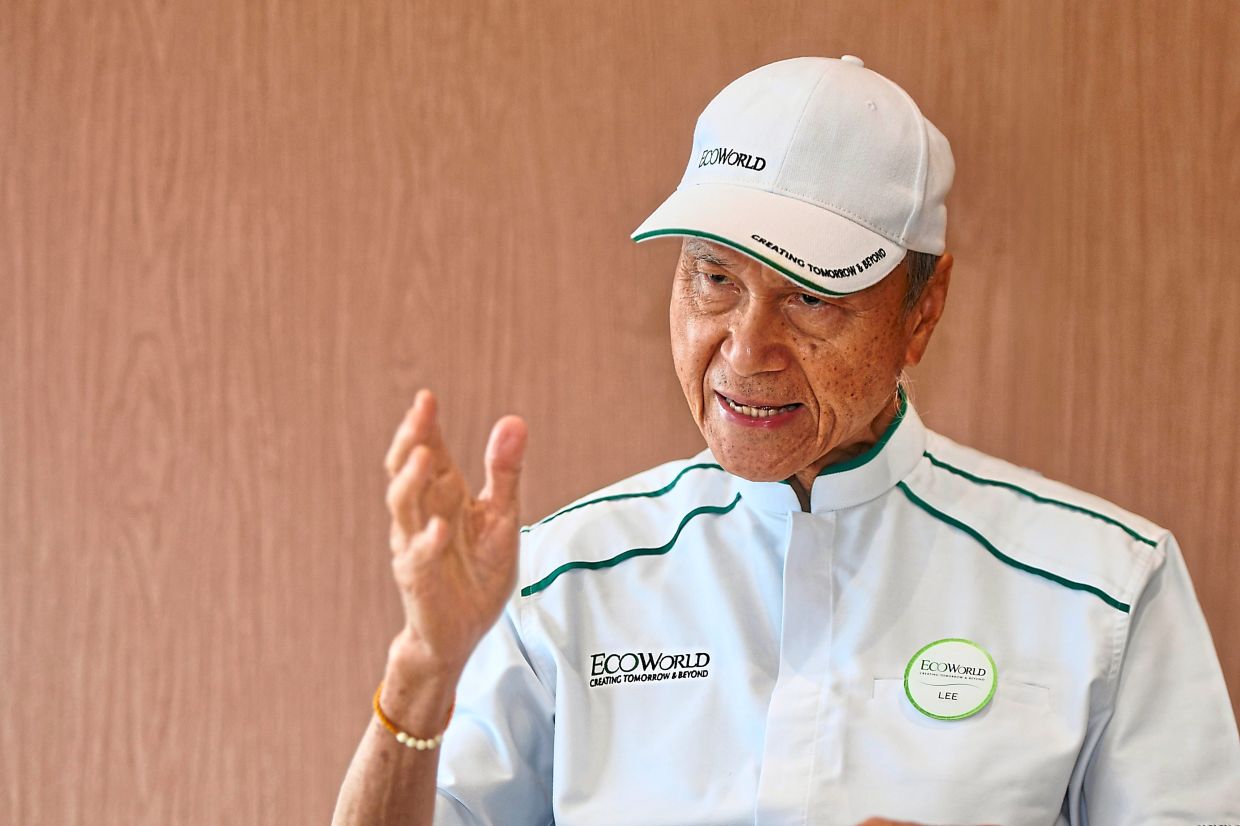
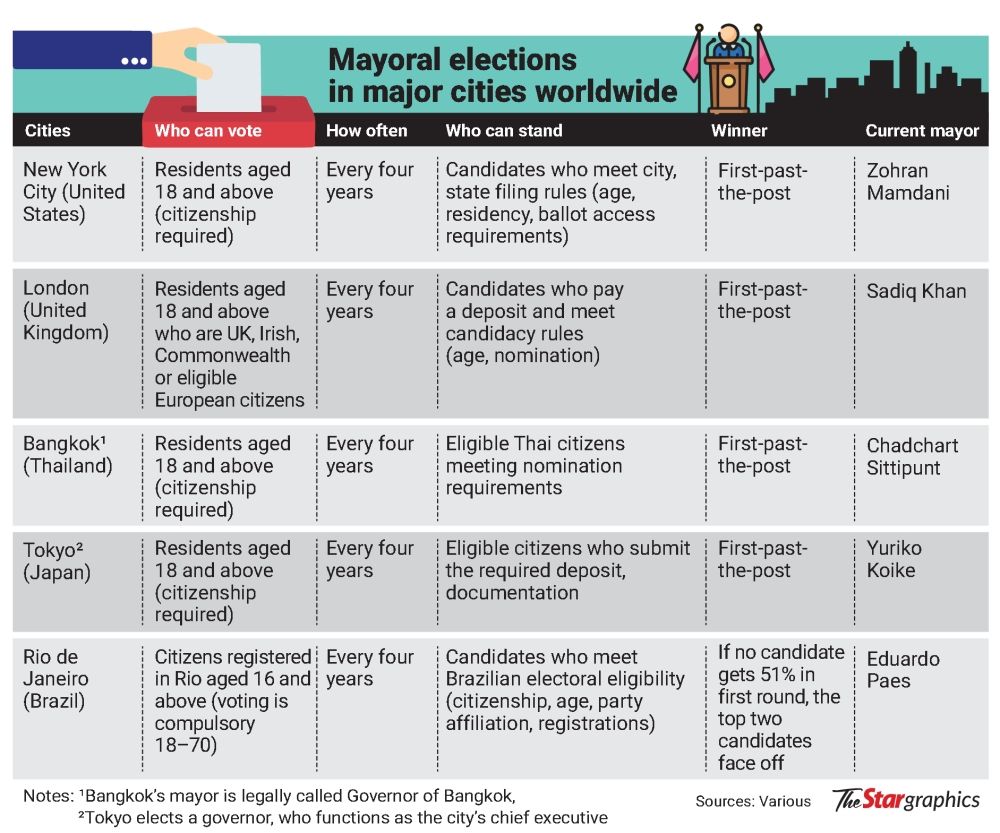
Among those in favour, prominent social activist and former Bukit Bintang MP Tan Sri Lee Lam Thye stressed that these polls were already standard practice in major cities worldwide. (See graphic)
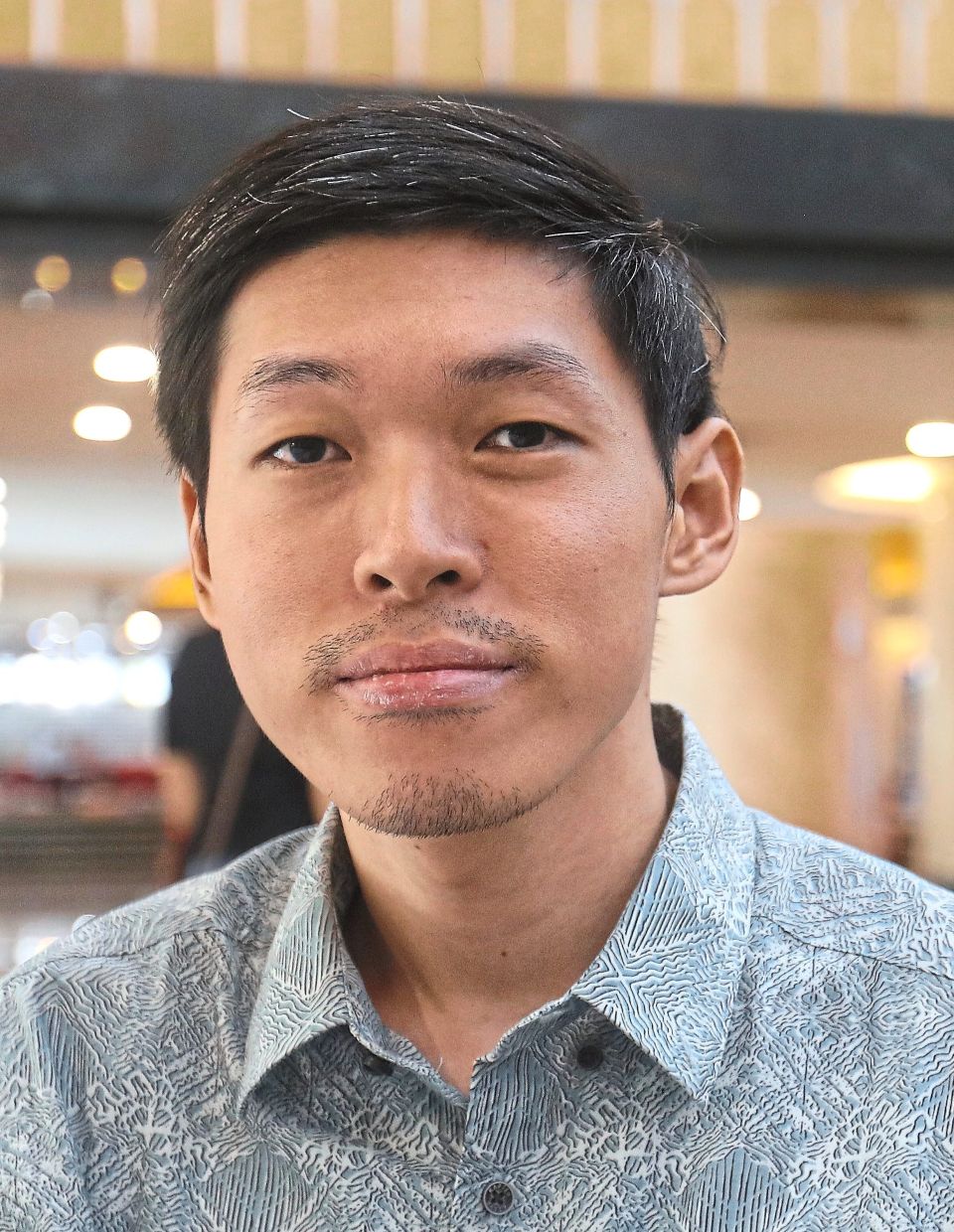
“While Kuala Lumpur has MPs, they often have little influence over how the city is actually managed,” he said.
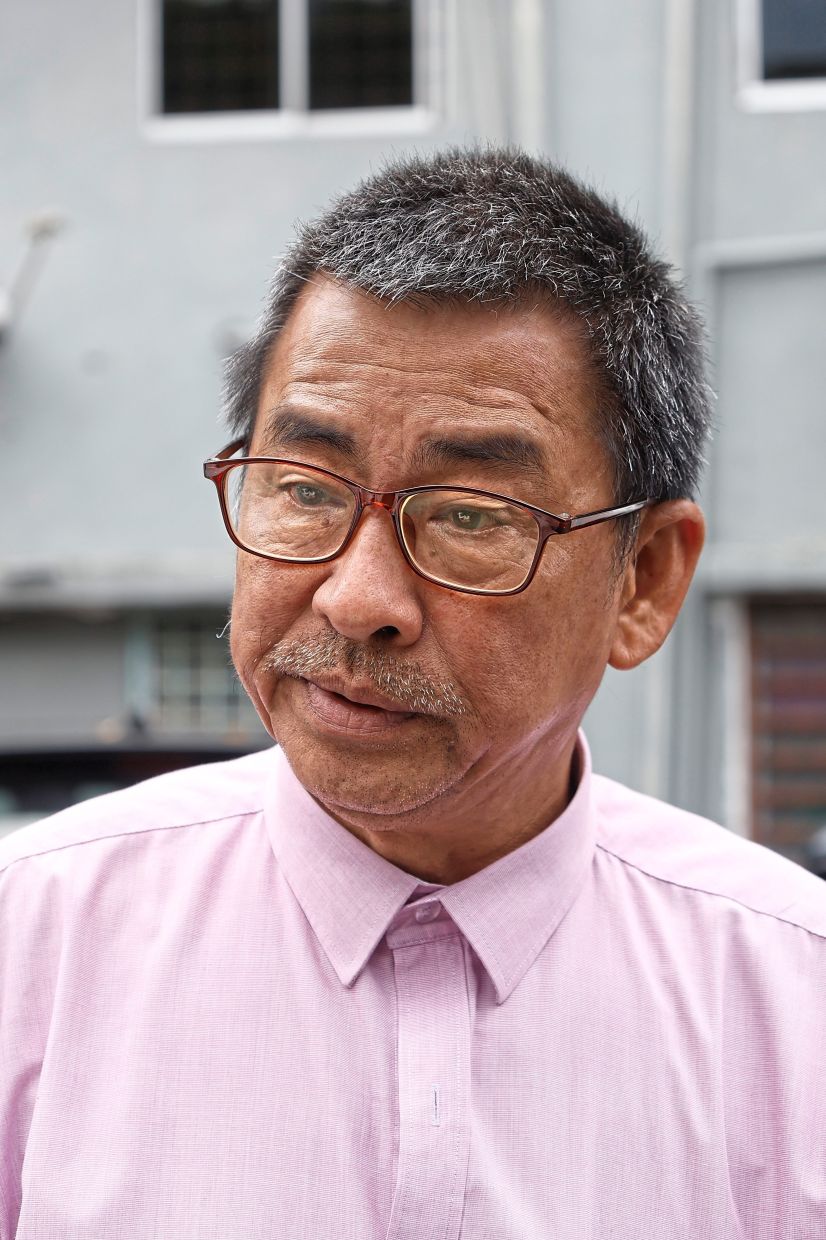
Similarly, Kuala Lumpur Residents Action for Sustainable Development Association honorary secretary Joshua Low viewed mayoral elections as a necessary step towards modernising urban governance.
“An elected mayor would confer democratic legitimacy and strengthen accountability, ensuring major decisions respond to residents’ needs rather than political or administrative considerations,” he said.
Low said the current system of appointing mayors had led to a growing disconnect between public expectations and planning outcomes.
In April 2023, the Federal Court upheld the Court of Appeal’s decision to quash the development order issued by DBKL for a high-rise project at Taman Rimba Kiara (now often referred to as Taman Awam Bukit Kiara) in Taman Tun Dr Ismail.
The landmark ruling concluded a seven-year legal battle initiated by residents who filed a judicial review to challenge DBKL’s approval of the project.
However, community activist Yee Poh Ping was less optimistic that mayoral elections would address accountability and transparency concerns.
“Though elected, the mayor would still be answerable to the prime minister and minister in charge of the federal territories.
“He or she still has to consult them before making major decisions, such as coming up with DBKL’s annual budget,” he said.
Yee said doubts persisted in whether the mayor would have sufficient autonomy to make decisions independently.
Safeguards on candidacy
Questions have also been raised on who should be allowed to vote and stand for Kuala Lumpur’s top office.
Both Lee and Low stressed that only the capital’s residents should be eligible to cast their ballots.
“Although non-Kuala Lumpur folk are also affected by DBKL policies and services, giving them rights to vote risks diluting accountability to the people who actually live under the city’s jurisdiction,” said Low.
He, however, stressed that DBKL should intensify cooperation with neighbouring local authorities to ensure better urban integration across Klang Valley.
Though not opposed to candidates having links to political parties, Low insisted that those intending to contest must be required to declare assets, in addition to having lived in Kuala Lumpur themselves.
“While political affiliation should not be prohibited, safeguards are crucial to ensure city governance does not become overly partisan.
“There should also be rules on spending limits on campaigns, so future decisions are not influenced by funders with private interests,” he suggested.
Yee, however, was opposed to allowing candidates with political affiliations standing for mayoral office.
“This creates the potential for conflict of interest, risking erosion of public trust and accountability,” he said.
Yee added that once elected, the mayor should be required to serve between two and five years to allow sufficient time for planning and implementing policies.
Lee, meanwhile, proposed that the mayoral tenure be limited to two terms – each lasting four years – to give space for fresh faces and ideas.
Candidacy factors
For some, the debate extends beyond concerns of urban management.
Federal Territories PAS Youth chief Azmer Syazwan Ahmad Suparmin is of the opinion that Malays might end up sidelined by a mayor implementing populist policies to score approval ratings.
“Without the guarantee of a fair structure, the Malay community, residents of low-cost public housing and vulnerable groups will be left behind in the process of electing a mayor,” he was quoted as saying.
According to data by the Department of Statistics Malaysia as of 2020, the capital – home to 1.9 million people – comprised 47.7% Bumiputra, 41.6% Chinese, 10% Indians and 0.7% others.
A survey of 634 respondents by Invoke Malaysia found that 62% of Kuala Lumpur residents were in favour of having a mayoral election.
Umno Supreme Council member Datuk Dr Mohd Puad Zarkashi, however, raised concerns that irresponsible quarters could exploit the election by funding the campaign of a preferred candidate.
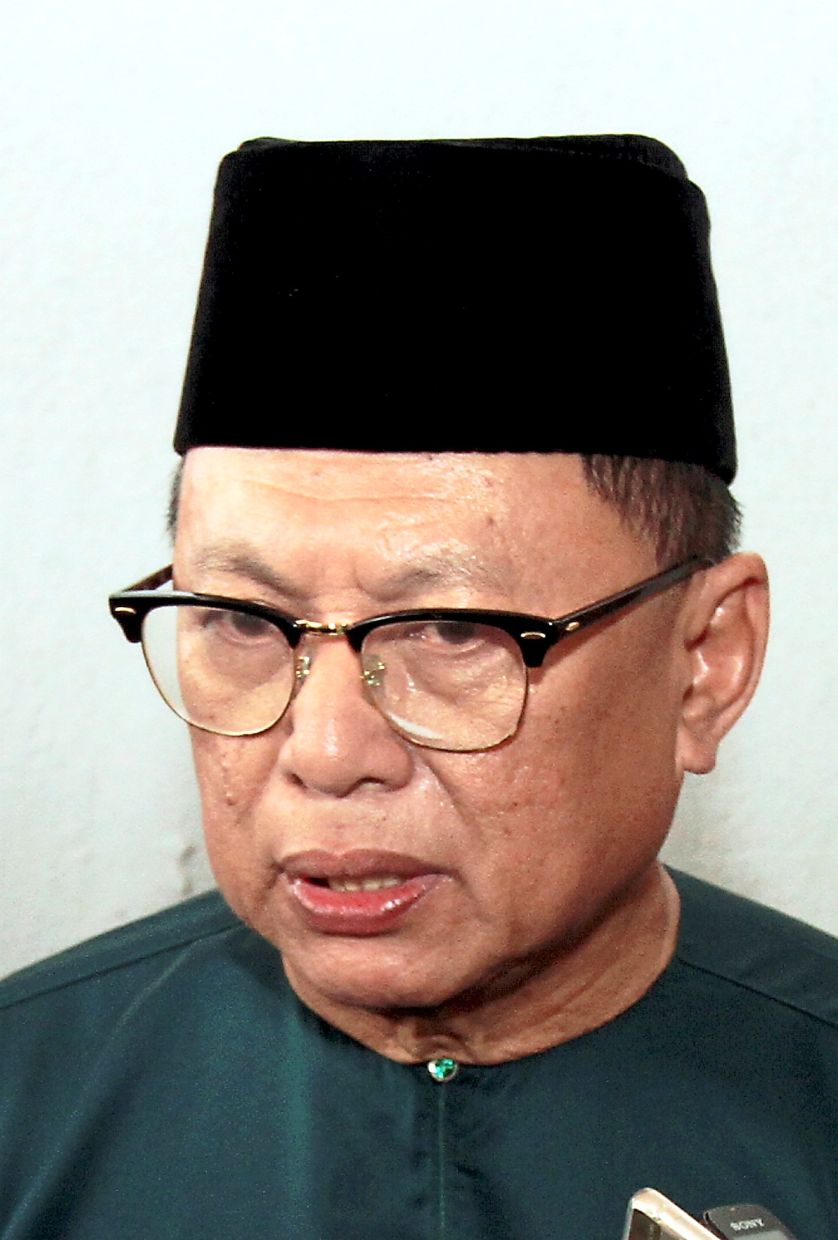
However, Save Kuala Lumpur chairman Datuk M. Ali insisted a candidate should be assessed based on track records.
“If the performance turns out to be unsatisfactory, we can vote for someone else at the next election,” he said.
He suggested a study of models used in developed countries which could adopted here.
Turbulent journey
Malaysia used to hold local elections until the early 1960s when they were suspended during the Indonesian Confrontation.
Prior to this, local councillors were elected every three years.
These elections were eventually abolished after the passing of the Local Government Act by Dewan Rakyat in 1975.
In 2018, then Housing and Local Government minister Datuk Zuraida Kamaruddin sought to reinstate them as part of Pakatan Harapan’s reform agenda.
A renewed push by Zuraida in 2020 under the Perikatan Nasional government was unsuccessful.
Unlike other local authorities in Malaysia, which have councillors who meet monthly to deliberate on issues, DBKL maintains an advisory board that convenes a few times a year, depending on the mayor’s discretion.
Most local councillors and DBKL advisory board members are political appointees, each serving a two-year term.
To date, Kuala Lumpur has had 16 mayors, all of whom were appointed.