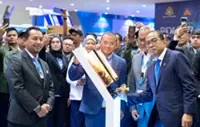
Selangor Agricultural Development Corporation (PKPS) has launched the 2026-2030 Agribusiness Transformation Plan (SEED2030), a five-year strategic blueprint aimed at strengthening its role in the state’s food security agenda.
Mentri Besar Datuk Seri Amirudin Shari said SEED2030 aimed to increase food production and enhance the agricultural ecosystem in the state, focusing on sectors such as oil palm, poultry, dairy, Selangor Fruit Valley (SFV), and Ehsan products.
“The transformation plan will be implemented through supply chain control, sustainable development, and community empowerment to achieve the set targets,” he told a press conference after the launch of SEED2030 at Wisma PKPS in Shah Alam.
Also present was PKPS Group chief executive officer Datuk Dr Mohamad Khairil Mohamad Razi.
SEED2030 targets a 64.95% increase in palm oil production, reaching 735,000 tonnes compared to 445,000 tonnes in the 2021-2025 period.
The poultry sector aims for a production of 20.1 million chickens, an increase from the previous 6.31 million.
Amirudin also highlighted the Ehsan Dairy Farm project, set to launch in March in Bukit Tagar, with a daily production target of 32,850 litres.
“For SFV, a 22% increase in visitors is expected, from 400,000 to 500,000.”
He added that for its Ehsan brand products, PKPS aimed to expand into Middle Eastern and European markets by 2030 with the introduction of 98 products, up from the current two products – cottonseed and sunflower oils – that have already entered the Australian market.
Amirudin also anticipates that PKPS will generate an annual income of between RM400mil and RM500mil, compared to its current revenue of around RM200mil, taking into account market fluctuations.
“We cannot act reactively; we need to move forward as an entity with a well-planned strategy,” he said, according to Bernama.
Meanwhile, Mohamad Khairil said SEED2030 would be implemented based on five strategic pillars: strengthening and sustaining the organisation, increasing productivity and output, agricultural innovation and digitalisation, developing the agropreneur ecosystem and expanding Ehsan products globally.
He noted that the plan would be executed through strong collaboration among PKPS’ four main subsidiaries, ensuring comprehensive control from production and processing to distribution and logistics.
He also said that the use of automation, data analytics, and AI-based systems was expected to improve productivity, reduce waste and enhance food security throughout the value chain.
SEED2030 aligns with the National Agrofood Policy and the Selangor Agro Transformation Plan (PeTA), which focus on food security, sustainability and the well- being of the people.
“What is outlined at the national level, PKPS will be responsible for implementing at the state level.
“This is where Selangor plays its role, not only as an economic contributor, but also as a model for regional- based food security implementation,” Mohamad Khairil added.