
Petaling Jaya City Council (MBPJ) has set an ambitious goal: 40% public transport usage rate by 2045.
This push for sustainable urban mobility is vital as only 10% of the city’s population currently uses public transport based on its statistics, says Petaling Jaya mayor Mohamad Zahri Samingon.
MBPJ’s effort is part of its aspiration for green living, supported by the first Petaling Jaya Urban Transportation Master Plan (PIP) in 2015.
The plan sought to understand the city’s transportation challenges and urban mobility trends. It also pushed for more transit-orientated development (TOD).
However, stakeholders fear that the concept of TOD is being used merely to justify more high-density construction without ensuring adequate transport amenities or infrastructure.
They do not want to be short-changed in the name of progress.
New urban transport plan
To address these concerns and more, Mohamad Zahri said MBPJ will be rolling out a new plan, PIP 2.0, from 2026 to 2035, with RM527.3mil allocated for the period.
“Seven objectives focusing on public transportation, traffic management, walkway, cycling and micromobility infrastructure, parking management, goods vehicle traffic management, transit-oriented development, and city transportation administration are planned to achieve the goals,” he said during a series of workshops with Petaling Jaya residents.
PIP 2.0, developed through 11 months of research and public engagement – from July 21, 2024, to May 31, 2025 – emphasises better alignment with current travel patterns, community needs and technological advancements to ensure an efficient and reliable transport system.
The mayor said the plan was a strategic framework to address traffic congestion, improve connectivity and promote sustainable mobility.
“The use of public transport is currently at 10 %. We hope to see an increase to 20% in 2030, 25% by 2035, 30% by 2040 and 40% by 2045,” he told StarMetro.
Mohamad Zahri admitted that most roads remained the same despite development and population growth.
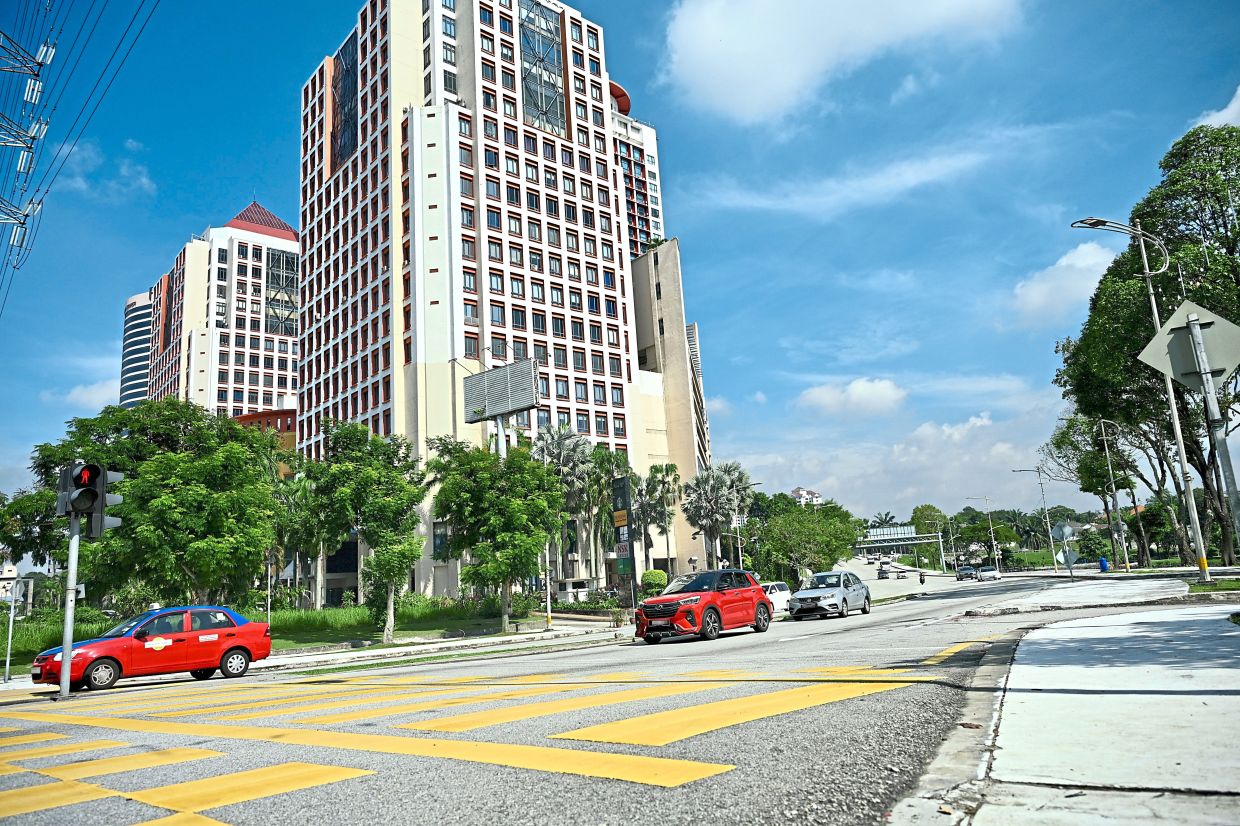
“There is a need to strengthen the public transport system and its supporting facilities to handle increased road usage and minimise private vehicle dependency.
“Ultimately, roads must provide a smooth journey.
“The city has about one million people travelling in and out daily so we need to keep up with the demand for public transport,” he said.
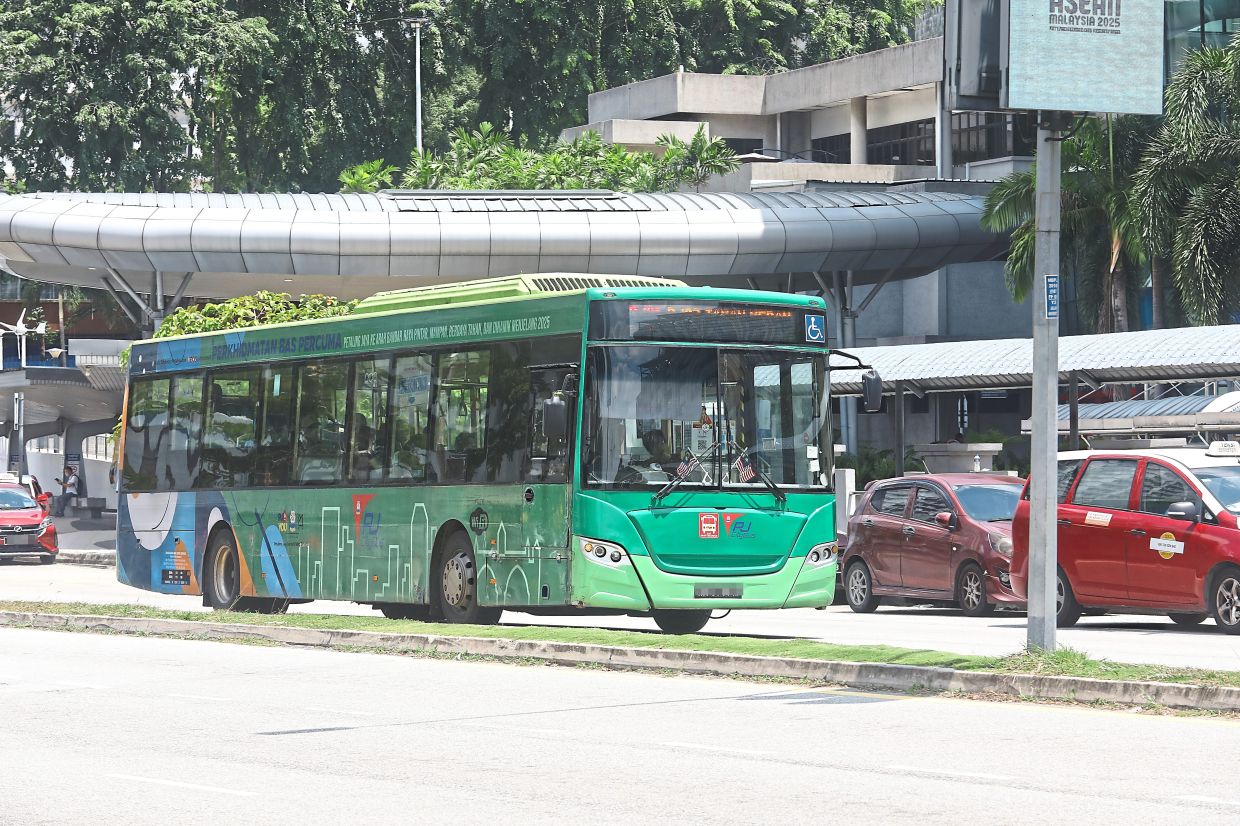
Under the first transport plan, PIP 1.0, the Petaling Jaya free bus service was introduced, and now operates with 26 buses.
The mayor warned that demand-responsive transit (DRT) service, which launched in Petaling Jaya in the middle of last year, was insufficient on its own.
“The vans can only transport about eight people at a time, while buses can carry about 40.
“Buses are expensive to operate – our 26 free buses cost RM6mil annually,” he said.
Future plans include introducing multi-level parking in busy areas and upgrading parking management under the Selangor Intelligent Parking (SIP) system, which includes the two-hour parking rule and closed-circuit television (CCTV) integration.
Land use around MRT and LRT stations would follow TOD principles to encourage public transport usage, he said.
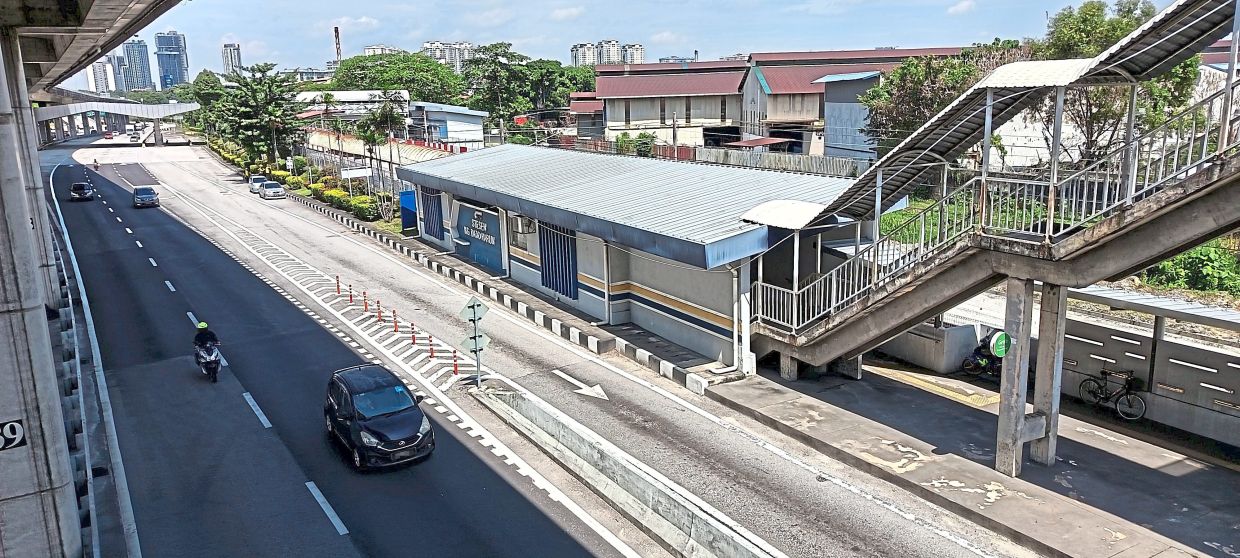
More covered walkways linking to public transport and sheltered bus waiting areas will be built.
Mohamad Zahri added that under PIP 1.0, areas such as the one-way loop at Section 52 underwent upgrades, including walkways and traffic lights.
He said more smart traffic light planning, potentially synchronising traffic lights for smoother flow, were in the pipeline.

“Six of the routes are now offered through the free bus service, which started in 2014.
“Due to budget constraints, the council embarked on two routes first, and now has six,” she said.
She noted that while transportation was usually led by the Transport Ministry, MBPJ was the first council in the country to run six bus routes using its own funds.
Regarding walkways, MBPJ has built them in older parts of the city, such as Section 52 and Section 14.
“We can walk from Section 8 to Section 52 using the connected and safe walkways.
“At Section 14, by the Penchala River trail, MBPJ also built a walking trail,” she said.
She added that while high-rise development was unavoidable, selecting the right locations could minimise traffic impact.
Developments near LRT or MRT stations provide more motivation for residents to use public transport, Kusaaliny said.
She emphasised that progress must not neglect the elderly.
“As the city becomes more modern, even payment systems have shifted to digital.
“We need to ensure the elderly can commute using cashless systems,” she said.
Time for overhaul
Stakeholders want an overhaul of the transport system, which they argue has been neglected for too long.
“As the city grows denser, residents are paying the price through daily congestion, pollution and declining quality of life,” said Muda central executive committee member VKK Raja.
“The state and local authorities must stop treating Petaling Jaya as an afterthought and commit to a real, sustainable transport overhaul,” said Raja, who is also Section 16/3 Petaling Jaya Residents Association chairman.
He added that recently approved mixed developments must include transport mechanisms to ensure sustainable growth.
Section 6 Rukun Tetangga chairman Rajesh Mansukhlal said the TOD concept had not been truly implemented and was instead being taken advantage of.
“TOD should come with infrastructure such as schools and recreational facilities, not just expensive high-rise condominiums near train stations.
“The state and federal governments must be in sync.
“When MRT lines are built, they must foresee traffic patterns 25 years ahead,” he said.
He added that regular train stops were needed; otherwise, it would no longer be a TOD.
“Developers should not be granted TOD status if stations do not have frequent stops,” said Rajesh.
He urged the authorities to plan development together with roads and traffic management.
“Otherwise, we will end up with poor traffic situations such as along Jalan Klang Lama despite its connection to the New Pantai Expressway (NPE),” he said.
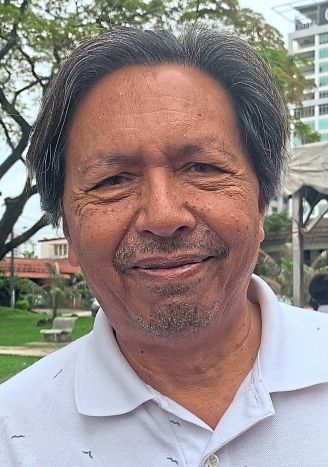
“If developments are justified using TOD, we must reconsider the income bracket of residents.
“Those who can afford TOD properties will likely own vehicles and not depend on rail, defeating the purpose.
“We also cannot continue planning transport where people need cars to get to stations.
“Existing TOD areas must be fully accessible before approving new developments,” he said.
Rosli also urged the city to consider the ageing population.
“Many plans seem catered to younger people who can walk long distances or climb stairs.
“The elderly and people with disabilities are often overlooked,” he said.
Independent transport researcher Nischal Ranjinath Muniandy said more frequent bus trips might encourage greater usage.
“There should be a direct bus connecting Taman Medan in Petaling Jaya to Bandar Kinrara in Puchong, for instance.
“Currently, people must switch between many modes of transport, resulting in long commute times, which discourages public transport usage,” he said.
Local connectivity

“One key recommendation for the plan is the improvement and integration of a comprehensive first– and last-mile infrastructure system.
“This will improve user accessibility from residential areas to transit stations and vice versa, making public transport more convenient and appealing for daily use,” she said, citing the need for more bicycle facilities, mini bus stations and micromobility rider areas in strategic locations around transit stations.
Suhana added that PIP 2.0 was designed to align with and support national policies and guidelines in the transport sector.
This can be seen in efforts to integrate public transport systems, promote TOD and improve infrastructure that enhances the efficiency and competitiveness of the transport system in the area.
“The plan also focuses on traffic management, the use of smart systems and strengthening infrastructure networks that integrate various modes of transport.”
However, she cautioned that the effectiveness of its implementation would depend on how well this plan complemented and adapted to existing national policies and ongoing initiatives.
To strengthen the shift to public transport, Suhana suggested focusing on improving facilities and environmental design to ensure safe and comfortable access.
“This includes enhancing pedestrian and micromobility pathways in key areas and improving the public transport network that connects residential areas to transit stations so that it is better integrated.”