
A SENSE of common purpose and community is transforming two villages thanks to a local initiative in Shah Alam, Selangor.
The Sedulur Sekampung programme is a multi-pronged effort by Shah Alam City Council (MBSA) councillor Muhammad Nabil Norhalim in Zone 11, which comprises Kampung Jalan Kebun and Kampung Lombong.
Muhammad Nabil, who realised the area needed vast improvements when appointed in February 2023, explained that sedulur was a Javanese term meaning “brotherhood”, and conveyed the spirit of community.
He added that nearly 80% of the over 45,000 residents in the two villages were of Javanese descent.
The programme was designed to clean up the area, legalise local businesses and promote local tourism, aiming to fix the contrast between the villages’ status as a food haven and their previously littered streets.
Trikes to handle waste
The first major reform tackled the villages’ severe waste management issue.
An initial communal bin collection service, set up with MBSA and KDEB Waste Management (KDEBWM), attracted scavengers and contributed to local flooding.
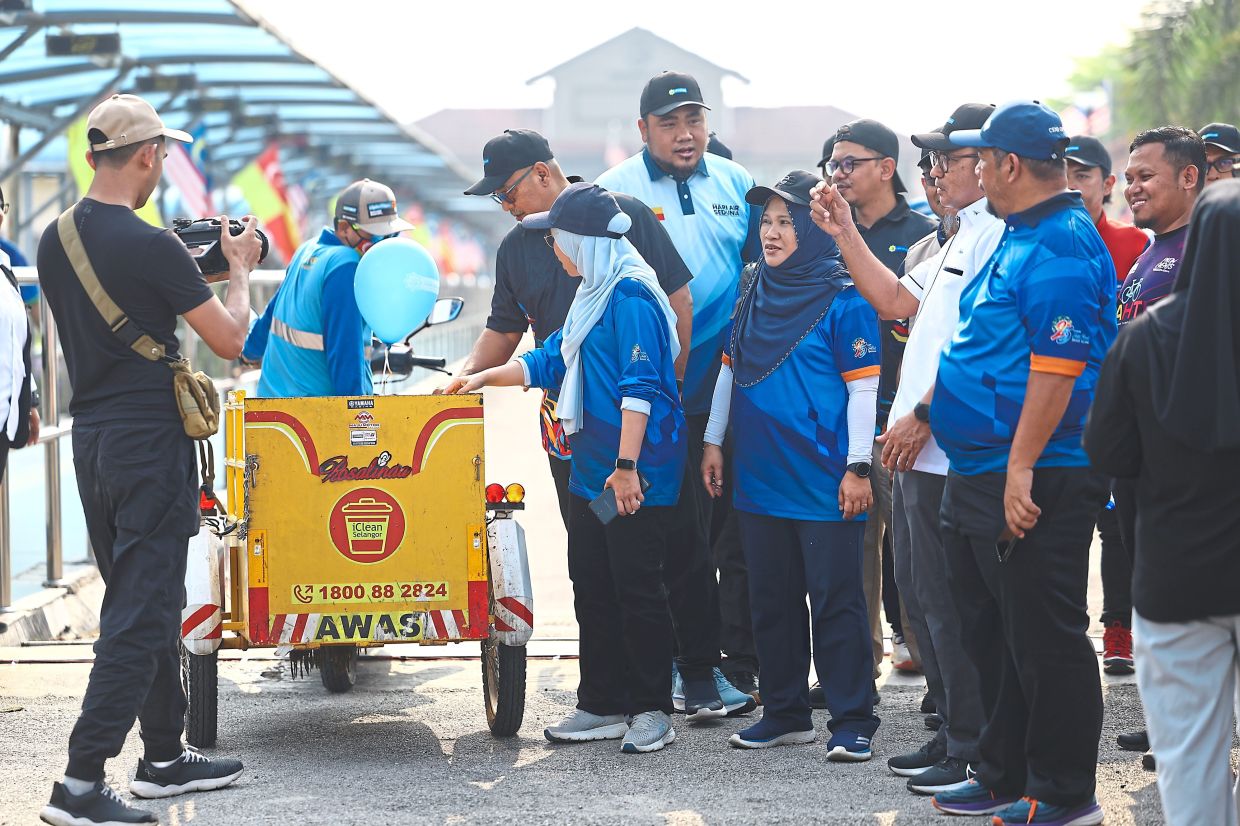
This led MBSA to implement a significant operational shift: Zone 11 migrated on Aug 1, 2023, to an efficient door-to-door rubbish collection model using a trike (three-wheeled motorcycle).
This solution was adopted because the narrow village roads are too small for standard rubbish trucks, a concept MBSA has deployed in 13 villages with an allocation of between RM10mil and RM12mil.
Households were required to purchase their own 120L bins, and the trike now transports the waste to a transit point for collection by KDEBWM trucks three times a week.
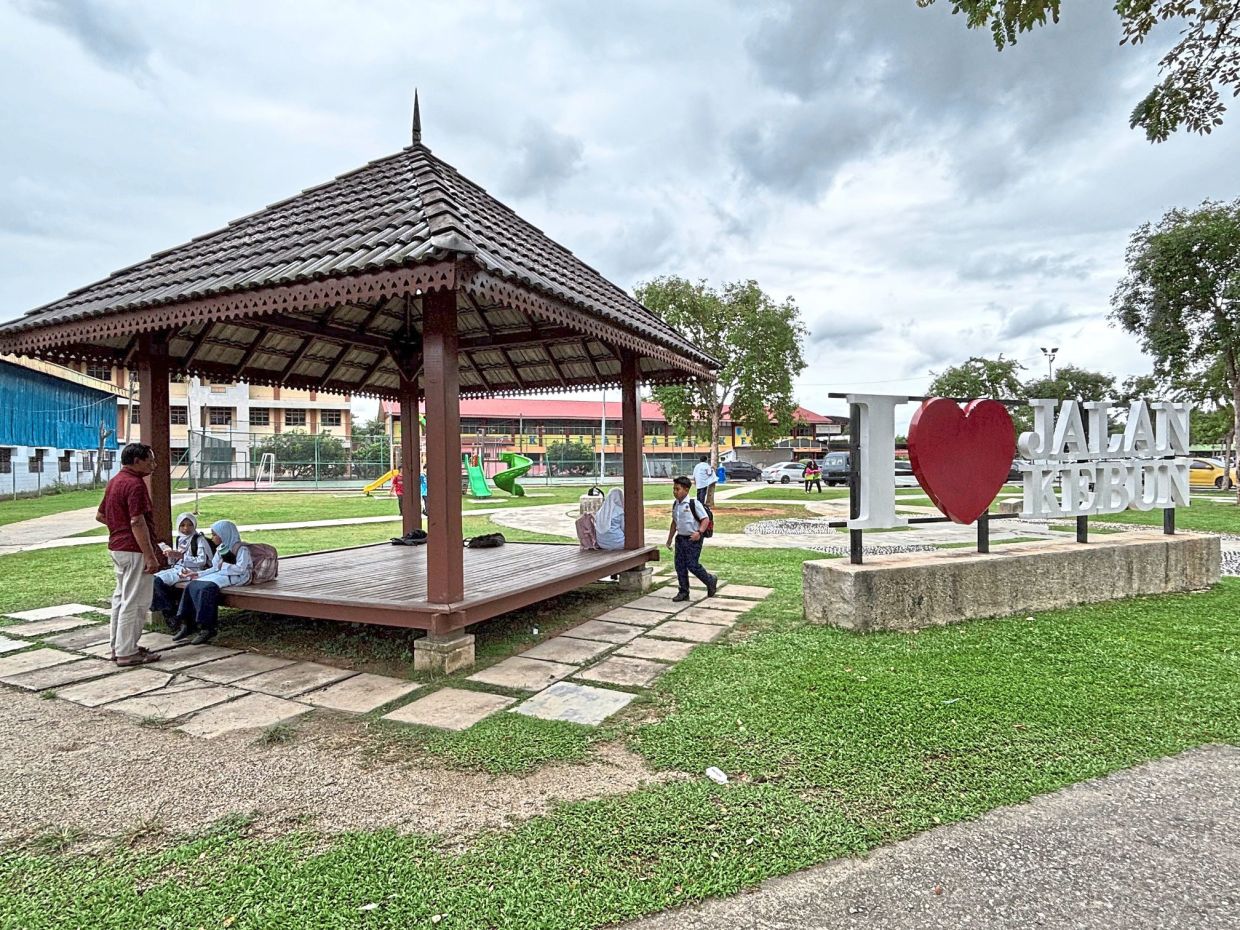
Mohd Amarizal Abu Bakar, a resident and business owner, noted that thanks to the programme, there was less rubbish strewn around and collection was far more organised, alongside other infrastructure improvements like the upgrade of Padang Rakyat Jalan Kebun, the construction of a public toilet and paved roads.
Improved livelihoods
Muhammad Nabil also worked with MBSA departments to introduce a “licence without certificate of fitness” initiative to offer temporary licences to eateries and micro-entrepreneurs who were operating without valid business or planning approval.
This initiative allows them to apply for a temporary licence, renewable yearly, upon meeting conditions such as having a written agreement from the landowner and securing business insurance.
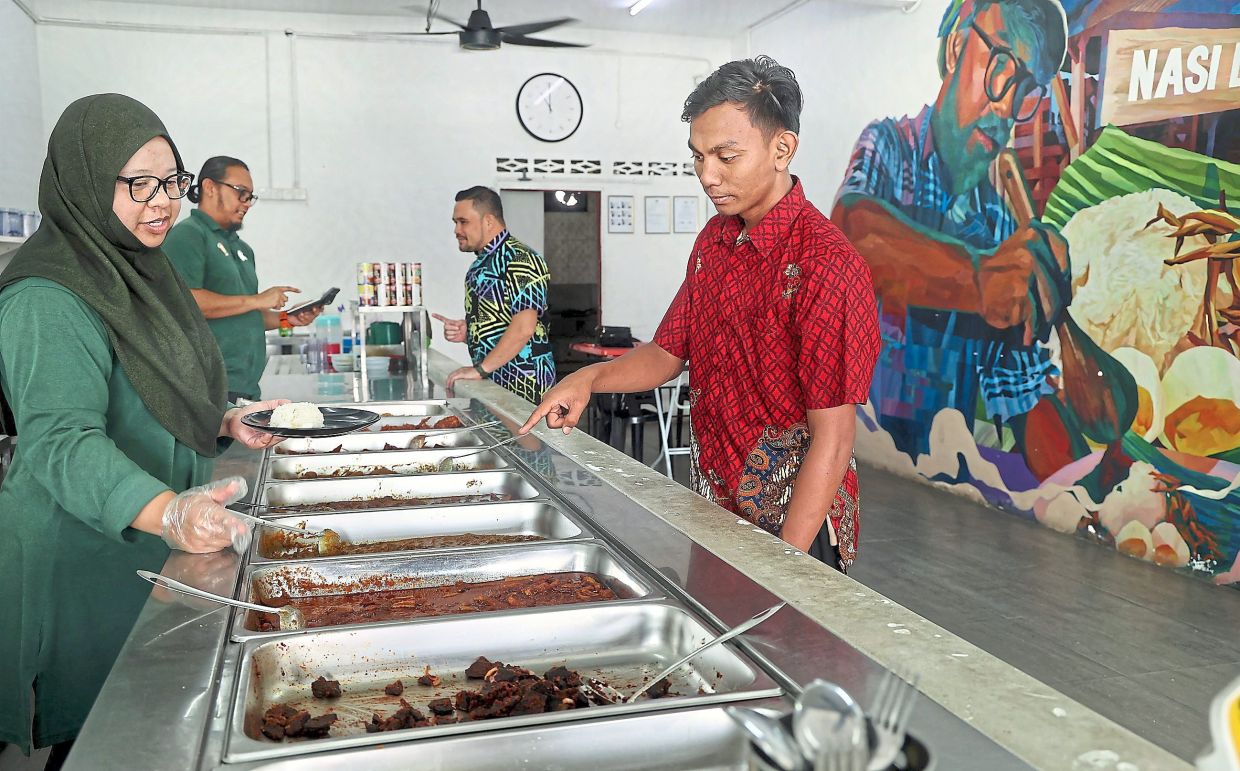
Five eateries have already been granted temporary licences, and the process has brought genuine relief to operators like Mohd Amarizal, who is co-owner of Nasi Lemak Bonda.
He confirmed that the application process was manageable where he received his temporary business licence within a month after obtaining landowner permission and settling all outstanding local council summonses.
This legislation has had further positive effects, helping to facilitate other operational matters such as securing permits for foreign workers.
Mohd Amarizal and his wife, who started their business five years ago, now actively offer guidance to other food operators seeking to legalise their respective business.
Boost to tourism
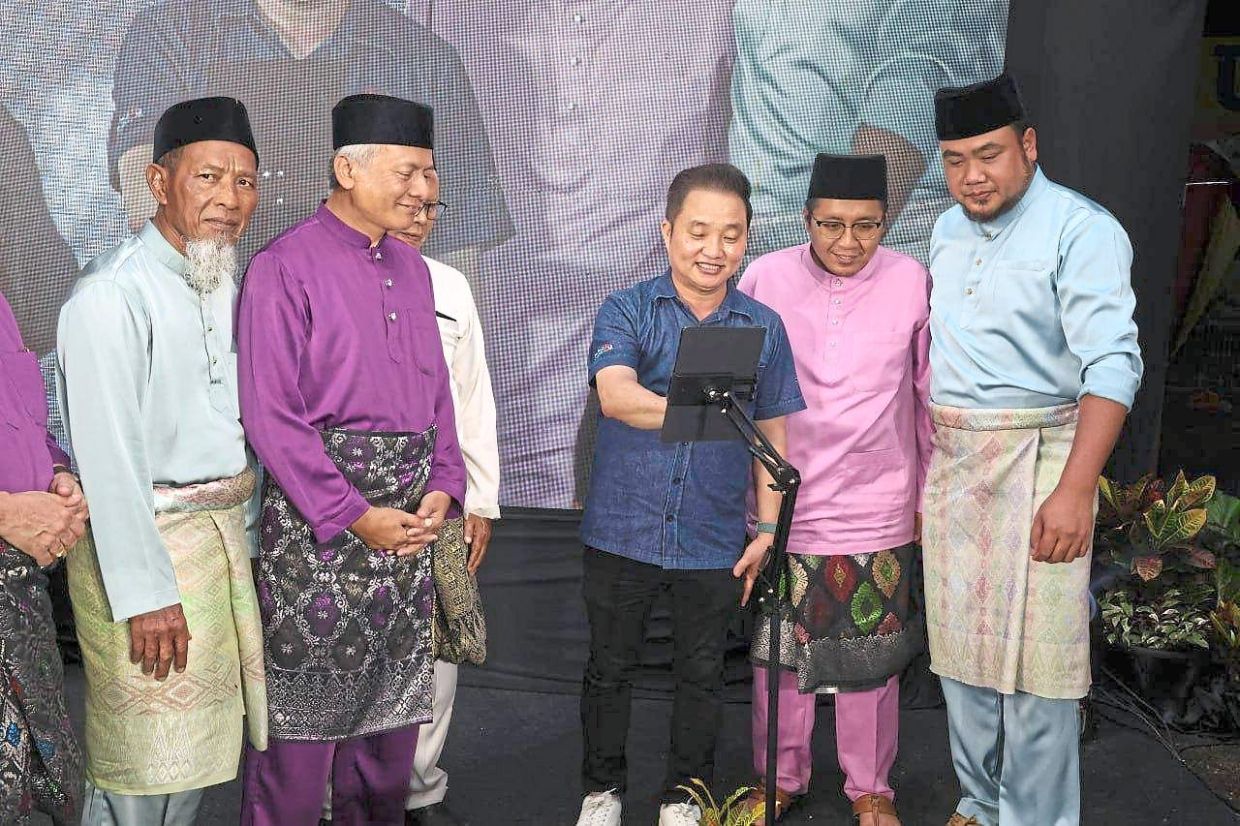
The Sedulur Sekampung website was launched to highlight interesting locations and activities in Kampung Jalan Kebun and Kampung Lombong.
It also serves to showcase the uniqueness of local villages and make them a tourism product in Shah Alam.
Selangor local government and tourism committee chairman Datuk Ng Suee Lim launched the website during a Hari Raya Aidilfitri event in late April this year.
The community tourism portal, which can be accessed via sedulursekampung.mbsa.gov.my, is divided into sections such as food destinations, sports and cultural heritage, community development centres and public facilities.
“Some of the sports activities held here that the public can participate in include silat cemande, muay thai and archery at Dayakboi Playground and Ppilusa Archery Club,” said Muhammad Nabil.
“There are over 30 eateries in the two villages offering local and traditional food, such as nasi lemak, nasi kandar, nasi berlauk and tom yam.
“There are also several active community gardens, including three that have won awards for their various projects: Taman Tanjung Api-Api for their aquaculture project and fertigation system, Taman Andaman 1 (oyster mushrooms) and Taman Idaman Maya (pineapples).”
He added that several infrastructure projects were implemented or were in the process of being implemented in the two villages, including the upgrading of Lorong Arang Batu, building a dry pond to reduce flooding, and flood mapping research for MBSA’s southern zone.
“Kampung Jalan Kebun has been selected for MBSA’s Village Adoption (Kampung Angkat) programme next year, through which the city council will pump in funds for additional lighting and build an archway to welcome visitors,” said Muhammad Nabil.
“MBSA will also conduct a study for a Development Master Plan for Kampung Jalan Kebun and Kampung Lombong.

“It will serve as a special plan for Zone 11, with zoning, land use and terms of reference for future developments.”
He shared that other ideas being mulled to further promote tourism and preserve cultural heritage included offering packaged tours and showcasing traditional Javanese food such as nasi ambeng and punten.
“The community spirit is strong in the two villages, with residents actively participating in gotong-royong, festive events, town halls and other community events.
“They are happy to embrace the changes and initiatives, knowing that it is all for their benefit,” said Muhammad Nabil.