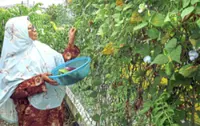
VILLAGER Mohd Amarizal Abu Bakar from Shah Alam, Selangor, is among locals benefitting from the tangible social and economic transformation brought by the Sedulur Sekampung initiative.
“The programme has brought a lot of improvements to the area,” noted Mohd Amarizal, who was born and raised in Kampung Jalan Kebun,
He cited less rubbish strewn around the area as well as more organised waste collection, the upgrade of popular recreation field Padang Rakyat Jalan Kebun, the construction of a public toilet and paved roads.
This progress has been matched by a strong reciprocal community spirit; the 38-year-old participates in gotong-royong and community walks, sponsors food for local events, and offers his restaurant as a space for meetings, emphasising that this was his way of giving back.
He proudly describes Kampung Jalan Kebun as a “village in the city” in Shah Alam, with a deep sense of neighbourliness.
As a food business operator, Mohd Amarizal directly benefitted from the business legalisation pathway under the programme, an initiative led by Shah Alam City Council (MBSA) councillor Muhammad Nabil Norhalim.
Running Nasi Lemak Bonda with his wife Siti Sharaeliana Nasir, 37, Mohd Amarizal expressed relief at obtaining a “temporary, but proper, licence” for their eatery, which they founded five years ago when their factory canteen operations were temporarily halted by the Covid-19 pandemic.
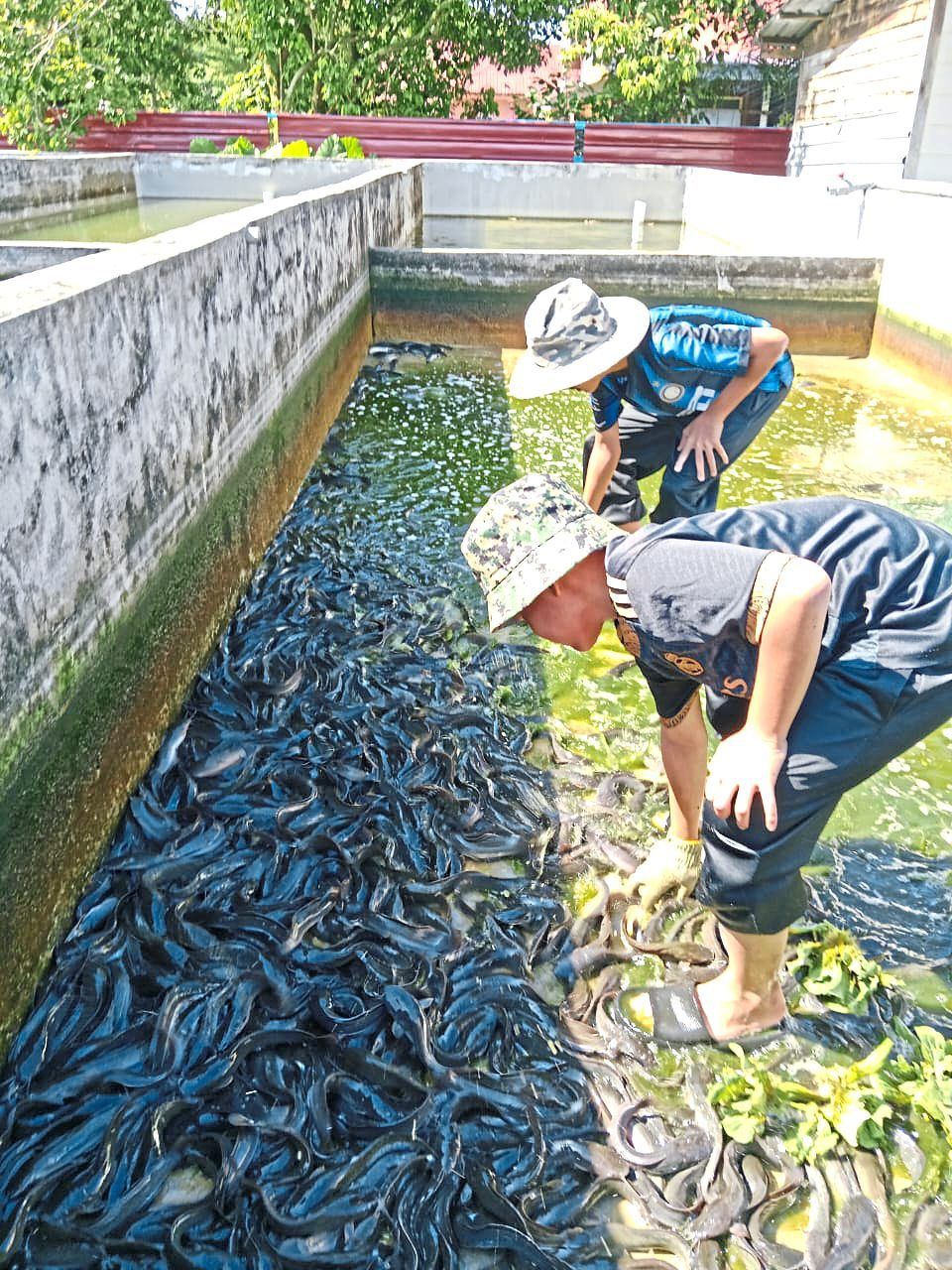
The application process was straightforward by meeting all requirements, including securing written permission from the landowner and settling outstanding local council summons, they received their licence within a month of submission, he added.
Crucially, the legal status of Nasi Lemak Bonda helps facilitate other operational matters, such as obtaining necessary permits for foreign workers.
The couple now mentors other food operators in the village seeking to legalise their businesses under the Sedulur Sekampung banner.
The Taman Tanjung Api-Api community garden project exemplifies how cooperative spirit yields fruitful and profitable results.
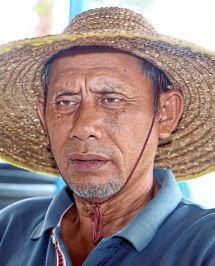
The second, newer project, started seven months ago by the Taman Tanjung Api-Api Residents Association (RA) with its chairman Mat Zin Karim sitting on approximately 0.8ha space, dedicating half to aquaculture.
The project, run by 20 full-time and 40 volunteer members, rears catfish and tilapia in 16 tanks, utilising advanced, sustainable practices.
As explained by the RA Aquaculture and Community Garden Bureau head Syah Abd Rahim, this includes channelling ammonia-rich wastewater from the fish tanks to water the plants – a highly efficient form of fertigation.
He said the fish are fed pellets and black soldier flies, depending on their age range.
“While the tilapia is sold fresh, the catfish is sold in various forms – fresh, frozen or smoked – to villagers, local restaurants and outside buyers,” he said.

Mat Zain said produce from the vegetable garden, such as brinjals, chillies and four-angled beans, are sold to local residents.
The group also sometimes receives orders for fish to be reared for wedding banquets or large group functions.
Beyond the monetary gains, Mat Zin affirmed that the gardens fostered closer neighbourly ties, transforming neighbours into “extended families” – the support network they rely on for any help. — By JADE CHAN