Ignoring domestic violence could cost a life. This was the urgent message from Perak women, family, social welfare, cooperatives and entrepreneur development committee chairman Datuk Salbiah Mohamed.
She emphasised that domestic violence must never be tolerated or allowed to escalate to a fatal outcome.
“We must reject the mindset of waiting until someone dies, or until it happens to someone we know, before we recognise its seriousness,” she said during a state-level programme against domestic violence in Ipoh.
Citing numerous social issues, she noted that many people chose not to get involved because they believed it was “not their responsibility” or “not their business.”
However, she stressed that “this is a social problem that affects the entire community. Everyone must play their part.”
Not solely a women issue
Salbiah highlighted the far-reaching societal cost of domestic violence.
She explained that when a woman suffers abuse, the trauma cascades through her entire family, especially her children, creating a vicious cycle that ultimately undermines national development and social stability.
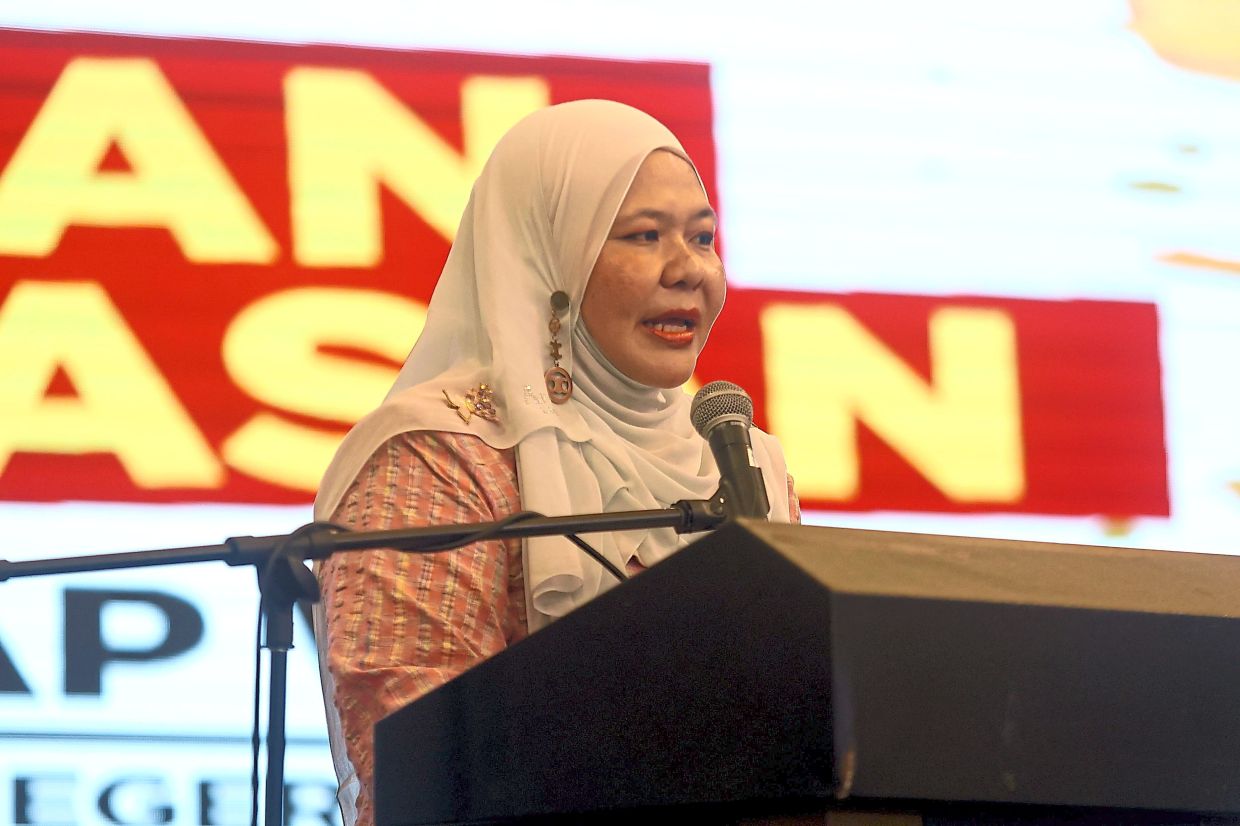
Salbiah warned, “If we ignore these issues, the frequency of violence against women will continue to rise.”
She firmly rejected the notion that domestic violence was solely a women’s issue, stressing that everyone in the community had a shared responsibility to report abuse.
Based on reported cases in Perak, she noted that most incidents involved individuals from the B40 income group.
She said many of them struggled with drug addiction and financial problems.
Hence, this was why advocacy and empowerment programmes were carried out at the secretariat and Women’s Development Department (JPW) to help women improve their economic standing.
“We know that when domestic violence occurs, many women choose to remain silent because they have no source of income and don’t know where to turn for help.
“By educating and empowering women with knowledge and skills to generate income, they can gain confidence and independence,” she said.

She said Perak was the second highest state after Selangor for domestic violence cases recorded during the first six months of this year.
It was previously reported that from January to June this year, Selangor recorded 687 cases, followed by Perak (653), Johor (440), Kedah (379) and Sabah (289).
Salbiah said that while the figures were worrying, they reflected increasing public awareness of the importance of reporting violence against women as more victims were coming forward.
Commitment to advocacy
She said the state government would continue to strengthen advocacy efforts through on-the-ground approaches to ensure that messages on safety and protection reached all levels of the community.
This would ensure that no woman would feel neglected or helpless when facing threats or abuse.
Salbiah said she hoped that all those who attend such advocacy programmes would become information ambassadors and agents of change within their respective communities.
She said knowledge gained should be translated into action, whether by offering moral support, assisting victims to make reports, or at the very least, not allowing violence to continue unreported.
“Together, let us make Perak a truly safe state for women at home, in the workplace and in public spaces.”
She urged the public to report such cases through the Talian Kasih 15999 hotline, which provides 24-hour assistance.
Spotting red flags
The domestic violence programme, organised by the Perak Women and Community Development Secretariat with cooperation from JPW, was launched by Perak Mentri Besar’s wife Datin Seri Aezer Zubin.
About 500 people attended the programme, which included an exhibition and a forum.
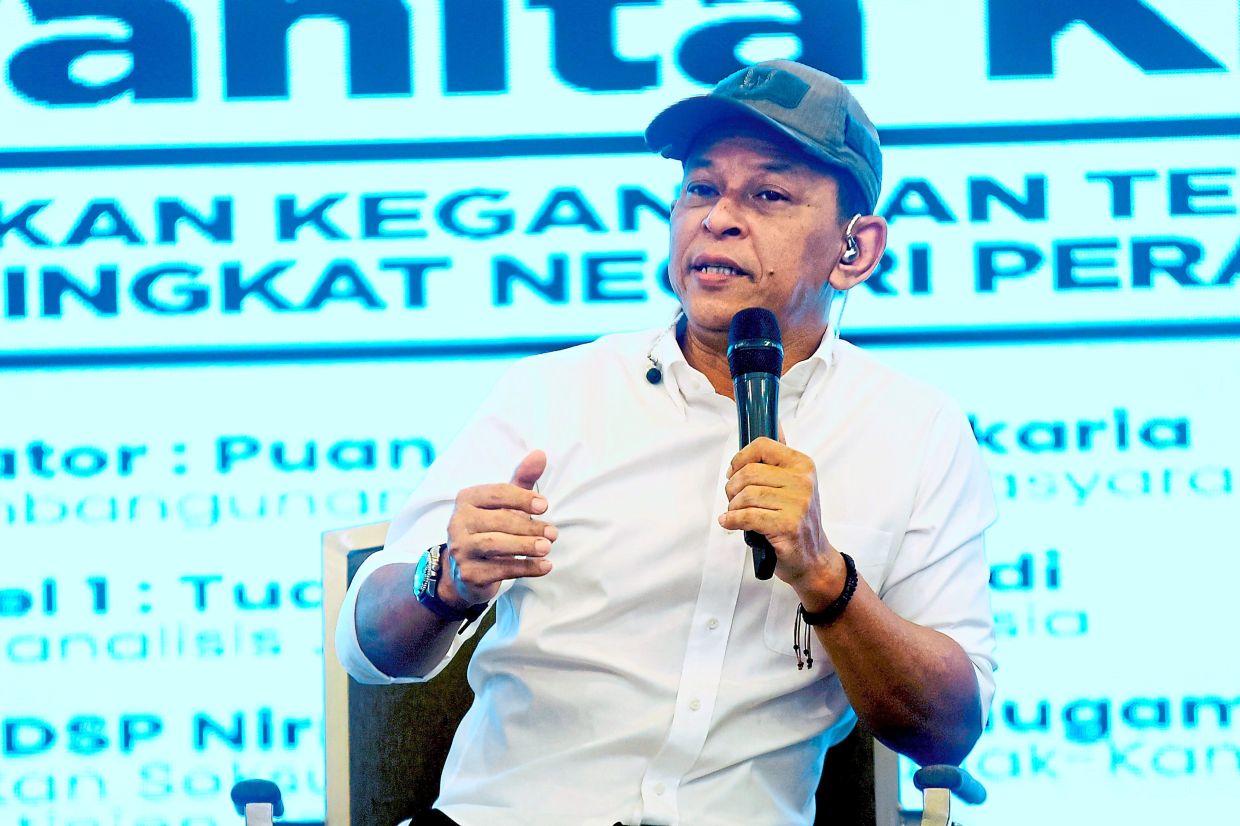
Crime analyst Kamal Affandi Hashim and Deputy Supt A. Nirmala, from the state Sexual, Women and Child Investigation Division, spoke at the forum titled “Discussion on Crime, Law and the Current Reality of Women”. It was moderated by JPW director Jamilah Zakaria.
During the forum, Kamal Affandi said excessive jealousy and controlling behaviour were among the earliest warning signs of violence in relationships.
He said violent behaviour often began with subtle forms of control that were mistakenly accepted as signs of affection.
He then gave examples of this, citing excessive jealousy as a top red flag.
“You can’t go out wearing red lipstick, or attend an event without being accused of being flirtatious.
“While mild jealousy or playful teasing is normal, extreme possessiveness can quickly escalate into emotional abuse,” he said.
A second warning sign is controlling behaviour, for example dictating how a partner dresses, where she goes, or whom she meets.
“Some even decide what is ‘proper’ for their partners to wear or whether they can participate in certain activities.”
Kamal Affandi said the third red flag was isolation from friends and social support.
“When someone starts saying ‘don’t be friends with that person’ or ‘stop talking to your friends or family’, that is a sign of deeper manipulation and control.
“Such behaviour, though often dismissed as harmless, are “reflexes” that point to deeper attitudes of dominance and entitlement.
“Such warning signs can lead to physical or emotional abuse if ignored.”
Safe spaces for victims
DSP Nirmala said not many were aware that every police station in the country had a room to support and comfort victims of domestic violence and other traumatic crimes.
She said the special rooms, introduced in 2011, were designed to help victims who arrive at police stations in distress, fear or physical pain.
These rooms, she added were furnished with sofas, air-conditioning, handwashing facilities and a comfortable resting space.
“They are meant for victims who are traumatised, whether due to domestic violence, sexual assault, rape or any other form of abuse.
“Victims who come in injured or in shock are first taken into the room to rest and calm down before any statement is recorded.
“If necessary, officers will call for an ambulance. The victim does not need to queue at the counter, as a police officer will bring a laptop into the room and record the victim’s statement.”
DSP Nirmala said an investigating officer would then be assigned to handle the case and determine whether the victim should be referred to a hospital.
She noted that hospital reports were crucial as evidence of physical abuse.
“In cases where victims need to seek immediate medical treatment, police officers stationed at hospitals will assist in recording their statements.
“In severe cases, doctors can lodge a police report on behalf of the victim.”
She said while the statistics might give the impression that domestic violence was on the rise in Perak, it was not necessarily due to more incidents but because more women were now sufficiently courageous to seek justice.
“The statistics reflect not weakness but bravery. Women are no longer keeping silent – they are standing up for their rights.”
She urged victims not to withdraw their reports out of fear or emotional attachment to their partners, saying the decision to take action must come from the victim herself.
“Even though we have domestic violence laws and protection orders, in the end it depends on the individual.
“If victims continue to tolerate abuse, it will go on. But if they stand up for themselves, the abuse is more likely to stop,” she said.
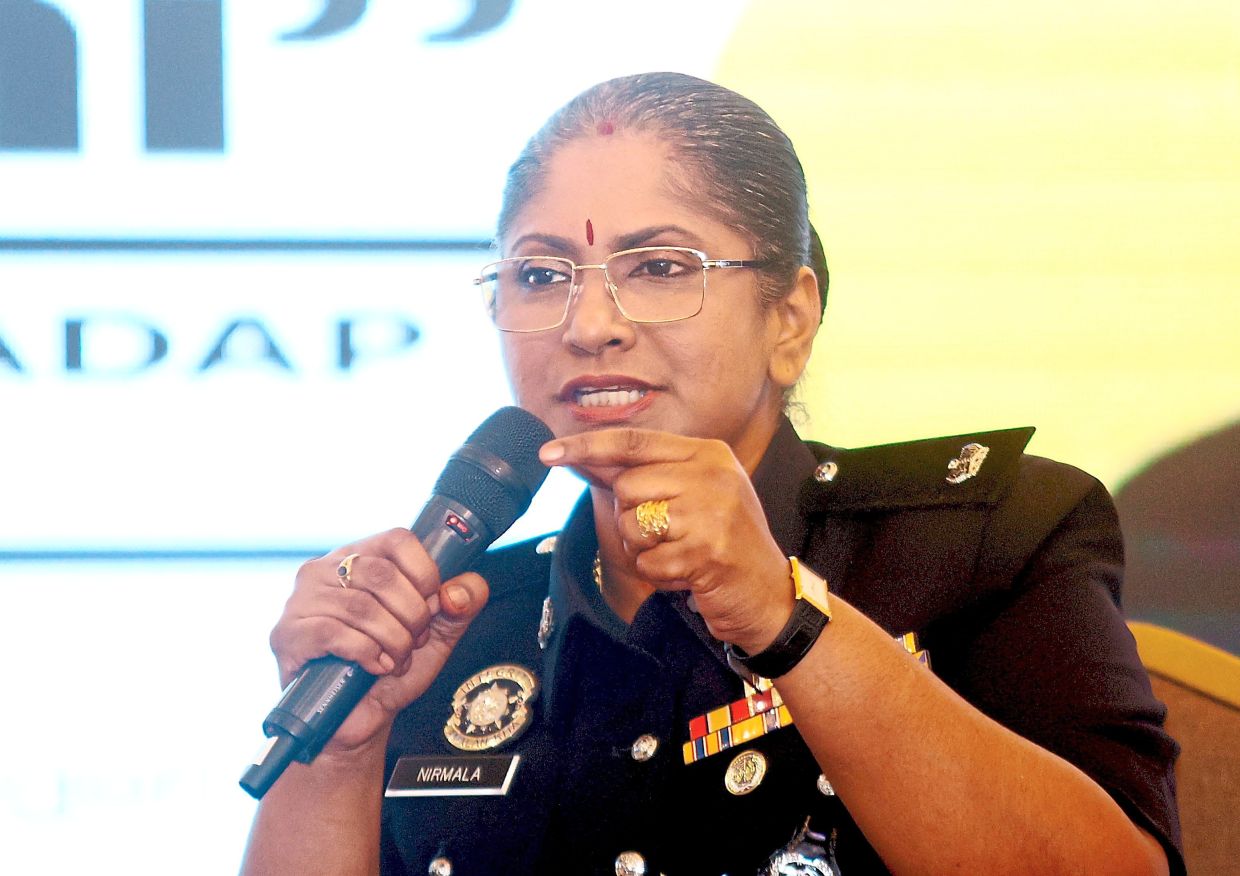
DSP Nirmala encouraged women facing abuse to seek justice without feeling shame.
“If women can endure pregnancy and childbirth, why should we think we are weak? Women are strong. We must stand up for our lives.”
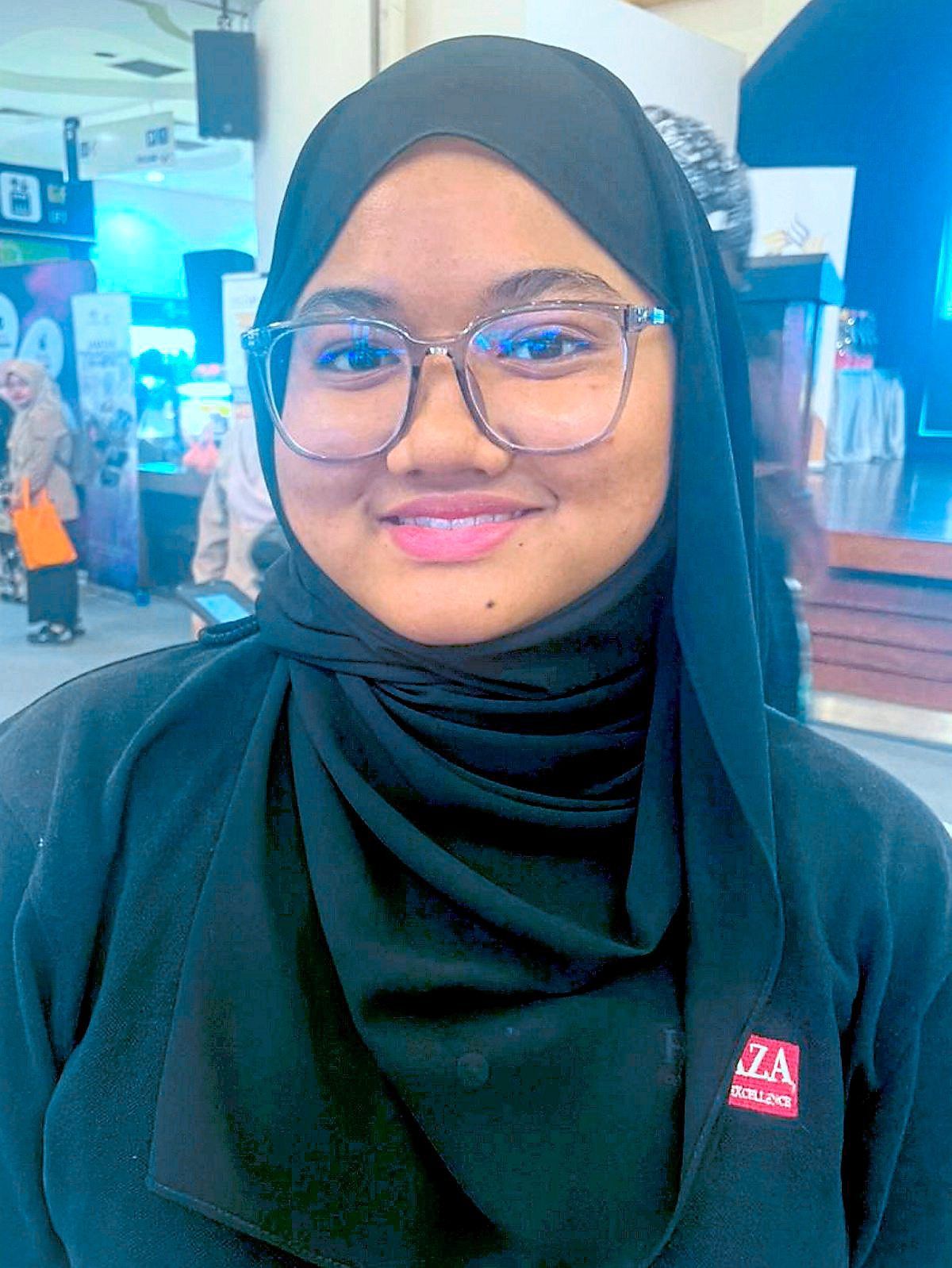
Najiha Rosli, who attended the event, said young people must not stay silent if they were being mistreated or controlled.
“If you are being oppressed, don’t stay quiet. Be brave, ask for advice from those around you.
“If people tell you to make a police report, then do it,” she said.
The 24-year-old civil servant said taking action was more important than forgiving abusers too easily.
Najiha said the event was very informative as it showed the audience how to recognise early warning signs in toxic or abusive relationships.
“We learned that we can trust the authorities to help us.
“We must be alert and look out for signs of being controlled or mistreated.
“Don’t be too nice or too soft-hearted and always remain cautious,” she shared.
From the event, she said she learned about the red flags to look out for and would now be on the lookout for manipulative behaviour.
Culinary college student Nur Fairizzar Balqis Fairuz, 19, said she had not been aware of the high number of domestic violence cases in Perak.
She said programmes like this were important to empower people to help prevent violence against women.
“Women must be brave in facing challenges, learn to defend themselves and not be afraid to take action against abuse.
“These initiatives aim to empower women with knowledge, self-protection skills and the confidence to act against violence, contributing to a safer community for all.”
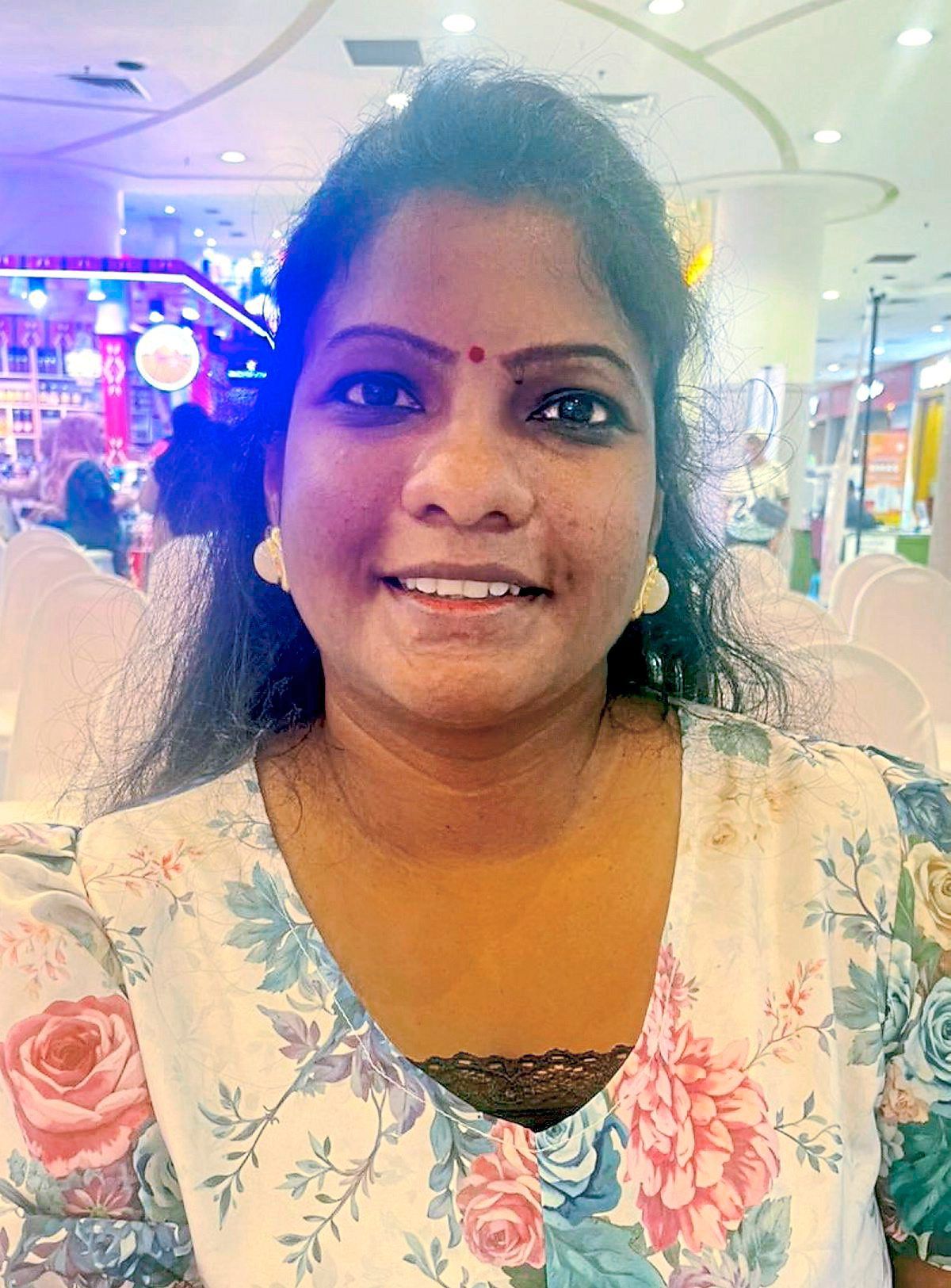
Entrepreneur Suzalia Edvina Maldass, 35, said the programme was a good initiative by the state government.
She said the event was very impactful, especially for women.
“By attending such events, we learn about the legal system, how it works to protect women, which are the relevant agencies, as well as what actions can be taken in order to overcome violence against women.”
She said she found the discussion on “red flag” behaviour beneficial as she was involved in several non-governmental organisations and had experience handling domestic violence cases.
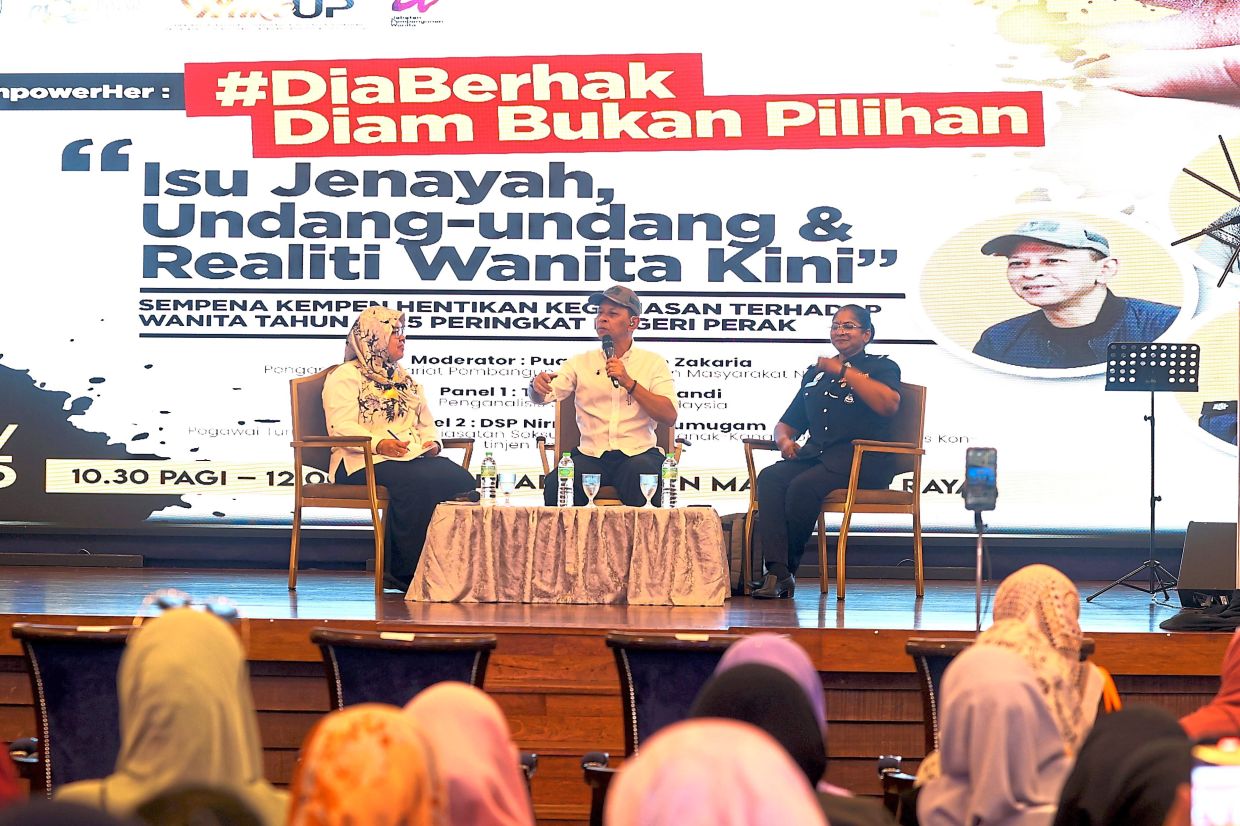
(From left) Jamilah, Kamal Affandi and DSP Nirmala at the forum titled ‘Discussion on Crime, Law and the Current Reality of Women’. — RONNIE CHIN/The Star
Salbiah says domestic abuse is a social problem that affects the entire community.
Kamal Affandi says violent behaviour often begins with subtle forms of control.
DSP Nirmala encourages women facing abuse to seek justice without feeling any shame.
Najiha says she learnt to recognise early warning signs in toxic or abusive relationships.
Nur Fairizzar: Such programmes are needed to make people aware of how to help prevent violence against women.
Suzalia says she gained better understanding of the legal system and role of authorities in protecting abused women.