This weekend, take a road trip in Peninsular Malaysia, and make it a Merdeka Day-themed one.
Start from Dataran Merdeka in Kuala Lumpur, one of the country’s most recognisable landmarks of independence. It was here that the British flag was lowered on Aug 30, 1957, and the Federation of Malaya flag was raised.
The next morning, Tunku Abdul Rahman Putra Al-Haj declared the country’s independence at Stadium Merdeka with seven proud cries of “Merdeka!”
From KL, head north or south, and you will find plenty of stories to discover along the way.
Meaningful journey
If you are travelling north from Dataran Merdeka, then Perak makes for a good pitstop.
We know what you are thinking – set your map for Ipoh, of course.
The quaint city is definitely worth visiting: For the food, the old town and the many cafes.
But before making a beeline for the city, why not take a small detour to Pasir Salak?
The riverside town marks an important chapter of Malaya’s colonial history.
Located along the Perak River, Kompleks Sejarah Pasir Salak commemorates the events surrounding the assassination of JWW Birch, the first British Resident of Perak, in 1875. His death became a major event of resistance by local Malay leaders against British administration.
Today, the complex gives visitors a closer look at that period through its History Tunnel. There are also monuments and traditional buildings, including Rumah Kutai (Perak Malay wooden houses), where you can see some of the state’s architectural heritage.
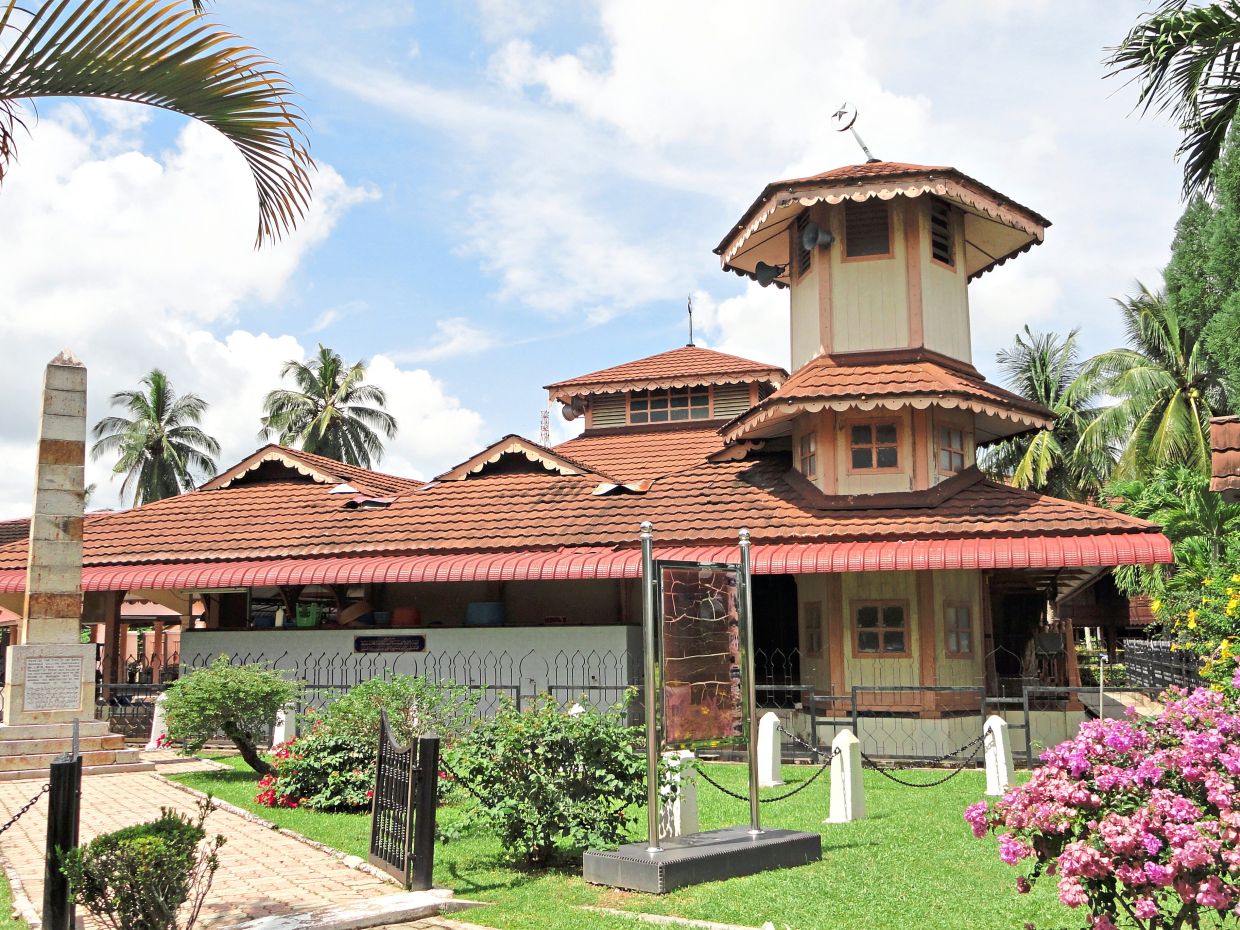
Within the compound is the JWW Birch Memorial, built around 1900 by Ernest Woodford Birch, Perak’s eighth British Resident and son of JWW, to pay tribute to his father.
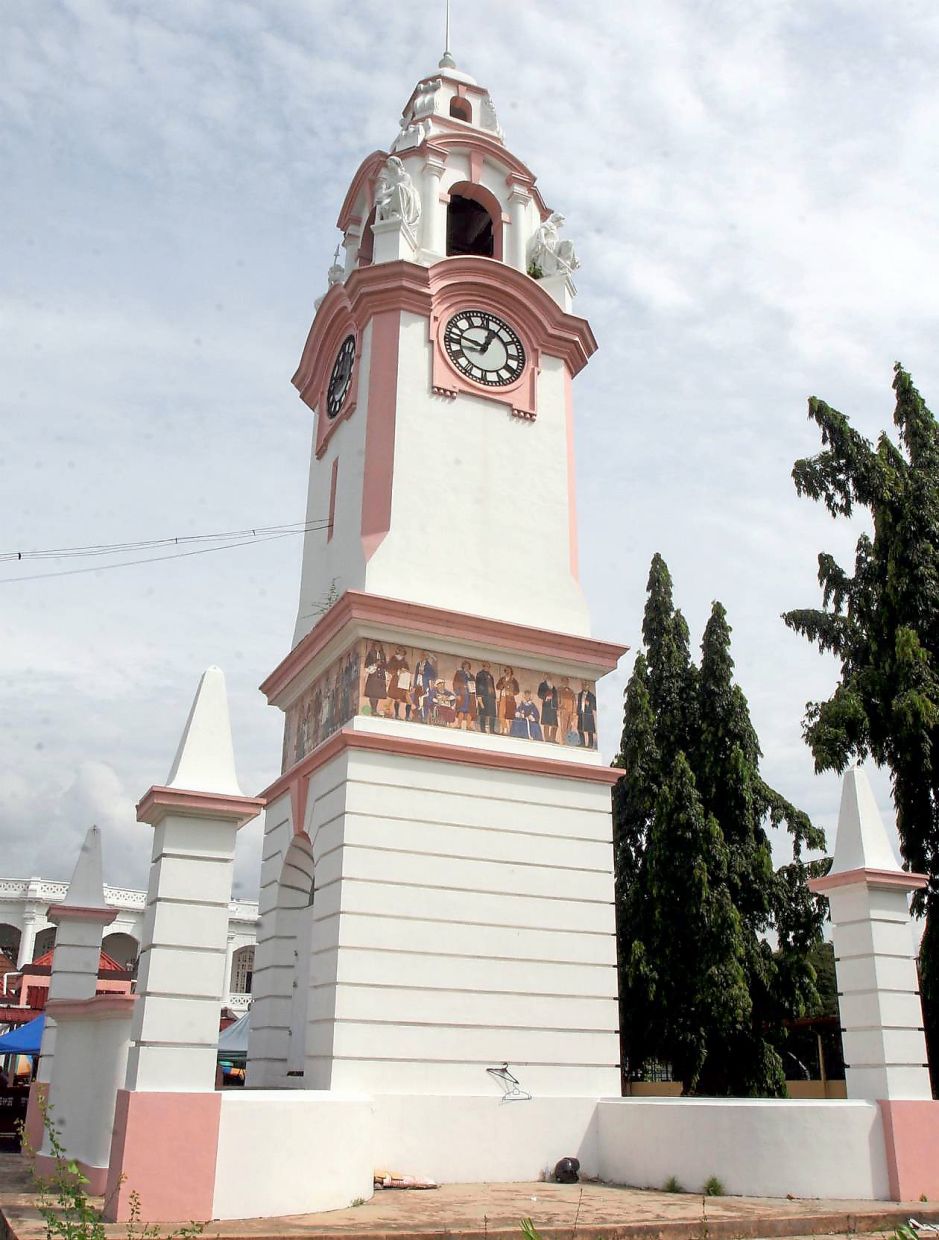
Birch’s story does not end in Pasir Salak. As you explore Ipoh, you may come across the Birch Memorial Clock Tower. The four-sided tower, located near the Ipoh State Mosque, was built in 1909, more than three decades after his death.
So the next time you visit the city, remember that there is more to the place than just food and coffee. You might be surprised by how much of its past is still part of the city and community today.
From Perak, continue your drive north towards Penang.
If you are a foodie, you probably already know that Penang too has a lot to offer. But food is only a small part of what makes Penang worth exploring.
Even crossing either of the state’s two bridges is an experience. Penang Bridge stretches about 13.5km, while the Sultan Abdul Halim Muadzam Shah Bridge, also known as the Penang Second Bridge, measures 24km.
With the sea stretching out around you, you may just spot fishing boats and houseboats bobbing in the distance.
Most visitors make their way to George Town, where the historic centre is filled with colonial-era buildings, and old temples and shophouses that are representations of the communities that have helped shape the island.
Take a walk around Fort Cornwallis and the surrounding area for a glimpse into Penang’s storied past.
You can always reward yourself later, with a bowl of asam laksa or a plate of char kuey teow.
There is another interesting stop between Penang and Kedah: Jambatan Merdeka, which crosses Sungai Muda and connects Seberang Perai with Kedah.
Now many may have crossed this bridge without giving the name much thought, but the structure has seen two very different chapters of the country’s history.
Before Jambatan Merdeka, it was called Titi Sungai Muda. This was destroyed during World War II in 1942 when British forces tried to slow down the Japanese advance.
More than a decade later, a new bridge replaced it in 1957 and was aptly renamed Jambatan Merdeka.
The bridge is not the only reminder of Merdeka in Kedah. In the state capital Alor Setar, for instance, you will find Rumah Merdeka, Tunku’s home.
Built in 1942, the wooden dwelling was simply called Rumah Jalan Baru at first. But more than 10 years later, Tunku Abdul Rahman’s close friends suggested that he rename it Rumah Merdeka, as it had become a meeting place for discussions on independence.
The house has been preserved as a memorial and museum, with displays of personal belongings and some documents that tell you more about the man who would eventually declare Malaya’s independence.
Once you have had your fill of history in Kedah, take in some of its scenery, too. Nicknamed Malaysia’s “Rice Bowl”, the state is known for its vast padi fields.
If you feel like stretching your legs, there are plenty of hiking trails to choose from, such as Bukit Kechil and Bukit Kodiang. A leisurely hike is a good way to take a break from the drive, get some fresh air and see a different side of Kedah.
Down memory lane
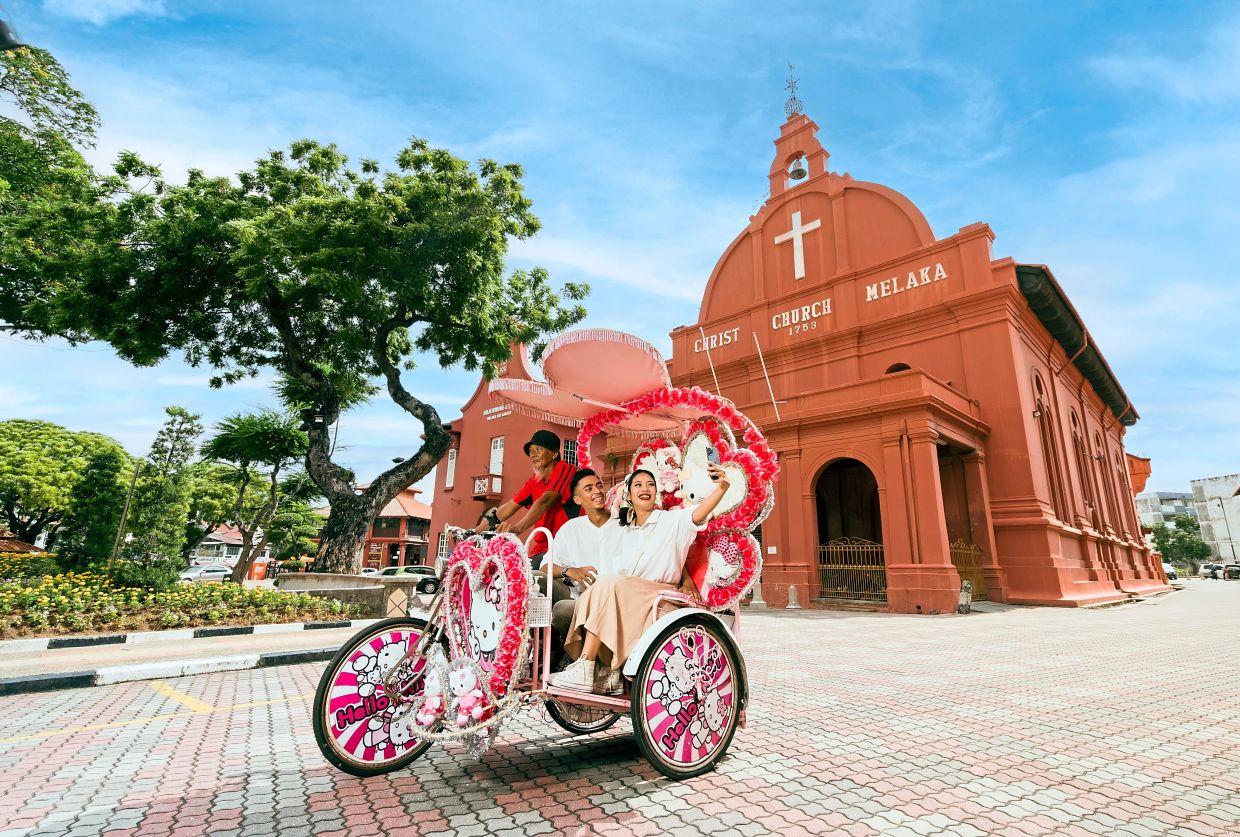
For a trip south, Melaka is about 145km from Dataran Merdeka and remains one of Malaysia’s most popular getaways.
Before getting into the heritage streets, the city also holds an important place in the historical events leading up to Merdeka.
Interestingly, the road to Merdeka “passed” through Melaka. On Feb 20, 1956, Tunku returned from negotiations in London to a huge crowd waiting for him at Padang Banda Hilir, now known as Padang Pahlawan. Around 50,000 people had gathered to hear the news: that Malaya would become independent on Aug 31, 1957.
Today, the field is a place for people to relax, take a walk or simply spend some time outdoors.
Wander through the historic centre and you will see traces of Portuguese, Dutch and British rule through old buildings such as A Famosa and the Stadthuys, as well as St Paul’s Hill. These historic spots are really popular with both local and international tourists.
Another way to explore the city is via a river cruise.
While you are here, be sure to try local favourites such as satay celup, chicken rice balls, nyonya laksa, putu piring and cendol.
From Melaka, embark on a long drive east towards Kelantan, roughly 600km – to Kota Baru – away.
Once you arrive, start your exploration at the famous Siti Khadijah Market, where you can browse the stalls selling mostly traditional snacks and treats. Grab something to eat and get a “feel” for the city before moving on to the historical sights.
For a glimpse of Kelantan’s own Merdeka story, head to Padang Merdeka. Locally known as Padang Bank, the public square became a gathering point on Aug 31, 1957, when people came together to celebrate the declaration of Malaya’s independence.
Years before 1957, however, residents were already challenging British rule and pushing back against the changes introduced in their communities.
To learn more about this, venture into Pasir Puteh, where the Tugu Peringatan Tok Janggut pays homage to one of Kelantan’s best-known resistance figures. Tok Janggut, whose real name was Muhammad Hassan Munas, led an uprising against the British administration in 1915.
Built in 2005, the monument features the keris (dagger), lembing (spear) and semutar (headgear), which reflect the traditional identity and spirit of Malay warriors, according to the Majlis Daerah Pasir Puteh official website.
From Kelantan, you can continue your drive to Terengganu – about 170km from Kota Baru to the state capital, Kuala Terengganu.
Many visitors come here for its beautiful beaches and traditional crafts, and rightfully so. If you look beyond the usual attractions, Kuala Terengganu has a much more interesting story to tell.
The Batu Bersurat Terengganu, which dates back to 1303, sheds light on the region’s early Islamic history. The artefact was discovered centuries later partly submerged on the banks of the Tersat River in Kuala Berang, based on the information on the National Library of Malaysia website.
Today, the original inscription can be seen at the Terengganu State Museum in Losong. The stone is recognised by Unesco as the earliest evidence of Jawi writing in the Malay Muslim world of South-East Asia and was added to Unesco’s Memory of the World in 2009.
By now you may have discovered that Merdeka is only one part of a much bigger story. The roads across the country take you through centuries of history, from early settlements to colonial rule, resistance, war and, finally, independence.
You do not need to see every landmark along the way, of course. Just pick a few places, wander around and let the journey unfold at its own pace. You not only get to see the country but also learn a little more about how it came to be.
And while this year’s Hari Kebangsaan celebration will be held at Dataran Putrajaya on Aug 31, Dataran Merdeka remains a fitting place to start the journey.