
While not as commercialised as Christmas, Easter is observed in some form all around the world. Even if you’re not quite familiar with the Christian festival, chances are you’ve seen movies depicting the way it’s celebrated, outside of its religious context.
Parents hide colourfully painted eggs around the house or yard, and young children gleefully look for these hidden treasures. An “Easter Bunny” – someone dressed in a bunny suit, of course – hops in to distribute chocolate eggs. (Think Santa Claus and his sack of gifts.)
That’s a scene usually seen in an American movie or TV show. Some of these might even portray the United States’ White House Easter Egg Roll, an annual tradition introduced by then-president Rutherford B. Hayes in 1878.
Not every country celebrates with pastel-coloured eggs and a chocolate-carrying rabbit, however. There’s one that celebrates with oranges; another with a cartful of fireworks. There’s also a country that pairs Easter with Halloween.
The date for Easter changes each year, but typically falls in either March or April, and always on a Sunday, as it marks the end of the Holy Week. This year, Easter is on April 5.
If next Easter you happen to be in the following places, you can experience their interesting Easter celebrations first-hand.
Norway: Celebrate with crime
Easter is a Christian festivity that commemorates the resurrection of Jesus Christ, which is why its celebrations traditionally revolve around themes of renewal and reflections.
Modern ways of celebrating it tend to forgo the religious undertones, and perhaps no one exemplifies this more than the Norwegians and their Paskekrim (“Easter Crime”) tradition.
It requires no church visits, just a crime novel or show to enjoy.
According to Visit Norway, this thirst for Nordic noir – dark murder mysteries with bleak Scandinavian settings – resulted from a stunt pulled by a pair of aspiring authors in 1923.
The advertisement for their new novel Bergen Train Looted In The Night was mistaken as a real news headline. The attention this generated led to the novel’s massive success.
Since then, regardless of their religious beliefs, most Norwegians would spend their Easter holiday consuming crime stories. And because Norwegians usually get at least five days off for Easter, they also take this chance to go skiing from cabin to cabin.
So, if you’re in Norway during this time, you can join in the crime-themed fun while getting some skiing done.
Sweden/Finland: Happy little witches
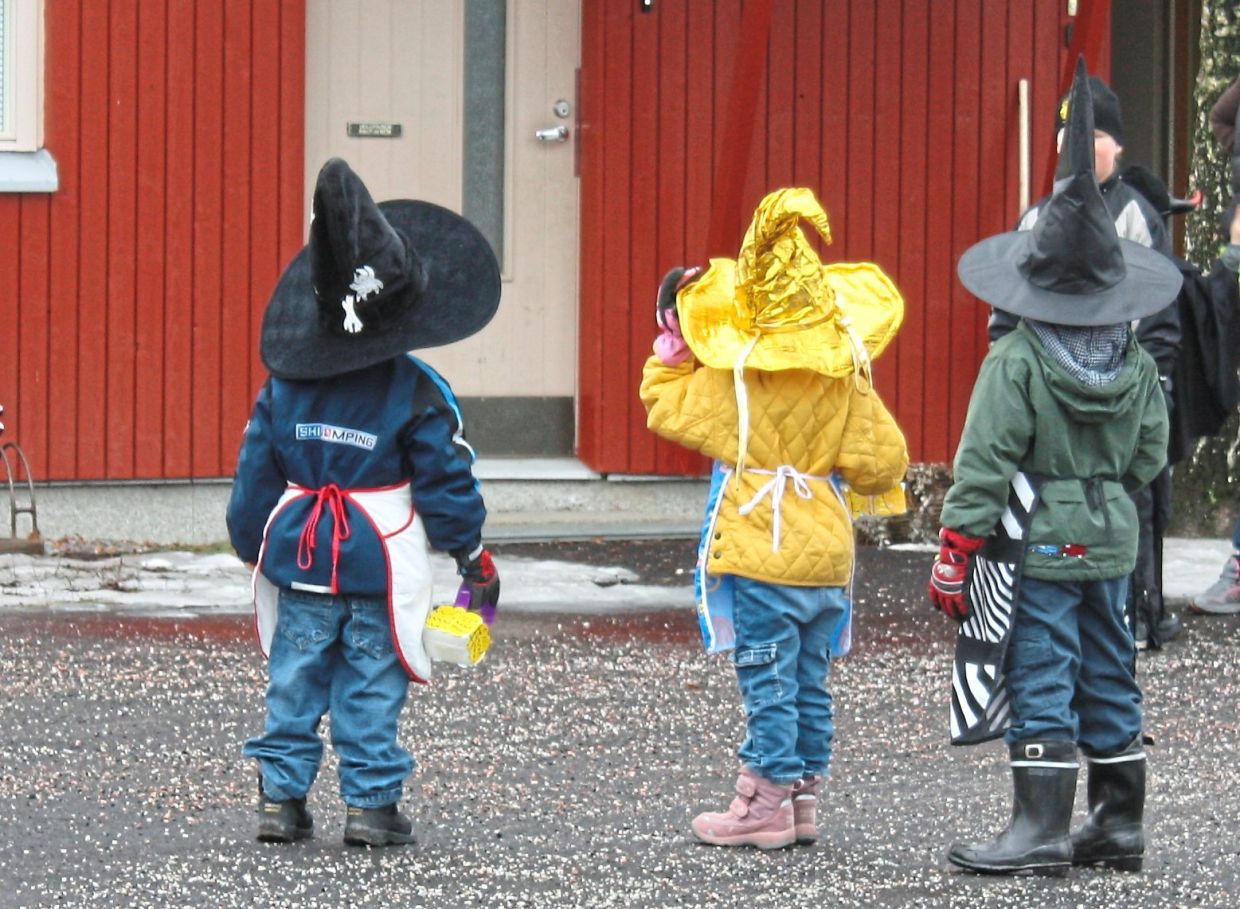
It’s Easter meets Halloween in the Nordics! In Sweden, children dress up as paskkarring or “Easter witch” and do their version of trick-or-treating.
You might visualise black robes and pointed hats – modern iterations may feature these – but traditionally the children would be dressed in colourful old clothes, with scarves covering their heads.
The custom, which started in the 19th century, involves paskkarring going door to door wishing everyone “Glad pask” (“Happy Easter”) on Maundy Thursday or Holy Saturday/Easter Virgil.
If you exceed the age limit of playing paskarring, you can still participate by handing out sweets to the younger ones. In return, you will receive a drawing or a letter.
In Finland, you’ll receive twigs beautifully decorated with colourful crepe paper and feathers from little witches known as paasiaisnoita or trulli. They can be found roaming around in western Finland on Easter Virgil.
In other regions, you can spot them on Palm Sunday, which is the beginning of Holy Week.
Bermuda: The ‘humming’ kites
In most of North America, Hummer refers to a brand of rugged vehicles. In Bermuda, it refers to the traditional kites that Bermudians fly every Good Friday.
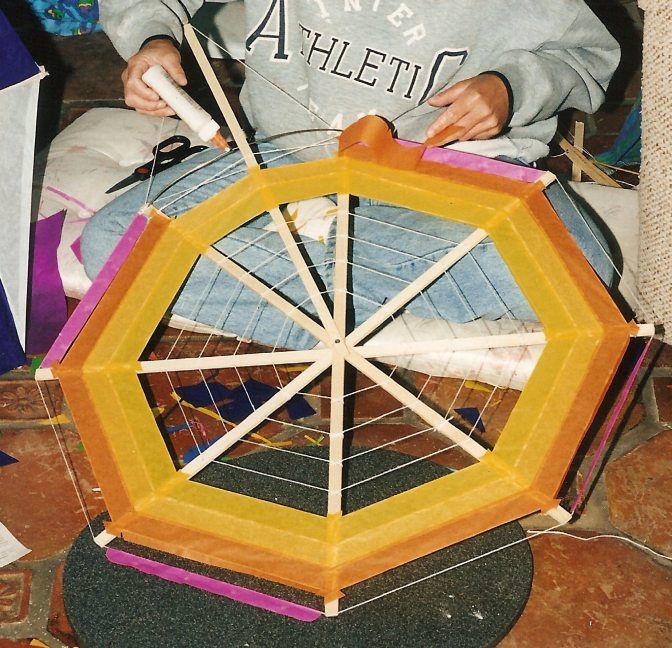
The making and flying of these kites have become a cherished Easter tradition. It is explained on the Go to Bermuda website that families come together to craft the usually hexagonal kites using locally-sourced materials like bamboo, twine and colourful fabric.
A “hummer”, made of string and paper, is added to the kite to give it a distinctive hum or whine – the louder the better.
You can try your hand at making the unique kite yourself by joining a workshop, or you can buy ready-made handcrafted ones at the stores during Holy Week.
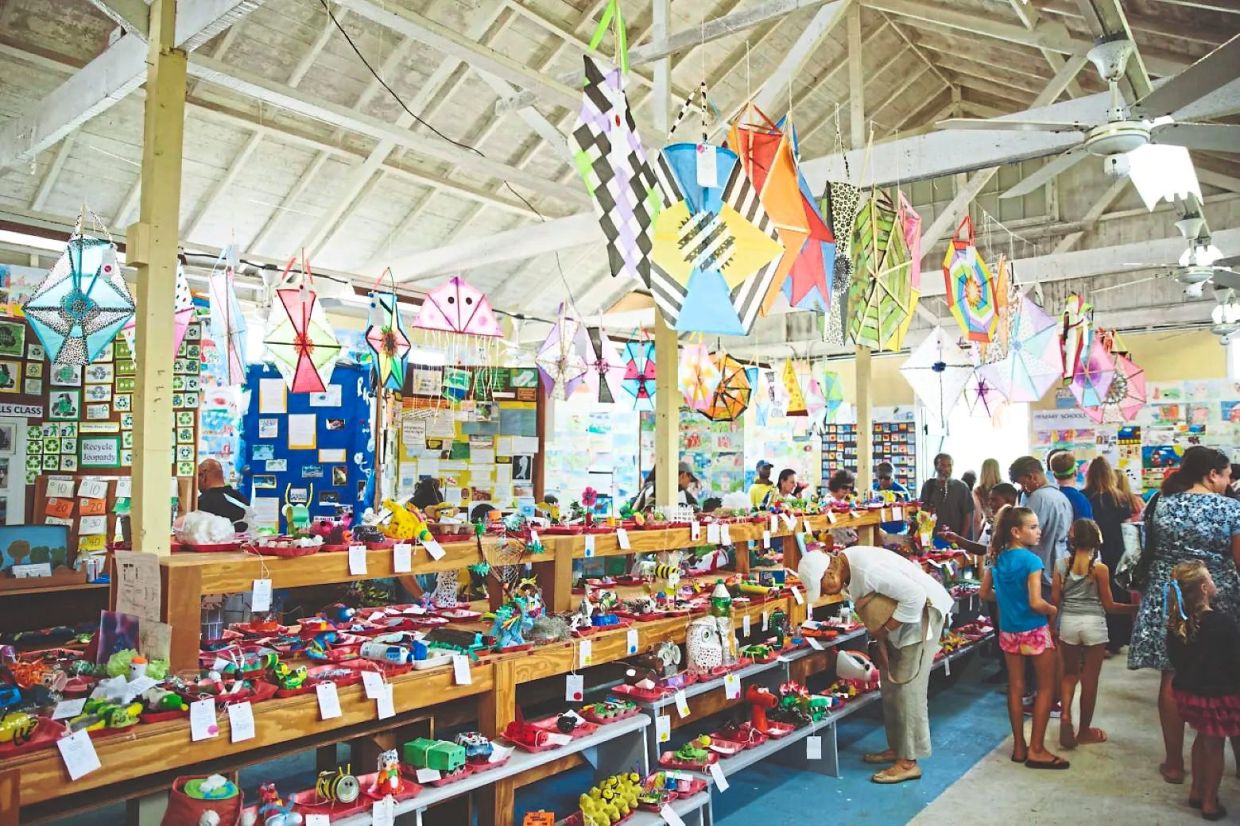
Outside of Easter, these traditional kites can also be seen flying high at the Bermuda Annual Agricultural Exhibition. Colloquially known as “the Ag show”, it is held every April at the Botanical Gardens in Paget.
Greece: Pots, eggs and oranges
In Malaysia, you might be familiar with the serving of red eggs at birthdays or weddings. Greece has a similar custom during Easter.
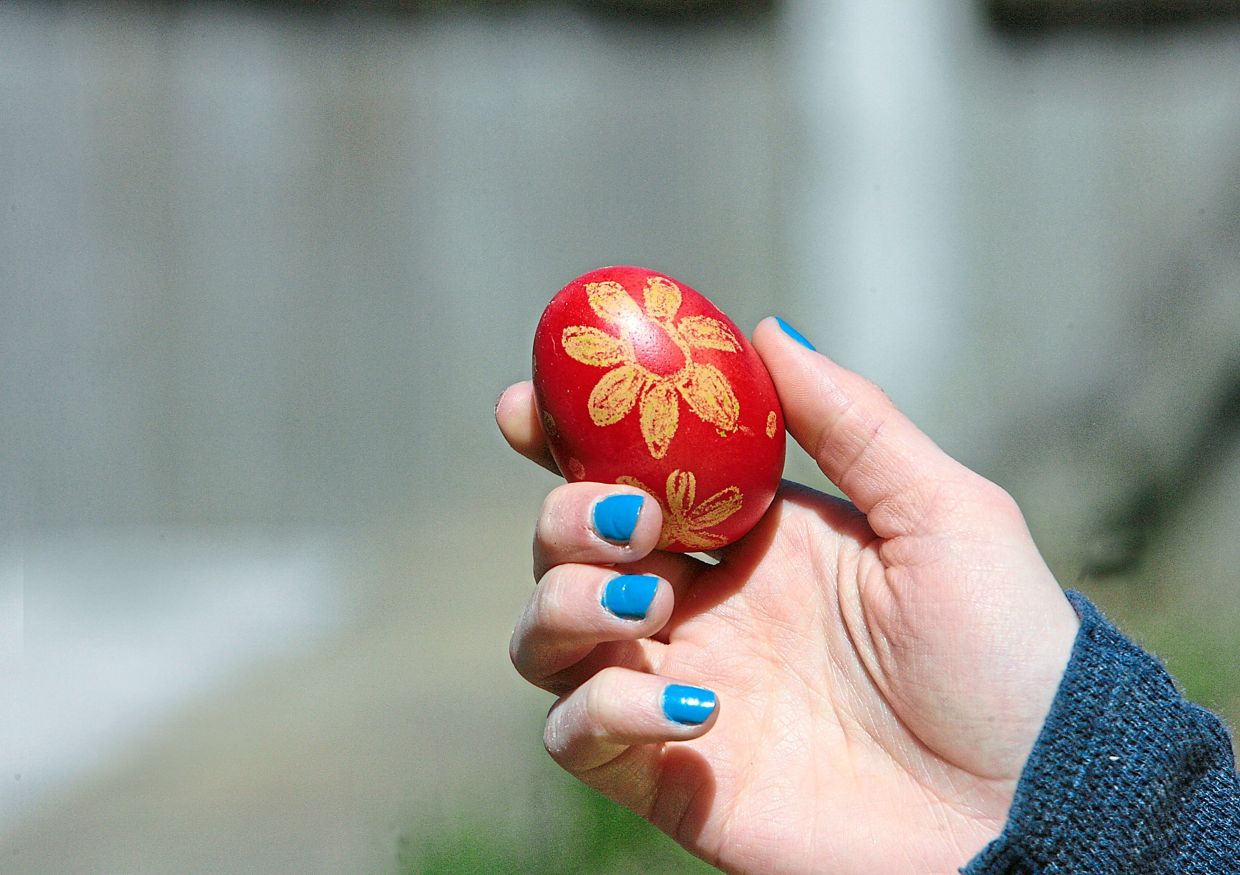
Yes, only one colour reigns when it comes to Easter eggs in Greece – no shells are coloured pastel here.
But these boiled red eggs are not simply eaten. First, they will be used to play a little game called tsougrisma. Basically, you have to crack your opponent’s egg without cracking yours. The person holding the final uncracked egg will be declared the winner. Only then will the eggs be consumed.
A tradition less ubiquitous in Greece – yet draws more attention due to it being a must-watch spectacle – can be found in Corfu.
Discover Corfu describes crowds gathering at the island’s capital, Corfu Town, for a one- of-a-kind rite each Holy Saturday.
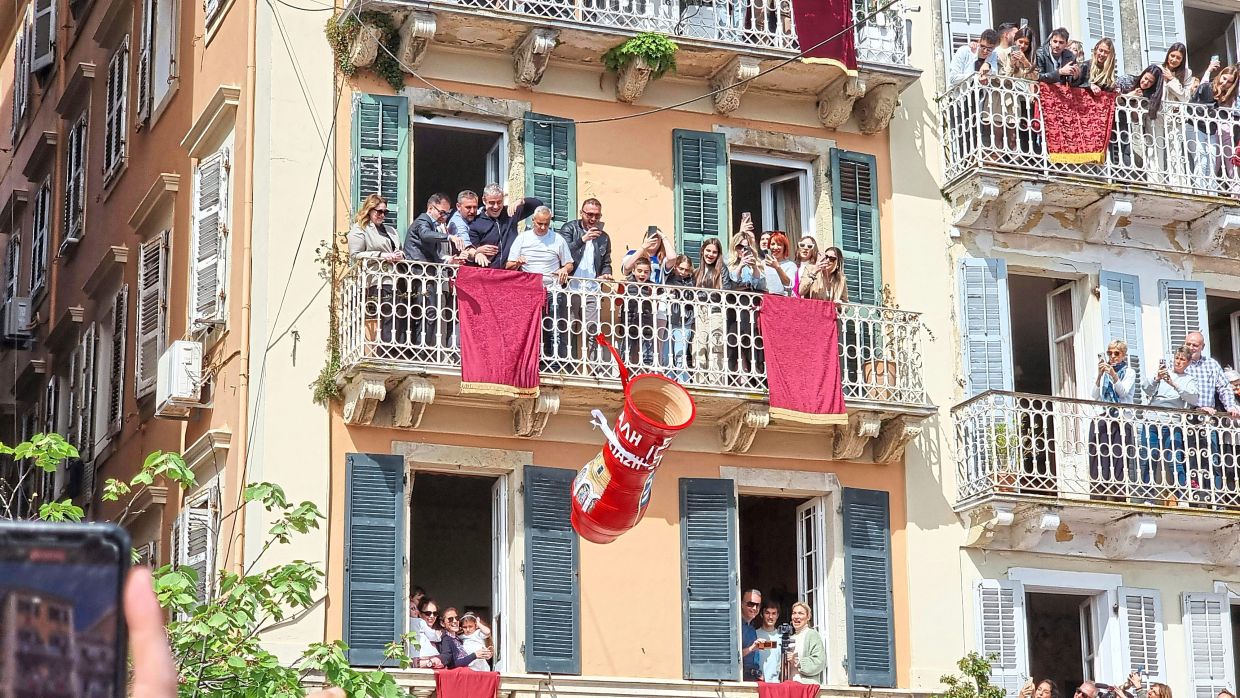
The moment the clock strikes 11am, botides (large clay pots) are ceremoniously hurled to the ground. For around 10 minutes, all you’ll see and hear are pots being smashed to pieces as they are thrown from balconies a few stories high.
Both the egg and pot traditions are well known as they have been around for centuries. If you seek one that is lesser known, head to the town of Leonidio in Peloponnese. Here, an Easter custom that is barely two decades old make use of the abundant oranges found in the region.
The oranges are hollowed out to turn them into fragrant little lanterns. They are then placed along the town’s streets on Good Friday to light the way for the Epitaphios procession.
Australia: Bunny out, bilby in
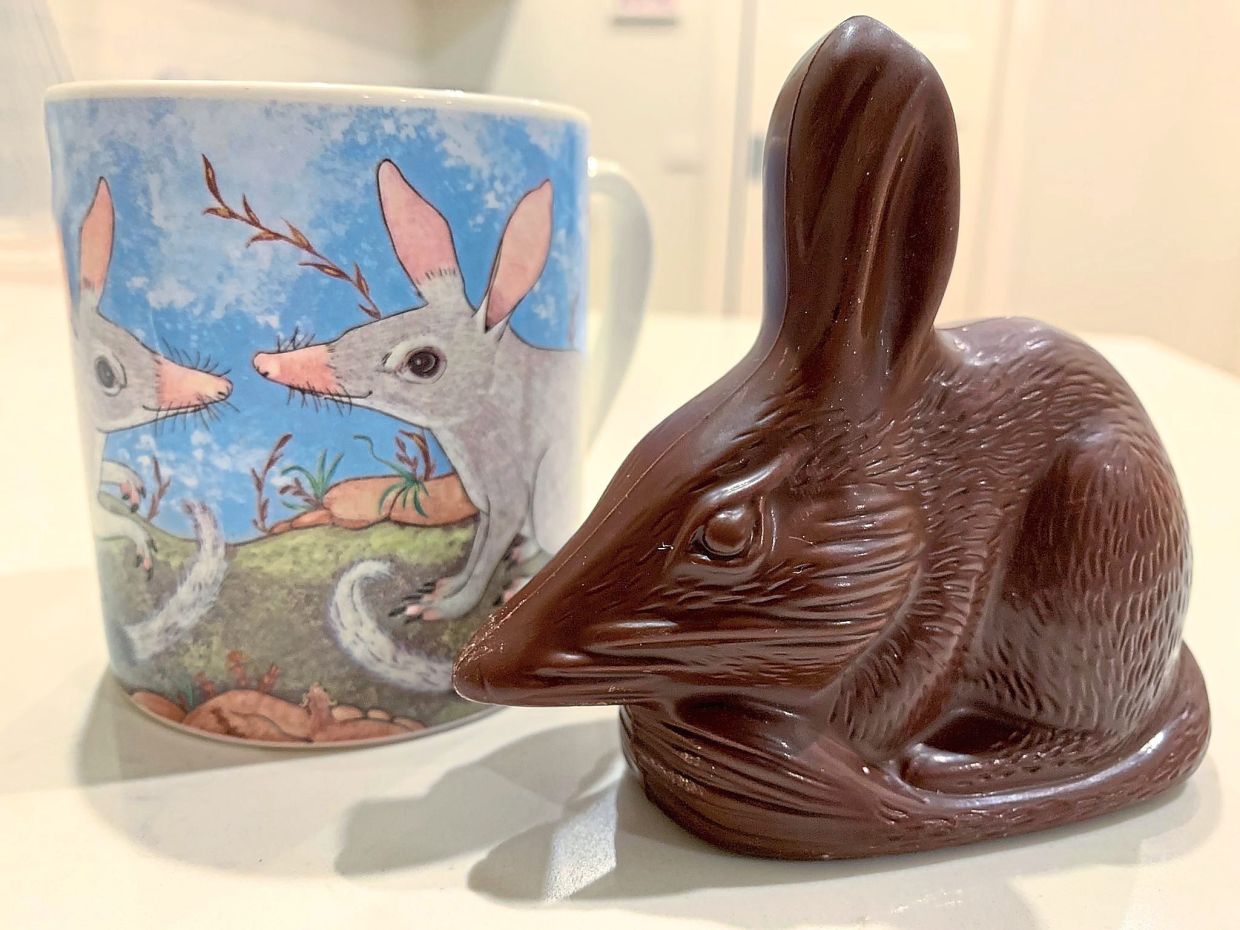
Easter Bilby is Australia’s alternative to the Easter Bunny. No less adorable but far more vulnerable, The Greater Bilby is an endangered ground-dwelling marsupial native to Australia.
Also known as rabbit-eared bandicoots, bilbies have been replacing bunnies in Easter celebrations since 1991.
The change came following a campaign by Foundation for Rabbit-Free Australia (RFA). To this day, it highlights issues caused by the invasive European rabbits while simultaneously raising awareness on bilby conservation.
So, in Australia, you’re more likely to find chocolate bilbies than chocolate bunnies. Even better, when you purchase from Australia’s own Haigh’s Chocolates, which collaborated with RFA to introduce chocolate bilbies since 1993, you’ll be contributing to RFA’s conservation efforts.
The European rabbits are also an invasive species in neighbouring New Zealand, who used to have a more drastic approach in culling the rabbits’ population.
From early 1990s until 2021, the Great Easter Bunny Hunt was held annually to prevent rabbits from overrunning Central Ontago. The event has since been cancelled due to fire risk and other factors.
Spain: Dance with skeletons
Venture to Verges in Catalonia, Spain and you will encounter what seems like another Halloween-esque way of celebrating Easter.
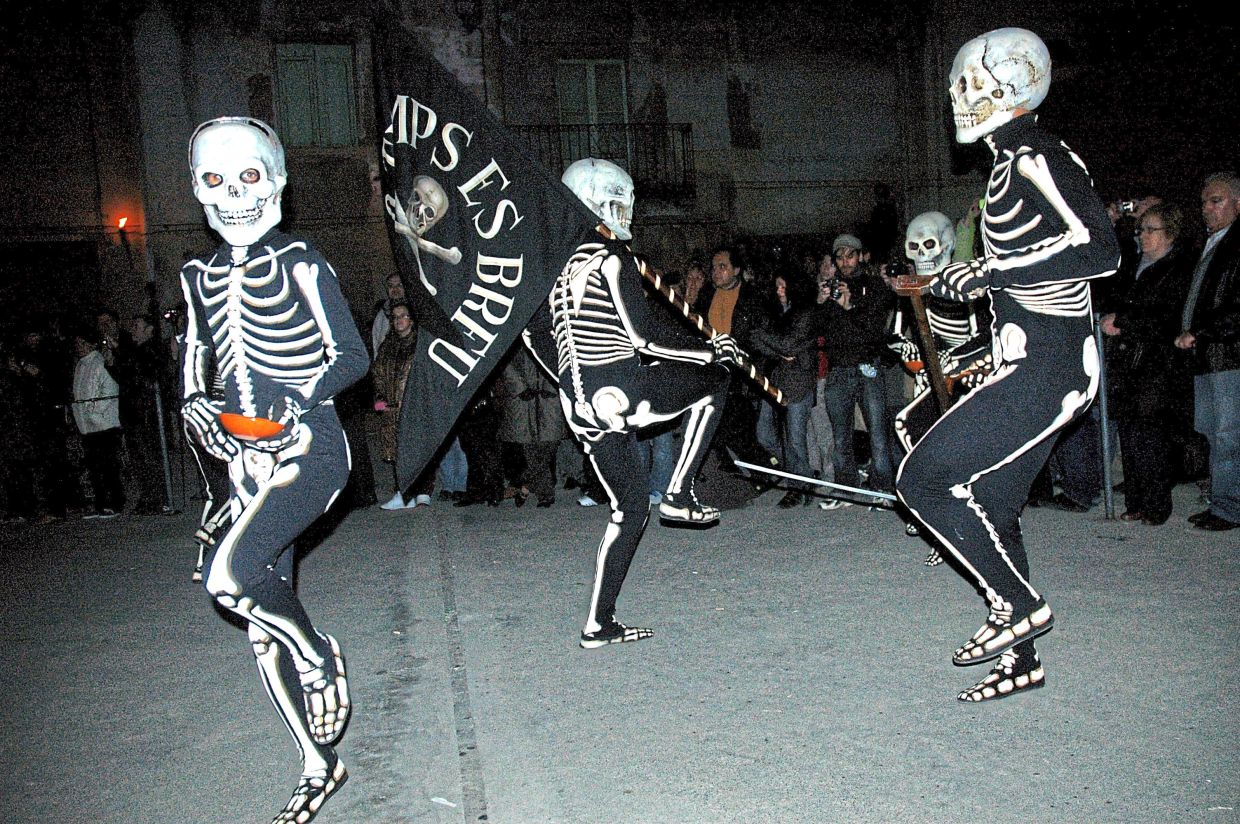
You will see five “skeletons” dancing their way down the streets, as part of the Procession of Verges that’s held on Maundy Thursday. Their performance, called Dansa De La Mort (“dance of the dead”), is what sets the procession apart from others like it around Spain.
According to Patrimoni Cultural, a Catalan cultural heritage online portal, both procession and dance are centuries-old practices.
In 1983, the Procession of Verges was declared a Traditional Festival of National Interest, since Verges is the only Catalonian town that continues staging it in modern times.
Speaking of processions, Spain has no shortage of these during Semana Santa or the Holy Week. The ones held in cities like Seville, Malaga and Granada are especially well known for a feature that might seem dubious at first glance – the pointed masks (capirote) worn by the marchers or penitents.
If you’re familiar with a certain supremacist movement that started in the 19th century in the US, whose members wear similar conical masks, the capirote might evoke uneasiness.
But the capirote has existed since the 16th century and carries a more spiritual meaning. During Semana Santa, marchers wear the masks to express penitence. On Easter Sunday, the masks are removed, symbolising atonement.
Italy: Fun with fireworks
Let’s end this list with a bang.
The city of Florence in Italy is renowned for its Renaissance art and architecture. But come Easter, what sparks interest in tourists and locals alike is its spectacular display of fireworks.
You may think there is nothing noteworthy about seeing fireworks during festive celebrations – that’s how Malaysians celebrate practically every festivity too.
But there are two things to note here. One: The fireworks are set ablaze in the morning, instead of night. Two: The fireworks are all piled onto one cart, which is about 10m tall.
Called Scoppio del Carro (“Explosion of the Cart”), the centuries-old practice involves a three-tiered cart – known as Brindellone – stacked high with firecrackers and fireworks. The explosion it creates symbolises prosperity for the city.
If you prefer watching fireworks light up the night sky, visit the town of Rufina, located near Florence. Rufina’s version of the ceremony is held at midnight on Holy Saturday.
Different ways of celebrating Easter
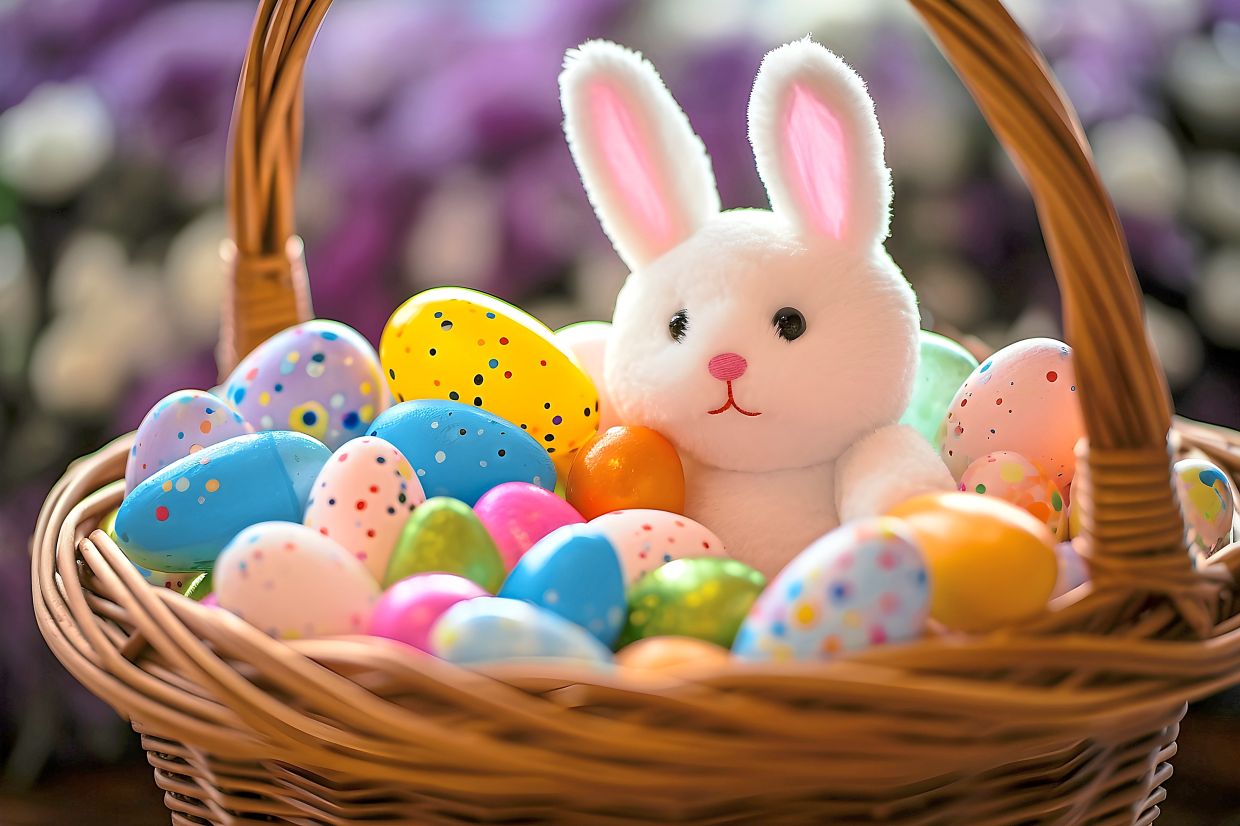

Not all countries celebrate Easter with colourful eggs and the Easter Bunny. — Unsplash
Young boys and girls alike dress up as ‘witches’ during Easter in Finland and Sweden. — ANNELIS/Wikimedia Commons
Traditional Bermuda kites are typically handmade and hexagonal in shape. — AODHDUBH/Wikimedia Commons
Australia has Easter Bilby instead of Easter Bunny. — NICOLE KEARNEY/Wikimedia Commons
Residents of Corfu, Greece celebrate Easter by smashing clay pots. — Unsplash
Easter eggs in Greece are traditionally painted red. — Unsplash
Dansa de la mort is a centuries-old Catalan Easter tradition in Spain. — Dantzan/Wikimedia Commons
The Bermuda ‘humming’ kites are sold in stores before Good Friday. — Bermuda Tourism
Norwegians celebrate Easter by enjoying crime stories. — FREDRIK AHLSEN/Visit Norway