Did you know that 2016 was the year that Lonely Planet introduced its Best of Asia list?
That same year, Perak revamped its now-famous Concubine Lanes in Ipoh. A move worth the effort, as Ipoh ultimately was ranked sixth by Lonely Planet out of the 10 best destinations to visit in Asia in 2016.
So, a decade ago, Ipoh was still in its nascent stage of tourism resurgence (and it has yet to install its iconic colourful “floating” umbrellas).
Ever wondered how other tourist attractions in our country used to look like back then?
Unsurprisingly, a lot can change in 10 years (or less, since 2026 is technically less than a month old at this point).
Melaka’s Jonker Street – an area famed for its heritage buildings, similar to Ipoh – has noticeably fewer trendy cafes in 2016. The Mamee Jonker House, by Melaka’s homegrown food brand Mamee, was only a year old by then.
Meanwhile in Kuala Lumpur, Kwai Chai Hong did not exist as an Instagram-worthy spot yet (the alley’s rejuvenation would come later in 2019). Walking around there at the time, you would’ve only seen mural-less walls.
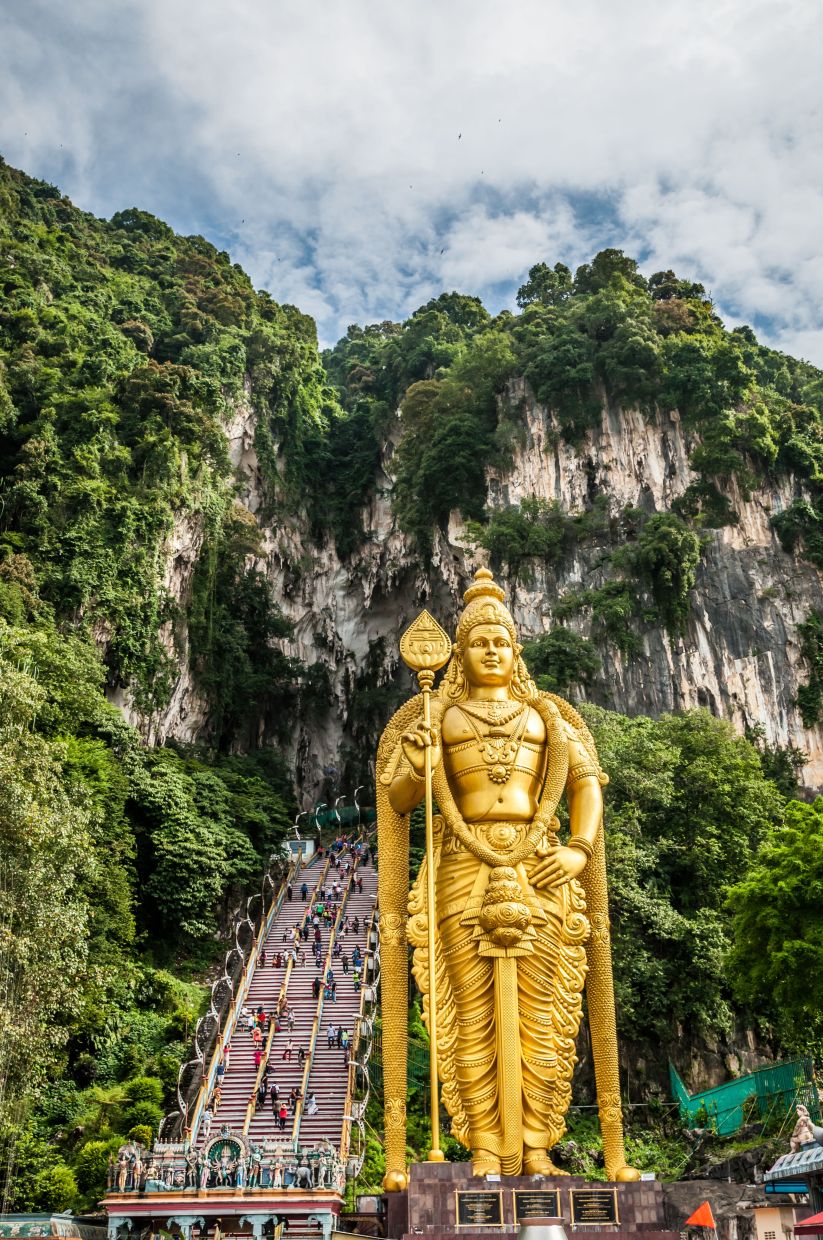
Since it’s almost Thaipusam, let us recall how Batu Caves in Selangor was like a decade younger. There is something significant here whose presence – or lack thereof, to be exact – you would definitely notice: The rainbow staircase.
The 272 steps were only painted in rainbow colours two years later.
If you have photos of the abovementioned places, or even other tourist attractions in Malaysia, you can share with us via email at star2travel@thestar.com.my.
By the way, curious to see how Petaling Street was like many moons ago? Watch the video below to find out.