In southern Albania, swimming distance from the Greek island of Corfu, the city of Butrint has stood for thousands of years. Its crumbled remains are a history buff’s dream: an open-air theatre from when the city was a Greek colony, a Byzantine baptistery and a Roman aqueduct.
Foxes, peregrine falcons and golden eagles roam the 93sq km national park that encompasses Butrint’s archaeological treasures.
A 10-minute bus ride away from Butrint, in the low-slung, modern beach resort of Ksamil, tourists lounge on sun beds, dance to pounding techno beats and manoeuvre personal watercraft around a picturesque bay made popular by social media influencers, who compare its lush setting to the Maldives.
Albania is the kind of destination where a traveller can start the day with a walk through antiquity and end it with a twirl on the sand. That might be one big reason so many people are going there. Last year, 11.7 million people visited the country – up from 10 million the previous year – and they not only headed to the beaches and historic sites, but also explored the mountains and lakes in the north, and the unspoiled Vjosa Wild River National Park.
“Albania is still an exotic place for a lot of people,” said Frenkli Prengaj, who operates tours for Discover Albania and spent two days driving me around. “When a tourist comes to Albania, they don’t have a lot of expectations. They discover the history and realise we have a lot in common with Europe, a lot of history with the Ottomans. We’re somehow stuck between East and West.”
The country, sandwiched between Greece and Montenegro along the Adriatic and Ionian seas, declared independence from Ottoman rule in 1912, and starting in the 1940s, spent decades under a Stalinist dictatorship, isolated from the rest of the world, until 1992.
In the late 1990s, Albania suffered an economic crisis followed by a period of turbulence that nearly exploded into civil war, but in recent years, the political situation has improved, and tourism, fuelled in part by low prices, has boomed.
The new Albania
The buzzy resort of Ksamil provides a striking example of the new Albania. During the decades of dictatorship, small numbers of volunteers were sent to Ksamil to establish agrarian communities, explained Dorina Dhima, a freelance guide.
The area remained restricted, however, Dhima said, “because people could escape and swim to Corfu”.
“There were maybe four apartment buildings,” Dhima said.
That era is long gone, though you can still find moments of quiet among Ksamil’s souvenir stands, hawkers and hordes of beachgoers. I enjoyed a peaceful lunch of tender octopus with a view of the crystal-clear water and foliage-covered islands at a beach bar called Freskia e Jonit.
But visitors who prefer a less frenetic beach holiday might choose to focus on seaside destinations Jala, Borsh or Dhermi, an hour to two hours north. When I travelled in 2023 to Dhermi for the Kala music and wellness festival, I was delighted by the natural beauty of the landscape and the local hospitality.
About 20 minutes from Ksamil or a 30-minute ferry ride from Corfu (one-way tickets from US$14/RM57 to US$33/RM133), the seaside city of Saranda offers a similar laid-back vibe: public beaches, a vibrant boardwalk that’s flooded in the evenings with well-dressed locals on promenade, and plenty of eating and drinking options with excellent seafood, like Haxhi and Marini.
I stayed at the chic LaFe Boutique Hotel in the city centre and spent a happy evening watching multi-generational families and groups of friends from my perch next to the Saltwater Swim Lanes, where the athletically inclined do laps in the Ionian Sea.
Red roofs, juicy tomatoes
Albania has long represented a bridge between East and West, the Balkans and the Mediterranean world. Because of centuries of Ottoman rule – and despite decades of official atheism – nearly half the population identifies as Muslim. The country’s historic sites reflect that historic heterogeneity.
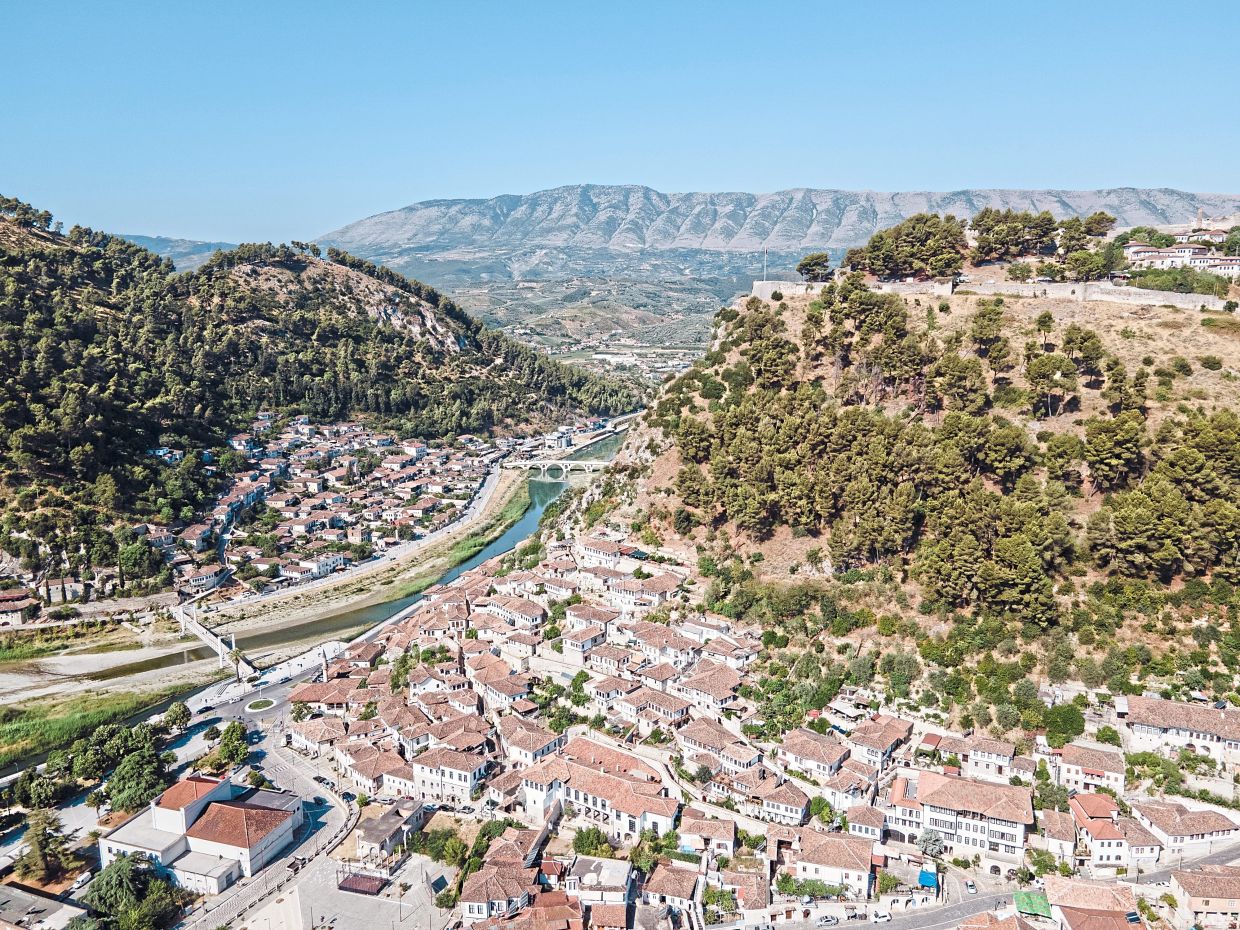
Berat, a Unesco World Heritage Site about two hours south of Tirana, Albania’s capital, lines the banks of the river Osum, the red-tiled roofs of the town’s houses rising along the valley’s soft slopes, with hundreds of windows facing outward like watchful eyes.
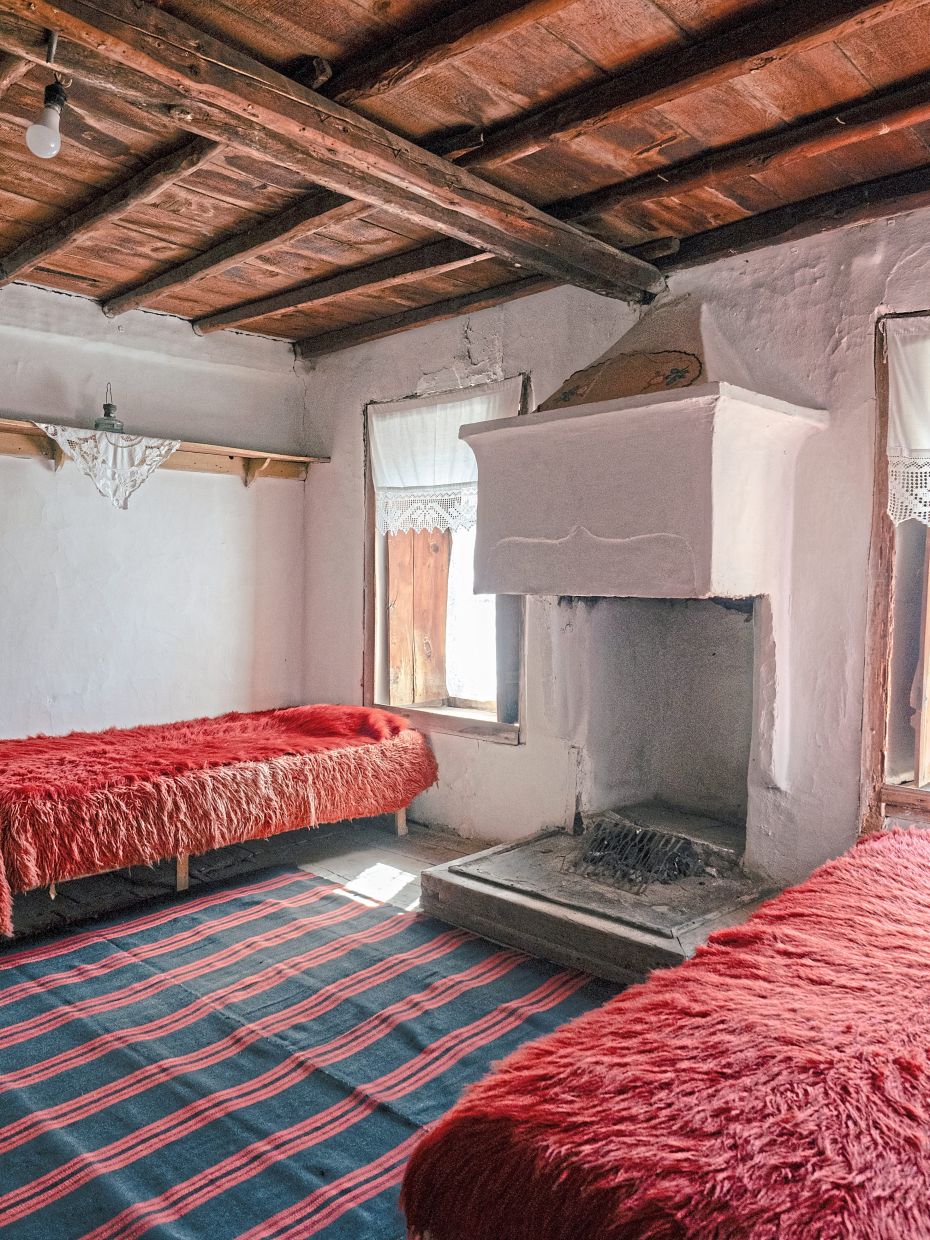
Berat Castle (free entry), an open-air complex of buildings above the city, includes a Byzantine church, the ruins of one of the first mosques in Albania and a neighbourhood of still-occupied 18th- and 19th-century homes, some of which are guesthouses.
It also features the Onufri Iconographic Museum, which showcases religious objects dating as far back as the 1300s, including an ornate carved-wood iconostasis (decorated screen) that combines Baroque and Byzantine elements.
When I visited Berat in late June, the city was silent until sunset, when the streets suddenly filled with children riding bicycles, men playing dominoes and hawkers selling plastic cups stuffed with plump grapes and cherries.
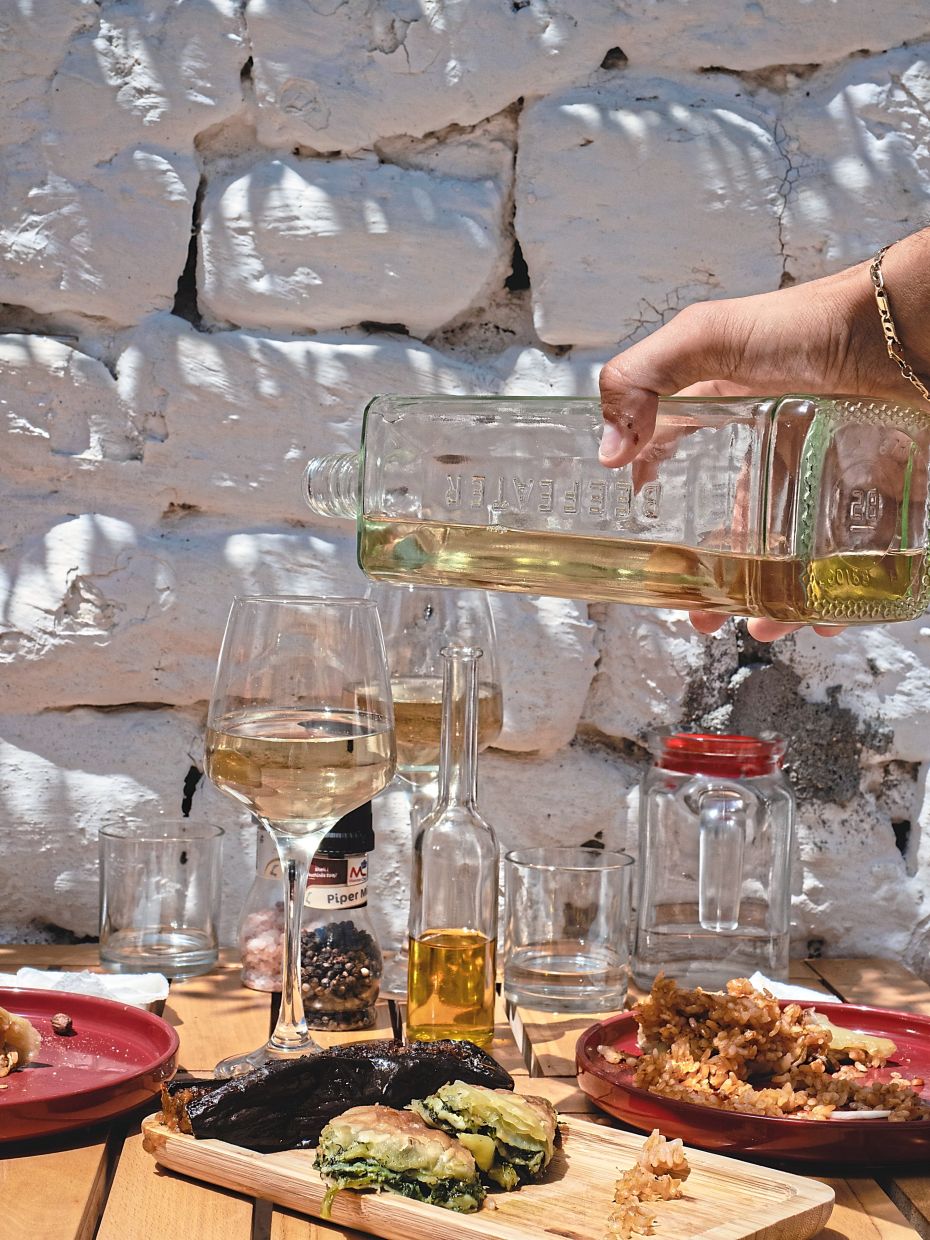
The abundance of fresh ingredients made eating in Albania a delight. At Amalia Homemade Food in Berat, I took approximately a dozen identical photos of my tablescape – it was just that charming. My salad with tomatoes was so juicy and vivid, I felt as if I had unearthed some long-lost knowledge of what a tomato should taste like.
The rest of the set menu included baked cheese and vegetables in clay pots; whole peppers stuffed with rice and herbs; eggplant topped with garlic, pepper and tomatoes; burek, or phyllo dough layered with spinach and cheese; and Vienna steak, a cut of meat stuffed with cheese.
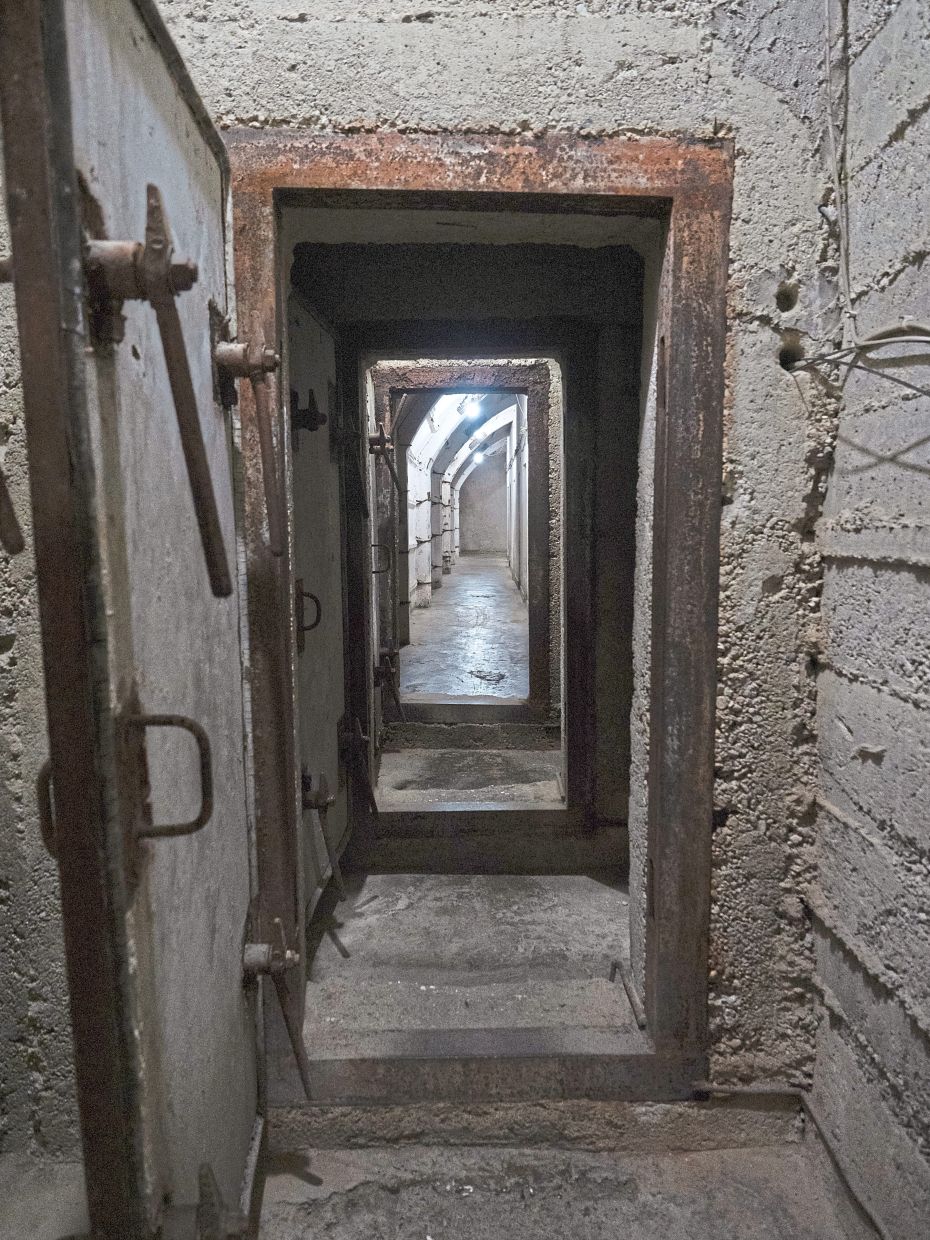
Cold War bunker
Booker Prize-winning Albanian author Ismail Kadare described the city of Gjirokastra, about two-and-a-half hours south of Berat, as a “prehistoric creature that was now clawing its way up the mountainside”.
Gjirokastra looked to me more like something from a storybook, its stone houses decorated with elaborate wood carvings and clustered around crooked cobblestone streets. But it’s a picture book with a dark side.
In the centre of the city sits the Cold War Tunnel, one of the thousands of bunkers that dictator Enver Hoxha built around the country during his reign, from 1944 to 1985, out of fear of a foreign attack.
To join a tour, head to the Experience Gjirokastra tourism agency on Cerciz Topulli Square.
If you make your way up past the historic centre of Gjirokastra, you can visit a centuries-old castle, parts of which were used as a prison, most recently during Hoxha’s regime. The prison cells and torture chambers have been left mostly untouched and are a haunting museum.
The additional entry fee includes access to the Arms Museum as well as the Museum of Gjirokastra, which offers a compact but thorough history of the region.
As I walked down the slope from the castle toward the Rose Garden Hotel, where I was staying, I could see the sun beginning its slow descent behind the mountains, leaving streaks of dusty orange and pink above the stone city.
A melodic call to prayer filled the valley, reminding me once again of Albania’s rich cultural tapestry. The busy beach resorts, just on the other side of the mountains, seemed centuries away. – VALERIYA SAFRONOVA/©2026 The New York Times Company
This article originally appeared in The New York Times.