Recently, I went on a walking pilgrimage on the Via Francigena in Europe. It traces its roots to old Roman consular roads, and is considered one of the oldest cultural, trade and pilgrimage routes in Europe.
Via Francigena spans over 2,000km and runs across five countries: England, France, Switzerland, Italy and Vatican City. It starts in Canterbury in England and ends at St Peter’s Basilica in Vatican City.
It would normally take more than 100 days to walk the whole length, but pilgrims and tourists can choose to walk just a portion of the route. I started my journey from the beautiful city of Lausanne in Switzerland.
I have walked the popular pilgrimage route of Camino de Santiago in Spain twice, so I thought that Via Francigena would be easy an easy trail.
It proved to be much more challenging.
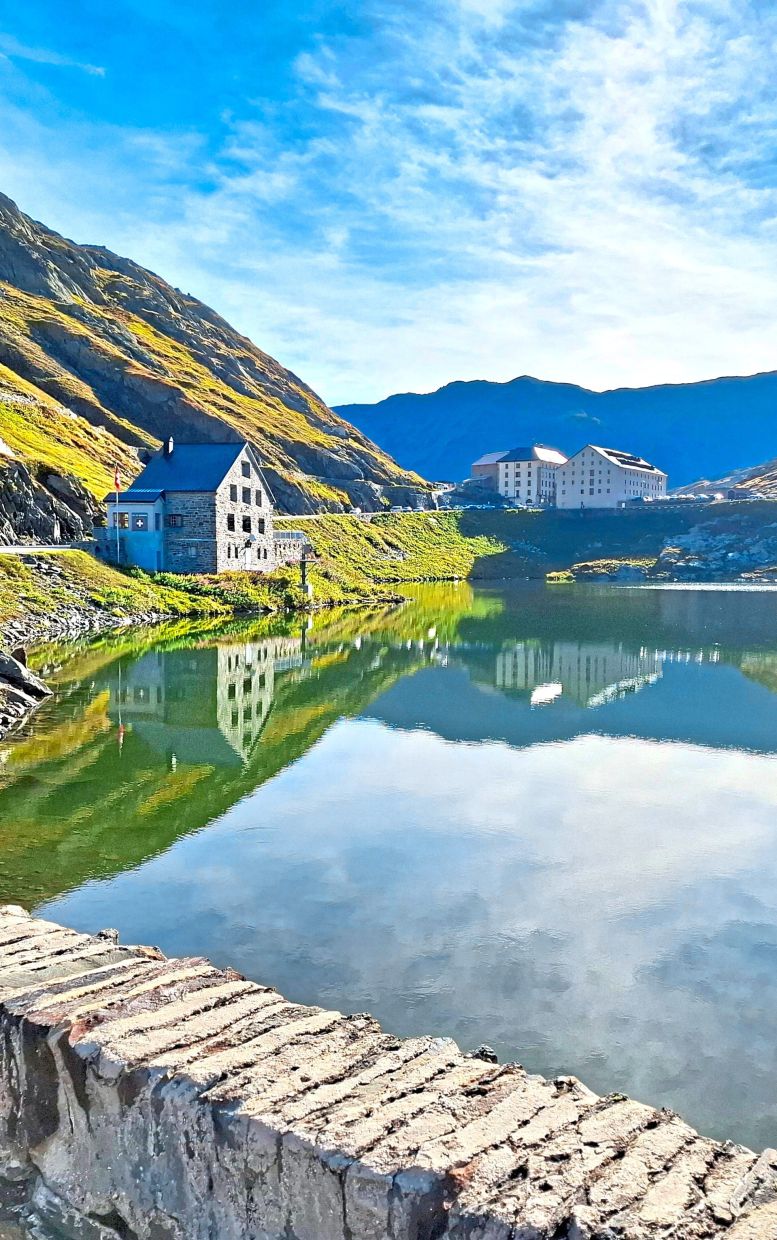
Firstly, the natural border of Switzerland and Italy is the 2,469m high Great Saint Bernard Pass. For more than 230 days each year the pass is covered in snow, so between June and October you would have to cross the border on foot.
It took me 10 hours to ascend –from a height of 1,600m – to the top, where one of the oldest mountain hospices in the world stood. This place has welcomed travellers since its inception in the 11th century.
We crossed into Italy and it took us a week to trek through Aosta Valley. We then arrived at Po Valley, said to be the rice capital of Europe. This place is beautiful but swamped with mosquitoes.
Many Europeans find this section monotonous and boring, but it reminds me of my home state of Kelantan.
We also walked past the Geneva Lake, the Tuscany region and so many more places.
Mountain passes and hilly landscapes weren’t the only challenges we had to endure as some parts of the trail took us to very busy roads where large trucks and buses whizzed past us at full speed.
There were also times when we heard gunshots in the forests – autumn is typically hunting season in Europe – so we had to be wary of suddenly coming across animals like wild boar.
It’s really not a path for the faint-hearted.
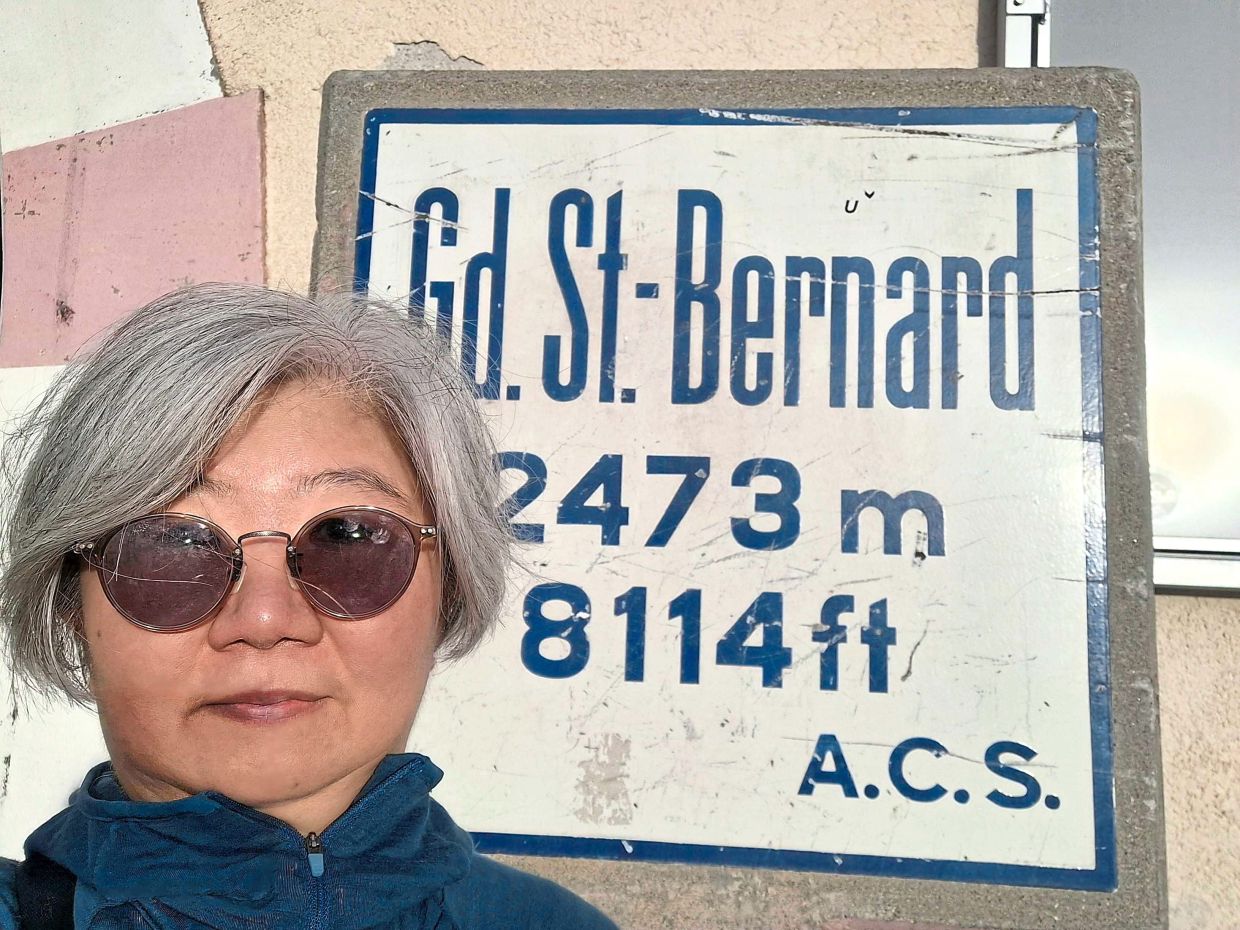
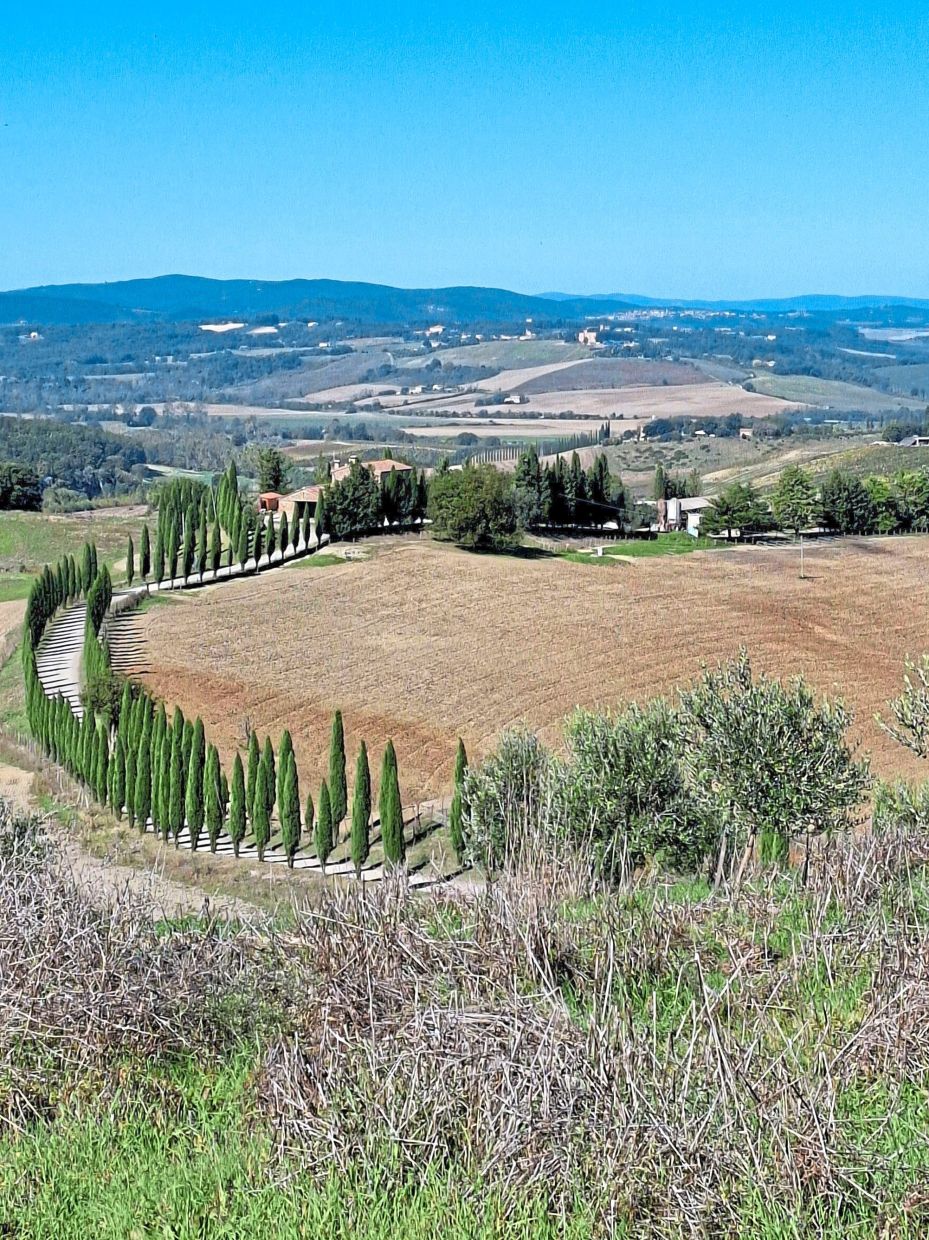
Fortunately, the rewards outweighed all the challenges. We saw the majestic Alpine range, numerous Saint Bernard dogs and countless Unesco World Heritage Sites all along the way. These include Lavaux Vineyard terrace, breathtaking landscape of Val d’Orcia, medieval towers of San Gimignano, Lucca (the birthplace of Puccini), and Siena with its medieval art heritage.
There were not many Asians on the pilgrimage so naturally, I became an “attraction” to many elderly Italians. “Where are you from? Malaysia? Molto lontano (very far).”
“Are you walking the Francigena all the way to Rome? Brava, brava!”
One Swiss couple told me that they recognised the Malaysian flag I had on my bag. “We recognised your little flag because we’ve been to Malaysia many times. You must be a ‘rare national’ on Via Francigena!”
When we arrived at Vatican City it was a little anti-climactic for me as the crowd was huge and things got chaotic (2025 is the Jubilee year, after all). The basilica was jam-packed with tour groups.
Still, I received my certificate to commemorate the 1,120km pilgrimage. I smiled standing in front of Michelangelo’s Pieta, proud and happy. All those people that I’d met and bonded with, the laughter we shared, and the emotional farewell were all unforgettable experiences.
The views expressed are entirely the writer’s own.