Marine tourism: How Malaysian tourists can keep oceans and coastlines clean


Clear blue waters, white sandy beaches and beautiful coral reefs. These are some of the things that many people associate with a vacation. That’s because seaside locations and islands have typically been depicted as the perfect holiday destinations.

One just needs to look at travel data to grasp the popularity of ocean-based holidays.

Marine and coastal tourism is one of the fastest growing sectors within the world’s travel industry. It is estimated that 350 million people travel to the world’s coral reef coasts each year.

Tourism and hospitality corporations, understandably, have responded to this staggering demand among travellers.

Experts have pointed out that the world’s coasts have the greatest concentration of investment and facilities. Think the construction of new swanky beachside resorts, hotels and villas.

Fortunately, stakeholders are also wary of rising climate change issues like overtourism and coral bleaching, and are actively putting in efforts to make sustainability part of the industry’s DNA. They have also begun to question how tourism can better protect the world’s oceans.

Tourism has played a part in the gradual detriment of oceans over the years, said NGOs. — CANDACE MCDANIEL

Earlier this year, tourism leaders at a United Nations World Tourism Organisation called for urgent action to protect the oceans.

“Tourism is one of the pillars of the Blue Economy and plays a key role in the preservation of oceans by providing financial incentives and mechanisms to protect ecosystems. But we can, and must, do more,” said UNWTO executive director Zoritsa Urosevic.

“As part of the recovery, tourism shall play a key role in the regeneration of coastal and marine ecosystems for resilience, putting people at the centre of our efforts,” Urosevic continued.

The Blue Economy refers to the sustainable use of ocean resources for economic growth, improved livelihoods and jobs, while preserving the health of the ocean ecosystem.

Tourism, at present, represents 40% of the so-called blue economy, according to the United Nations Conference on Trade and Development (UNCTAD).

Better preservation

Oceans in crisis is a headline that is a cause for alarm and the travel sector needs to respond accordingly, said Travel Matters founder Karen Simmonds.

“Oceans absorb over 90% of heat and almost a third of all carbon dioxide that humans have ever produced. Our coastal ecosystems play a vital role in the climate and nature recovery.

“The more carbon dioxide the ocean absorbs, the more acidic it becomes and add that to over-fishing, pollution, coastal development and rising temperatures; the oceans are in crisis and we have a problem,” she wrote in an opinion piece.

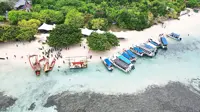
Seaside locations and islands have typically been depicted as the perfect holiday destinations. Photo: Pexels

According to Simmonds, the charity sector has been spearheading many ocean conservation initiatives. It’s time for the travel and tourism sector to take on the mantle.

“It’s not just the charity sector who needs to sound the alarm and think of solutions to see ocean recovery. The travel and tourism sector can play a vital role and, I believe, has a duty to contribute to environmental preservation. We need to be considering how we can integrate the sustainable development goals into our core business models,” she said.

The good news is that going through a pandemic has raised awareness on the topic of sustainable tourism – and along with it, better preservation of our oceans.

“Global tourism’s restart and recovery from the impacts of the pandemic represents an opportunity for the sector to support the transformation of coastal and marine destinations towards more sustainable and resilient models that are anchored on ocean protection and responsible use,” UNWTO said in a statement.

At the aforementioned summit, private corporations have pledged to prioritise ocean protection and made bold commitments to address plastics pollution through practical solutions.

The French cruise ship operator Ponant for one, will eliminate single use plastics in its operations.

“We are happy to announce our commitment to the Global Tourism Plastics Initiative with the goal of eliminating single use plastics in our operations by 2022,” Ponant chief executive officer Herve Gastinel said at the event.

Other travel corporations that have committed to ocean protection include Accor, ClubMed, Costa Cruises, Iberostar Group, TUI Group and the Blue Climate Initiative.

More considerate holidays

The bitter truth, though, is that tourism has played a part in the gradual detriment of oceans over the years, said non-profit organisation Impact Travel Alliance.

“As with any form of tourism, development can be harmful – when done improperly, marine tourism development can be particularly problematic, leading to the depletion of fragile marine ecosystems.

“For example, mangrove forests are often removed to create beaches, piers are constructed on top of coral reefs, and turtle nests can easily be disturbed by beachgoers,” it said.

The next time you lounge by the beach or dive into the cool blue ocean, just think about how you can be a more responsible traveller. - Tourism Malaysia

However, the NGO conceded that marine tourism has positive economic impacts, too. The coral reef tourism sector alone is estimated to have an annual value of US$36bil (RM158.08bil).

Some of the generated revenue, according Impact Travel Alliance, goes back to ocean conservation.

“Marine conservation is positively impacted by the tourism industry as well. Tourism contributes directly to the conservation of sensitive areas and habitats through park-entrance fees and other methods,” it said.

Of course, travellers, too, can play their part in protecting the ocean as no deed is too small.

So, the next time you lounge by the beach or dive into the cool blue ocean, just think about how you can be a more responsible traveller.

Here are some simple steps to take before your next beach, island or seaside vacation.

CHOOSE YOUR SUNSCREEN

While there is a lot of debate on whether sunscreens marked “reef-safe” are really what they claim to be, the bottom line is that there is no sunscreen available today that is completely safe for a coral reef. No matter what lotion – or makeup – you wear into the water will dissolve, thus introducing foreign chemical compounds into it.

However, some ingredients in sunscreens have been proven to cause more harm, and are best kept away from the sea.

Some ingredients in sunscreens have been proven to cause more harm, and are best kept away from the sea. - CHEZBEATE/Pixabay

These include oxybenzone, octinoxate, enzacamene (4-MBC) and zinc oxide, while other chemical compounds like octocrylene, octisalate and titanium dioxide are considered to have either minimal or no effect on corals.

What this means is that instead of just buying sunscreen products that come with “reef-safe/friendly” or “biodegradable” labels, consumers should make it a habit to carefully read ingredients lists to find out if there are traces of these compounds in them.

And if you know that you will be swimming close to coral reefs, then try to use other types of sun protection like a rash guard (sun-protective swimwear), in order to minimise your use of sunscreen. You should also apply the lotion or cream at least 20 minutes before going into the water, so that it stays on your skin more, instead of immediately getting washed off in the sea.

CLEAN UP THE BEACH

Make it a habit to pick up any rubbish you find at the beach. — CHESTER CHIN/The Star
There are some organised beach clean-up activities that you could sign up for. Alternatively, you can also do this on your own. Make it a habit to fill a bag with rubbish before you leave the beach. You can also get the little ones involved and make a fun family activity out of it. There’s even an app called Clean Swell that records each item of trash you collect. Through this initiative, you will do your part in helping scientists and environmentalists to tackle ocean trash at a global scale.

TAKE NOTHING

Do not take anything from the beach home, except for the memories you made there, and also trash. Remember that every natural item at the beach has a role to play in the ecosystem. Also, just because you see something lying on the shore, doesn’t mean that it’s not alive.

Apart from collecting items at the beach, avoid buying souvenirs made from ocean organisms too. These include items such as tortoiseshell accessories, shark teeth and coral jewellery.

NO SINGLE-USE PLASTICS

One main reason why plastic is detrimental to the ocean is the possible ingestion, suffocation and entanglement of hundreds of marine species with them. Thus, something that might seem harmless to us actually has a big impact to the environment. When it comes to the human usage of plastics, it’s really about convenience. However, it’s vital that we reduce our use of single-use plastics. Start off with something basic like packing reusable water bottles and reusable cutlery in your luggage.

GOOD EXPERIENCES

A quick search online will reveal many ocean conservation projects that tourists can participate in. From turtle conservation to planting mangroves, these experiences will be an added boost towards conservation efforts. However, please do some research into the project and organisation before you make your booking. This is to make sure that the initiative is operated sustainably and ethically for both the environment and local community.

Get 20% OFF The Star Digital Access

Monthly Plan

RM 13.90/month

RM 11.12/month

Billed as RM 11.12 for the 1st month, RM 13.90 thereafter.

Best Value

Annual Plan

RM 12.33/month

RM 9.87/month

Billed as RM 118.40 for the 1st year, RM 148 thereafter.

Follow us on our official WhatsApp channel for breaking news alerts and key updates!

Next In Travel

Airports, airlines warn new EU border checks disrupt summer travel
A rising interest in offbeat destinations across Asia
Hello from the other side: Why Penang's Bukit Mertajam is worth a visit
To better understand the American Revolution, go to Barbados
Explore the world with local airlines' holiday campaign, expanded reach
Activists launch new case against luxury lodges in Maasai Mara
Promoting eco-tourism products in Kedah and Penang
Tourists soldier on in Rome despite the blistering heat
Thailand gets serious about chasing high-spending tourists
Floating markets in South-East Asia to check out

Others Also Read