
Fashion’s next frontier may lie east, as designers seek fresh opportunities beyond the industry’s traditional centres of power.
There is a certain sense of irony to this shift.
For decades, an Asian designer’s success was often measured by their ability to break into the Western establishment, whether through a coveted appointment in Paris or New York, or recognition from the industry’s most influential houses.
Now, the equation is beginning to look rather different.
Western designers who have helmed some of fashion’s biggest names are increasingly turning their attention to Asian labels, bringing with them the experience and creative authority acquired at the highest levels of the Western luxury industry.
These are not emerging talents seeking a foothold on the global stage, but established names with major fashion houses on their CVs, choosing to explore something new in a region long treated primarily as a market to conquer.
Read more: Malaysia has the fashion talent, so what’s stopping it from going global?
Consider Kim Jones, the British designer whose career has taken him to the creative helm of Louis Vuitton menswear, Dior menswear and Fendi womenswear.
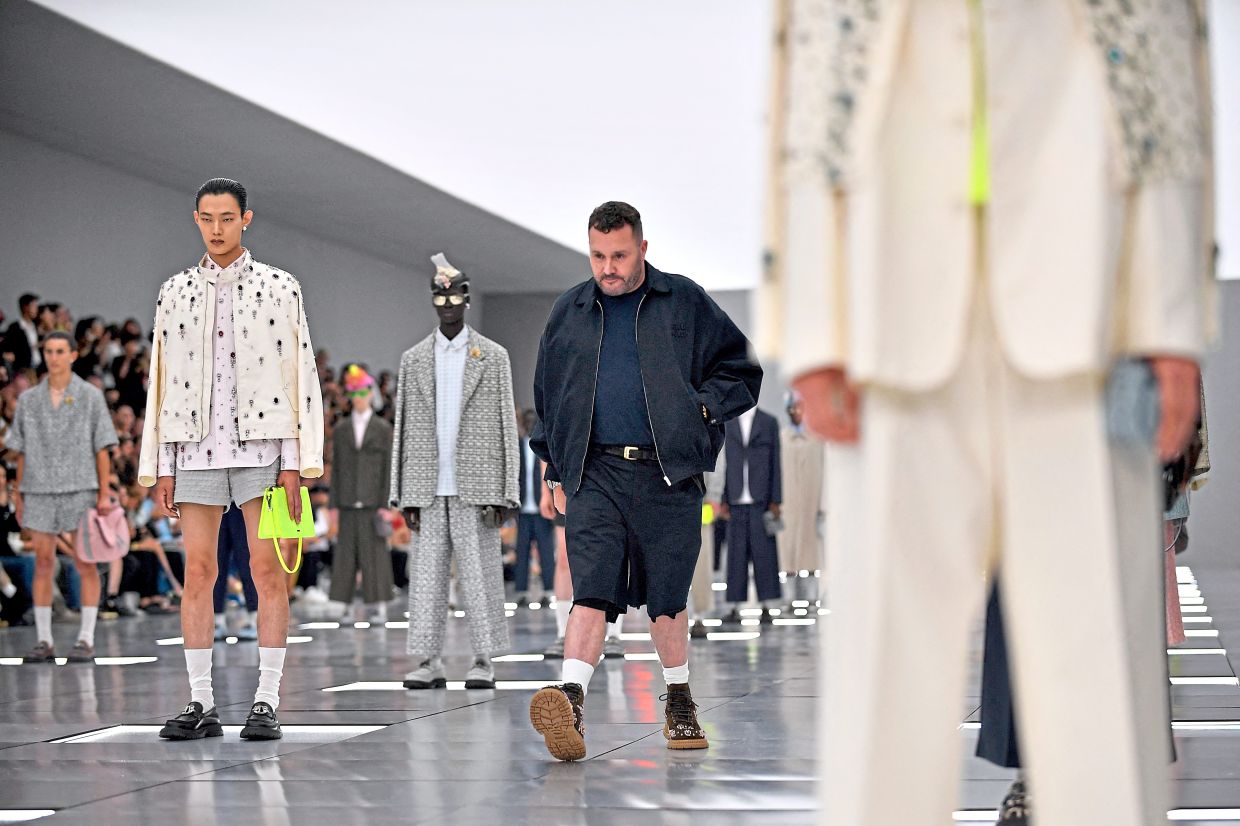
Having spent years shaping some of the world’s most recognisable luxury brands, Jones has turned his attention east, having worked with Chinese fashion label Bosideng last year and now preparing to launch his own eponymous, Japan-made brand in Hong Kong.
His moves point to a broader shift in the industry, in which Asia is becoming not merely a destination for expansion, but a place where established creative talent sees scope to make its next mark.
Another telling example is Sabato De Sarno, who was appointed creative director of Shanghai-founded luxury label Icicle in September.
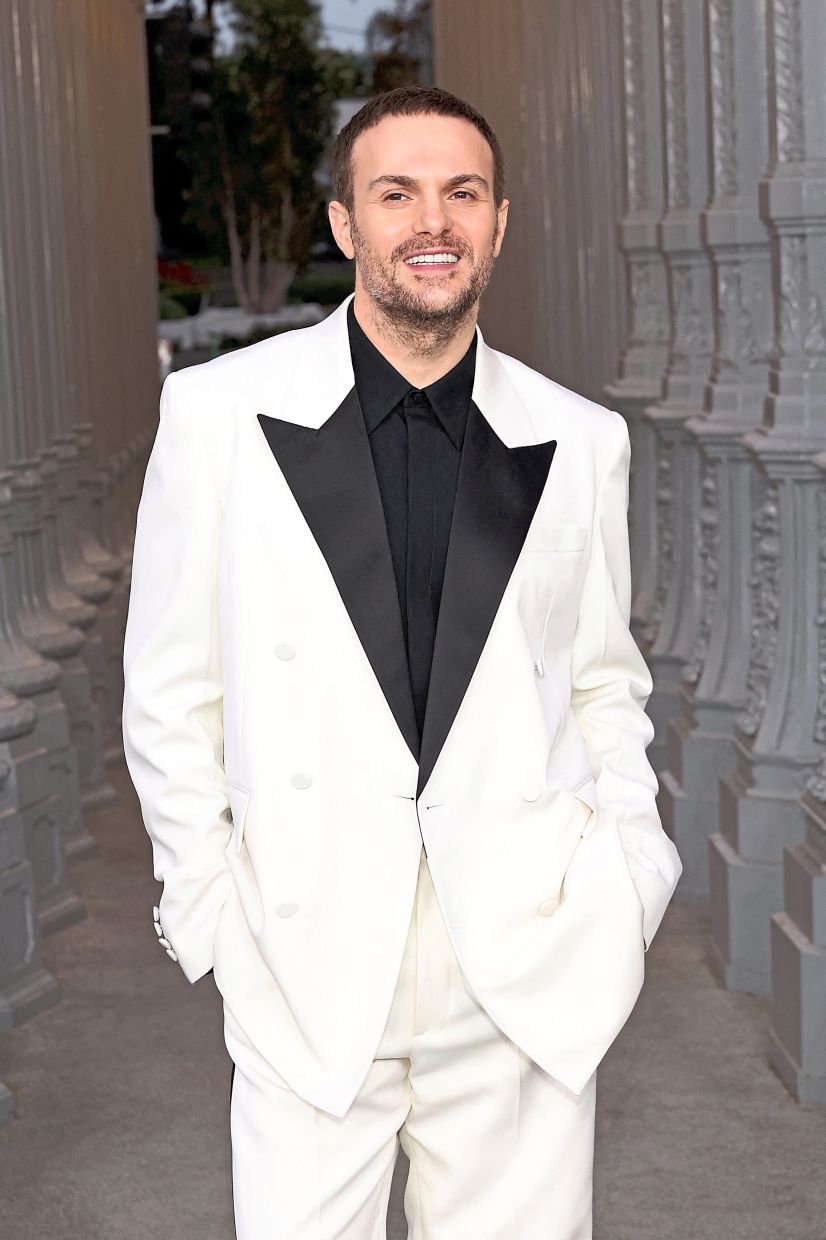
The Italian designer previously held the top creative position at Gucci, following more than a decade at Valentino, where he rose to fashion director overseeing both menswear and womenswear.
At Icicle, he will lead the creative direction of ready-to-wear, accessories and eyewear, with his first collection scheduled for Autumn/Winter 2027.
Other prominent names who have taken up positions with Asian fashion brands in recent years include Clare Waight Keller, Kris Van Assche and Francesco Risso.
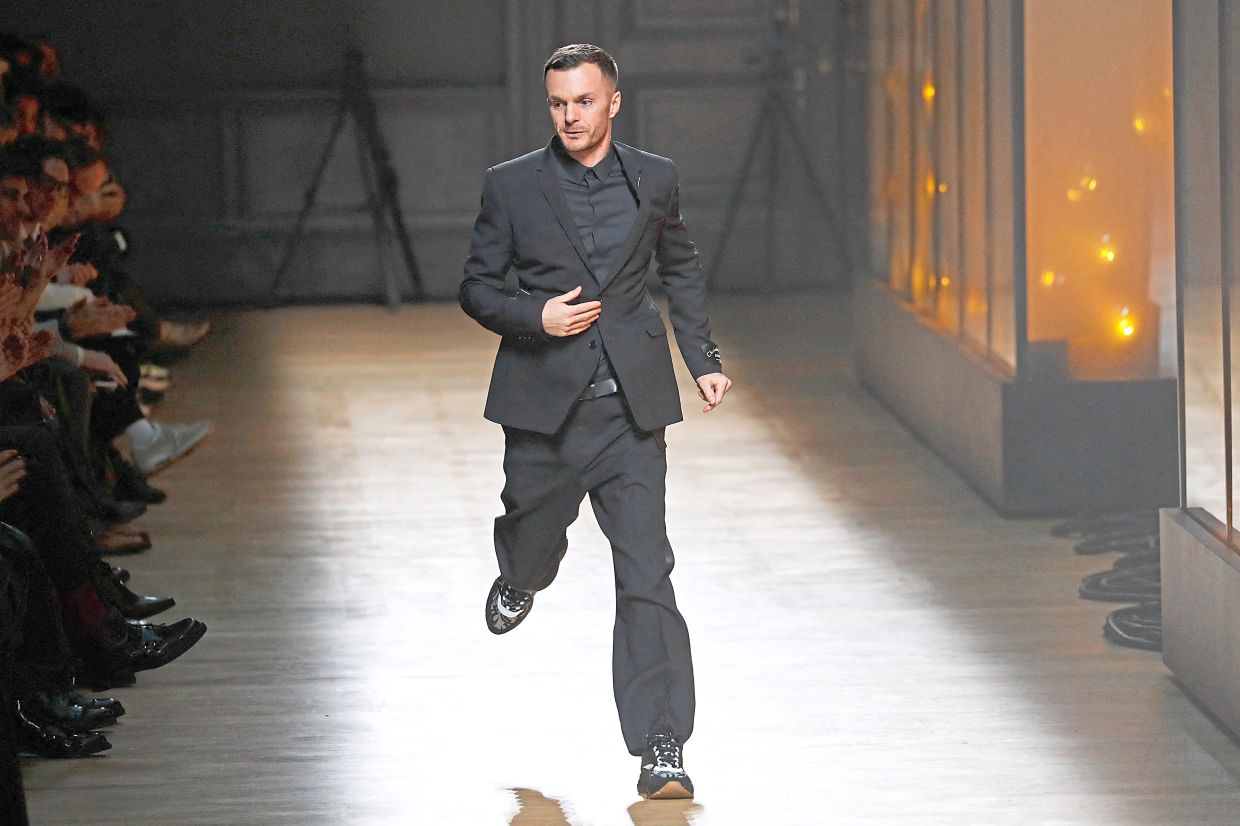
Belgian Van Assche, whose previous roles include creative director of Dior menswear and artistic director of Berluti, has taken on freelance work with Chinese sportswear label Anta to develop its sustainable line.
Waight Keller, the British creative who previously held director roles at Givenchy and Chloe, now leads Japanese fast-fashion retailer Uniqlo, while Italian designer Risso, formerly at Marni, has joined its sister brand, GU.
The significance of these appointments becomes clearer when viewed against the way Asian designers’ success stories have traditionally been told.
Even the late (and great) Kenzo Takada, whose journey from Japan to Paris is often romanticised through the story of his month-long sea voyage to France, is remembered largely for establishing himself in the French capital.
He opened his first boutique there in 1970 and went on to build an internationally recognised fashion house.
Malaysian designer Datuk Zang Toi’s journey follows a similar narrative.
Arriving in New York City with just US$300 in his pocket (equivalent to about RM4,000 today), Toi secured a breakthrough when he was featured in US Vogue.
He has since established himself in the country and remains based there.
His story reflects how, for Asian designers of his generation, success was often understood in terms of recognition from the Western fashion establishment.
There is, of course, nothing inherently wrong with these journeys. Paris, Milan, London and New York remain somewhat important centres of fashion education, media, commerce and creative exchange.
Read more: Why Malaysia is becoming an important stop on fashion’s evolving global map
But the industry’s traditional success narrative has often left little room to consider what happens when the direction of travel is reversed, or when Asia itself becomes the destination for designers who have already reached the upper echelons of the Western establishment.
That distinction certainly matters.
Asia has long been indispensable to global fashion, both as a manufacturing base and as a source of consumer growth.
Yet its role as a place where fashion’s creative direction is shaped has not always received the same recognition.
The arrival of designers such as Jones, De Sarno, Van Assche, Waight Keller and Risso suggests that this relationship is evolving, with Asian brands increasingly able to attract talent whose reputations were forged at some of the world’s most prominent fashion houses.
Still, the shift invites another interpretation.
By recruiting celebrated Western designers, Asian brands may also be seeking the credibility and international visibility that established names can bring.
Whether these appointments mark a genuine shift in fashion’s balance of power will depend on whether Asia can become not just a destination for Western talent, but a creative force that commands recognition on its own terms.