
In the past decade, the body positivity movement has been a talking point in the style industry. It is believed that fashion and beauty can play a huge role in influencing how people view themselves – and thus, brands are expected to try harder to not negatively impact a person’s self-worth.
However, efforts to foster a healthier perception of body image remains largely focused on women. While men are susceptible to such destructive perception too, the problem is not really talked about.
When a photo of Ryan Gosling as Ken for the upcoming live-action Barbie film was released in June, it brought attention to how men also have to battle stereotypes.
Gosling sported gorgeously styled platinum blond hair, a deep tan, washboard abs, flawless skin and a brilliant-white set of perfect teeth. In short, he was portrayed as the ideal male specimen.
The actor even joked that his appearance as the human version of the Ken doll – a counterpart of Barbie, the perfect female form – made him feel good.
This has raised questions about how guys can also feel pressured to look a certain way in order to fit the mould of what is considered physically attractive.
Remember Jason Momoa as Aquaman? Or Chris Evans playing Captain America? Both had shirtless scenes in their respective films, showing off a ripped physique.
Also, take a look at fashion campaigns. What you will mostly notice are male models who are tall – and lithe or lean.
Read more: In Malaysia, pre-loved fashion is slowly becoming well-loved fashion
A study published in scientific journal Body Image in January, reported that between 30% and 40% of men (from a US sample) are anxious about their weight and that up to 85% are dissatisfied with their muscularity.
While it is good that the beauty industry has not targetted men much – thus relieving them of the pressure to have perfect brows, full lips or fair skin, this also sends a message about how men should stay silent, even when they have a genuine concern about their looks.
The International Journal Of Eating Disorders in 2015 carried a report concluding that many men (based on a multi-national survey) are hesitant to speak up about their body image issues – largely because of the stigma attached to it.
It simply means that society traditionally views guys as stoic, where they should not succumb to vanity – a trait often considered to be feminine.
Shedding a false sense of reality
Aly Alias Stephen Nah, a Malaysian doctor who specialises in hair restoration and aesthetics, says that he too suffered from body image issues when growing up.
“When I was younger I was a little insecure of my looks. Being a late bloomer, I was the shortest in my class until Form four. On top of that, I grew to be overweight,” he reveals.
“The height bothered me, but there was nothing I could do. Instead, I tried compensating with the styling of my hair. I even sported a karipap hairstyle (pompadour) back in school.”

“I never had six-pack abs to show though, so I never had the confidence to post a shirtless photo – ever,” he says, laughing.
Now at 42, he has moved on and no longer chases the “perfect body”.
“I may have a slight dad-bod belly. But I really don’t care. I feel healthier than ever and that is more important,” he explains.
Hair – or the lack of it – can be a problem for guys.
“When a patient comes to me, it is important for me to ask them this question: ‘How does your hair (loss) bother you?’ I have found it is very common for men who are losing hair, or have significant thinning, to have self-confidence issues,” says Aly, whose clinic is located in Kuala Lumpur.
He adds that this is the reason why you see many men doing a comb-over to hide their areas of thinning hair.
As for which is more important, having perfect hair or a perfect body, it really depends on the individual.
“For a guy who is fixated with his body, going bald is his last concern. In fact, they won’t mind getting it cropped or even shaving it all off. But for the guy who doesn’t sport a gym body, then the hair takes higher priority,” adds Aly.
He says it is also about peer pressure.
“When a guy has had remarks about his hair thinning, the insecurity creeps in. Also, if the person has a wedding coming up, then how his hair looks becomes important.”
According to him, the problem will go away if everyone can learn to embrace their imperfections.
“Henry Cavill who plays Superman and Gerald in The Witcher has imperfectly lined teeth and it shows in photos. Be like him, keep those imperfections there. Be human,” Aly notes.
He says it is healthy for men to be able to discuss beauty concerns.
He thinks times are changing. Guys these days are openly discussing their looks among themselves.
There is nothing wrong in wanting to look good, just don’t be obsessed.
“I believe looking good makes one feel good. Sharing on social media can be narcissistic to some, but to me, it is your own expression of self and it is a feel good milestone,” Aly says.
“Just do not airbrush the photos to achieve ‘perfection’.”
Skin of the matter
Aidenn Isaiah shares how he faced problems with his skin when he was modelling and studying dance in New York City.
He suffered from frequent breakouts due to the stress of his lifestyle at that time.
Struggling to come to terms with it in the past, he now wholeheartedly accepts how he looks.
“The acne, the scars, the stretch marks – they tell my story. The more I started to embrace the imperfection and educate myself on managing my skin, the more I blossomed and realised that those things do not define me.”
He is currently an instructor working at the Chicago Dermalogica Learning Loft, where he educates and trains licensed skincare professionals.
Isaiah, who prefers not to reveal his age, says it is important for men to be able to talk about their body image problems. He was among those lucky enough to have an outlet to discuss such issues.
“I’m grateful to have always had a network around me that allowed me to feel comfortable speaking about the insecurities I faced while dealing with skin issues,” Isaiah comments.
“I do know that isn’t the case for most people. I encourage anyone who’s facing struggles to connect with a skin professional and not let society’s unattainable beauty standards ruin their self-esteem.”
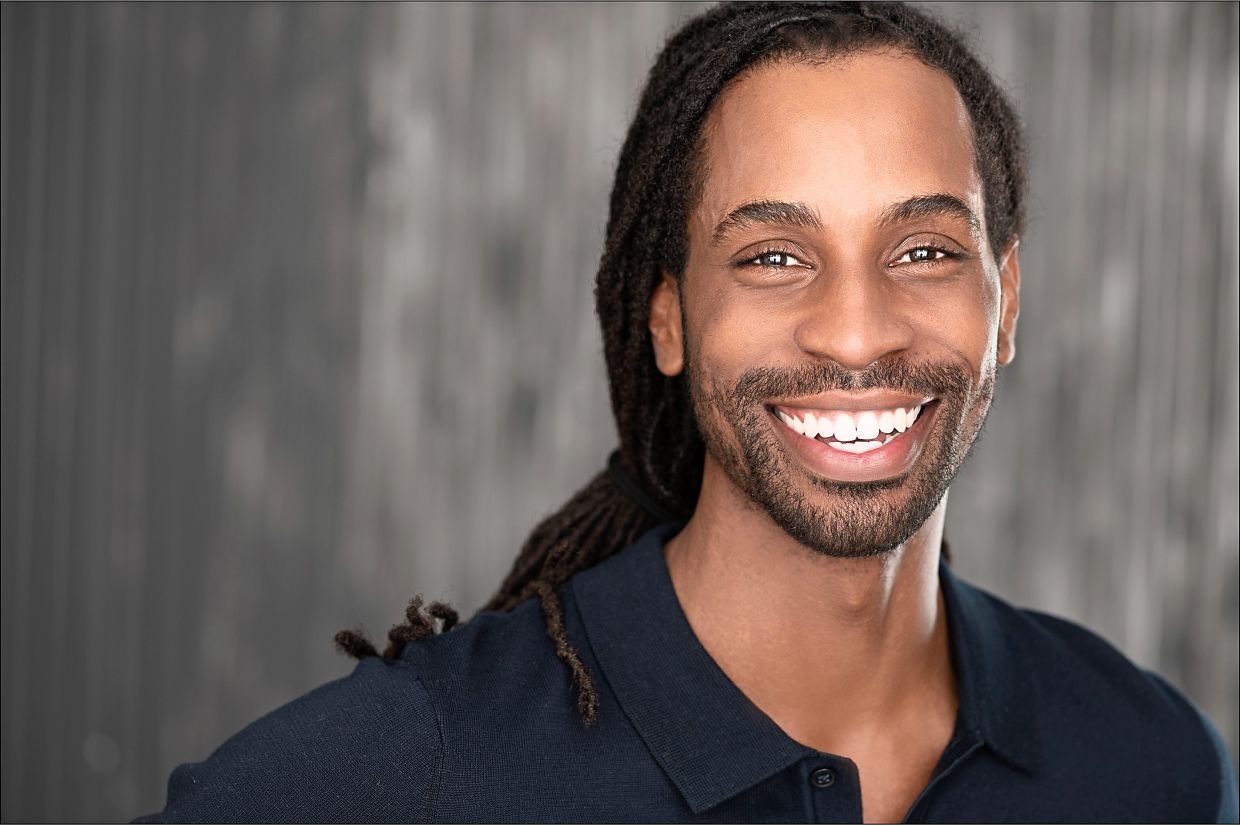
He says that guys are not as inclined to seek professional advice on skincare compared to women.
Through his career, he has noticed that it is often the female influence of their loved one or spouse – mother, sister or girlfriend – that gets them into the treatment or on a homecare routine.
He says the internet has slowly changed things.
“Social media has done such an incredible job at debunking the idea that self-care is feminine and dismantling the toxic masculinity that supports this notion. Skin health is for all. Period.”
Men in the fashion spotlight
In fashion, we are seeing more plus-size female models on the mainstream runways.
Yet, the issue of male body positivity has not been given the same spotlight.
Some businesses are not too keen to talk about it as well.
For example, online retailer Zalora declined to comment on the matter of menswear sizing and the use of more diverse male bodytypes in fashion campaigns.
There are clothing labels that care about the issue though – like Neonate, co-founded by Malaysian actor Karl Shafek. > Turn to page 4> From page 3
Men come in all sizes
In fashion, we are seeing more plus-size female models on the mainstream runways. Yet, the issue of male body positivity has not been given the same spotlight.
Some businesses are not too keen to talk about it as well.
For example, when reaching out to online retailer Zalora on the matter of menswear sizing and the use of more diverse male bodytypes in fashion campaigns, the company declined to comment.
There are some clothing labels that care about the issue though.
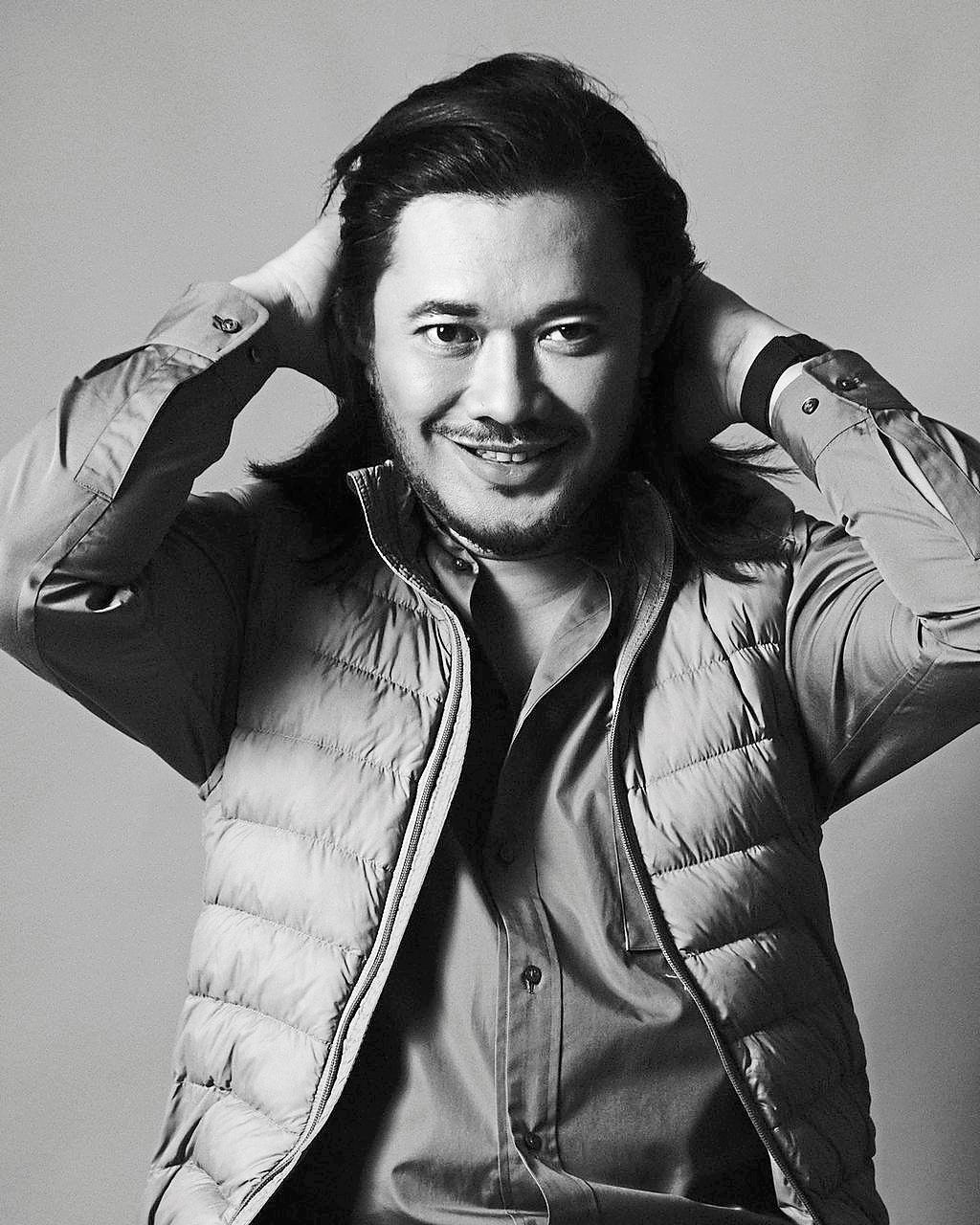
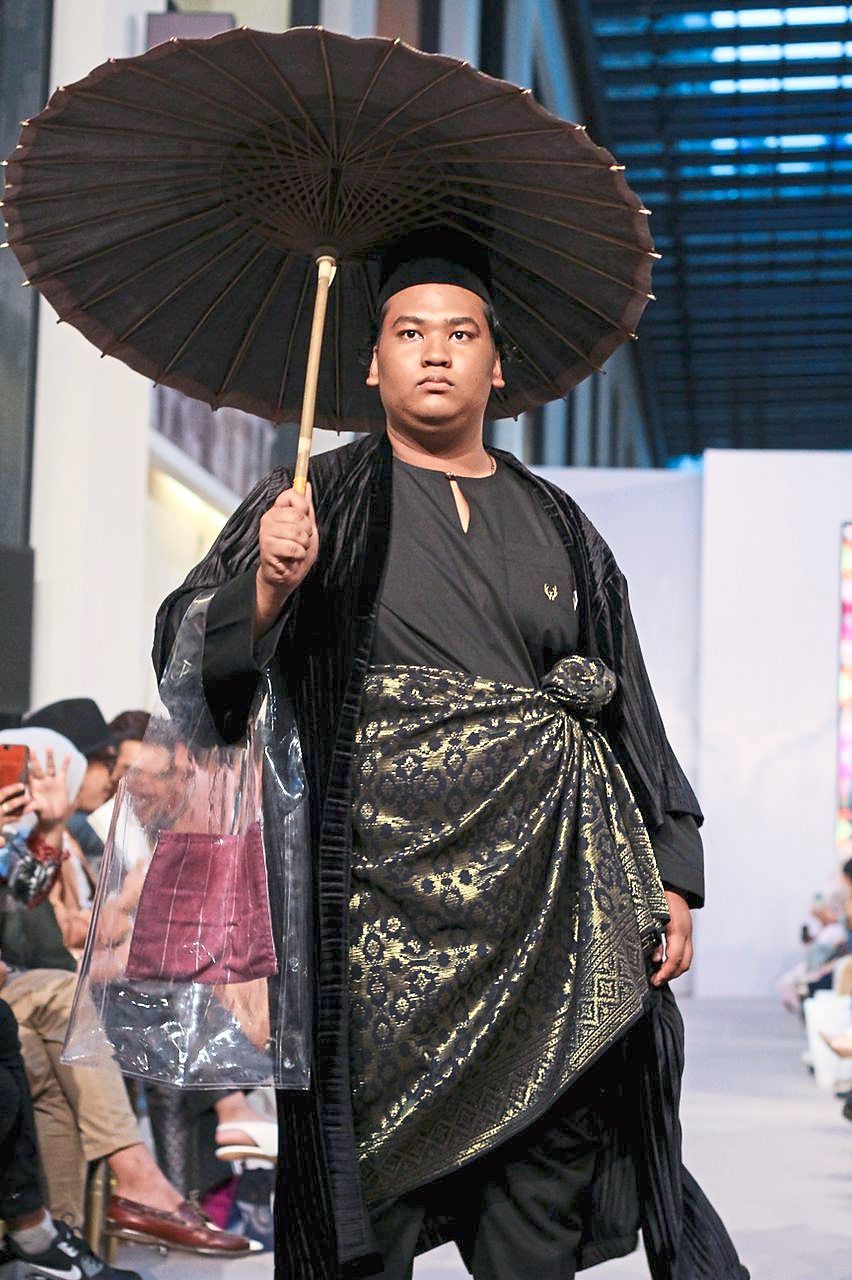
Karl, 42, co-founded a streetwear label called Neonate back in 2014. He has used plus-size male models for runway shows several times.
“Neonate does not only cater for slim people. We get demands from all kinds of body sizes. As a clothing company, we don’t want our clothes to look good on certain body types only. We are here for everyone.”
He does not see the need for men having to fit a certain masculine mould too – like being muscular.
Read more: Malaysian menswear tailors forced to adapt, but suits will live on
Yet, he reveals that he has, like a lot of guys, had insecure thoughts about his looks.
“I’m pretty sure everyone went through that phase before, no matter how good looking you can be,” he shares.
“How I overcomed it was by gaining enough confidence to deal with the problem.”
Karl notes that fashion is trying to catch up on the male body positivity issue. According to him, brands like Neonate are trying to break the steteotype of “model body types” and promoting more on diversity.
“Our latest model search programme (held in conjunction with Kuala Lumpur Fashion Week 2022) was flooded with people of all body types. Men included,” he says.
Male body positvity is indeed an existing issue in fashion. Hollywood celebrities have talked about their battles with it.
“Even now, I’ll overhear someone discussing my place in the fashion world or whatever, and people are like, ‘That guy? The schlubby guy from Superbad?’” actor Jonah Hill told told GQ back in 2020.
“It’s really hard when you’re overweight to dress a certain way, because clothes aren’t made for people who are overweight to have style.”
Hill, known as somewhat of a street style icon among men, has frequently been shamed by tabloid media for his body size.
In 2021, he pleaded for everyone to stop commenting on his body image.
Just last week, Hill announced that he will be stepping away from public appearance.
In a statement released, he said he had spent nearly 20 years experiencing anxiety attacks, exacerbated by media appearances and public-facing events.
The 38-year-old star has since deleted his Instagram account.
This drives home the point that men are just as susceptible as women to having body image issues.
Just like women, men can get insecure about their looks – and while the fashion and beauty industries are realising it, the conversation on male body positivity has to continue and improve.
Already a subscriber? Log in
Get 20% OFF The Star Digital Access
Cancel anytime. Ad-free. Unlimited access with perks.