
On rainy spring nights in a forest near the Polish capital, a citizen "Frog Patrol” springs into action – humans helping amphibians survive dangerous road crossings for a chance to enjoy millennia-old mating rituals.
As warmer weather comes to Mlochowski Forest, 30km west of Warsaw, thousands of toads and frogs wake up from their winter slumber and begin their meticulous spawning journey to the marshes, a few kilometres away.
The females carry the burden of the journey. Male toads here don't really give off princely vibes but travel on the backs of their much larger female partners, tightly holding on to ensure they are not dumped in favour of a rival upon reaching the waters.
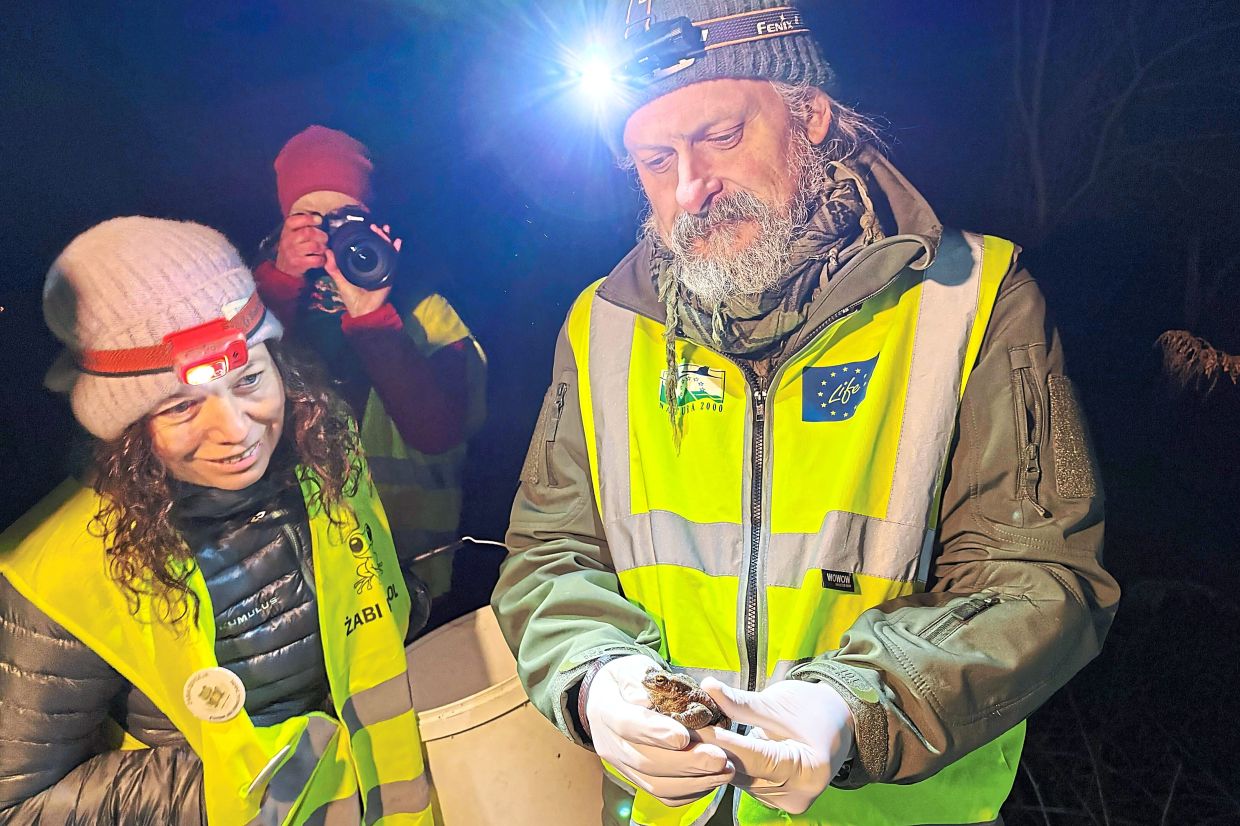
While generations of toads and frogs have travelled to these marshes to mate, a road built in the last decade right across their route made the spring journey much more dangerous.
What followed was sheer amphibian slaughter – when the mating season started and the frogs were on the move, thousands would get run over.
Łukasz Franczuk, coordinator of the "Frog Patrol” initiative, recounted the sad scenes from four years ago.
"The frogs were being run over in the hundreds or thousands,” he said. "When you were driving on this road, you could see the decomposing corpses of the frogs. People going to collect the surviving ones were crying, they couldn’t stand to watch what was happening.”
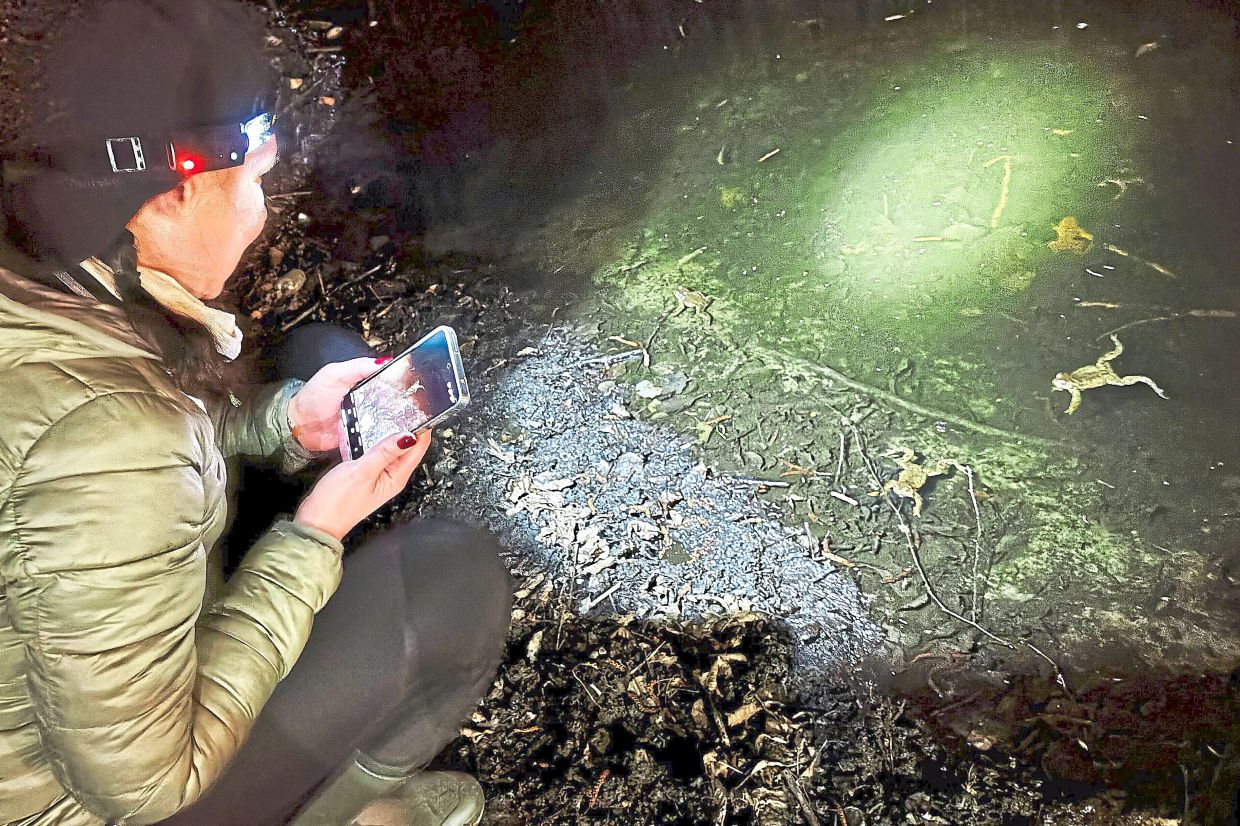
Franczuk and his friends responded by helping locals organise, starting three years ago.
Frogs breathe through their skin, which must stay humid, so they only move and migrate when it rains.
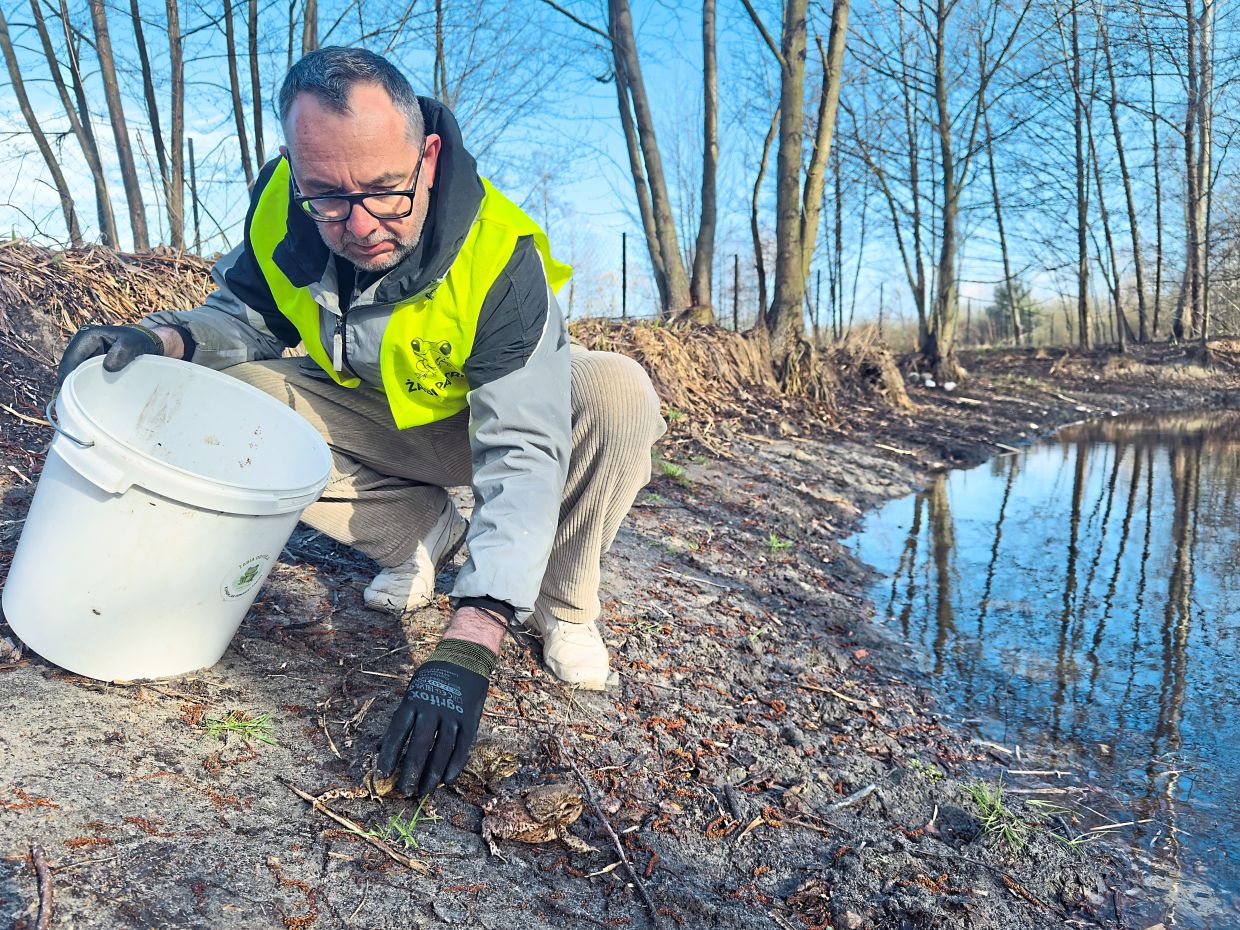
Wearing reflective yellow vests emblazoned with the words "Frog Patrol” and armed with head lamps and buckets, hundreds of volunteers can now be routinely seen out in the evenings during migration season.
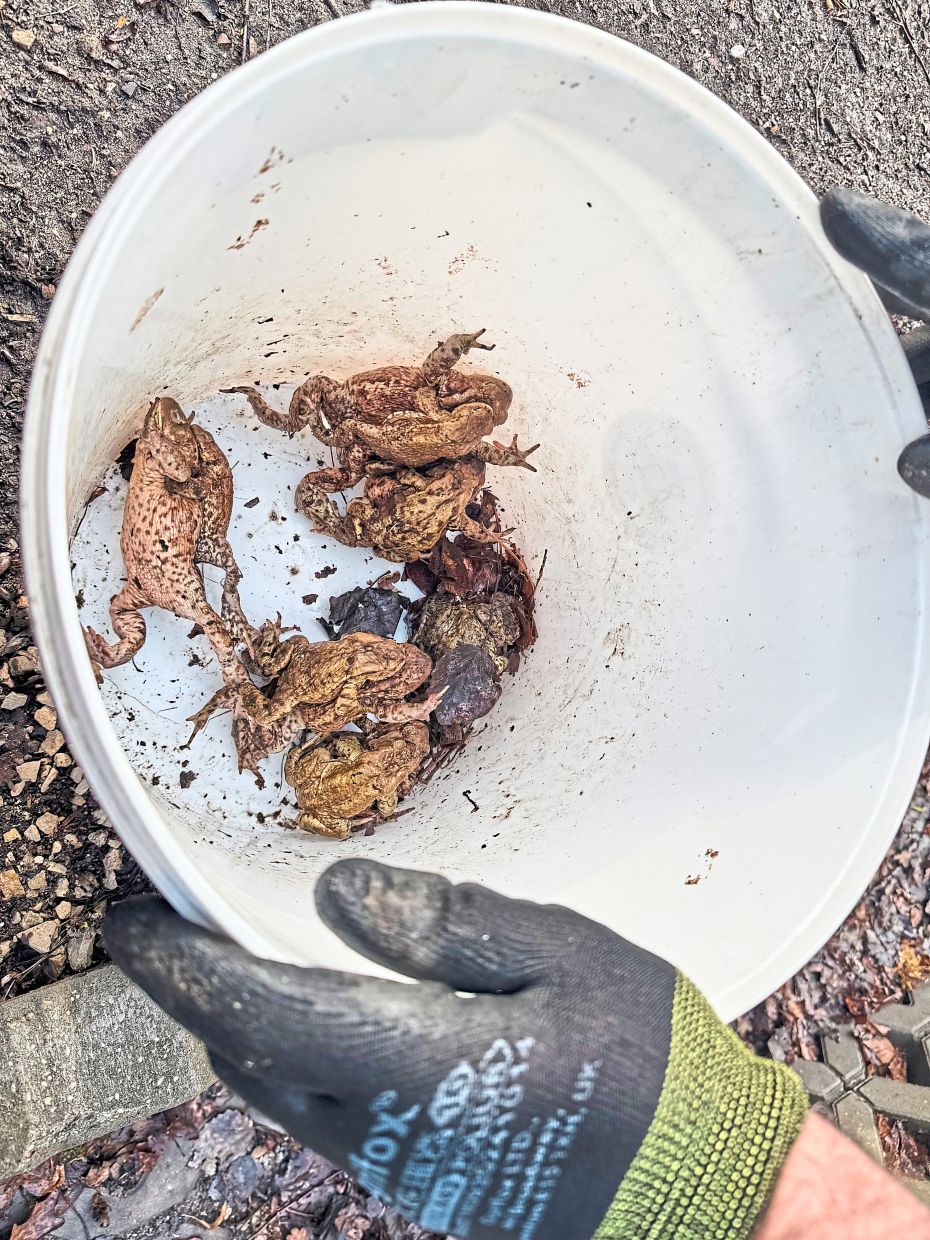
Locals, including children, have also started carrying gloves with them during the day, so they can pick up the amphibians if they see them in distress at any time.
"It's really impressive to see whole families with kids walking in the rain, with buckets, in these lovely jackets to make them visible because it's pretty unsafe, this road is narrow, and they carry the frogs from one side of the road to the other,” said Katarzyna Jacniacka, one of the participants.
"When the frogs are migrating, there are a lot of people here,” she added.
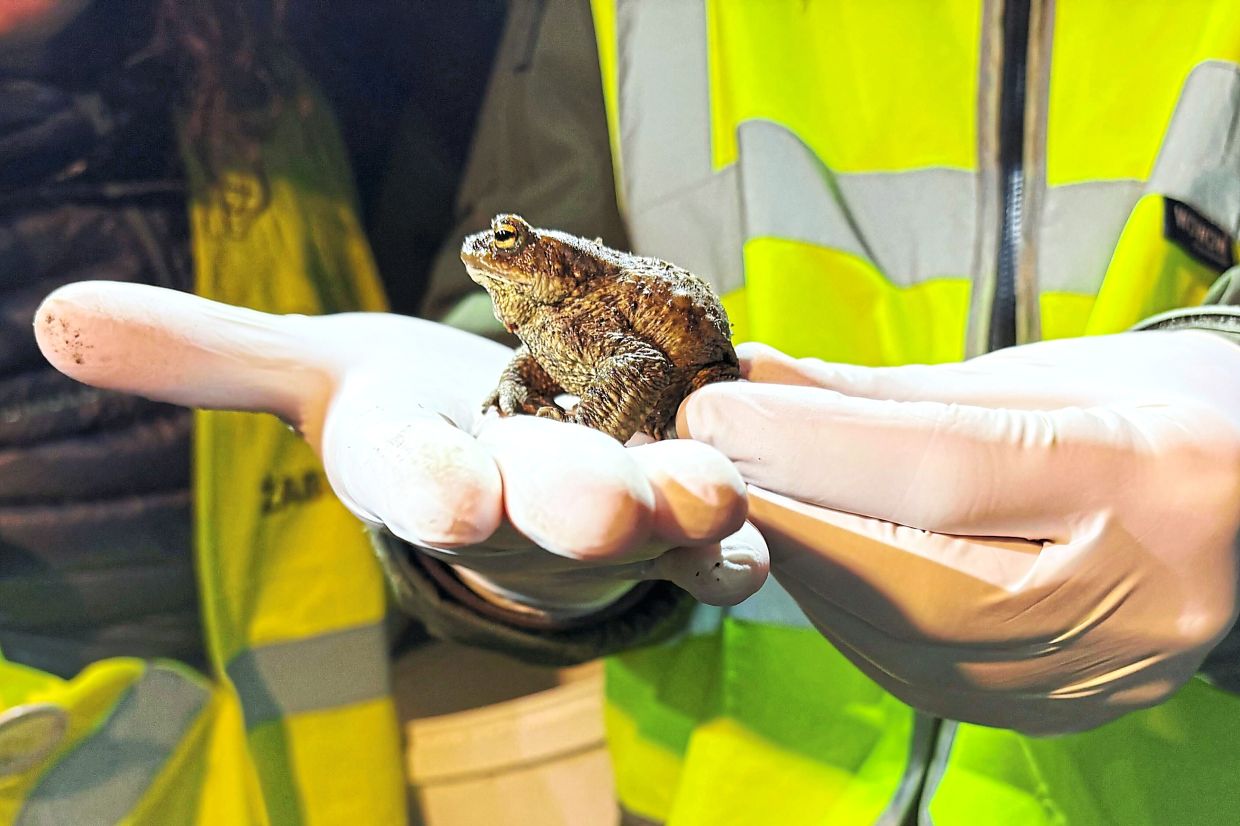
For Aleksandra Tkaczyk, another volunteer, this is "the kind of connection with nature about which some of us care deeply”.
Locals say they have saved about 18,000 amphibians since their initiative started.
Biologist Krzysztof Klimaszewski from the Institute of Animal Sciences at the Warsaw SGGW University, who took part in a few of the frog patrols, said that what the locals are doing here is very important because "it actually allows this local population of amphibians to survive”.
Such citizen initiatives to help toads and frogs cross roads built through their natural habitats are not unique to Poland.
In Bavaria, in southeastern Germany, volunteers from BUND Naturschutz say they rescue up to 700,000 frogs, toads, newts and salamanders every year.
Even in France, where frog legs are a culinary delicacy, local volunteers help the suffering amphibians. In the southern French region of Provence-Alpes-Cote d’Azur, people have installed nets on the roadside to collect the frogs before they head into the dangerous traffic.
And in the Estonian capital of Tallinn, authorities announced in early April the construction of additional frog fences on Tahetorni Street – right on the frogs' springtime migrating route – to guide the amphibians and other animals safely into underground tunnels and avoid getting them killed by traffic. – AP